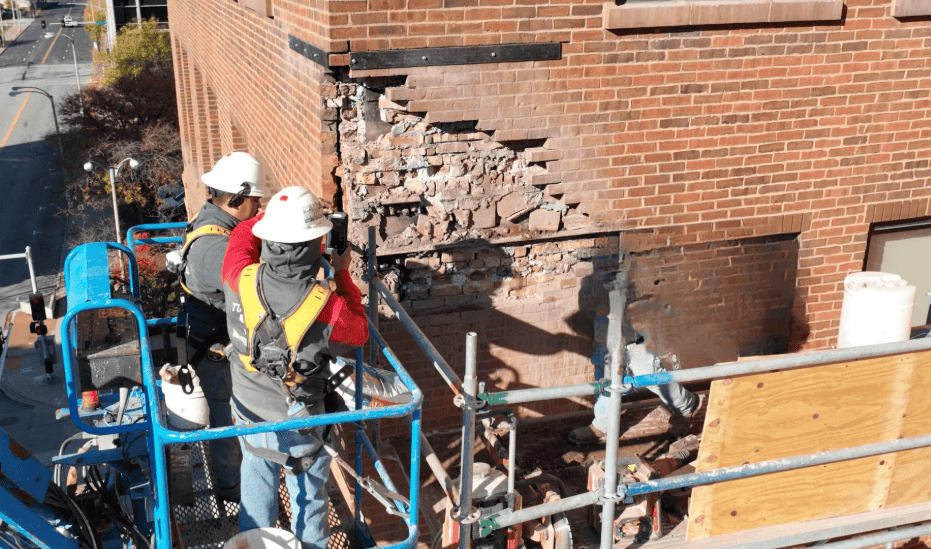
Winter Masonry Maintenance: Protect Your Property From Freeze-Thaw Damage
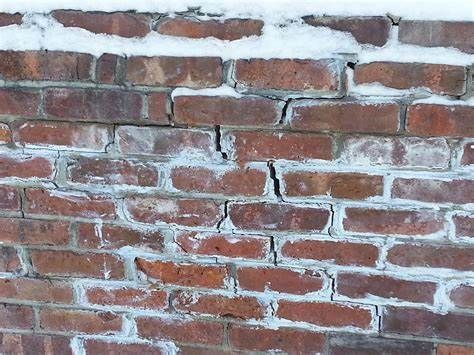
The Impact of Winter on Masonry Structures
Winter creates many challenges for masonry buildings, with the freeze-thaw cycle being one of the most destructive issues. For property managers and facilities managers, understanding this is important for maintaining your building's safety and soundness.
What is the Freeze-Thaw Cycle?
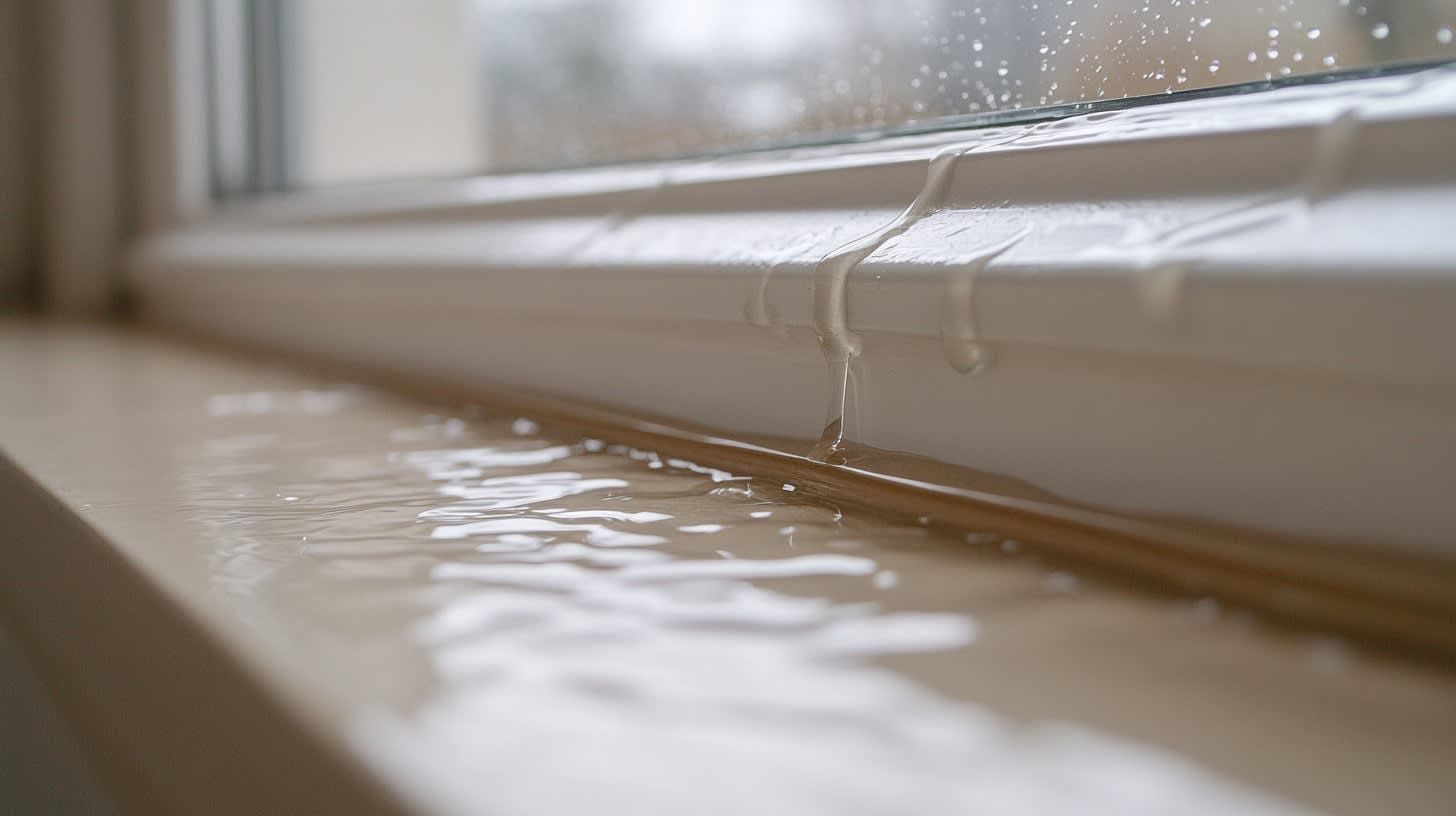
The freeze-thaw cycle occurs when water gets into your masonry surfaces, freezes, expands, and then thaws. This repetitive process puts stress on bricks, stones, and mortar, leading to:
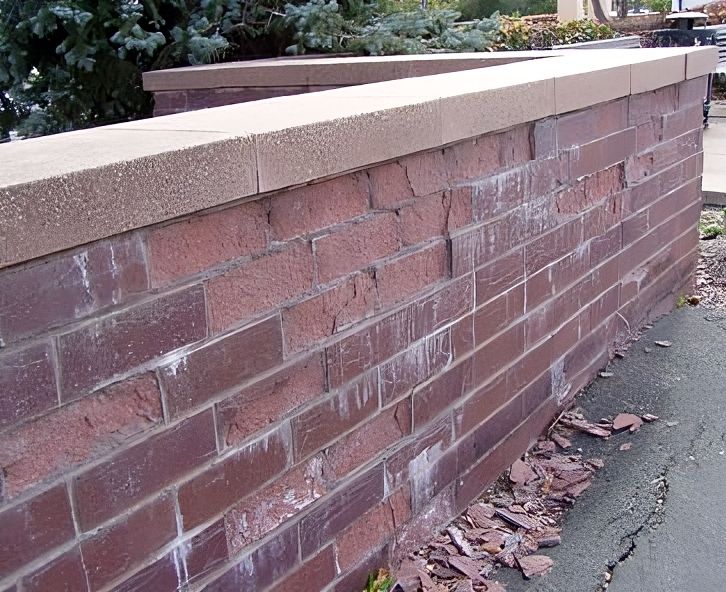
- Cracking and Spalling: Water expands by approximately 9% when it freezes. This expansion can create cracks and cause pieces of masonry to break off, exposing your building to further damage.
- Efflorescence: As water evaporates, salts within your masonry are left behind, causing white stains and structural weakening.
- Mortar Erosion: Frequent freeze-thaw cycles wear down mortar joints, making walls and chimneys less stable.
- Water Infiltration: Existing cracks allow water to get deeper, compounding the damage cycle.
Statistics Highlighting the Risk
- With water expanding by approximately 9% when it freezes, it generates pressures exceeding 220 MPa, which is sufficient to fracture rock and damage construction materials.
- In Chicago, we see an average of 6-7 freeze-thaw cycles per year, and climate projections indicate that Chicago may experience as many as 11-12 freeze-thaw cycles annually by 2050.
Proactive winter maintenance is key to protecting your masonry. Here are proven strategies to help you prevent damage:
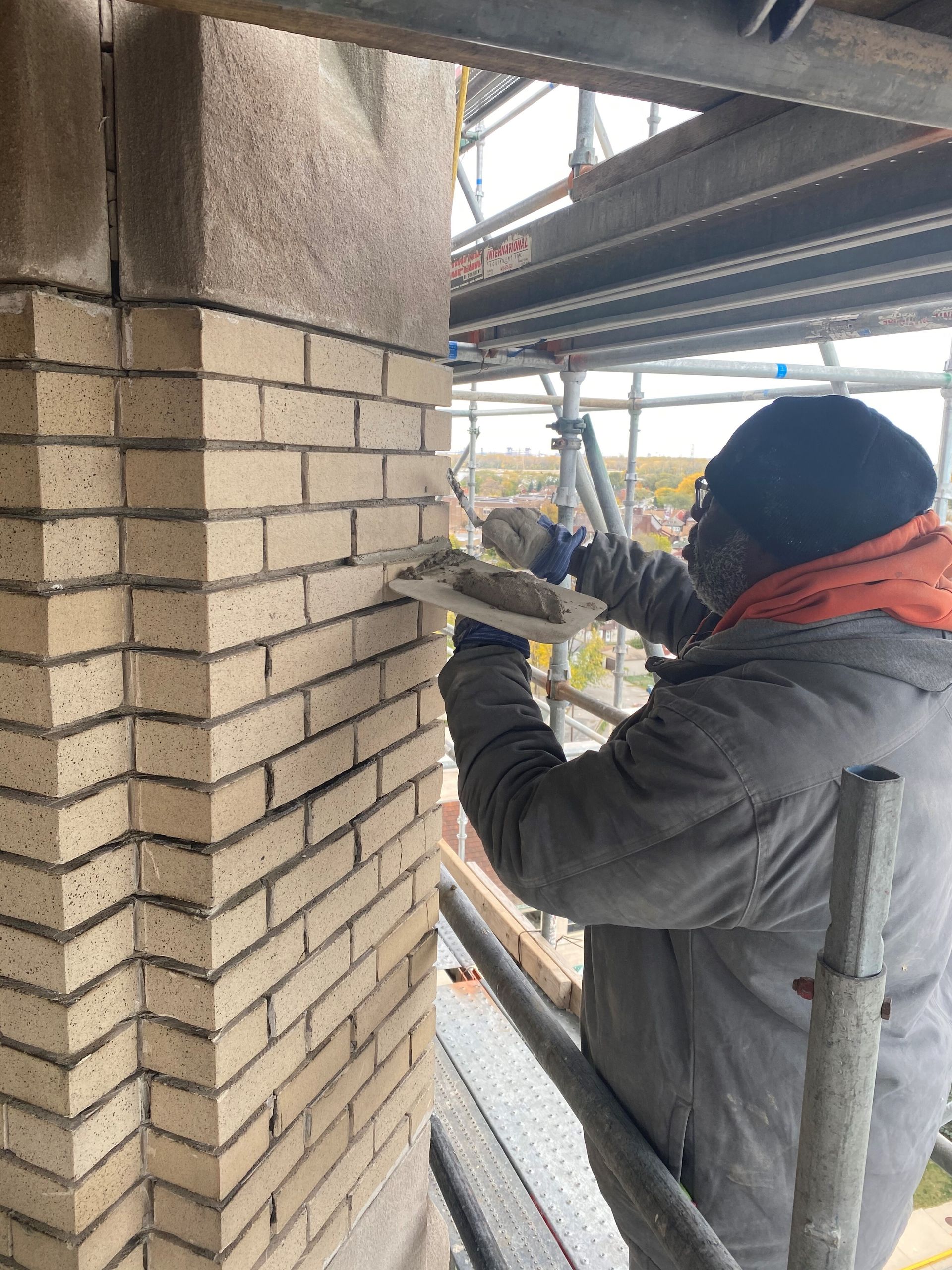
Tuckpointing and Repointing
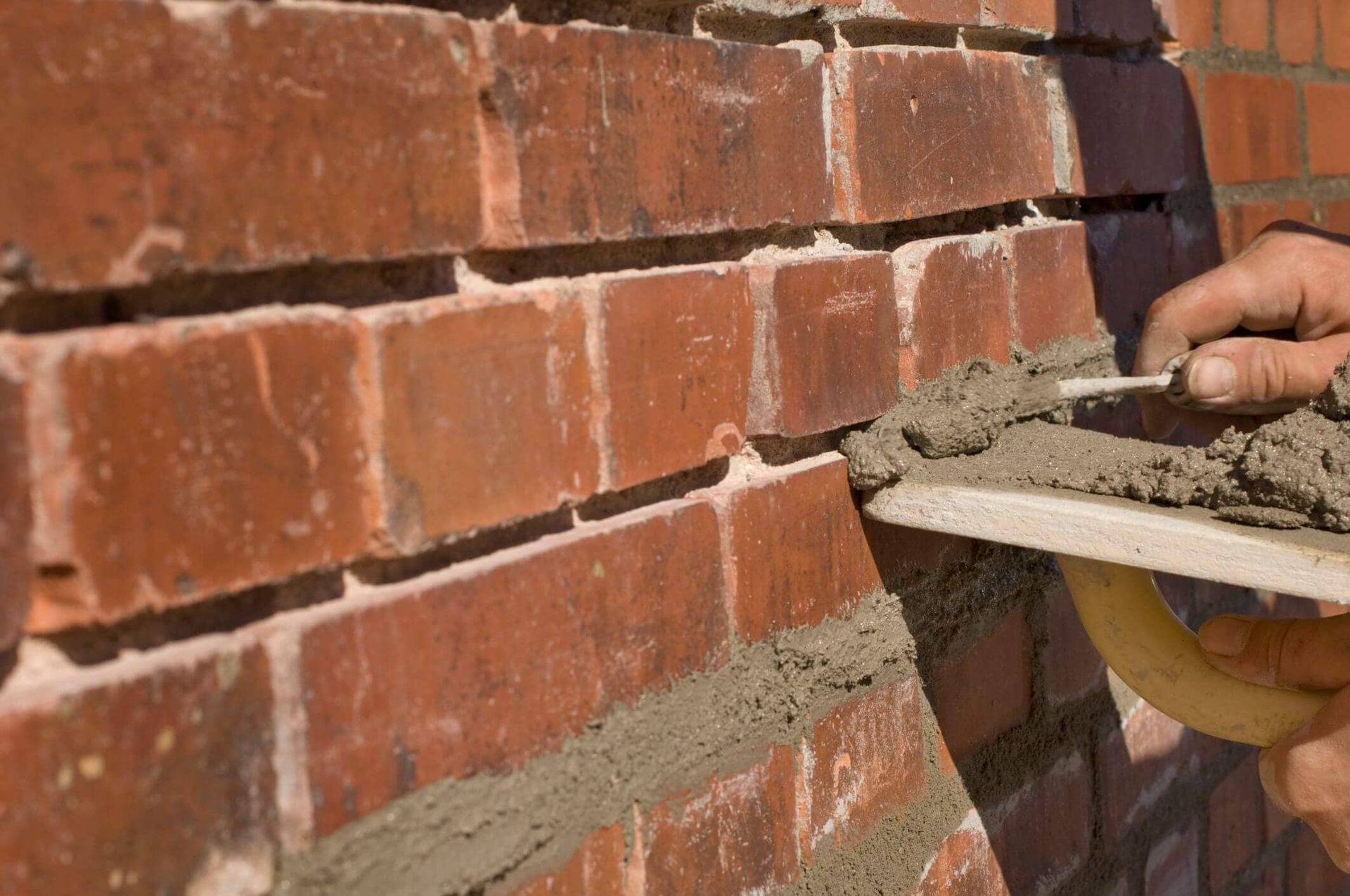
Damaged mortar joints are removed and replaced with durable materials to strengthen the structure and prevent moisture intrusion.
Waterproofing Masonry
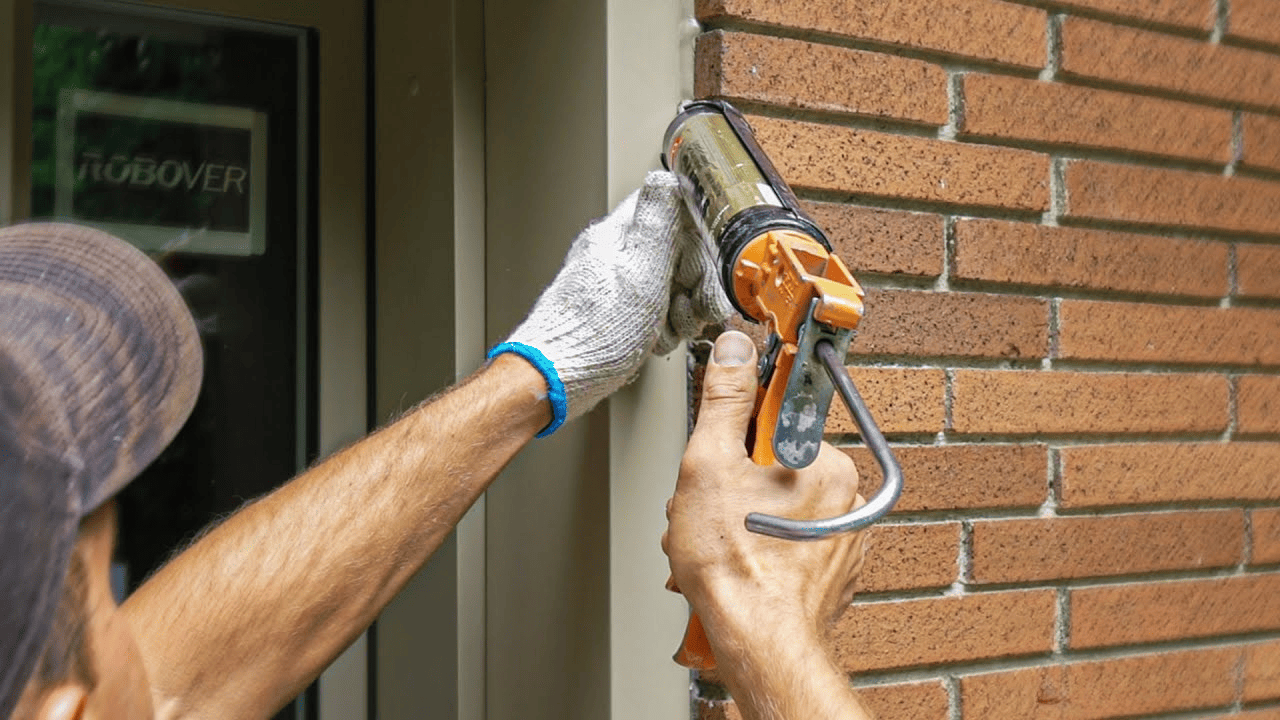
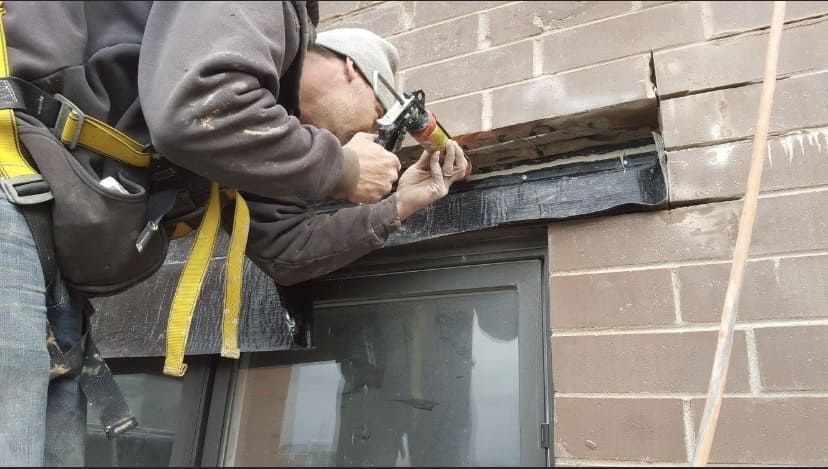
Applying breathable sealants prevents water penetration while allowing trapped moisture to escape, halting the freeze-thaw cycle.
Crack and Spall Repairs
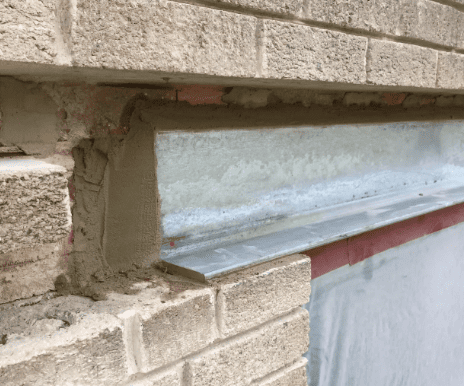
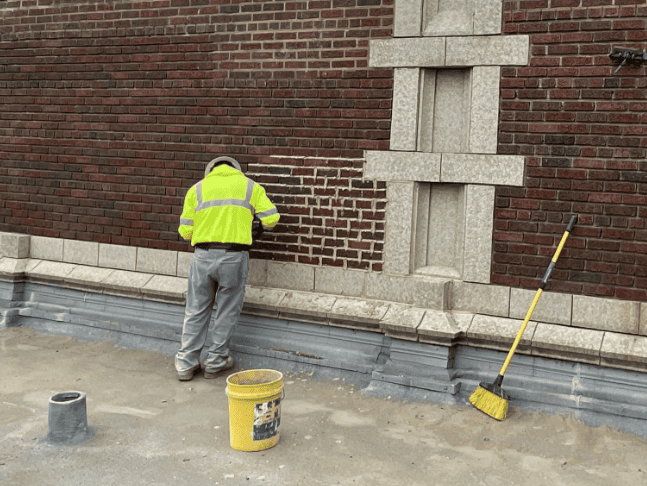
Targeted repairs are used to address minor damage before becoming a structural concern.
Brick and Stone Replacement
Severely damaged masonry elements are replaced to ensure overall stability while maintaining a matching appearance.
The Importance of Winter Masonry Maintenance
Overlooking masonry maintenance during the winter can lead you to deal with rising repair costs and safety hazards. For property managers, having a grasp on these issues minimizes tenant complaints, liability risks, and long-term repair expenses.
Schedule Your Winter Masonry Inspection Today
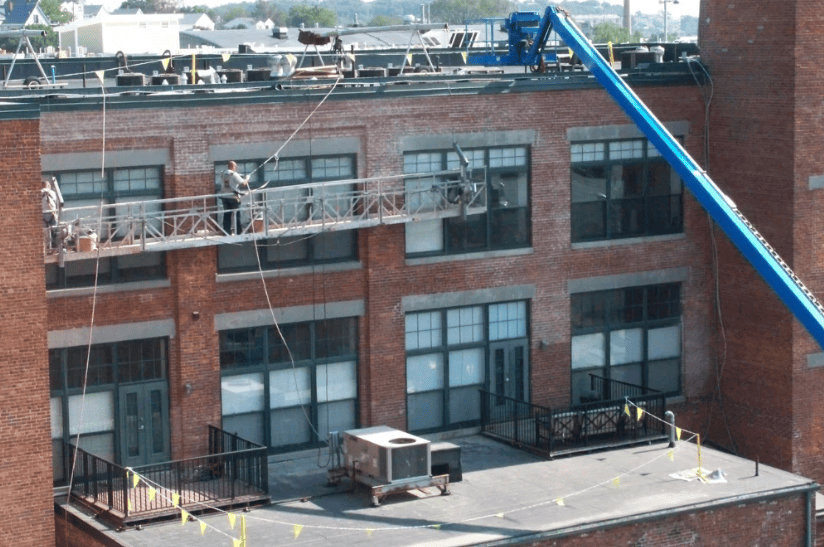
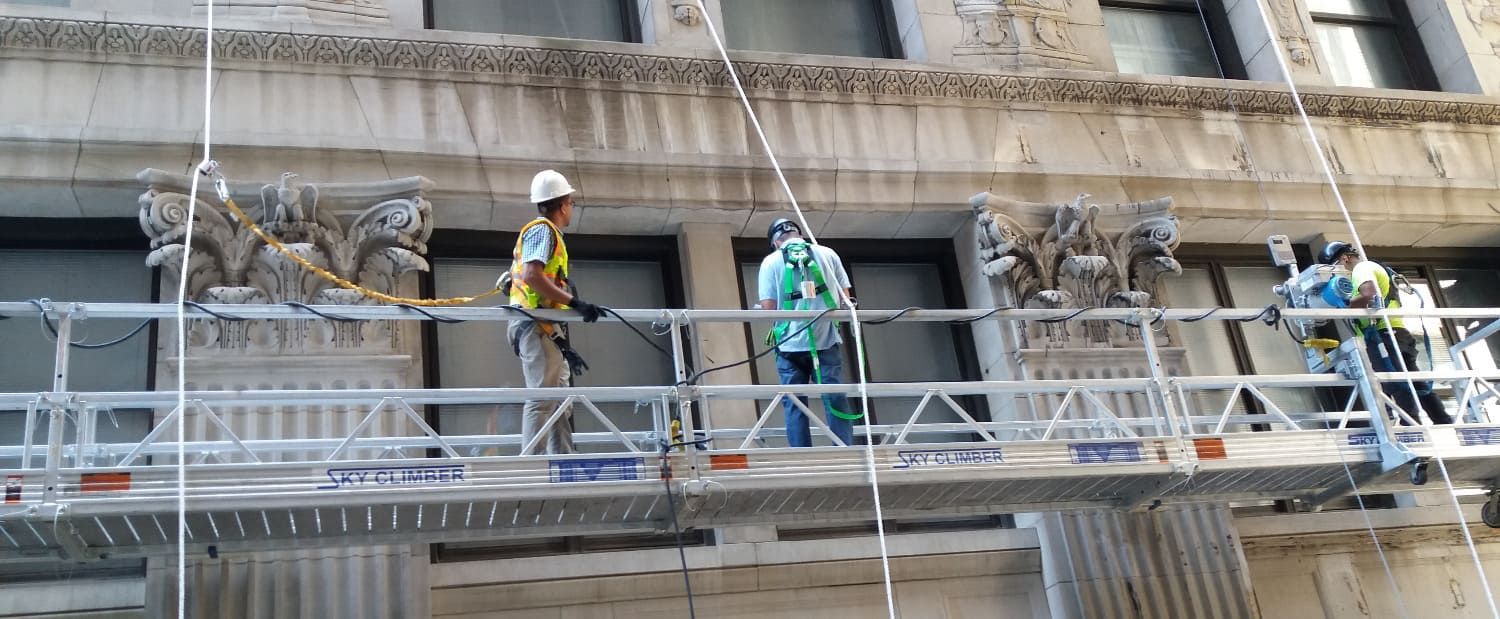
Acting now will save you money and protect your property. RestoreWorks specializes in commercial masonry restoration in Chicagoland and offers solutions for winter issues. Schedule your winter inspection today to protect your property from freeze-thaw damage.