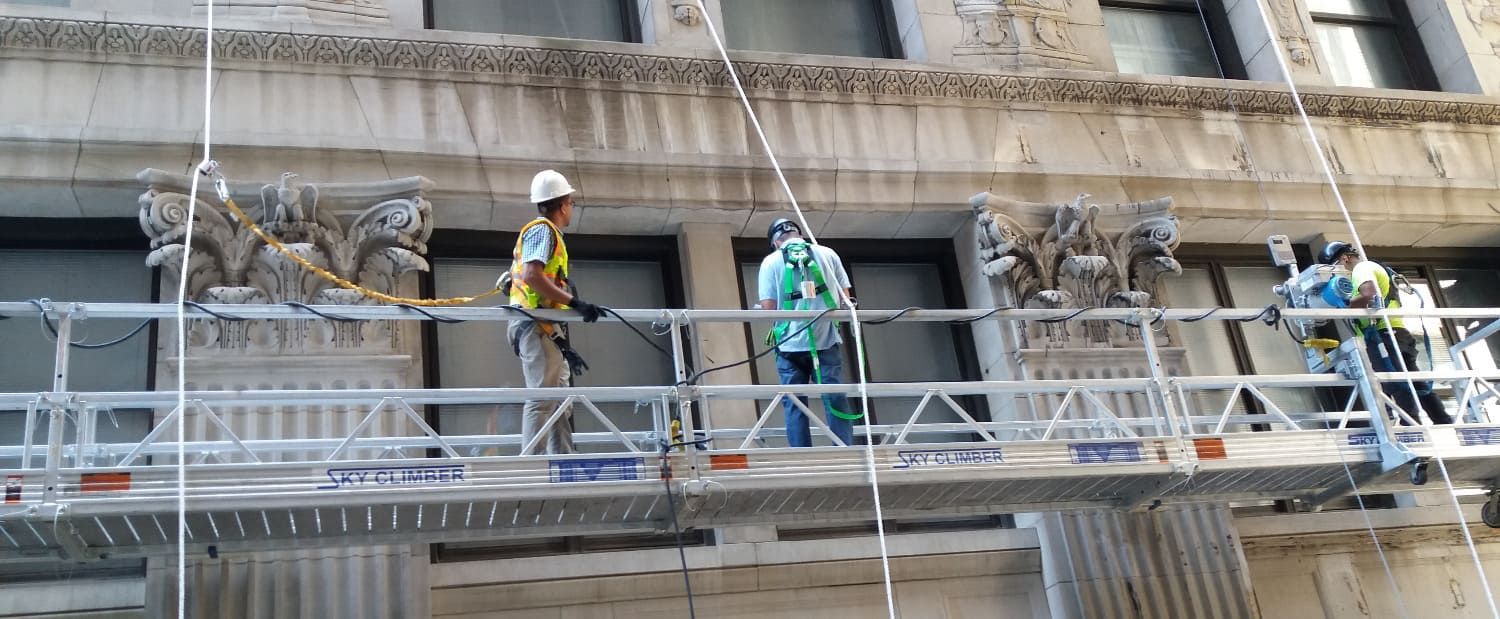
Why You Need Professional Masonry Inspections for Commercial Buildings
Why Masonry Inspections Are a Must for Commercial Properties
Managing commercial properties demands attention to detail, especially when it comes to the safety and lifespan of your building. Ignoring masonry issues can lead you to deal with safety hazards, increased repair costs, and potential legal liabilities. Scheduling a commercial masonry restoration inspection is an important safety measure that protects your occupants and preserves your building’s structure.
Key Masonry Issues Facing Commercial Buildings
Over time, masonry in commercial buildings is worn down from environmental stressors like freeze-thaw cycles, water exposure, and structural settling. Here are common masonry challenges you’ll face as a property or facilities manager:
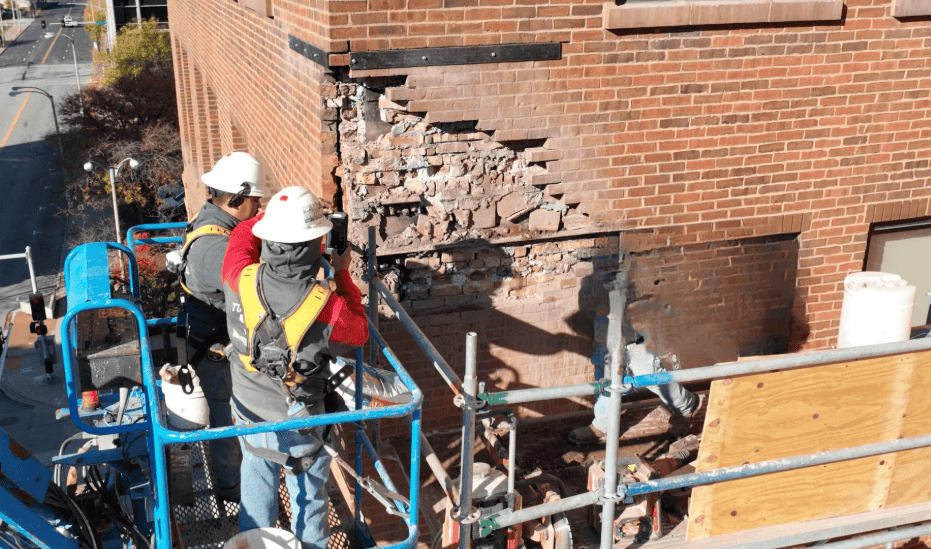
Cracked or Spalling Brickwork
Freeze-thaw cycles cause masonry to expand and contract, resulting in cracks or spalling (the flaking or chipping of masonry). This damages your building’s strength and poses safety risks.
Water Penetration
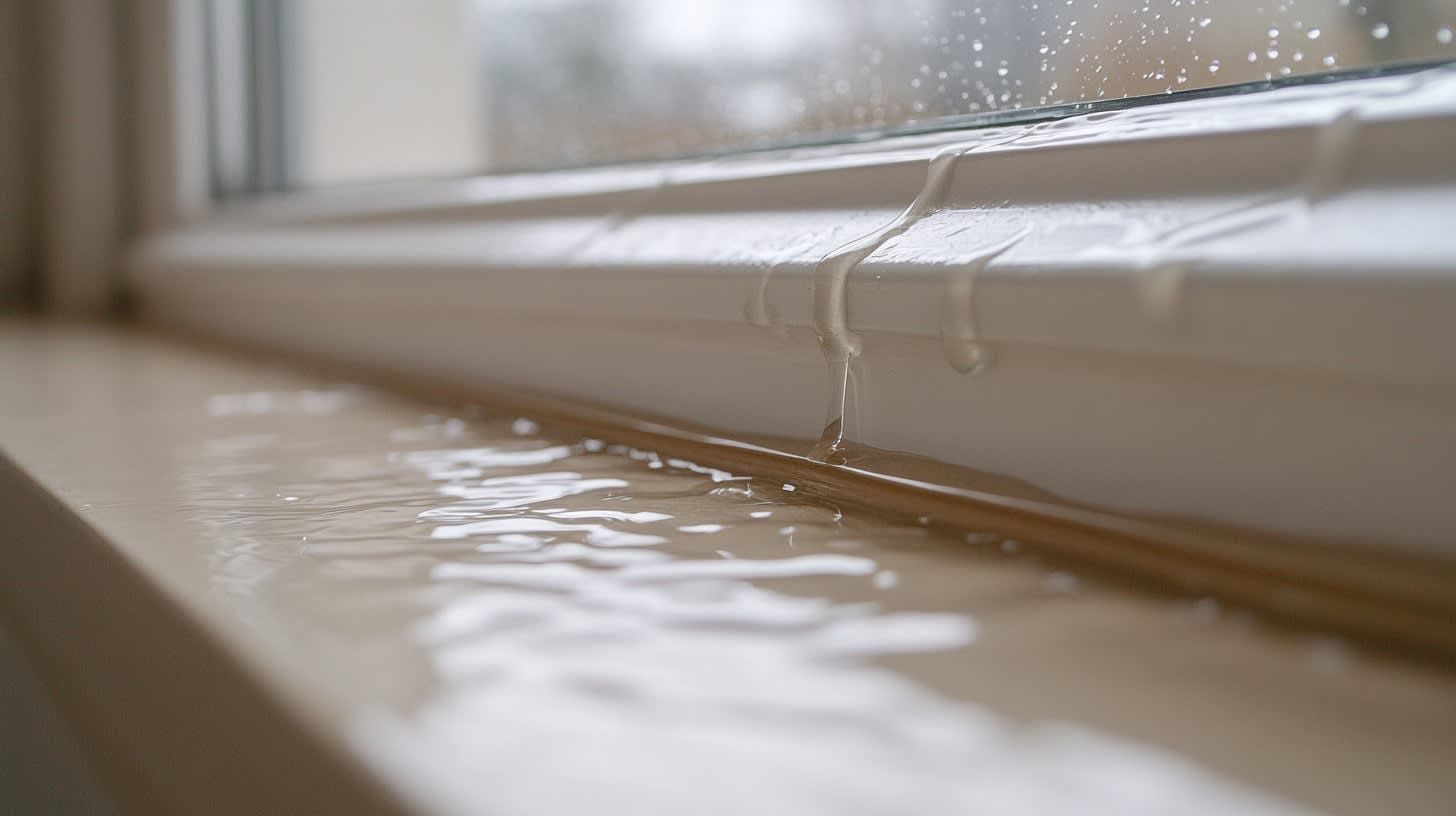
Aging mortar and poor drainage systems allow water to seep into the masonry, causing efflorescence, mold, and structural damage. Studies reveal that
85% of commercial buildings experience water damage at some point, and nearly half have active leaks.
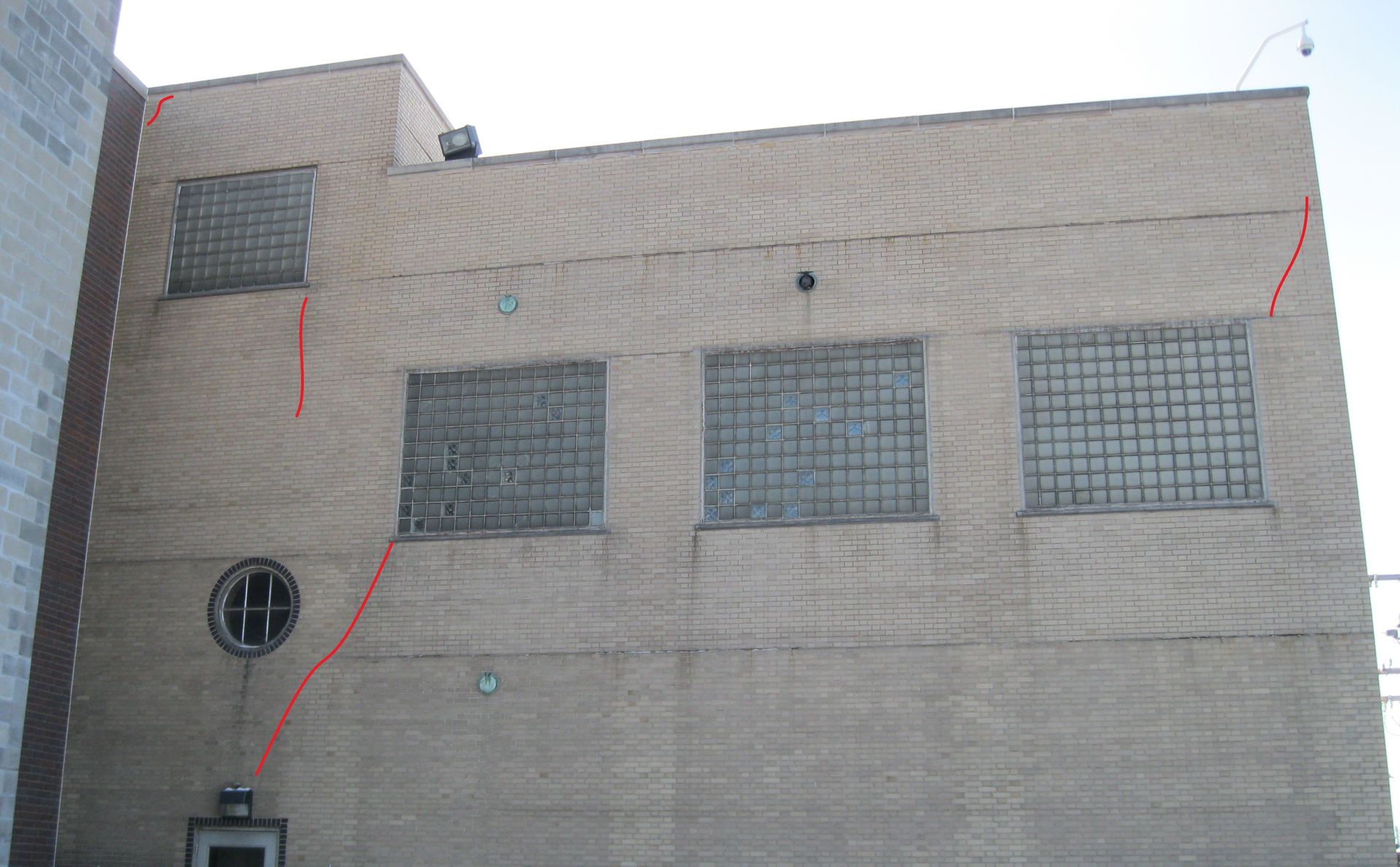
Bowed or Bulging Walls
Stress on your masonry walls can lead to bulging, a sign of foundational issues that require urgent attention.
Mortar Joint Deterioration
Mortar often erodes faster than bricks, weakening the bond between masonry units and threatening the overall stability of your building.
Chimney and Parapet Failures
These elevated structures face harsher environmental conditions, making them more prone to deterioration and collapse without proper maintenance.
The Value of Professional Masonry Inspections
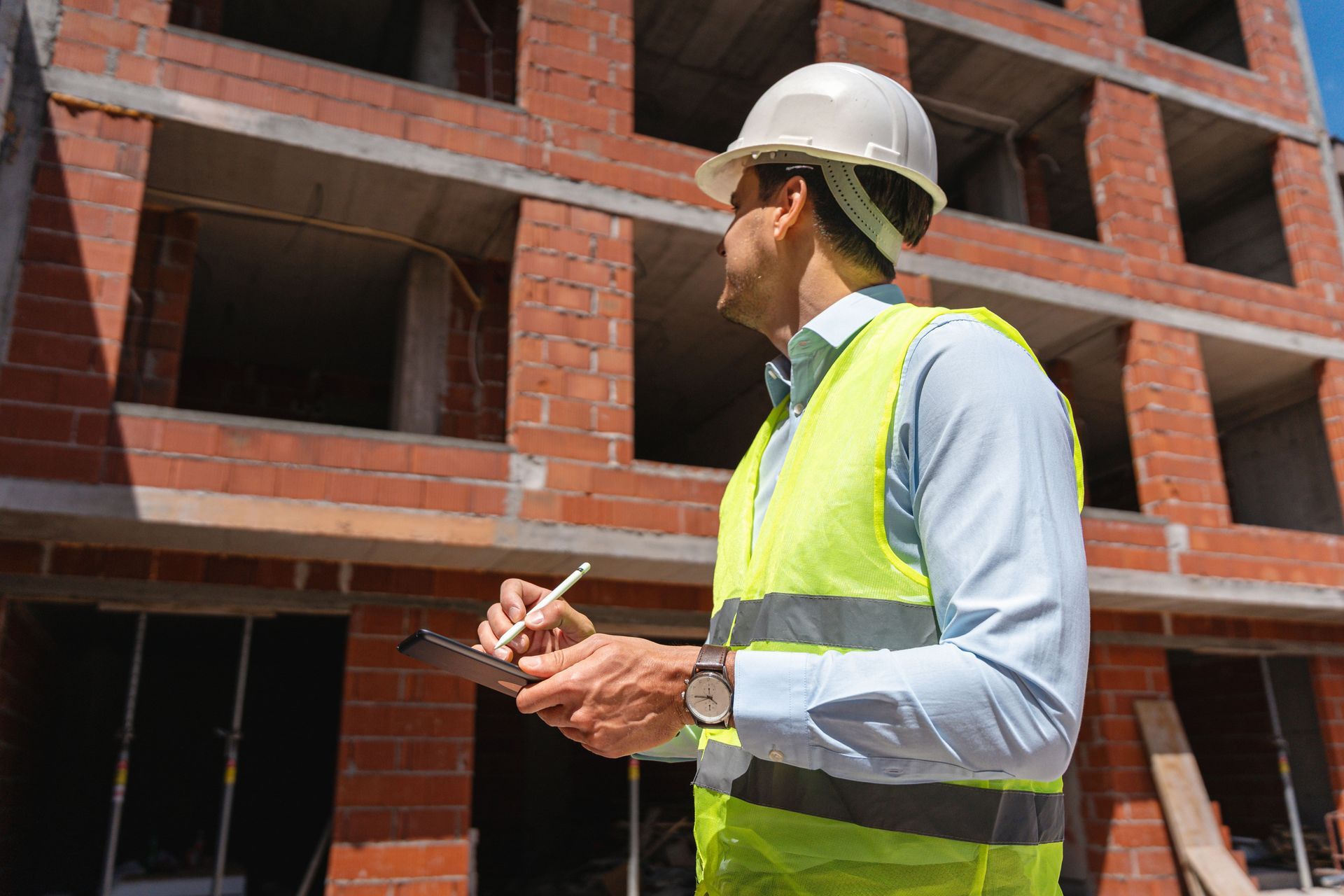
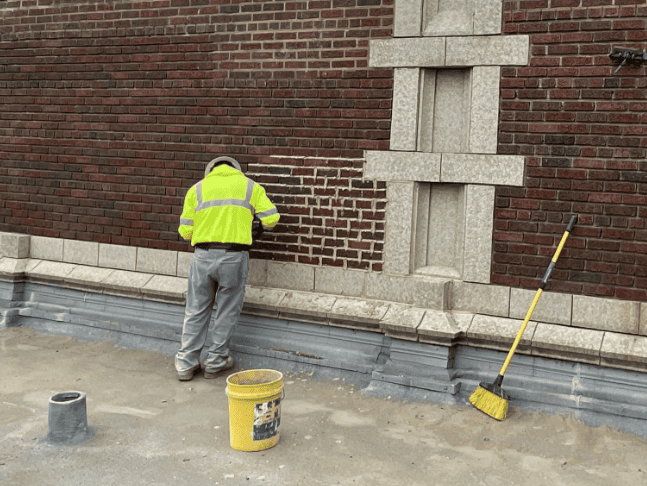
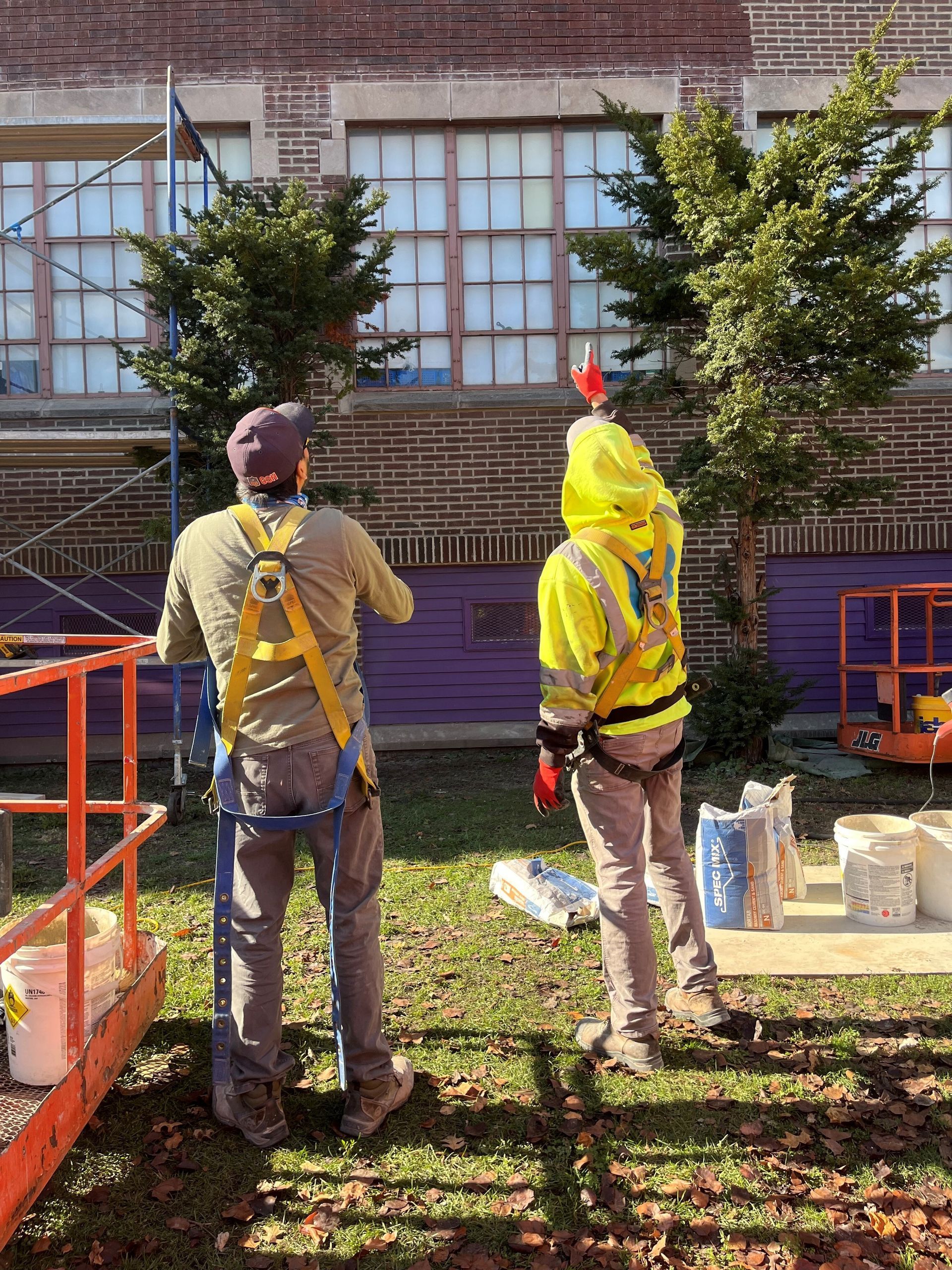
While visual inspections might catch obvious issues, a professional commercial masonry restoration contractor brings specialized tools and knowledge to make sure no problem goes unnoticed. Here’s what you should expect from a professional inspection:
Early Detection of Hidden Problems
Advanced technologies like infrared thermography and moisture meters allow professionals to identify issues like internal cracks and moisture ingress that aren’t visible to the naked eye.
Regulatory Compliance
Inspections ensure compliance with building codes and safety standards, minimizing legal and liability risks for property owners and project managers like yourself.
Cost-Efficient Maintenance
Proactive maintenance prevents minor issues from becoming costly repairs.
Studies show that deferred maintenance costs can compound at 7% annually, making routine inspections a smart financial strategy.
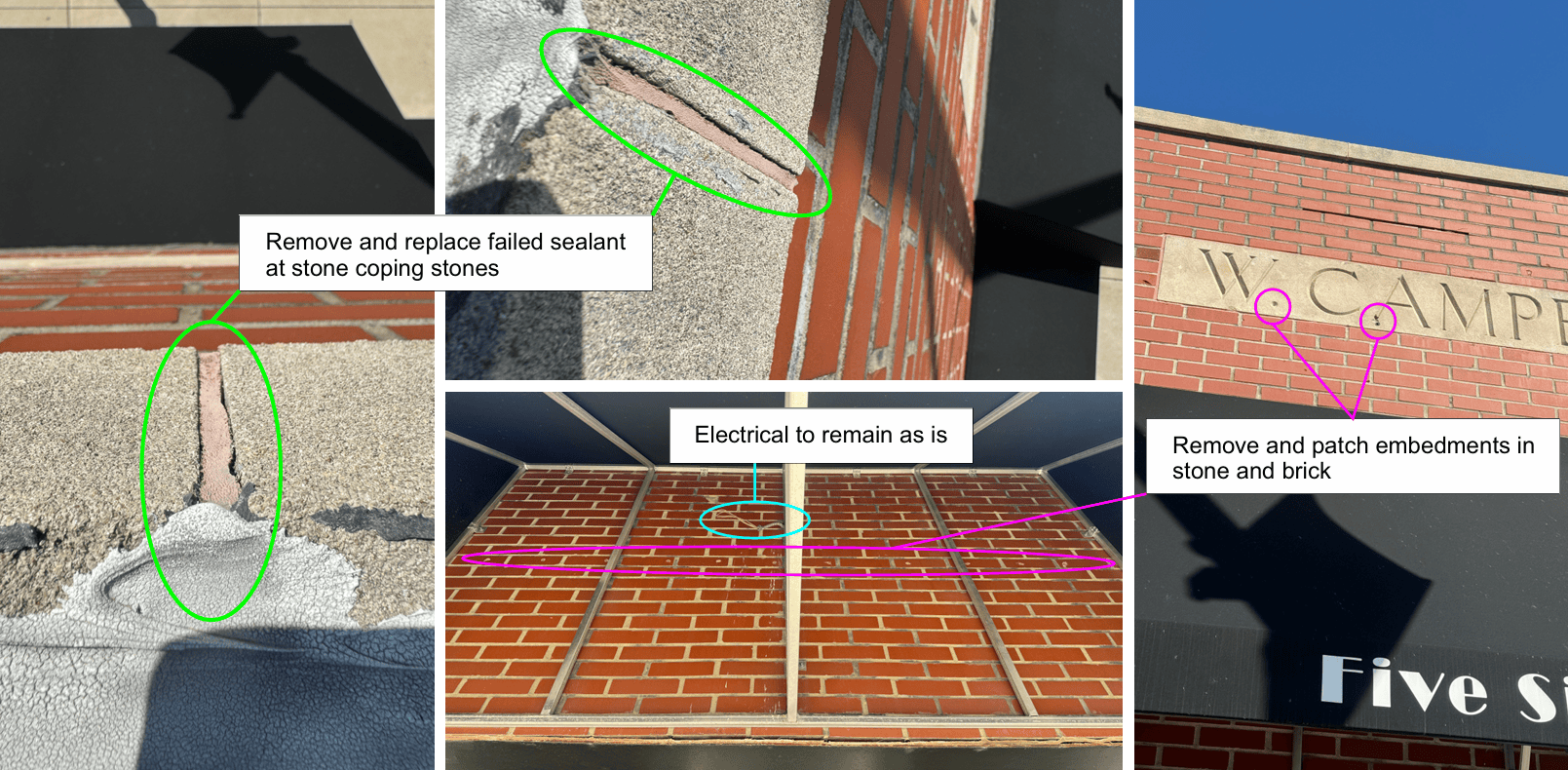
Solutions for Common Masonry Problems
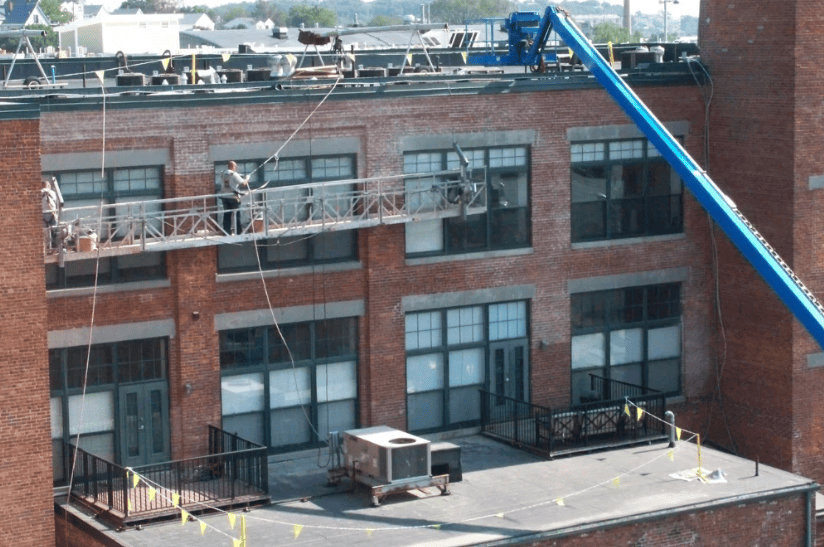
Once issues are identified, professional masonry restoration services can resolve them effectively, enhancing both the safety and the appearance of your property. Common solutions include:
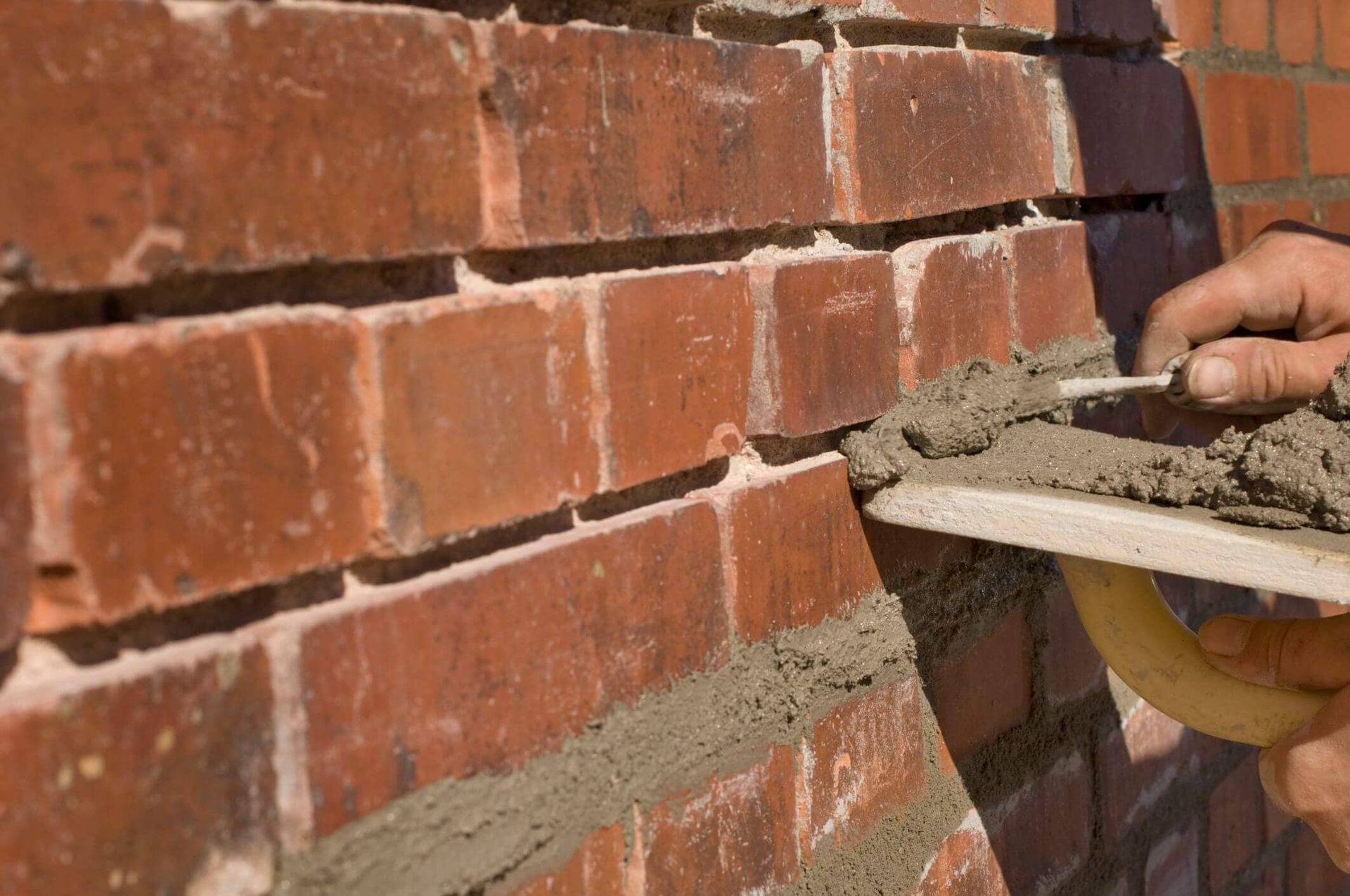
Tuckpointing and Repointing
Replacing deteriorated mortar to restore stability and improve appearance.
Brick Replacement
Substituting damaged bricks with durable, appearance-matching materials.
Waterproofing
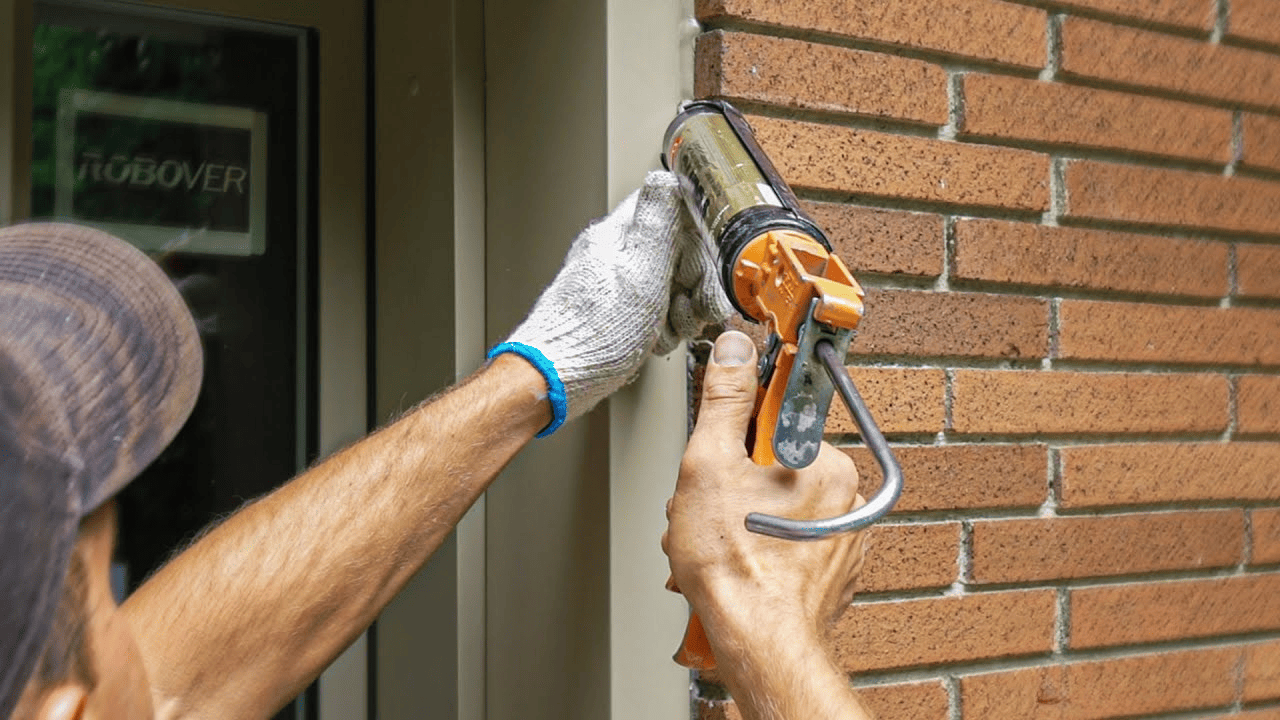
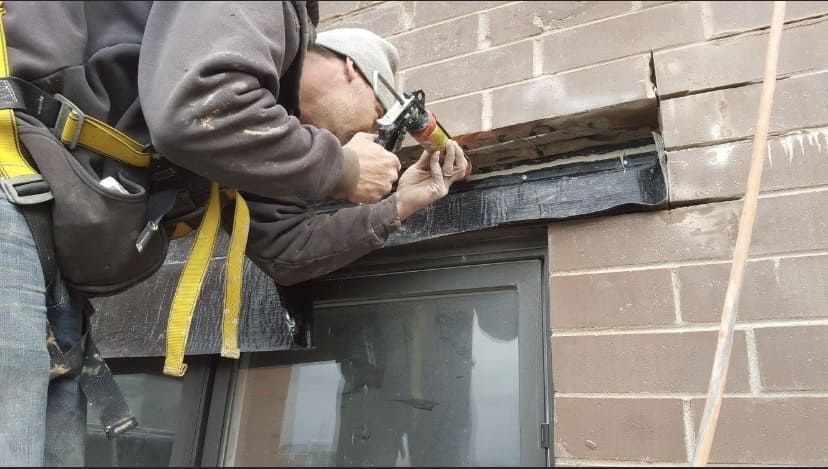
Applying advanced sealants to prevent future water intrusion and damage.
Structural Reinforcement
Using techniques like steel anchors to stabilize and strengthen masonry walls.
Chimney and Parapet Repairs
Restoring these vulnerable structures to meet safety codes and prevent collapse.
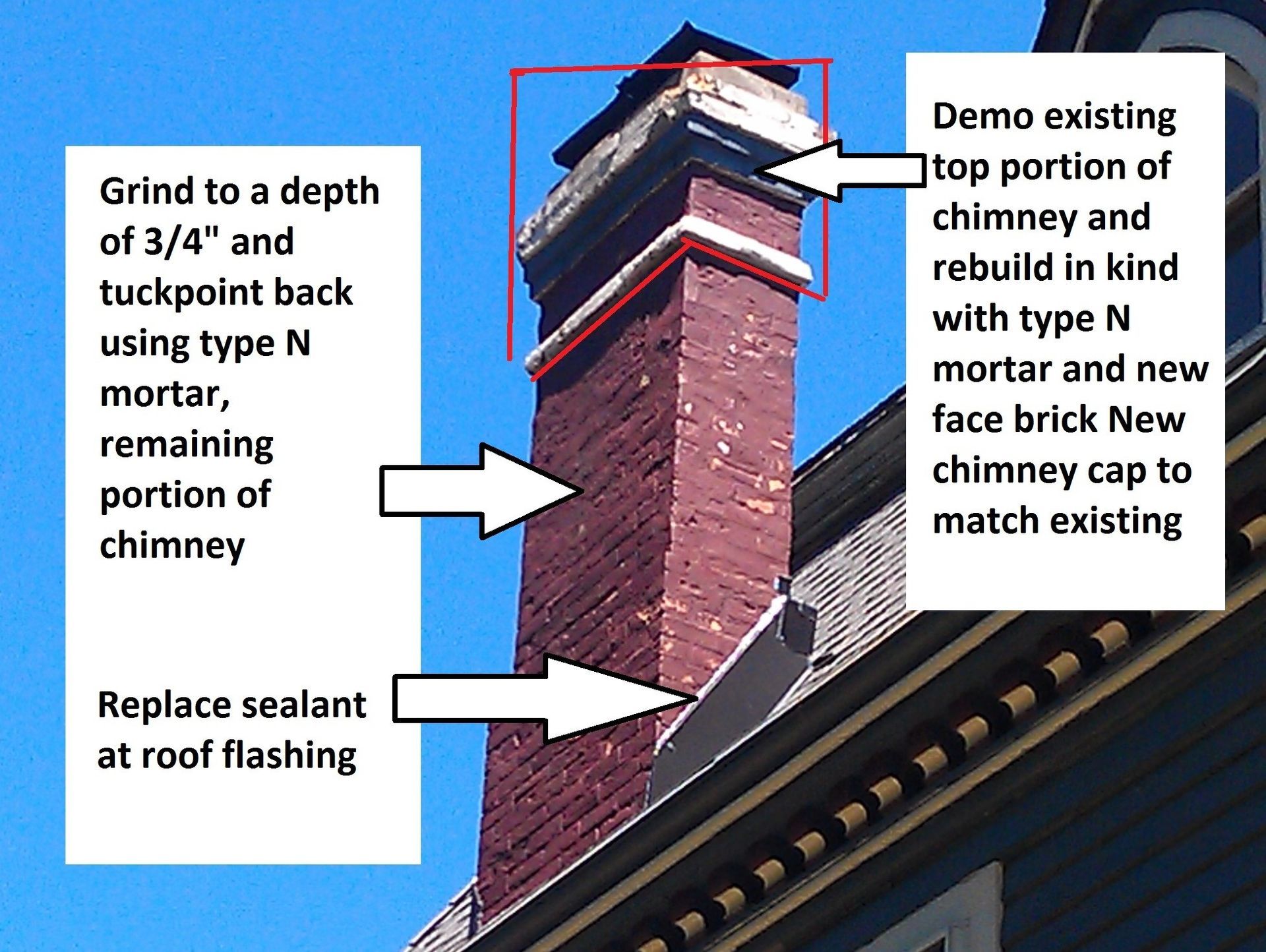
Why Regular Inspections Should Be Non-Negotiable
Regular masonry inspections help protect the people who live, work, or visit your building. In areas like Chicago, where freeze-thaw cycles and severe weather accelerates masonry restoration issues, timely evaluations are even more important.
By addressing masonry issues proactively, you:
- Extend the lifespan of your building.
- Maintain a professional and safe environment for occupants.
- Avoid unexpected repair costs and disruptions.
Partnering with Experts for Peace of Mind
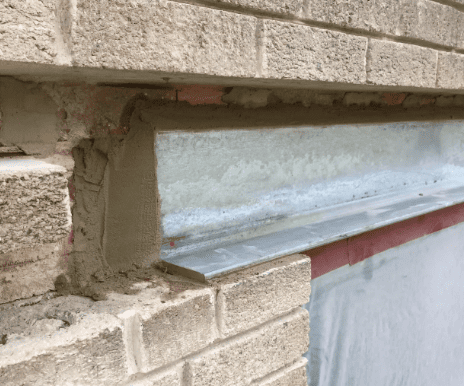
At RestoreWorks, we specialize in commercial masonry restoration and provide reliable solutions like tuckpointing, lintel replacement, and facade repairs. With a team of Union-trained professionals, we provide solutions that protect your building.
Contact RestoreWorks today for a free consultation and learn how our proactive masonry inspection and restoration services can benefit your building.