Masonry Restoration in Valparaiso: Porter County's 911 Central Communications Center Gets an Upgrade
Peter Merlo

In downtown Valparaiso, a historic government building that’s currently Porter County’s 911 Central Communications Center (formerly the Porter County Jail) was showing signs of water infiltration and masonry deterioration. Our team was brought in to assess the damage and execute a focused façade restoration. The building's location, age, and previous repairs all pointed to one core issue: failed water management at the window heads.


Pre-Construction Observations: Signs of Systemic Failure


From the very start, site conditions revealed several examples of what happens when critical envelope details fail:


  • A previous flashing repair had failed. Installation errors included loose fasteners, improperly sealed terminations, and missing components.
  • Corroding steel lintels, concealed behind the façade but exposed after brick removal.
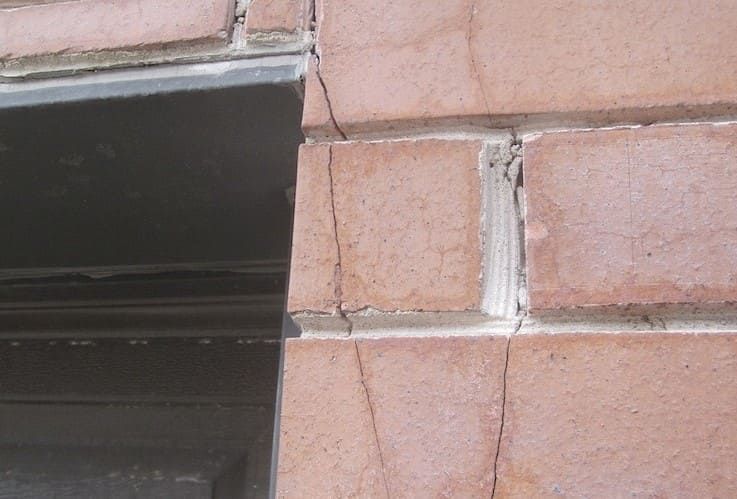
  • Cracking and detachment of perimeter sealants at window frames.


These deficiencies, captured in field photos before and during work, clearly showed how water had been entering the wall system and putting long-term durability at risk.
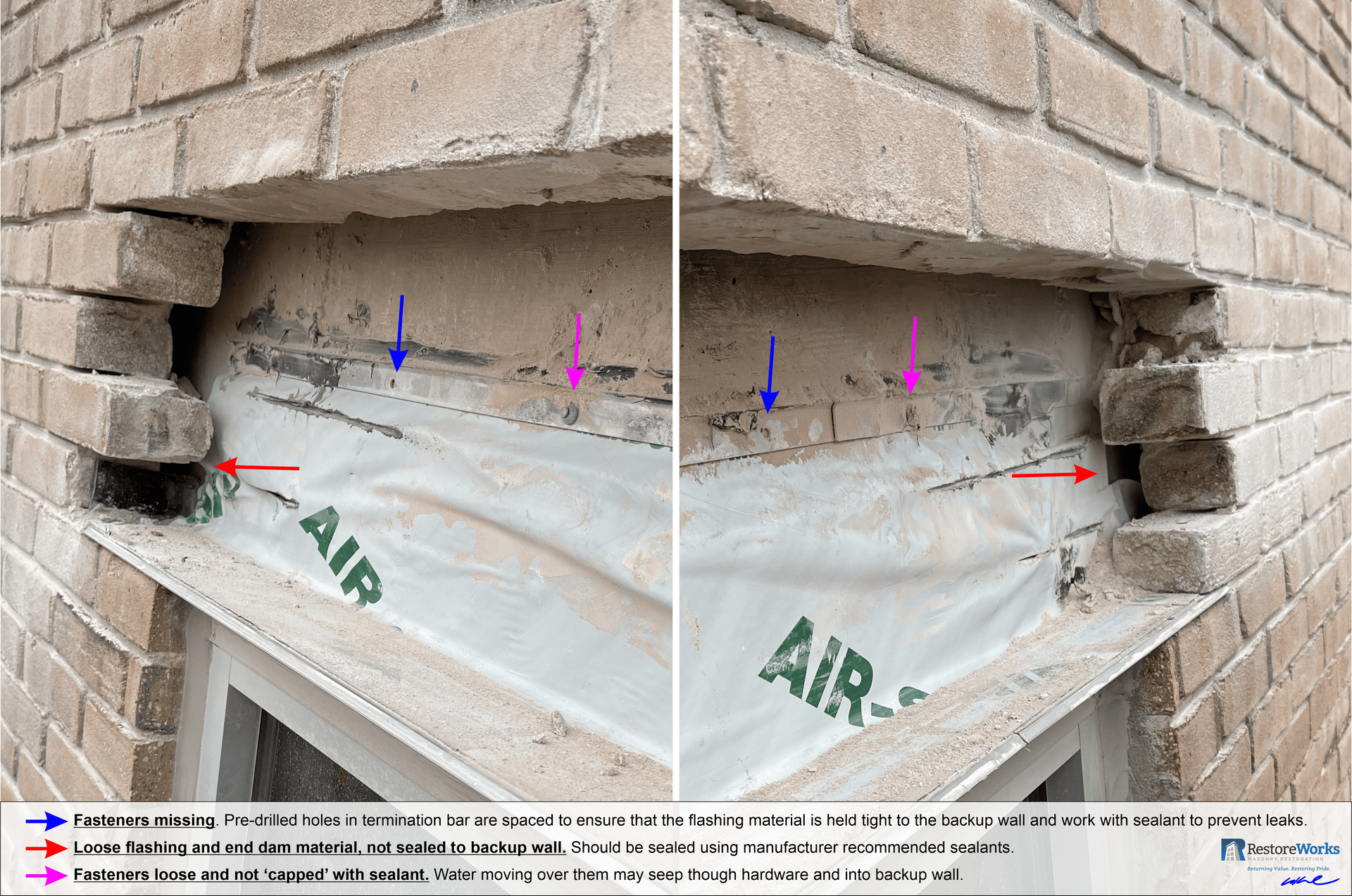

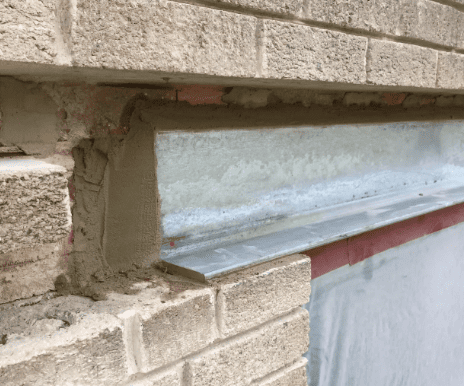
Exposed masonry wall showing common flashing installation failures, including missing fasteners, loose end dam not sealed to backup wall, and hardware lacking protective sealant—issues contributing to potential water intrusion behind brick veneer.


What We Did: Restoring Lintels, Flashing, and Façade Integrity


The project focused on 39 window and door openings on the building’s east wing. We addressed 36 window lintels and three door lintels (346 linear feet total) with the following scope:


1. Steel Lintel Preparation


  • Brick was removed in 4-course heights to expose the lintels.
  • Rust and loose material were wire-brushed or ground off as needed.
  • We prepped all existing steel, removed loose/flaking rust, cleaned with denatured alcohol, and then painted with a zinc-rich primer to prevent future corrosion.
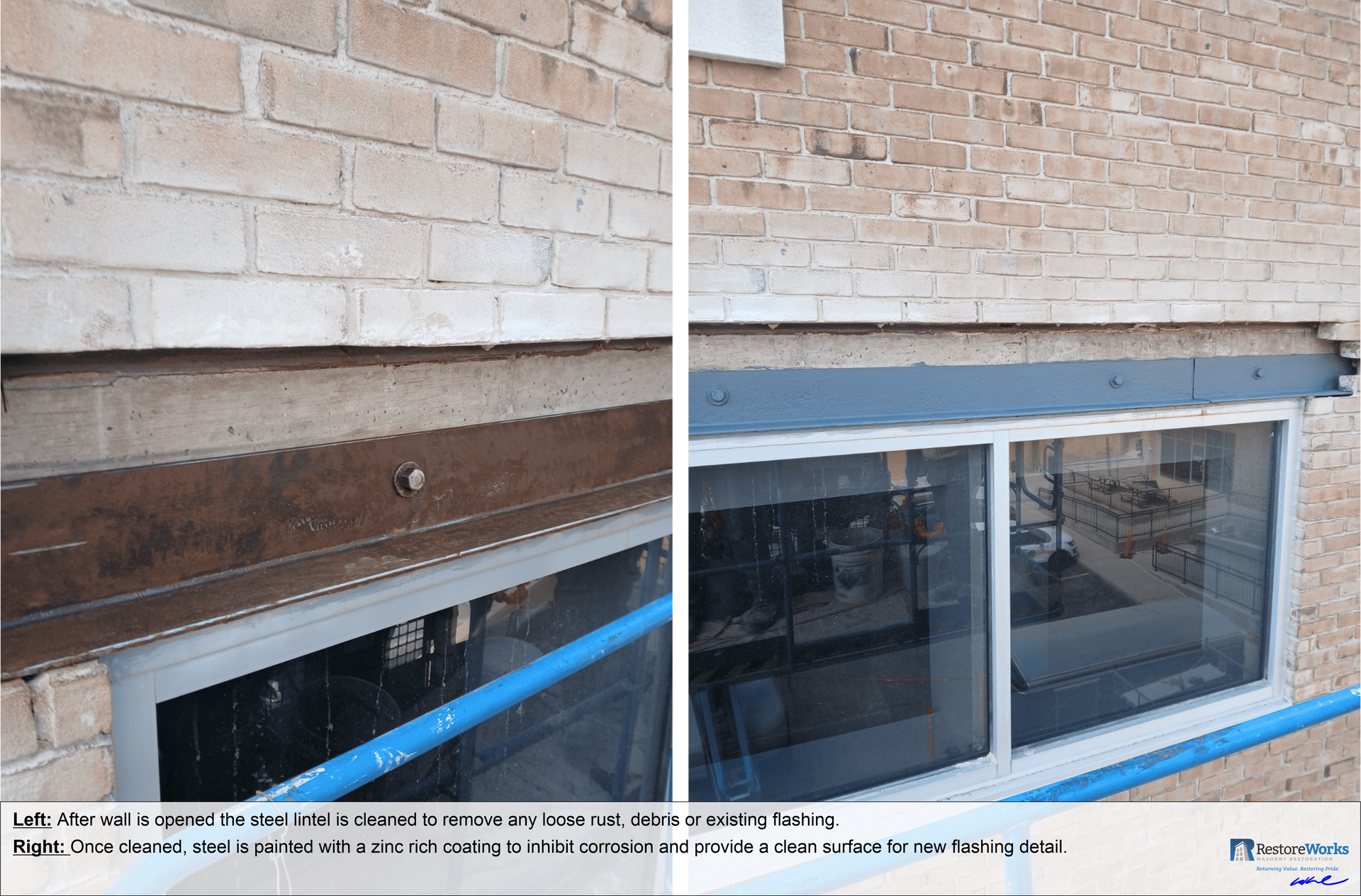

Side-by-side view of steel lintel restoration on a brick façade. Left image shows exposed steel lintel with surface rust and debris after masonry removal. Right image shows lintel cleaned and coated with zinc-rich primer to prevent corrosion and prepare for new flashing installation.


2. Flashing System Installation


We installed TotalFlash Panels by Keene Building Products, a pre-assembled system that includes:


  • EPDM flashing membrane
  • Stainless steel drip edge
  • Integral weeps and preformed rubber end dams (39 left/right pairs)
  • PVC termination bar
  • BTL-1 Butyl Sealant (100+ tubes used) for adhesion and air/moisture sealing
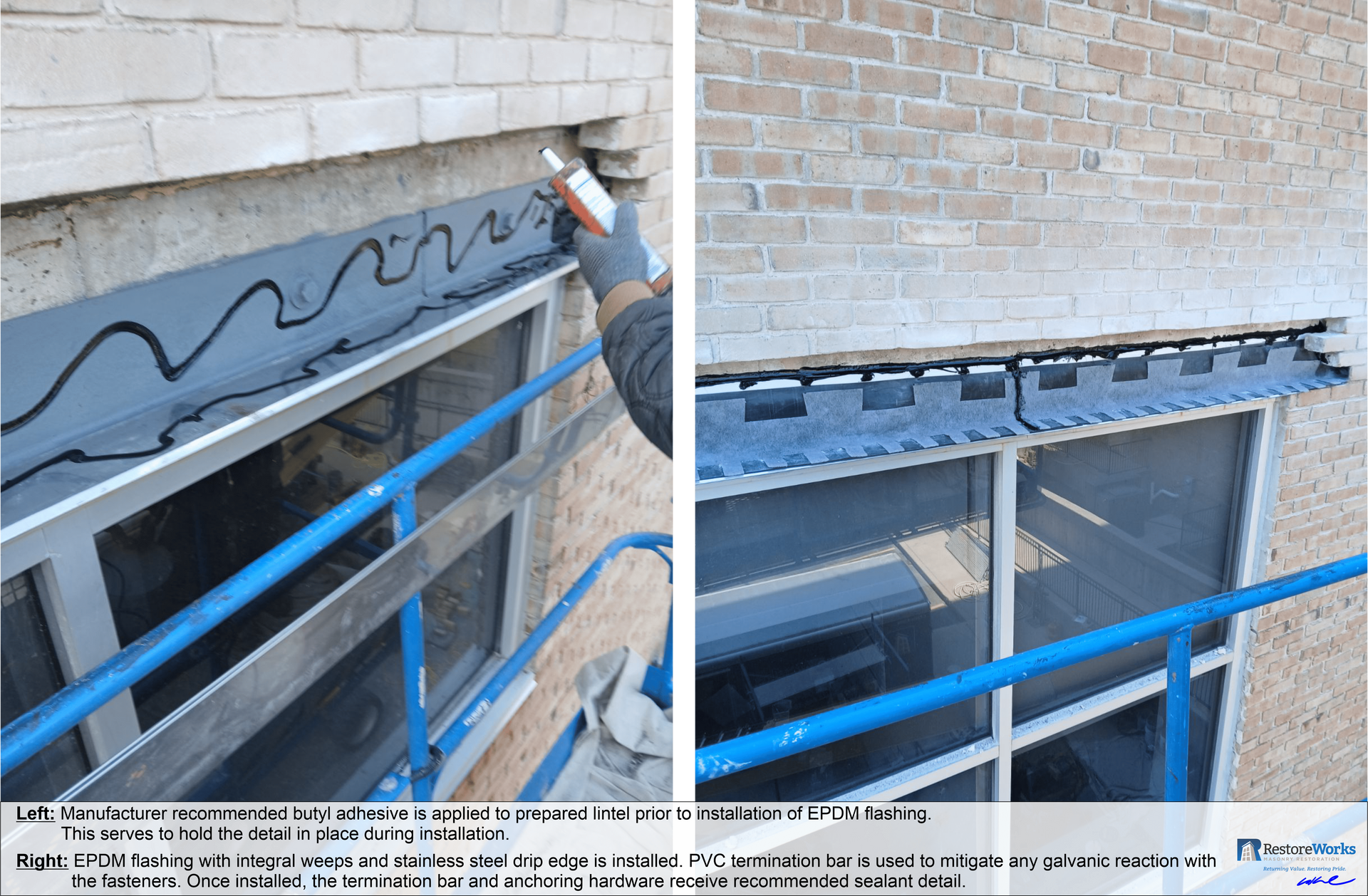


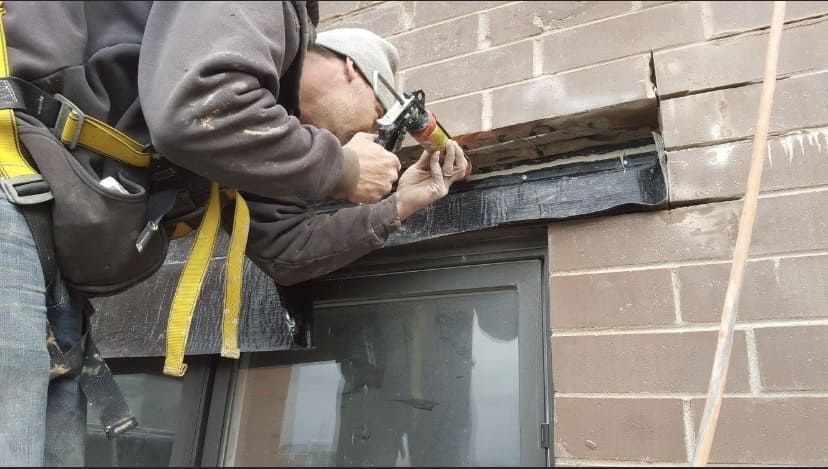
Split image of flashing installation process on steel lintel. Left side shows butyl sealant applied to primed lintel surface to secure EPDM flashing. Right side displays installed EPDM flashing with stainless steel drip edge and weeps, sealed termination bar, and fasteners per manufacturer specifications.


3. Masonry Reconstruction


  • Salvaged brick was reset to match original layout.
  • Sourced matching brick to replace any damaged ones. (Via Crown Brick)
  • Joints were repointed using  SpecMix MC-04 and cleaned using Prosoco 600, a proven masonry detergent.
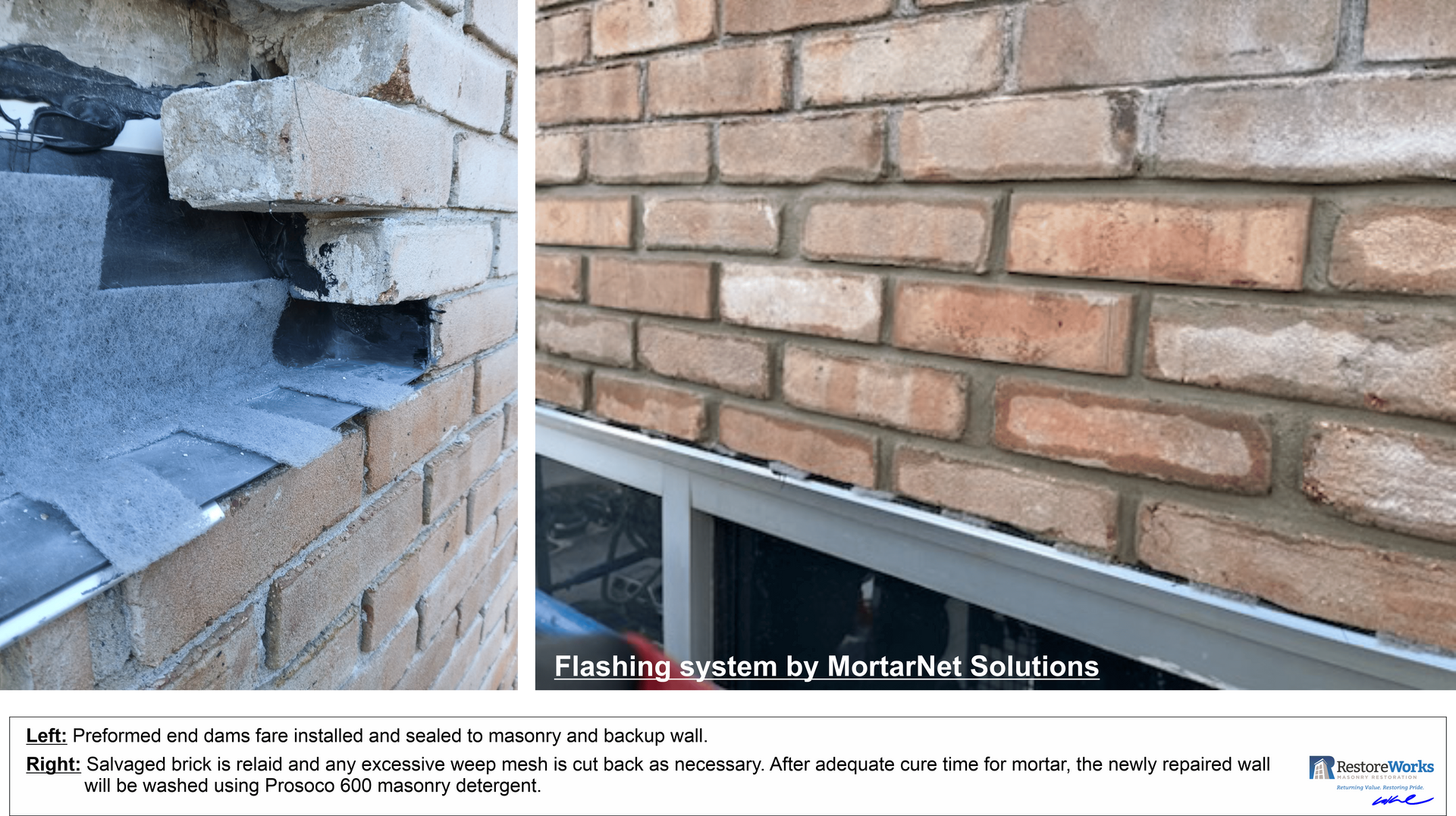

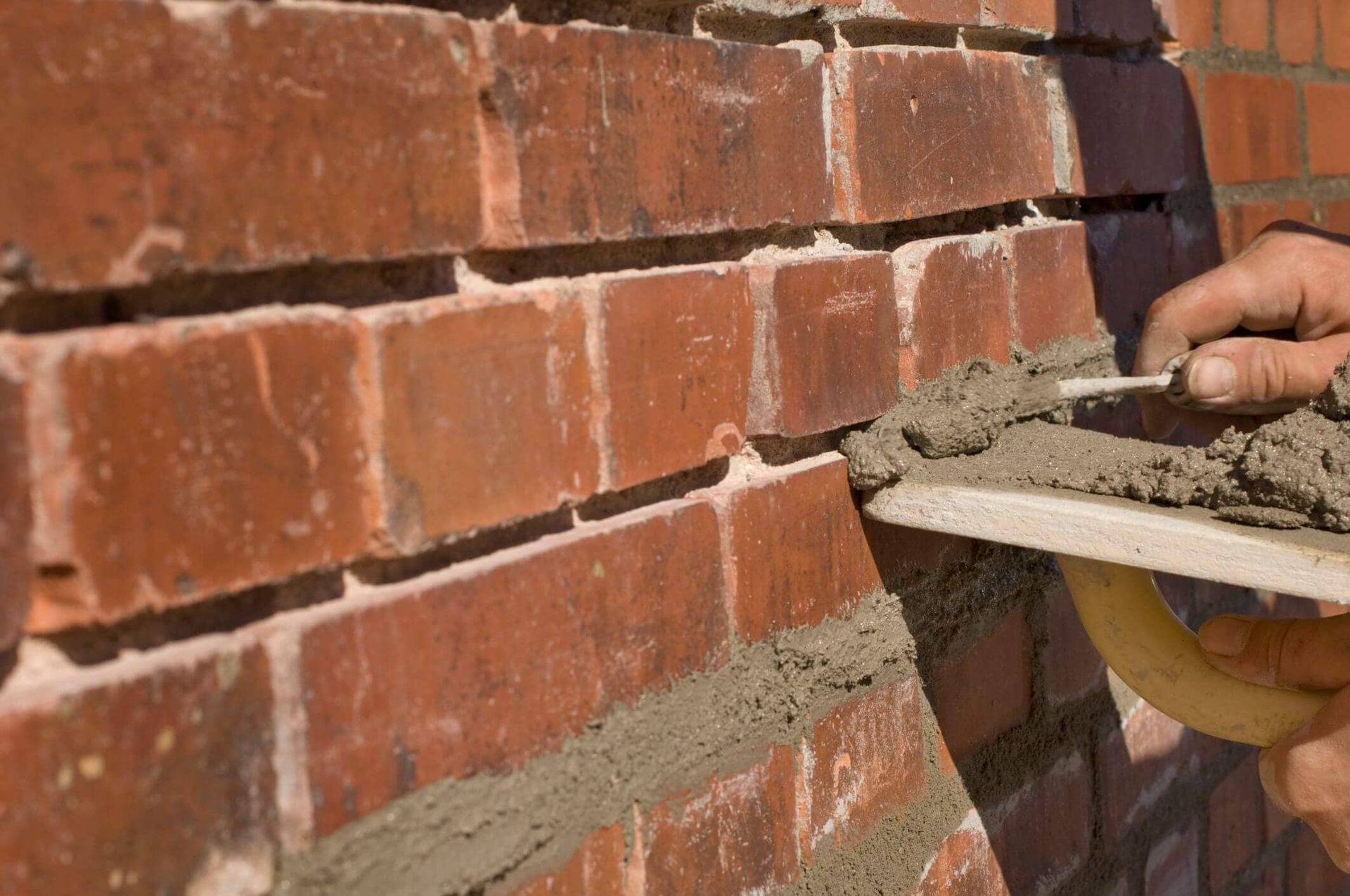
Side-by-side image showing brick wall restoration with MortarNet Solutions flashing system. Left: Preformed end dams and EPDM flashing sealed to backup wall. Right: Salvaged brick reinstalled and façade cleaned with Prosoco 600, revealing a uniform, restored masonry surface.


4. Sealant Replacement


  • Over 663 linear feet of perimeter sealant was removed and replaced using DOWSIL 795 silicone in gray.
  • While performing the work, we identified two failing masonry control joints and replaced them at no additional cost.
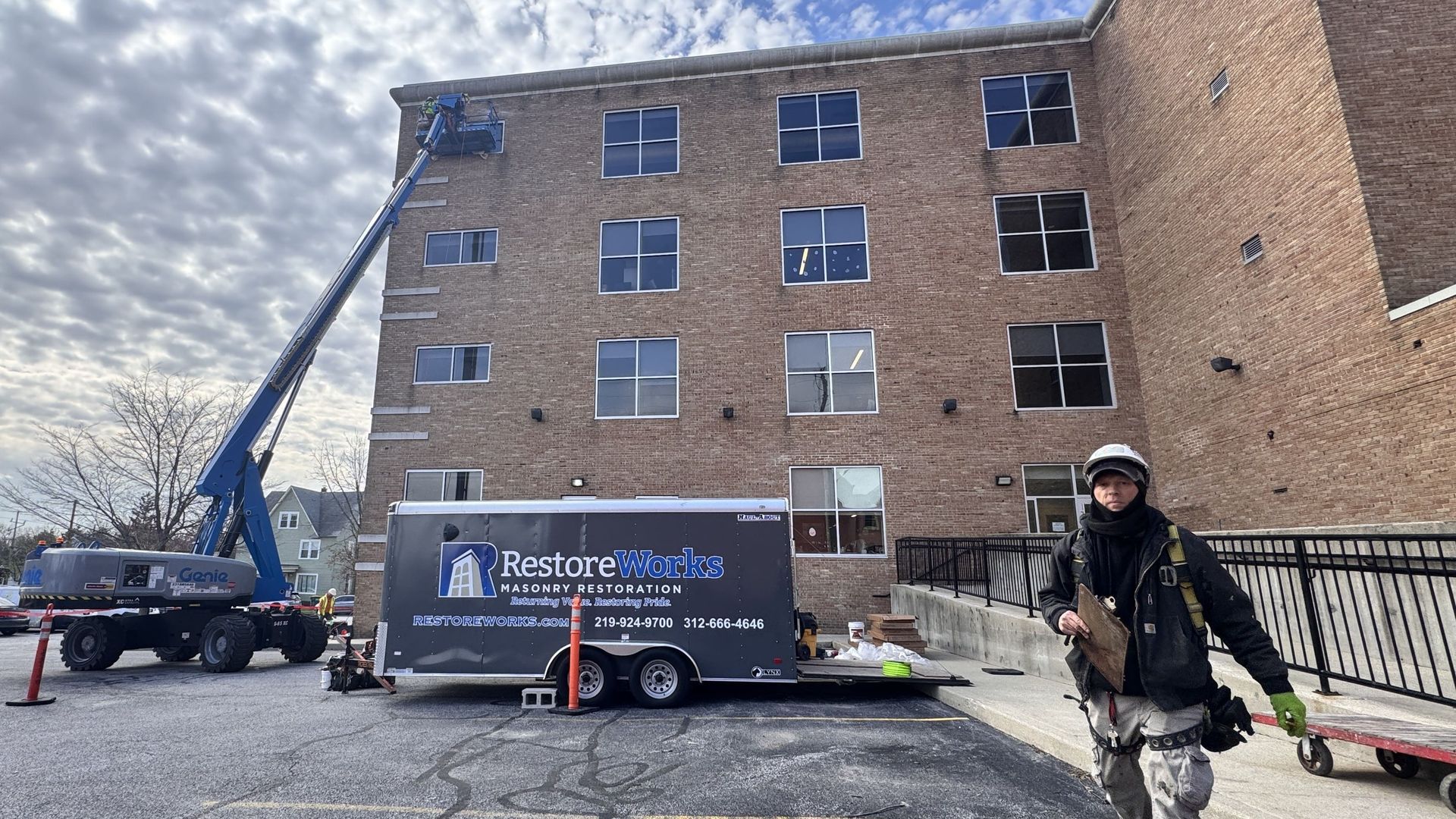

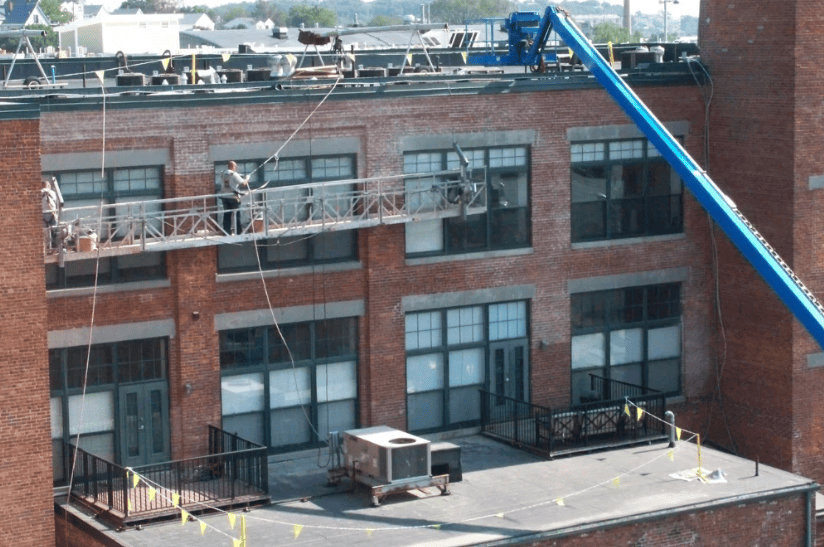
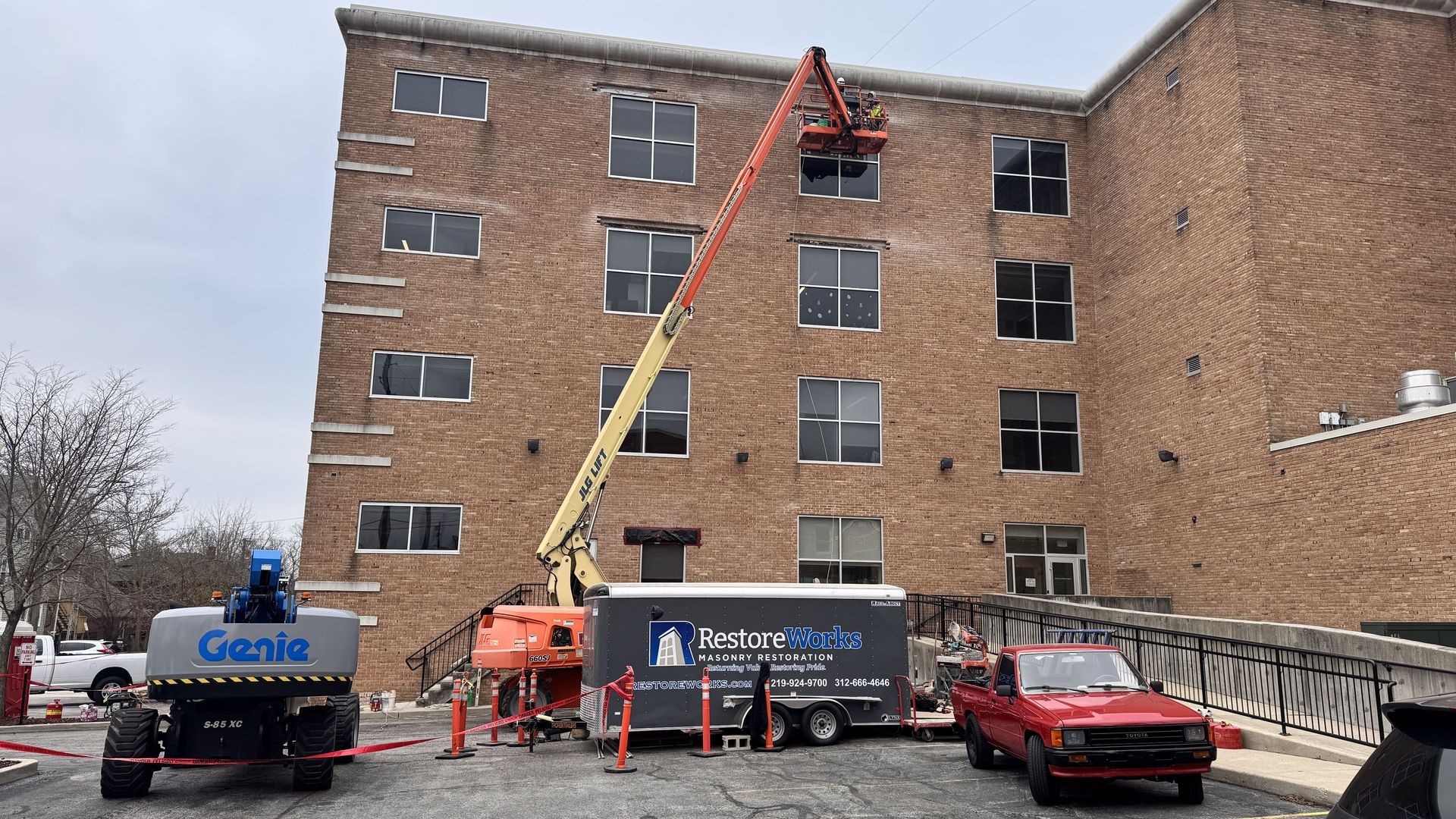
Wide view of east elevation during commercial sealant replacement project. RestoreWorks crew uses boom lift to access window perimeters and apply DOWSIL 795 sealant to over 663 linear feet of masonry-to-window joints on multi-story brick façade.


Project Impact


This was a textbook example of what happens when a building’s water control layers are compromised, and how targeted building envelope restoration can solve the problem without full replacement or major disruption.


The work restored drainage functionality, protected structural components, and preserved the original look of a historically significant building still in civic use.


Material Highlights


System/Material Application Supplier
TotalFlash Panels Integrated flashing system Keene Building Products
BTL-1 Butyl Sealant Flashing adhesion and air sealing Keene Building Products
DOWSIL 795 Silicone Window and door perimeter sealant Dow
Prosoco 600 Final masonry cleaning Prosoco
SpecMix MC-04 Brick was rebuilt SpecMix

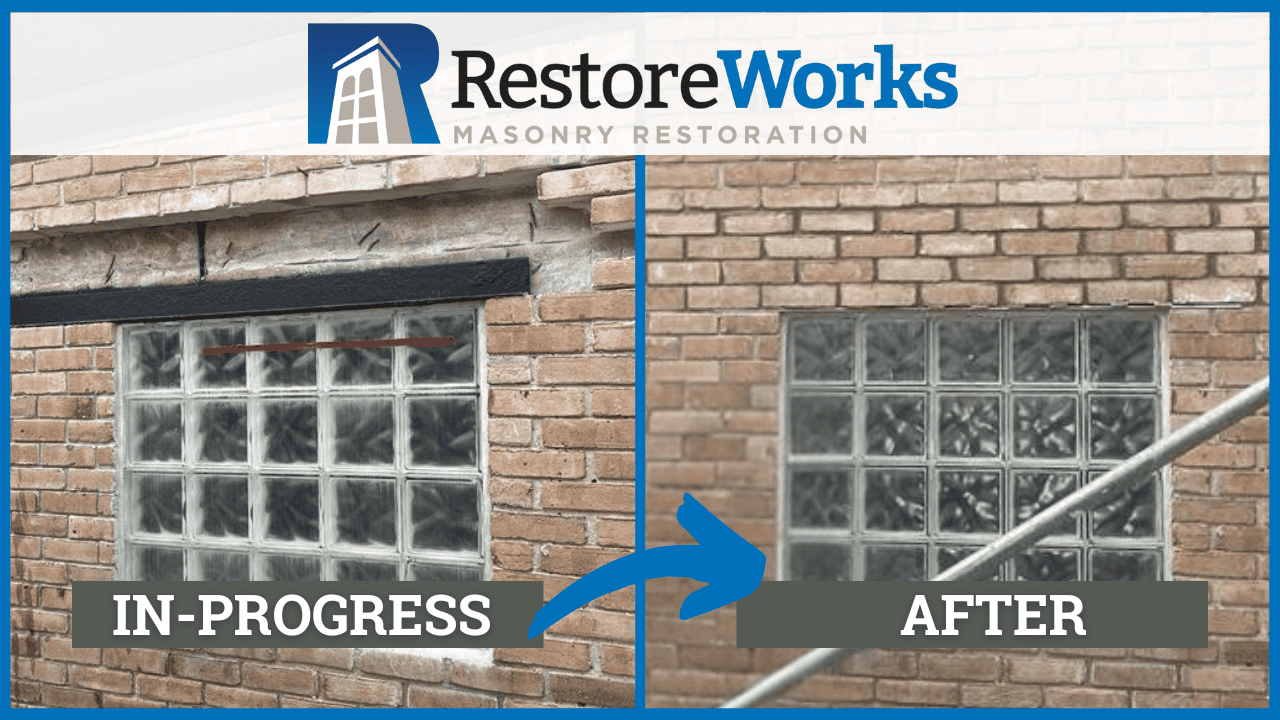
Before-and-after comparison of masonry reconstruction around glass block window. Left shows in-progress flashing and brick repair; right shows completed brickwork reset and blended to match existing façade for seamless restoration.


Looking Ahead


Restoration work like this is becoming more common across Valparaiso, Porter County, and Northwest Indiana, especially as older buildings transition to new uses. By correcting failed detailing from past repairs and installing proven systems from trusted manufacturers like Keene Building Products, we helped make sure this building’s next chapter is built on a solid foundation.


Beyond performance, the products by Keene Building Products streamlined the entire restoration process. With everything included on a single submittal sheet (membranes, drip edges, end dams, termination bars, and compatible sealants), the system was easy to order, install, and use in the field. That simplicity helped our team maintain consistency across all openings and meet project deadlines without delays or product coordination issues.
Construction site covered in white tarp, surrounded by snow, with gray cinder block wall on the left.
By Peter Merlo February 25, 2026
Concrete repair in winter is possible in Chicago, but not all repairs should move forward. Learn what can be done safely and what should wait.
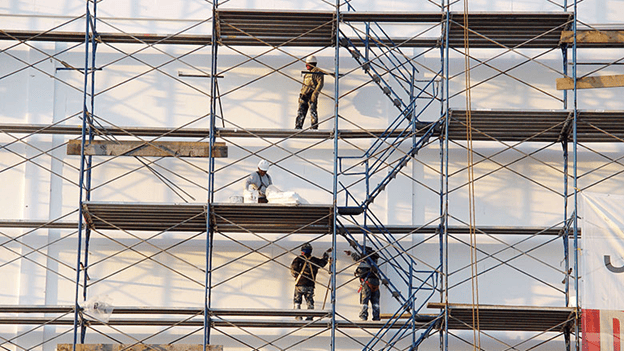
Brick building with metal scaffolding above windows, against a blue sky.
By Peter Merlo February 17, 2026
Use this checklist to choose a masonry restoration contractor for 2026 projects, with guidance on experience, risk, and Chicago-area building conditions.
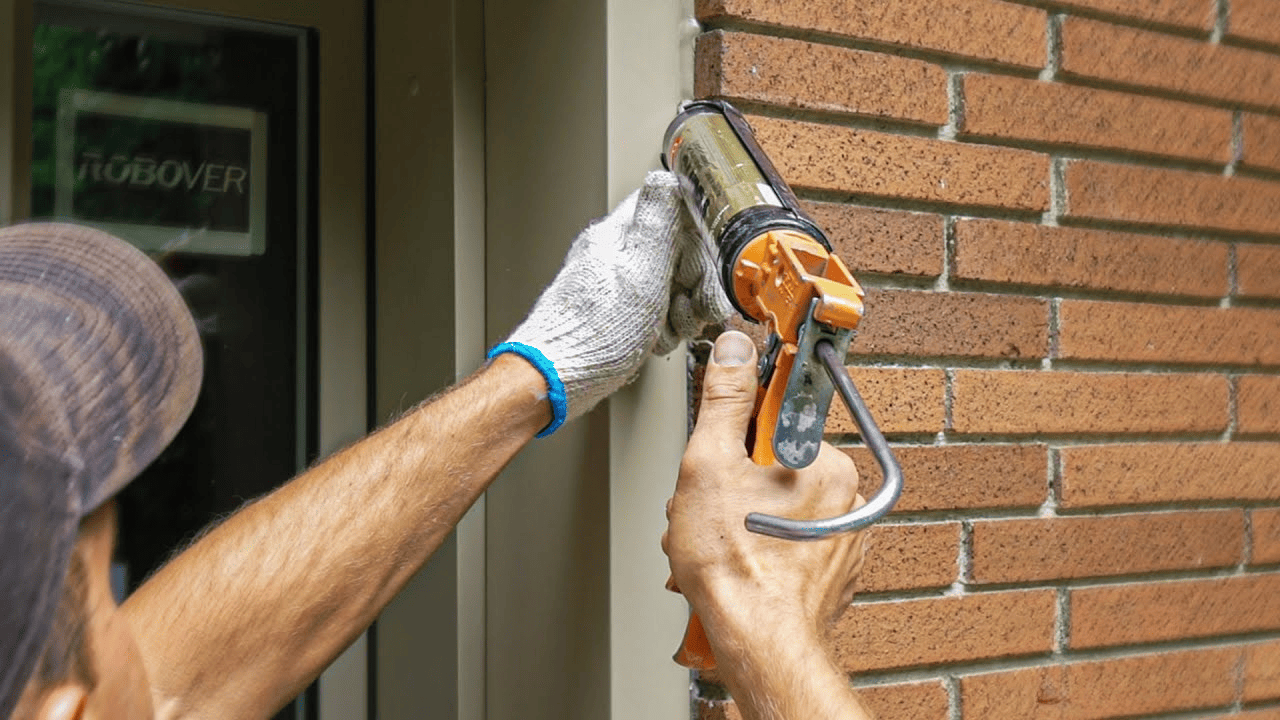
Close-up of a window frame sealed to red brick exterior. Gray caulk seals the edges.
By Peter Merlo February 11, 2026
Failed sealant is a common cause of moisture intrusion in Chicago buildings. Learn how water enters, key warning signs, and when to call a caulking contractor.
Workers on a suspended platform cleaning the facade of a tall, curved building
By Peter Merlo February 4, 2026
Building envelope maintenance before spring helps Chicago buildings prevent water intrusion, freeze–thaw damage, and costly emergency repairs.
Cracked brick masonry above window showing steel lintel failure and structural movement
By Peter Merlo January 28, 2026
Learn the key signs of lintel failure during freezing conditions and how Chicago’s climate accelerates damage. Protect your building with early detection.
Broken brick chimney that is in need of emergency masonry repairs.
By Peter Merlo January 21, 2026
Learn how to handle emergency masonry repairs in Chicago. Protect your building, control costs, and prevent long-term structural damage.
Winter weather exposing hidden masonry damage on masonry and concrete.
By Peter Merlo January 14, 2026
Learn how winter weather exposes hidden masonry damage and what Chicago property managers can do to protect buildings before issues escalate.
RestoreWorks CEO presenting restorative masonry cleaning methods at SWR Institute Fall Tech Meeting
By Peter Merlo January 7, 2026
A practical, field-tested guide to restorative masonry cleaning, helping architects, engineers, and GCs choose methods that protect historic façades.
Rope access crew sealing the Crystal Garden glass dome at Navy Pier.
By Peter Merlo December 24, 2025
Explore how RestoreWorks restored Navy Pier, Tribune Tower, and the Chicago Athletic Association with expert masonry restoration and preservation techniques.
Illustration of sustainable buildings representing improved energy efficiency.
By Peter Merlo December 17, 2025
Improve energy efficiency in aging masonry buildings with tuckpointing, lintel repair, and facade upgrades. Reduce air leaks and lower energy costs today.