Reviving the Grandeur: Terra Cotta Restoration for Buildings
Terra cotta restoration is a complex and delicate process, but one we are passionate about at RestoreWorks. Historic terra cotta buildings are found throughout the country, from New York to Buffalo, Portland and, of course, Chicago. RestoreWorks is honored to have restored terra cotta on some of the most iconic buildings in Chicagoland.
We cataloged, removed, replicated and re-installed the terra cotta decorative elements of a bell tower at the Indiana School for the Blind and Visually Impaired. RestoreWorks also restoratively cleaned the signature white terra cotta exterior of the Wrigley Building. We specialize in commercial masonry restoration services and excel at making older buildings look historically accurate. In this article, we learn about the history of terra cotta stone and the terra cotta services offered by RestoreWorks.
Learn About The History of Terra Cotta Stone
Preservation Chicago states that the history of terra cotta can be traced back to the ancient civilizations of Egypt, Greece, and China when it was used in pottery and sculpture. Its use as a building material in Chicago started after the Great Chicago Fire of 1871, which destroyed thousands of buildings. During the rebuilding process, people used fireproof brick and stone cladding, but stone ornaments were expensive, and terra cotta was an affordable alternative. The material was fireproof, lightweight and could be molded into unlimited variations. It was also easy to produce in any color, pattern or texture.
Chicago’s terra cotta buildings were mostly built between the 1880s and 1920s. The period is referred to as the Chicago School of
Architecture, the Early Chicago Skyscrapers, or the Chicago Commercial Style.
Knowing Different Types of Terra Cotta Stone
Terra cotta means “baked earth” in Italian and Latin. It generally consists of sand and dense, refined clay-based materials that are pressed and fired to create terra cotta. However, grog is added to the mix to manufacture architectural terra cotta. Grog is previously fired clay pieces serving as an aggregate to limit shrinkage in larger units and stabilize the clay materials. The different types of terra cotta are:
- Architectural terra cotta
- Hollow clay tile
- Guastavino tiles
- Roof and coping tiles
- Interior tile
Decorative Guastavino tiles and architectural terra cotta are finished with a matt, high gloss, or slip finish glaze and are available in various designs and colors. Structural Guastavino tiles and hollow clay tiles are unfinished. Architectural terra cotta was originally used for full façade cladding systems anchored to a steel frame structure with infill walls.
Professional Terra Cotta Restoration Process
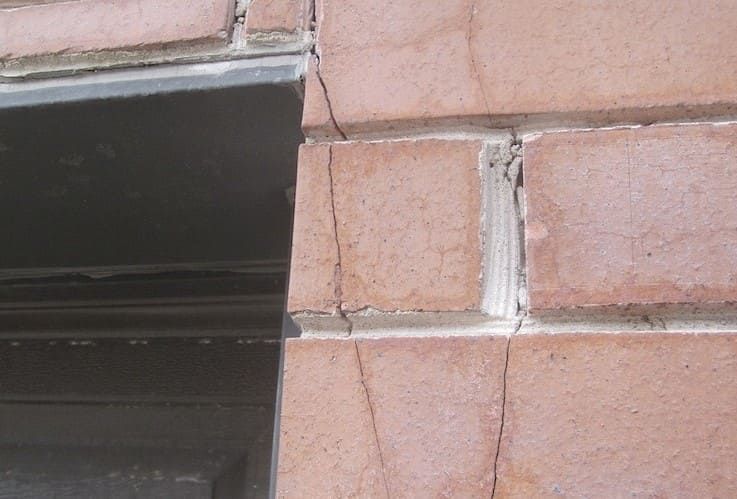
The terra cotta restoration process prioritizes repairs based on the structure’s condition and the project scope. Older terra cotta installations on historic and iconic buildings are not as waterproof as initially believed, leading to visible and structural deterioration.
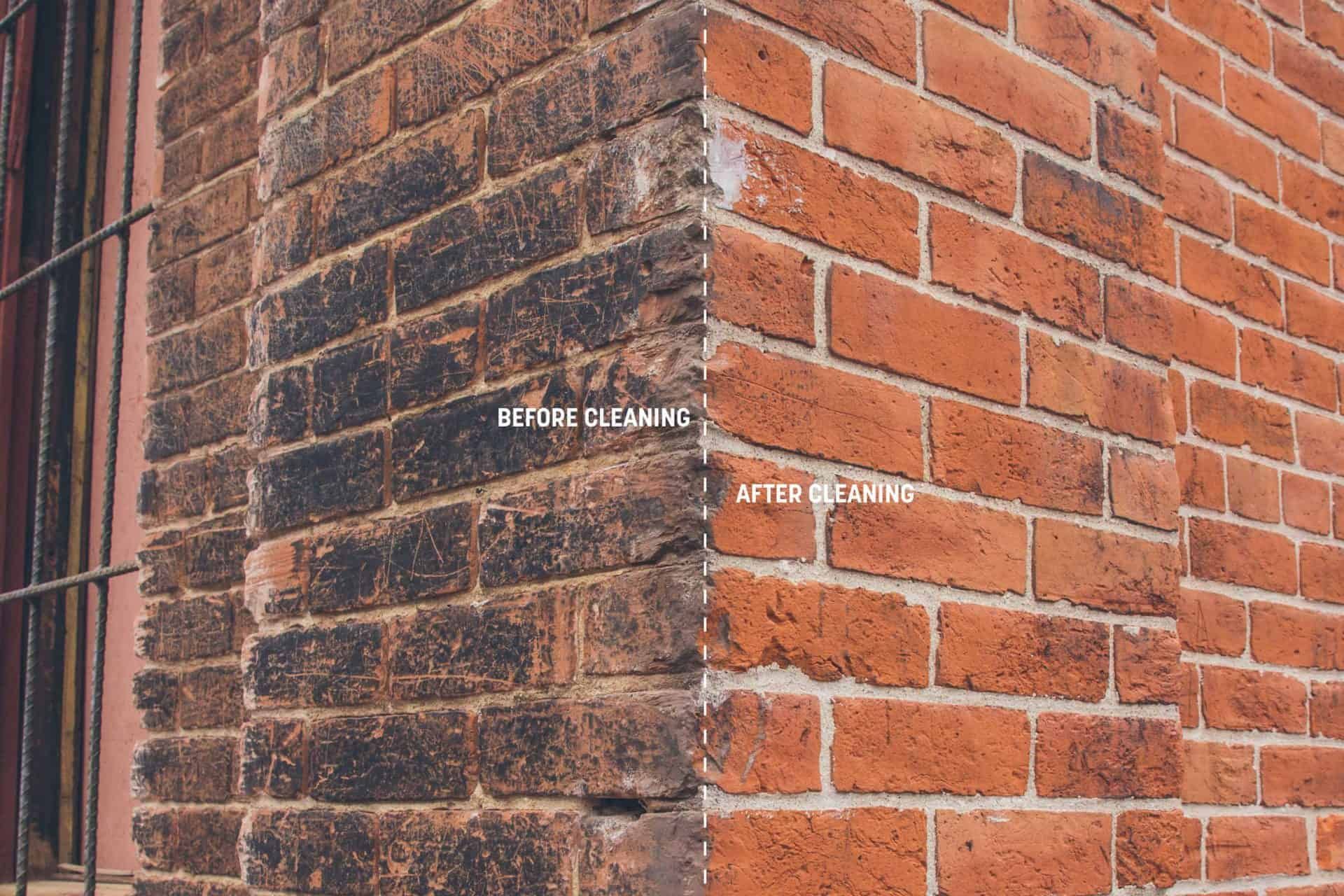
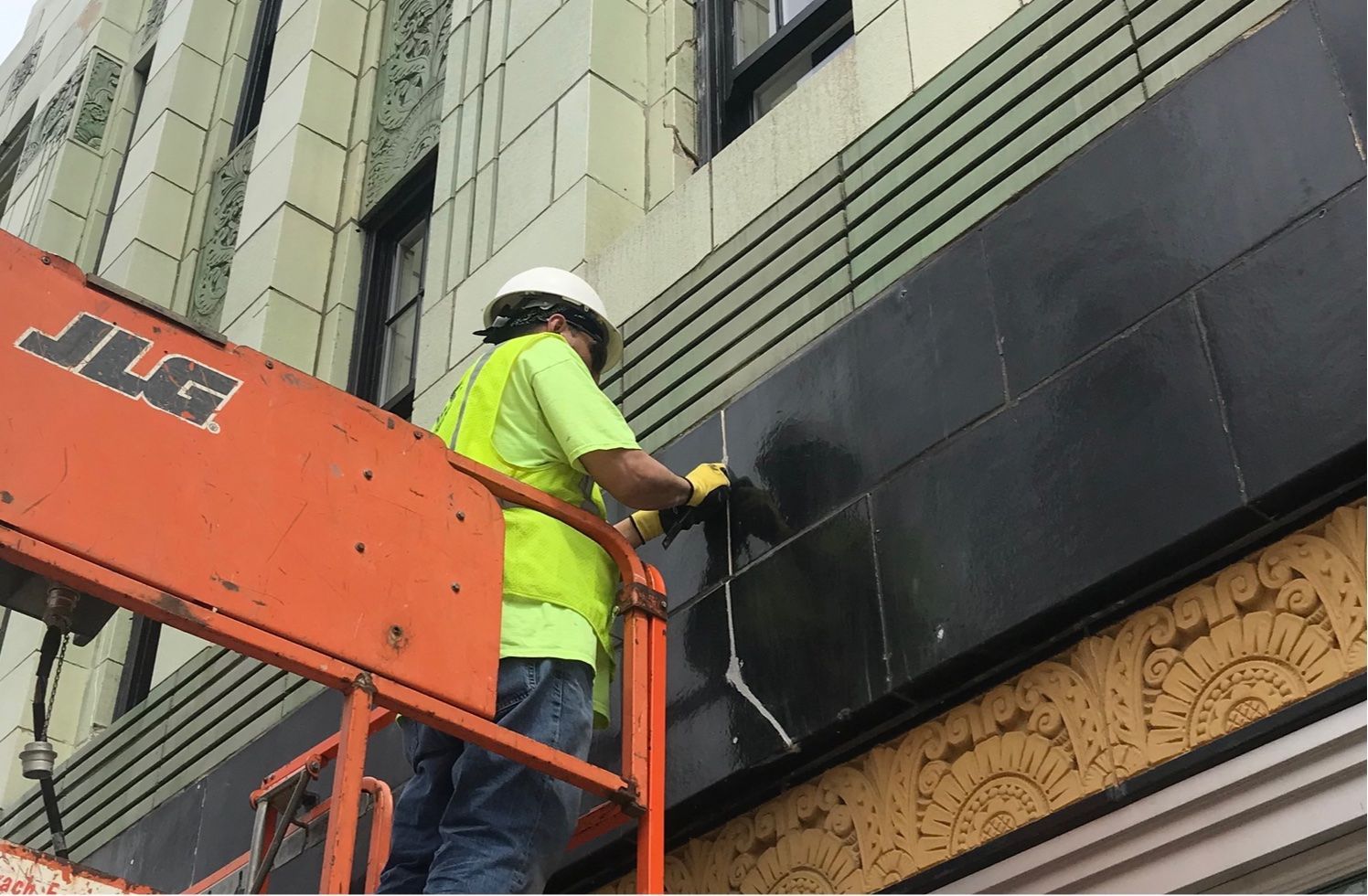
RestoreWorks has the experience and skills to provide terra cotta restoration and repair services, including cleaning, patching, crack and fracture repair, detail recreation, reglazing replacement and structural stabilization. We expertly repair and restore damaged terra cotta on any part of a building and aim to ensure the appearance of the repaired façade or decorative element matches that of the original material.
Different Terra Cotta Building Preservation Techniques
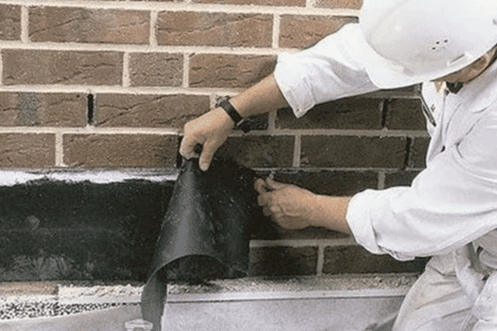
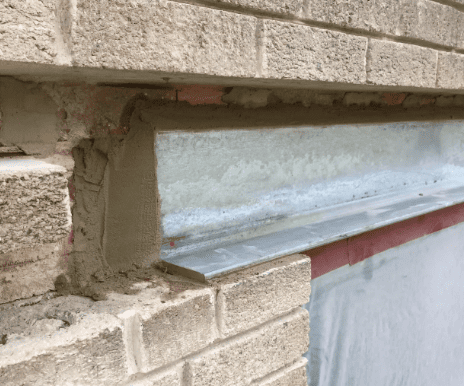
The different terra cotta building preservation techniques are guided by the properties of the existing terra cotta wall system, its material properties, and the anchorage. Terra cotta facades were originally installed without water management systems or flashings. Mild steel anchors that are prone to corrosion were also used. Today, the systems are replaced with a modern flashing system and new stainless-steel anchors. The steel is protected with a corrosion-inhibiting coating.
RestoreWorks believes that when you have a major restoration project, experience matters. That is why we make no apology for not being the cheapest bidder on a project. If you want the work done right the first time, we know you will find the quality work RestoreWorks offers provides value in the long run.
RestoreWorks offers comprehensive commercial terra cotta, brick and stone restoration services to clients in the Chicago metropolitan area and Northwest Indiana. We breathe new life into aging and historic structures through our terra cotta restoration work. Contact RestoreWorks today.