Restoring Concrete Facades: Fixing Spalling Issues
Restoring concrete is essential when you consider how many buildings and structures in the Chicago area are constructed with the material. Think of historic Wrigley Field and Aqua with its modern wave balconies. RestoreWorks specializes in commercial concrete façade repairs and has been helping building owners in Chicago maintain, repair, and restore concrete façades for over thirty years.
Spalling, flaking, and crumbling concrete is a safety risk and can lead to expensive structural problems when it is not repaired early on. Is your concrete building façade deteriorating? Are you noticing cracks in the street level section where de-icing salt often lands? You need RestoreWorks to perform a façade inspection. We share more on spalling concrete and why it should be repaired as soon as possible.
Spalling Concrete: What It Is and the Different Types
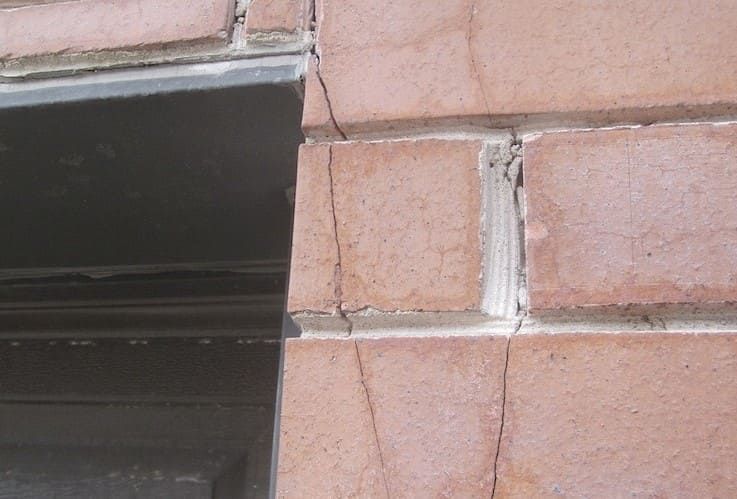
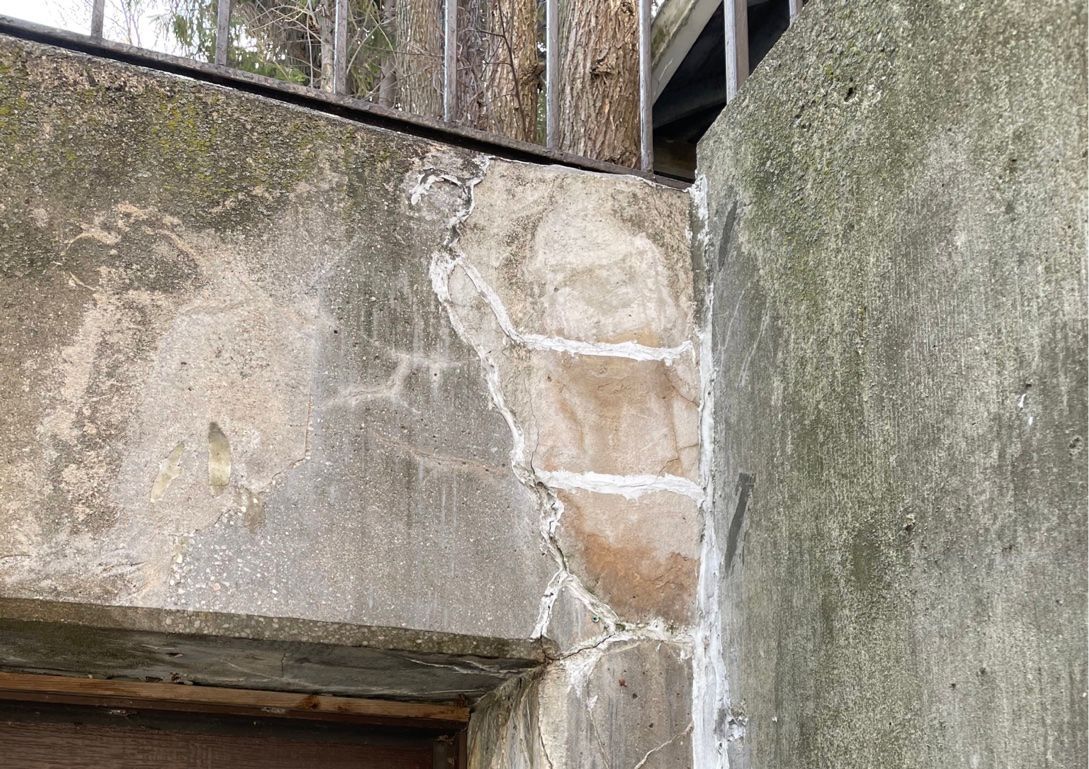
You might have noticed that the corners of concrete buildings tend to be more damaged than other parts of the structure. It is called spalling and can occur anywhere on a building’s façade. Spalling concrete is sections of concrete which cracked or separated (delaminated) from the substrate. There are three main types:
- Corner spalling. The concrete at building edges and corners are more susceptible to damage and stress. Corner spalling happens when water enters the concrete and freezes, causing the material to expand, ultimately damaging the surface.
- Explosive spalling. It occurs when the internal pressure within concrete exceeds its strength due to a sudden impact, a thermal shock, or a fire. Pieces of the concrete burst and flake away from the surface.
- Aggregate spalling. This type of spalling happens when the bond between the concrete mix and aggregate (crushed stone or gravel) is weakened due to corrosion, a chemical attack or freeze-thaw cycles.
Spotting Spalling: Fix Concrete Spalling Early On
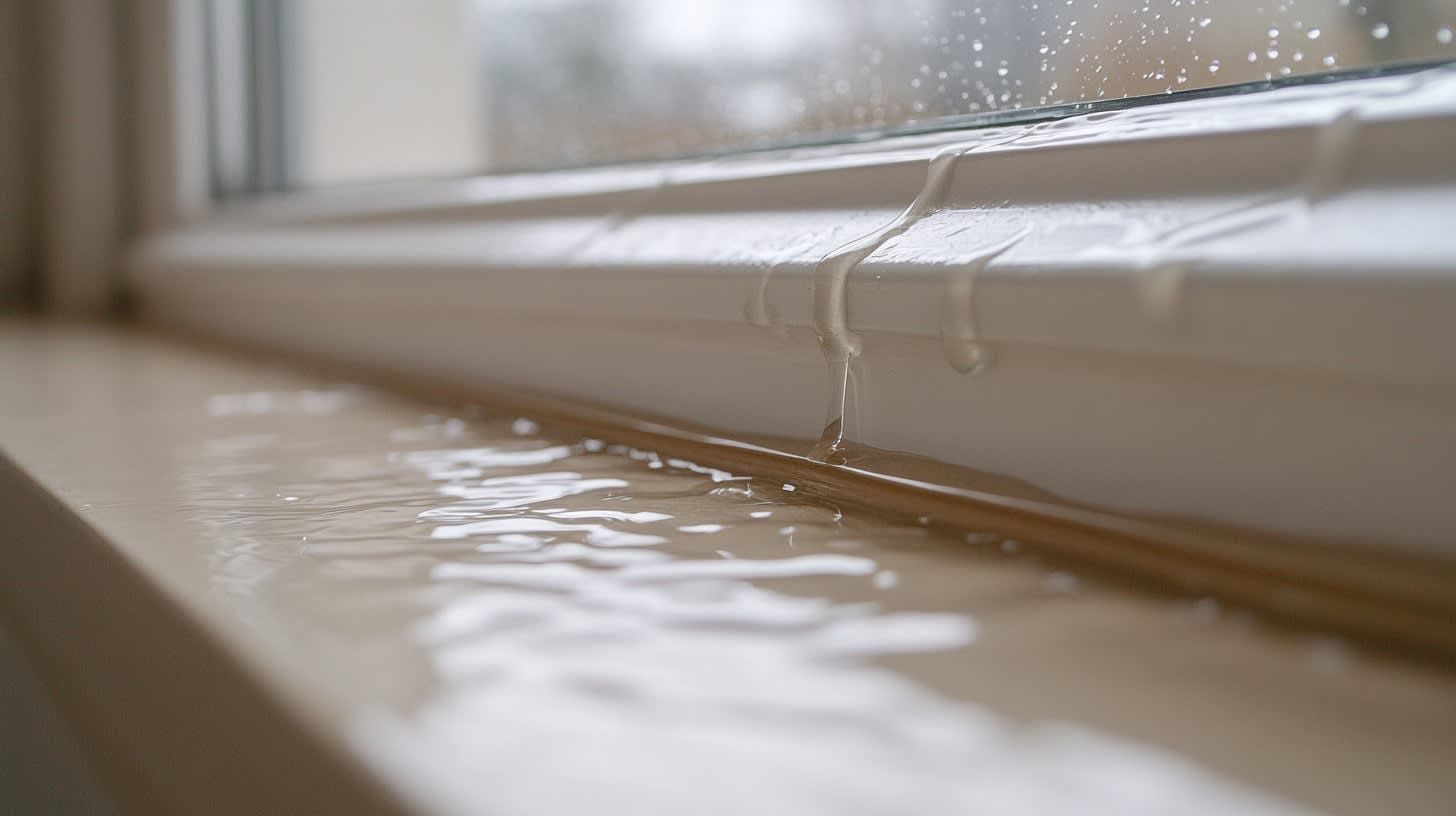
It is vital to fix concrete spalling as soon as possible to minimize asset deterioration and maximize risk management. One of the most common causes of spalling is water penetration. The water expands and retracts due to the winter freeze/thaw cycle, causing spalling, or it corrodes the building’s embedded steel reinforcement bars that expand, exerting stress on the surrounding concrete. Other causes of spalling include building age, irregular or incorrect maintenance, inferior concrete quality or finishing, a lack of protective coating, and exposure to chemicals such as salt.
If you notice spalling damage on the building’s main structure, request RestoreWorks to do an inspection. The first step is to determine the spalling’s root cause and the extent of the damage before making repairs.
Concrete Surface Integrity: Importance of Concrete Spalling Repair
Concrete spalling repair is necessary to protect the building’s surface integrity, but it also plays a role in protecting the building’s structure. When water infiltrates the concrete and ultimately damages the steel reinforcement bars, expansion joints, and other steel sections, it affects the building’s structural integrity. Steel corrosion impacts the structure’s strength, eventually leading to failure that not only decreases the building’s lifespan but creates risk and potential insurance liabilities.
Hiring specialists to perform regular concrete façade inspections and repairs maintains the building’s appearance, cuts down on long-term maintenance costs, and enhances the asset’s value. It also protects members of the public moving around the building from falling concrete, which can cause damage or personal injury when dropping from a height.
Restore Concrete: Spalling Concrete Repair Contractors
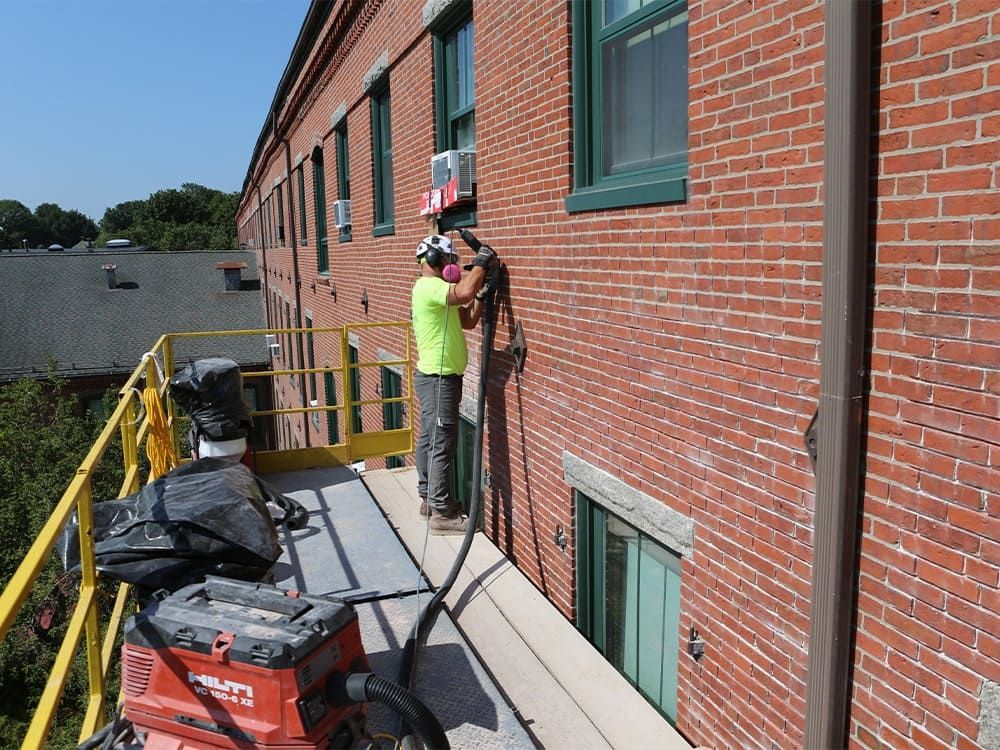
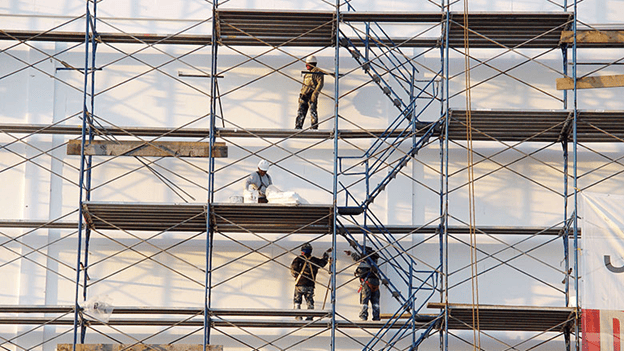
When you need spalling concrete repair contractors, look no further than RestoreWorks. We work on historic buildings, museums, churches, schools, and universities, as well as government, commercial and residential buildings and are experts in concrete façade repairs and restoration.
Once the cause of the spalling damage has been determined and its extent assessed, we can develop a plan to repair the damaged concrete façade. RestoreWorks wants to return value to your building, and we do our repair and restoration work with pride. That is why we ensure the aesthetics of the concrete we replace or repair equals that of the rest of the structure.
RestoreWorks
has had the honor of working on many of the most recognizable buildings in the greater Chicago area and beyond. Our talented crews are commercial concrete façade repair and restoration experts.
Contact us today if you need professional assistance restoring your building’s concrete.