Masonry Restoration for Banks | Preserve Security & Looks
Peter Merlo

Banks face higher stakes than most when it comes to building maintenance. A well-kept facade communicates trust and stability to clients, while structural soundness reassures safety and security. Balancing looks and security can be challenging, especially in masonry restoration. Here’s how these priorities align and why specialized expertise is a must.


Why Banks Need a Specific Approach


Banks have unique considerations when planning masonry restoration:


#1. Security:

  • Banks are high-security spaces. Restoration work must minimize disruptions and maintain security at all times.
  • Improper repairs or unsealed joints can weaken both safety and defenses.


#2. Appearance:

  • A bank’s facade reflects professionalism and trust. Cracks or deterioration can harm client confidence.
  • For historic or older buildings, preserving architectural details is essential.
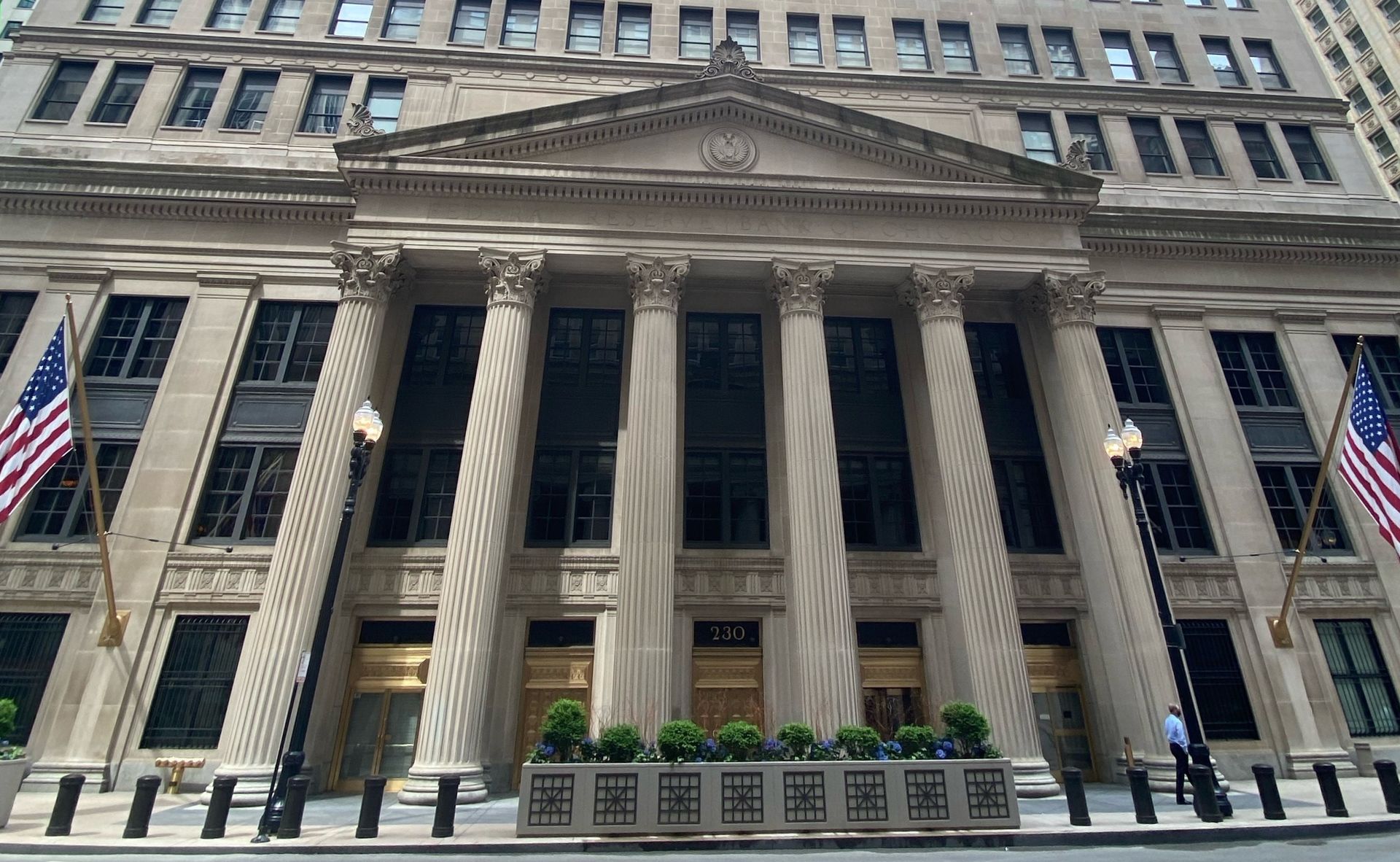

Front view of the historic Federal Reserve Bank of Chicago featuring classical stone columns and well-maintained limestone façade, highlighting the importance of exterior preservation for landmark buildings.


Common Masonry Issues for Banks


Urban bank buildings, particularly in Chicago, often face these challenges:


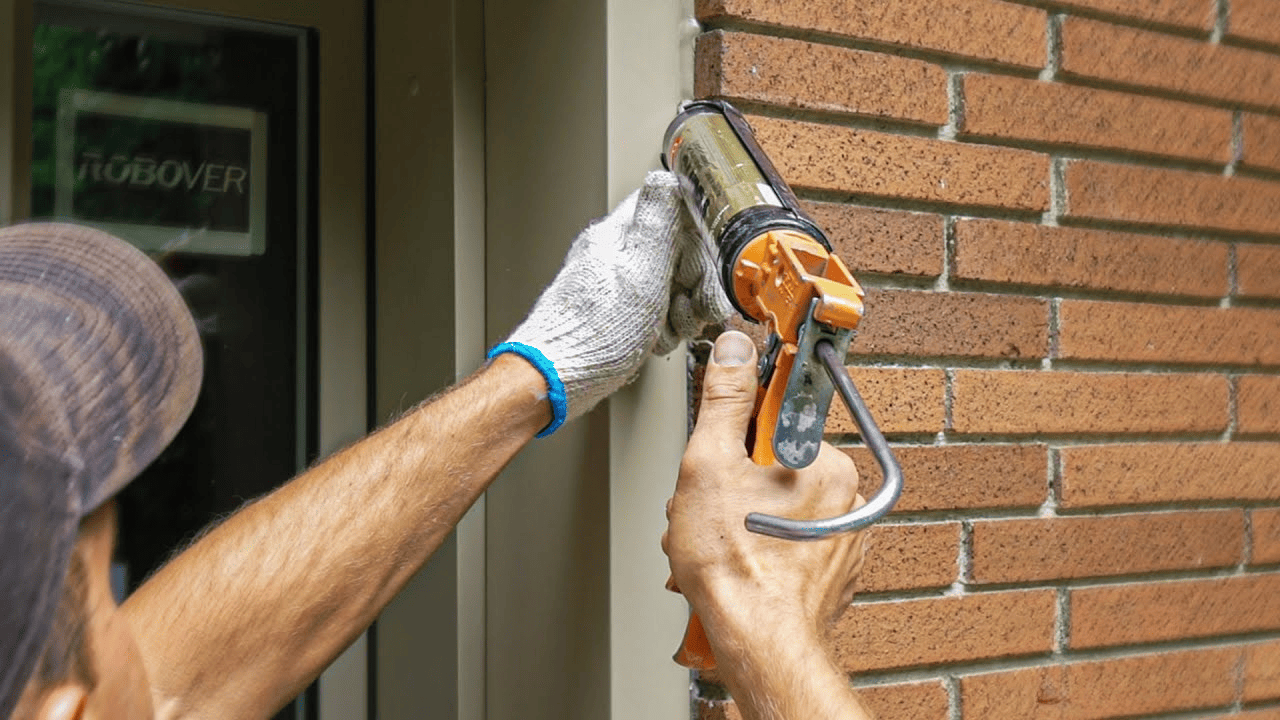
  • Sealant joints become worn and compromised.
  • Weathered mortar caused by Midwest freeze-thaw cycles.
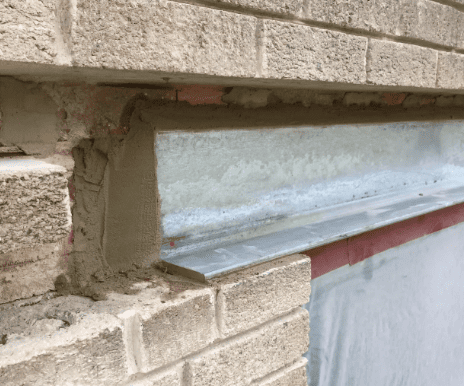
  • Corroded lintels affecting both structure and appearance.
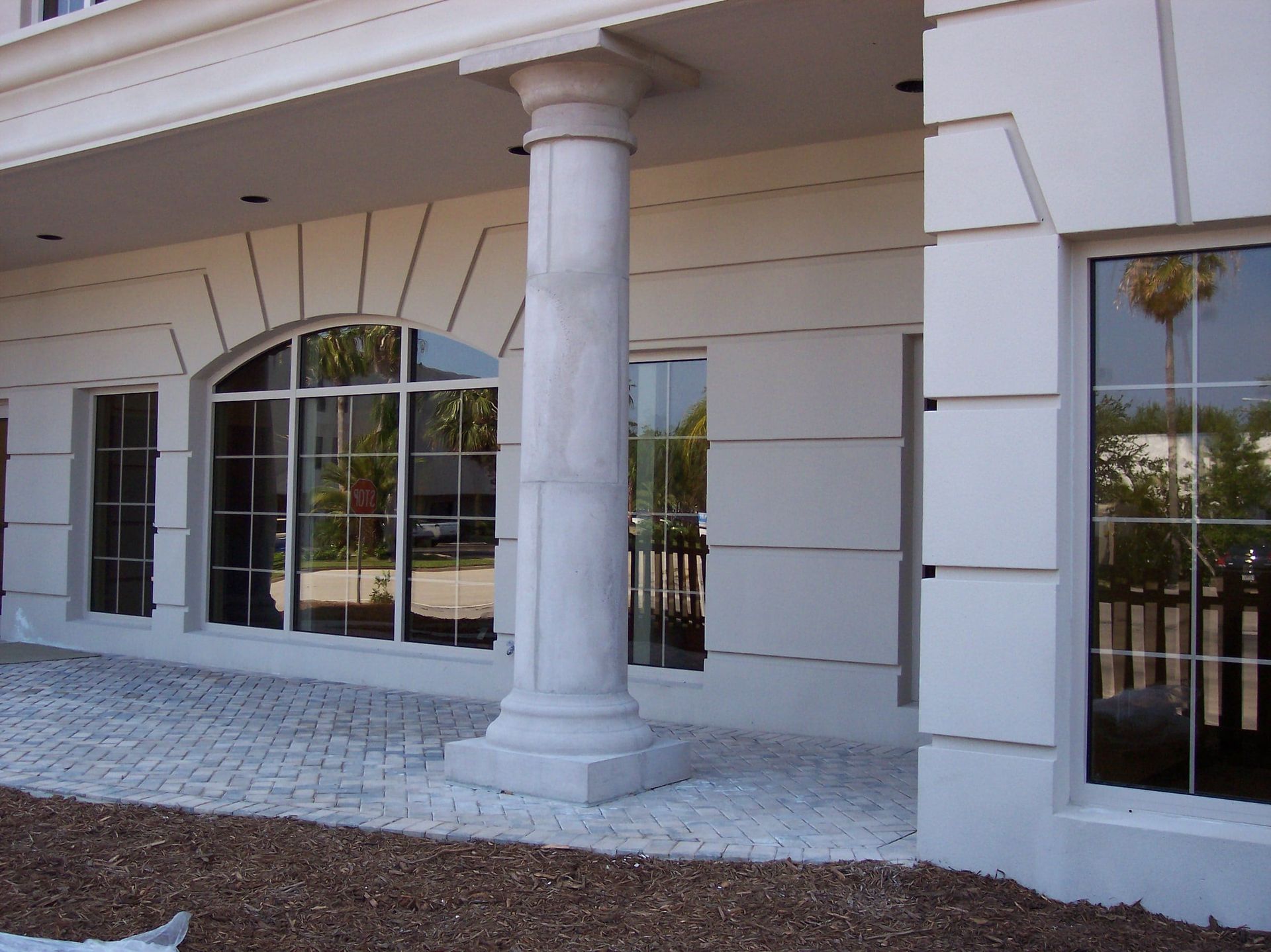

RestoreWorks inspection photo showing a discolored architectural column at a commercial bank façade, highlighting early signs of staining and weather-related wear.


Why Address Masonry Issues Early?


  1. Safety Risks: Deteriorating balconies or failing lintels can endanger employees and customers.
  2. Energy Efficiency: Cracks and leaks increase heating and cooling costs.
  3. Compliance: Historic bank buildings must meet preservation standards, requiring specialized attention.


Steps for a Tailored Restoration Plan


A successful restoration plan includes:


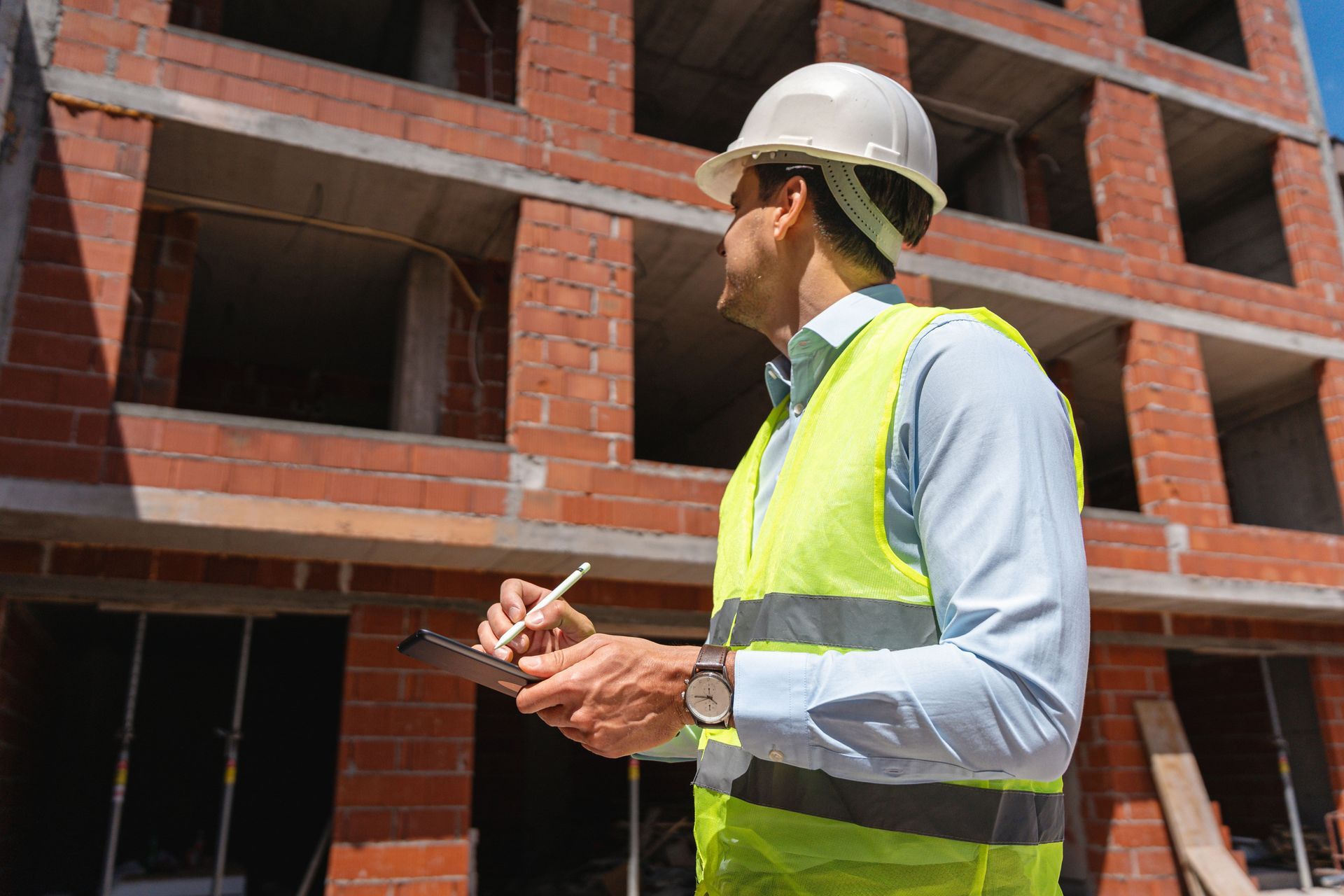
  • Thorough assessment: A contractor evaluates the facade, balconies, and lintels to define the scope. Addressing localized issues while planning for durability is key.


  • Modern and traditional techniques: Using advanced cleaning methods and restoration techniques preserves the building’s original look.


  • Minimized downtime: Phased schedules and temporary barriers keep operations running smoothly during restoration.
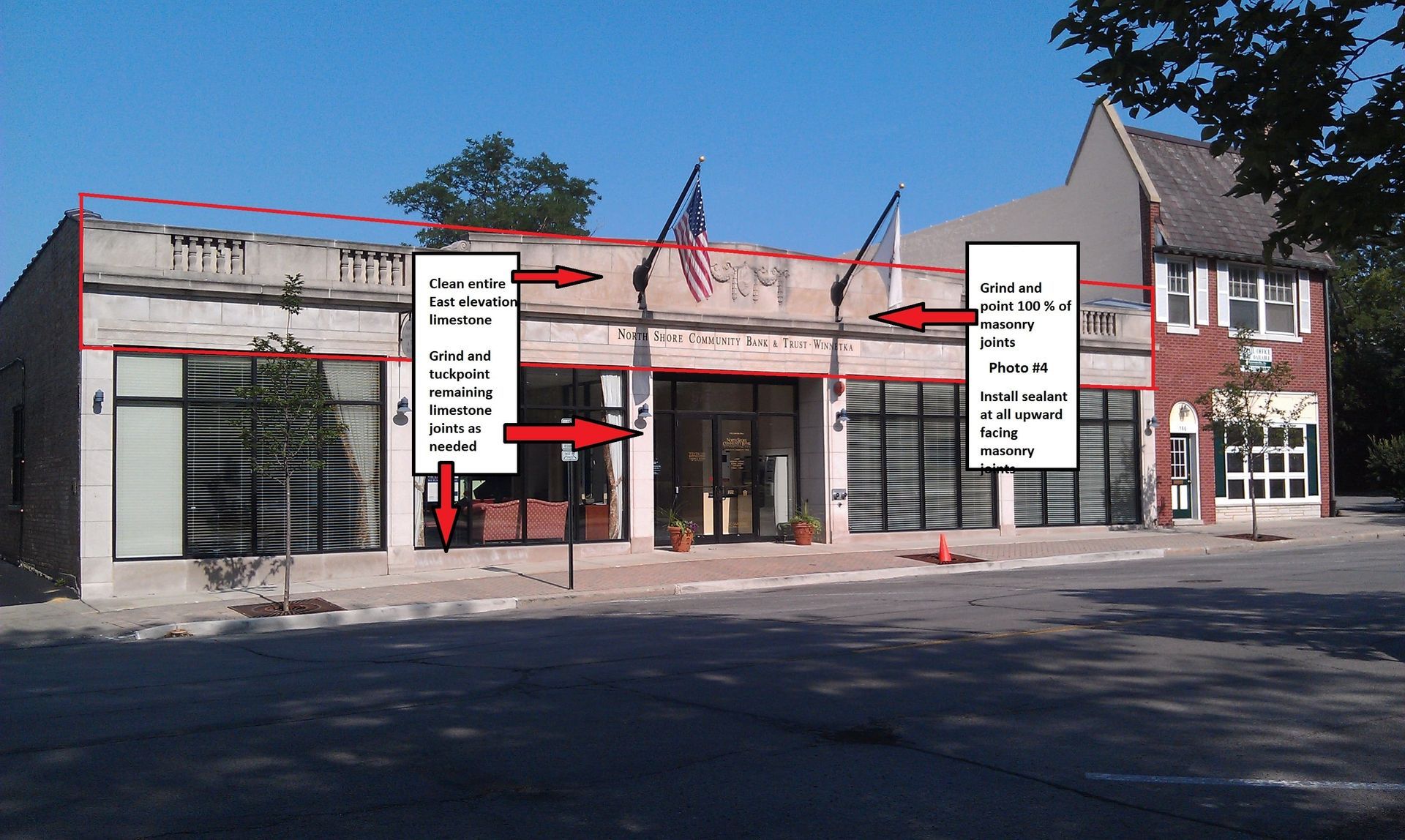

RestoreWorks inspection of North Shore Community Bank & Trust in Winnetka, Illinois, identifying areas for limestone cleaning, tuckpointing, masonry grinding, and sealant installation.


Why Partner with a Specialized Contractor?


Banks need contractors skilled in both modern masonry techniques and historical preservation. RestoreWorks has managed projects ranging from concrete repair to full-scale restoration for historic landmarks. We collaborate with property managers, engineers, and architects to ensure security, structure, and appearance is maintained.


The Value of Masonry Restoration for Banks


  • According to UpKeep, Preventative maintenance saves 12-18% on costs compared to reactive maintenance.


  • Professional pressure washer Steven Lampley claims a clean and well-maintained exterior is the first thing customers notice when they approach a bank. A neglected exterior can create a negative impression and deter potential customers.


Your bank’s facade represents your commitment to excellence, safety, and trust. Don’t let minor masonry issues undermine your clients’ confidence. RestoreWorks is ready to help. Contact us today to schedule an assessment and safeguard your building’s legacy.
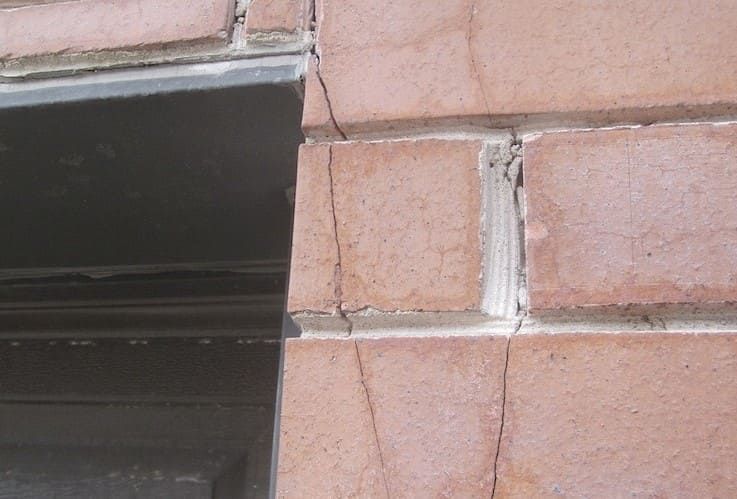
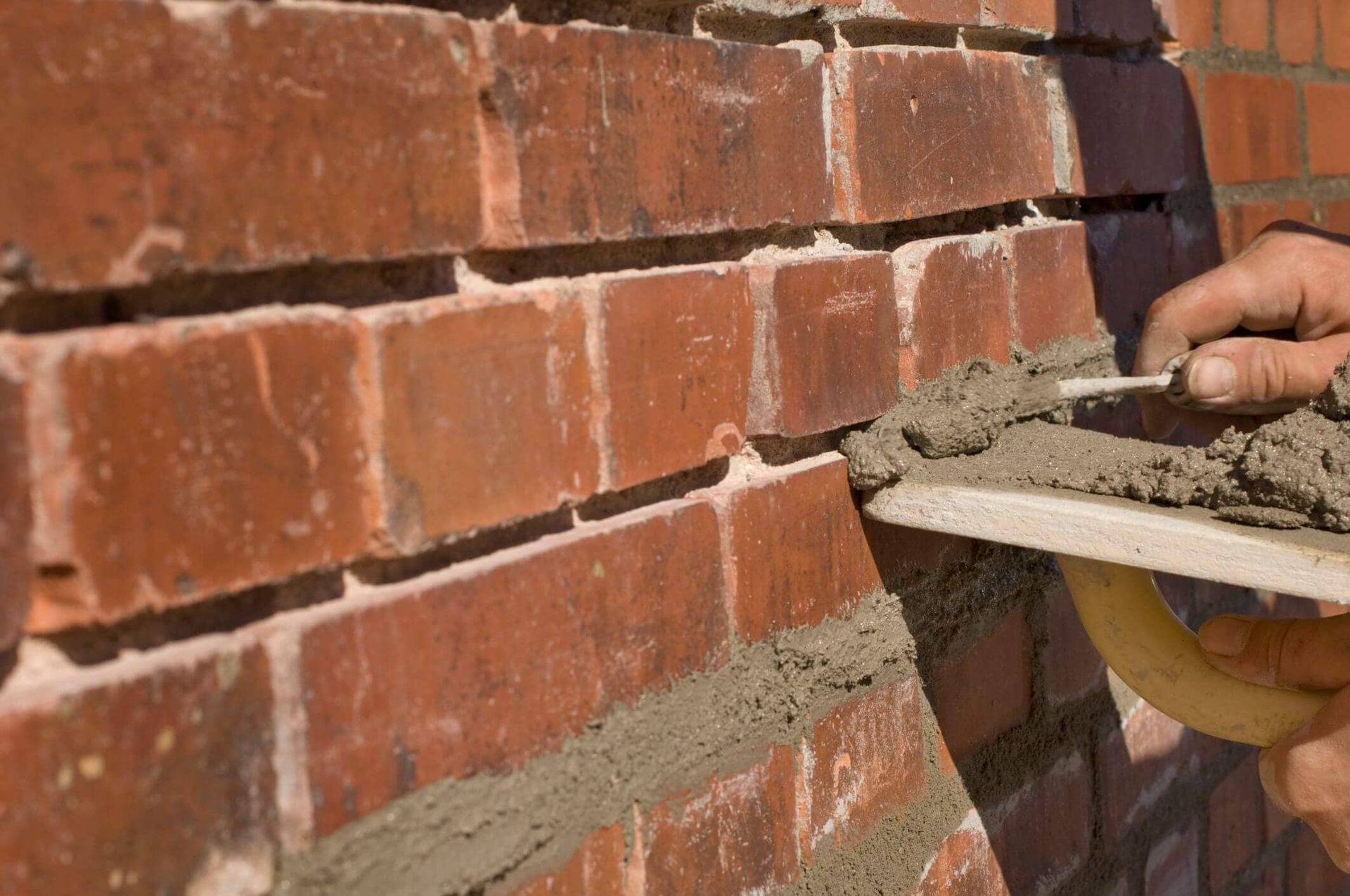
Close-up of a rustic brick wall with visible mortar joints and a diagonal crack running through several bricks.
By Peter Merlo April 8, 2026
Cracked mortar joints are early warning signs of façade failure. Learn what Chicago property managers should watch for before repairs escalate.
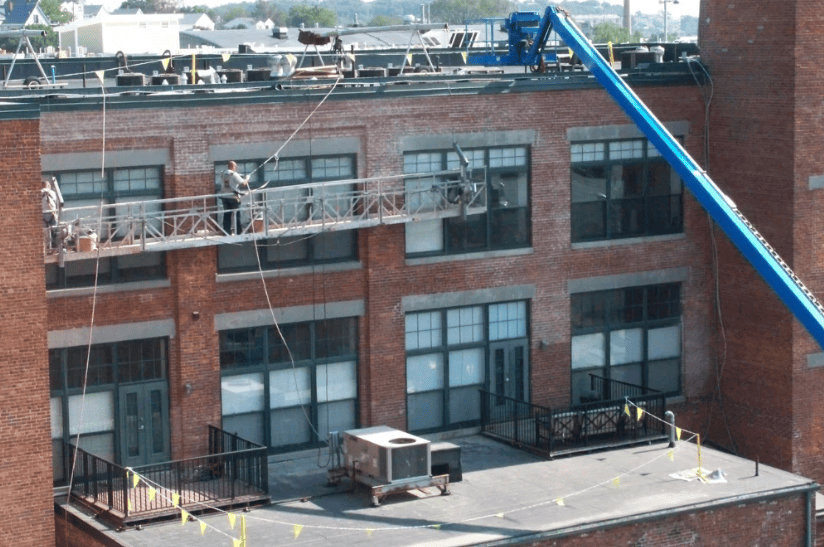
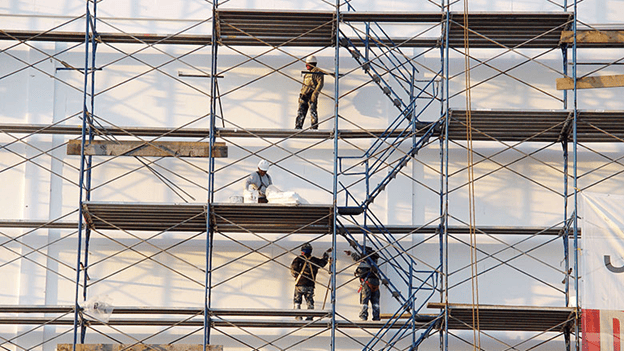
High-rise buildings in a city, with workers on exterior scaffolding platforms performing maintenance on a beige facade.
By Peter Merlo April 1, 2026
Plan building façade restoration in Chicago for 2026. Learn how inspections, freeze–thaw cycles, and compliance impact cost, timing, and scope.
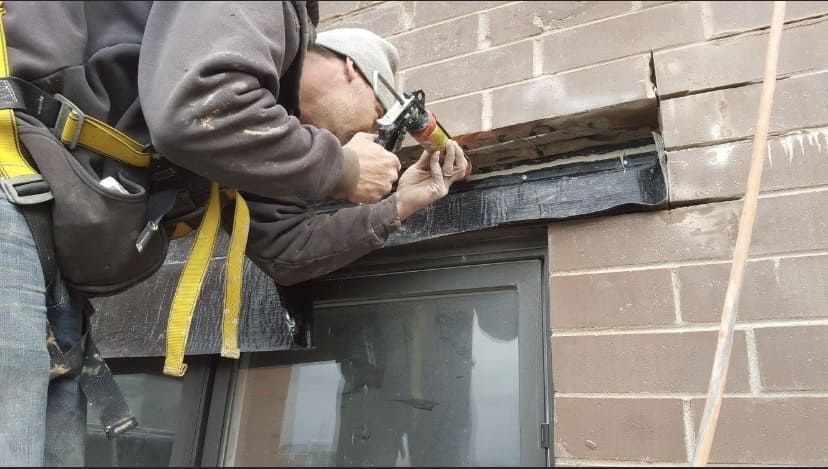
Brick wall with a window sill, featuring red-brown bricks and a vertical seam.
By Peter Merlo March 26, 2026
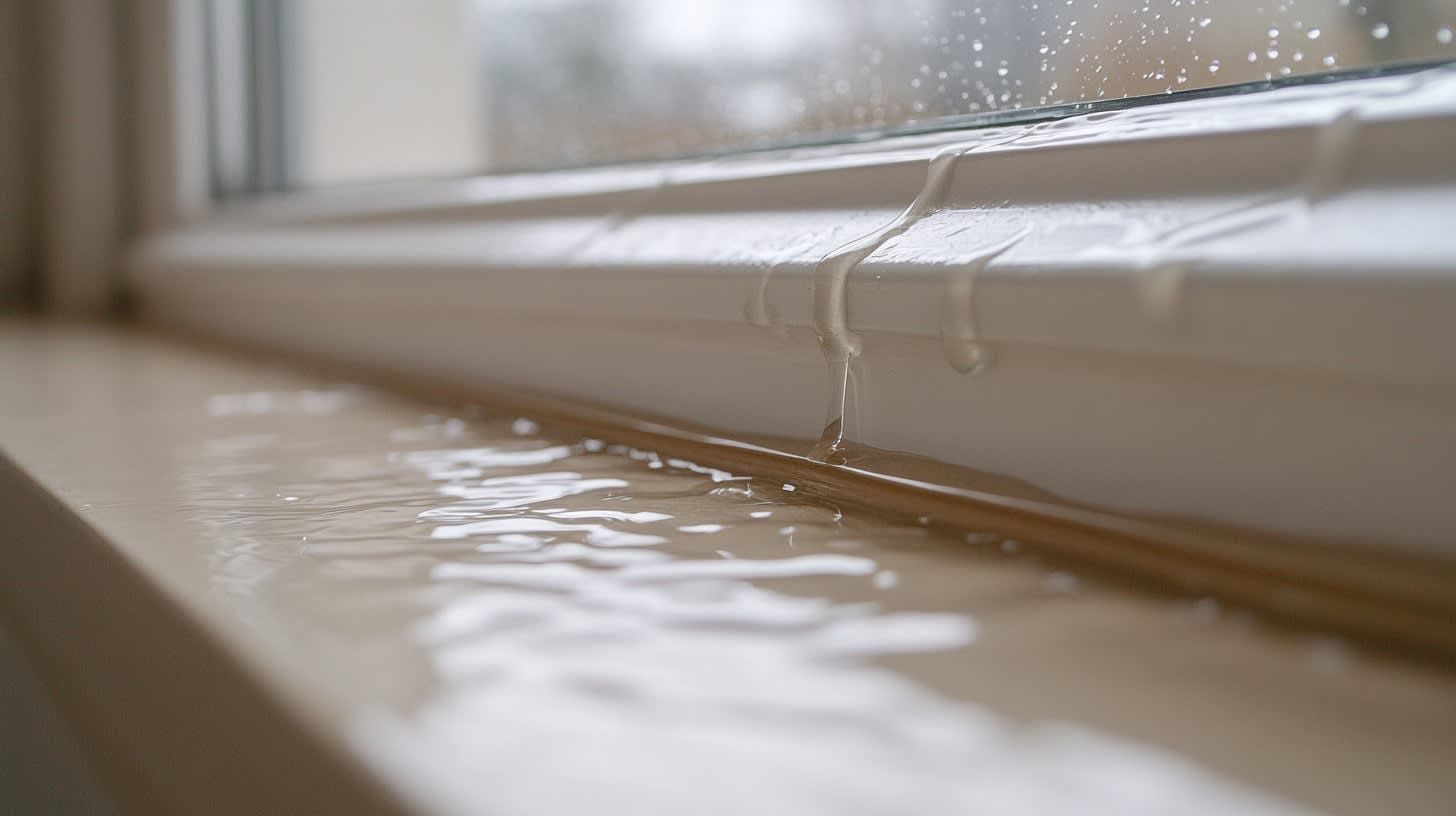
Spring water damage often gets blamed on cracks, failed mortar joints, or deteriorated sealants. In many cases, the real issue starts earlier, at expansion joints that were never designed, detailed, or maintained to manage seasonal movement.  For commercial and multi-family buildings in Chicago, expansion joints are a primary defense against moisture intrusion during spring thaw. When they fail, water finds its way behind masonry, into wall assemblies, and down to steel and concrete elements that were never meant to stay wet.
Split view: building before and after cleaning. The right side shows a cleaner building.
By Peter Merlo March 25, 2026
Spring masonry cleaning removes winter salt and moisture so hidden damage is exposed early, helping Chicago buildings avoid larger repairs later in the year.
Bricklayer applying mortar to brick wall with a trowel.
By Peter Merlo March 12, 2026
Learn about mortar joint repairs, why it matters for Chicago buildings, and how the approach protects overall durability and appearance.
Bricklayer applying mortar to a brick corner on a building, wearing gloves.
By Peter Merlo March 11, 2026
Learn the key signs your Chicago building needs tuckpointing before spring 2026, from failing mortar and efflorescence to leaks, spalling, and more.
Snowy balcony view, snow-covered railings, and distant buildings with snow-covered trees.
By Peter Merlo March 11, 2026
Chicago winters speed up balcony damage. Learn the warning signs, inspection steps, and repair options to prevent structural risk for multi-family buildings.
Two construction workers in safety vests and hard hats looking up at a building under construction.
By Peter Merlo March 4, 2026
Use this 2026 spring masonry inspection checklist to identify freeze–thaw damage, moisture issues, and repair priorities before small problems get worse.
Construction site covered in white tarp, surrounded by snow, with gray cinder block wall on the left.
By Peter Merlo February 25, 2026
Concrete repair in winter is possible in Chicago, but not all repairs should move forward. Learn what can be done safely and what should wait.
Brick building with metal scaffolding above windows, against a blue sky.
By Peter Merlo February 17, 2026
Use this checklist to choose a masonry restoration contractor for 2026 projects, with guidance on experience, risk, and Chicago-area building conditions.