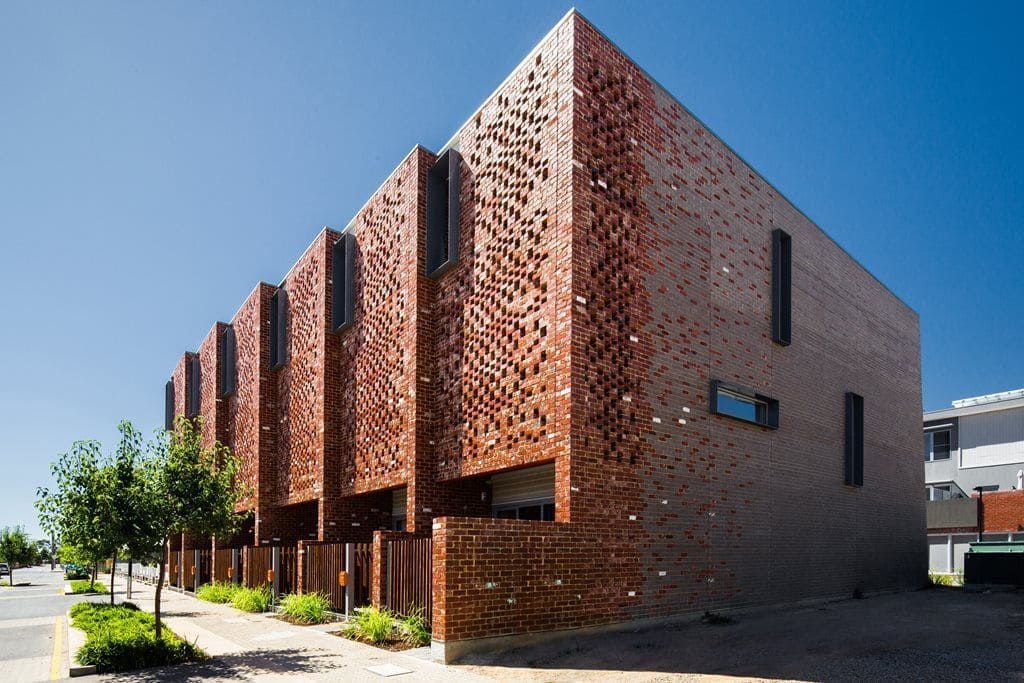
Commercial Caulking Services for Chicago Buildings
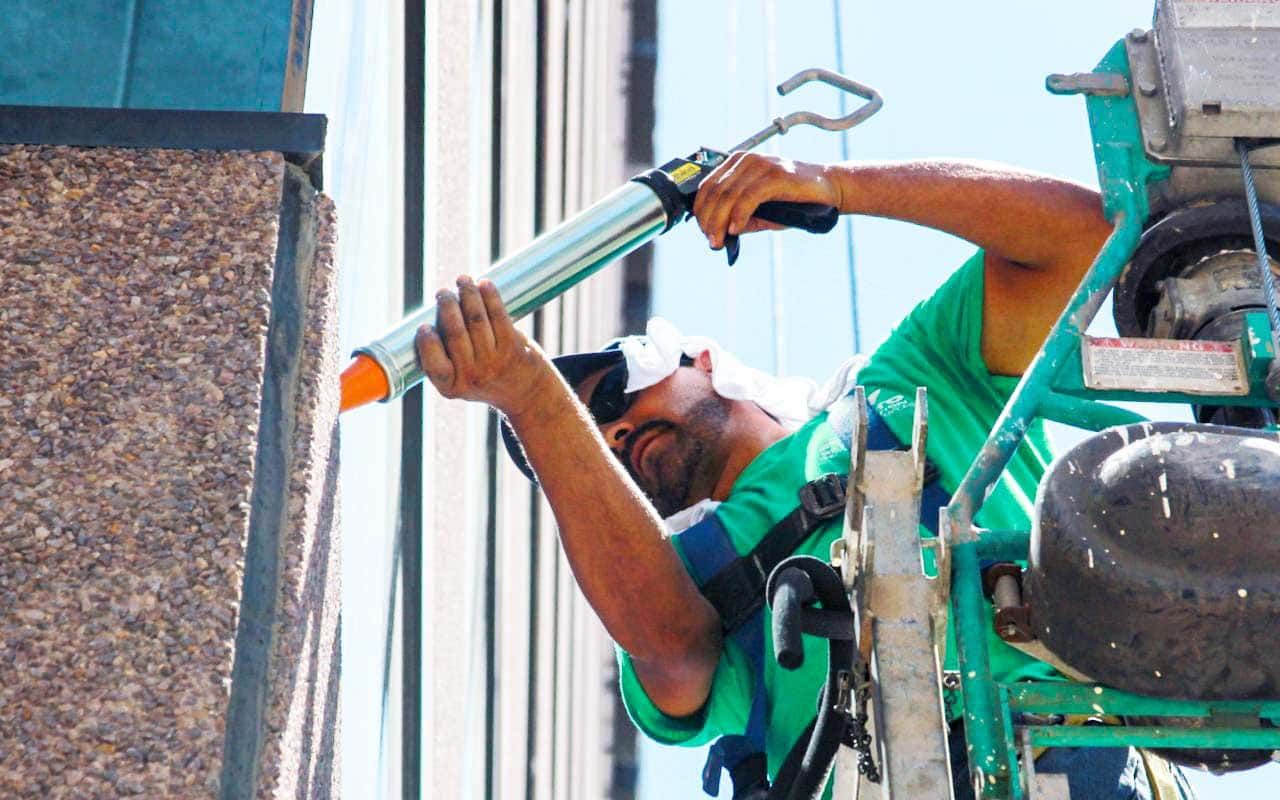
Water intrusion rarely starts with a major structural failure. In many commercial and multi-family buildings, it begins at failed sealant joints around windows, control joints, coping stones, precast panels, and masonry transitions.
Commercial caulking is one of the most overlooked components of a building envelope, but it plays a major role in preventing moisture intrusion, air leakage, and long-term façade deterioration. When sealants fail, water finds its way into wall assemblies, eventually leading to masonry damage, rusting steel, interior leaks, and expensive repairs.
For buildings throughout the Chicago area, sealant performance becomes even more important due to freeze–thaw cycles, wind-driven rain, temperature swings, and constant expansion and contraction of exterior materials.
Why Commercial Caulking Matters More Than
Many Building Owners Realize
Sealants are designed to create flexible, watertight joints between building materials that naturally move over time.
Unlike mortar or rigid patching materials, commercial-grade caulking systems are intended to absorb movement caused by:
- Thermal expansion and contraction
- Wind loads
- Structural movement
- Moisture exposure
- Settlement and vibration
When properly designed and installed, sealant systems help maintain the continuity of the building envelope by resisting water intrusion and air leakage across moving joints.
According to technical guidance published by Sika USA, joints are often most vulnerable at changes in plane and direction, where movement and improper detailing can allow water to bypass failed sealants and migrate into the wall assembly.
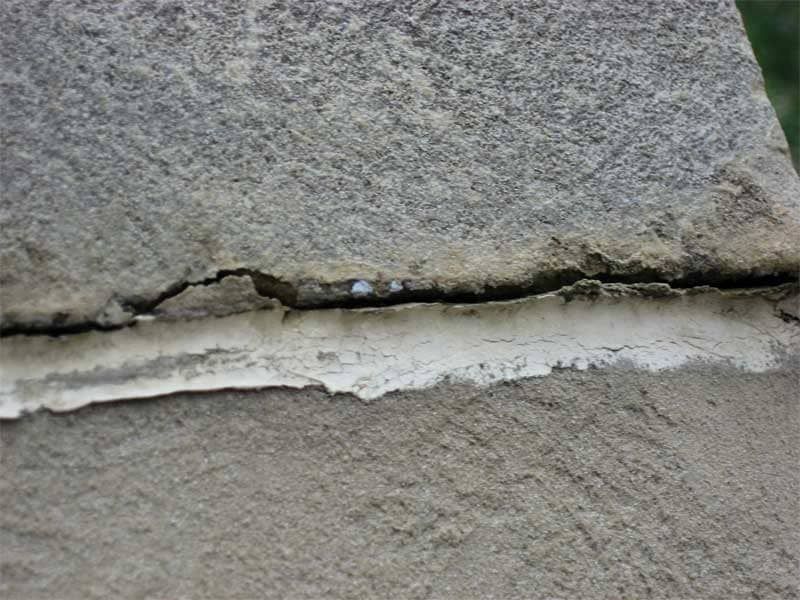
When sealants begin to crack, separate, harden, or pull away from substrates, the building envelope becomes vulnerable.
In many cases, visible leaks inside a building are only the symptom. The actual failure may have started years earlier at deteriorated sealant joints.
Common Areas Where Commercial Caulking Fails
Commercial caulking failures are often concentrated around high-movement or high-exposure areas.
Window Perimeters
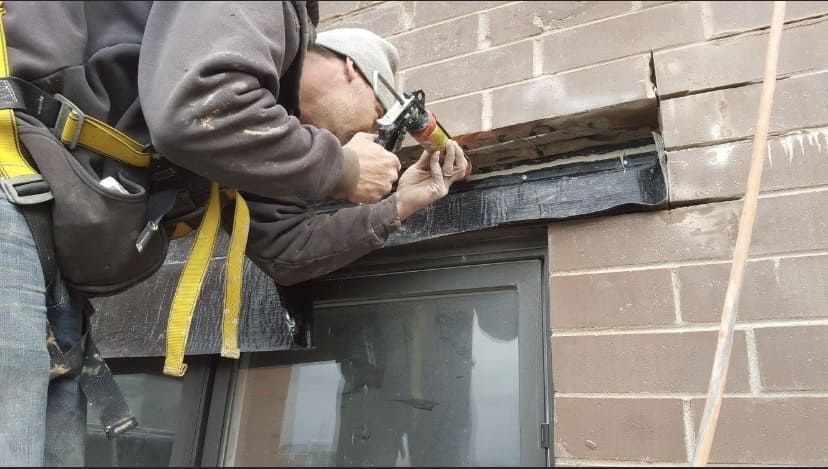
Window joints are one of the most common sources of water infiltration. Failed perimeter sealants allow moisture to penetrate behind masonry veneers, precast systems, and wall cavities.
Over time, this can contribute to:
- Interior leaks
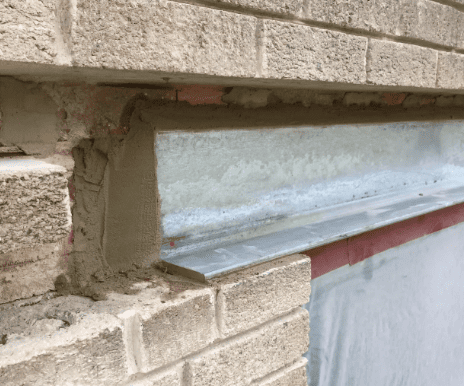
- Rusting steel lintels
- Damaged insulation
- Mold and moisture concerns
- Freeze–thaw masonry deterioration
Expansion and Control Joints
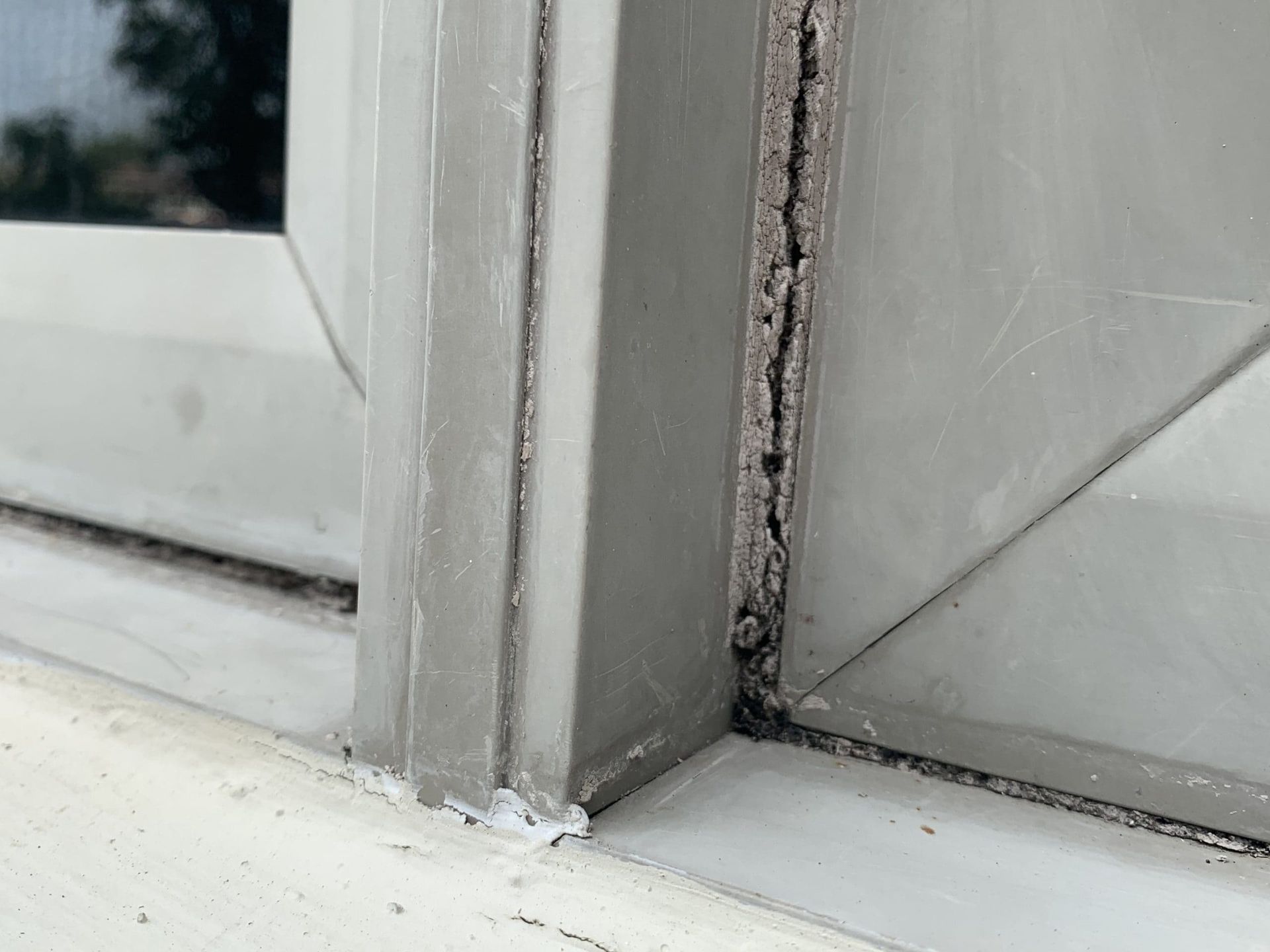
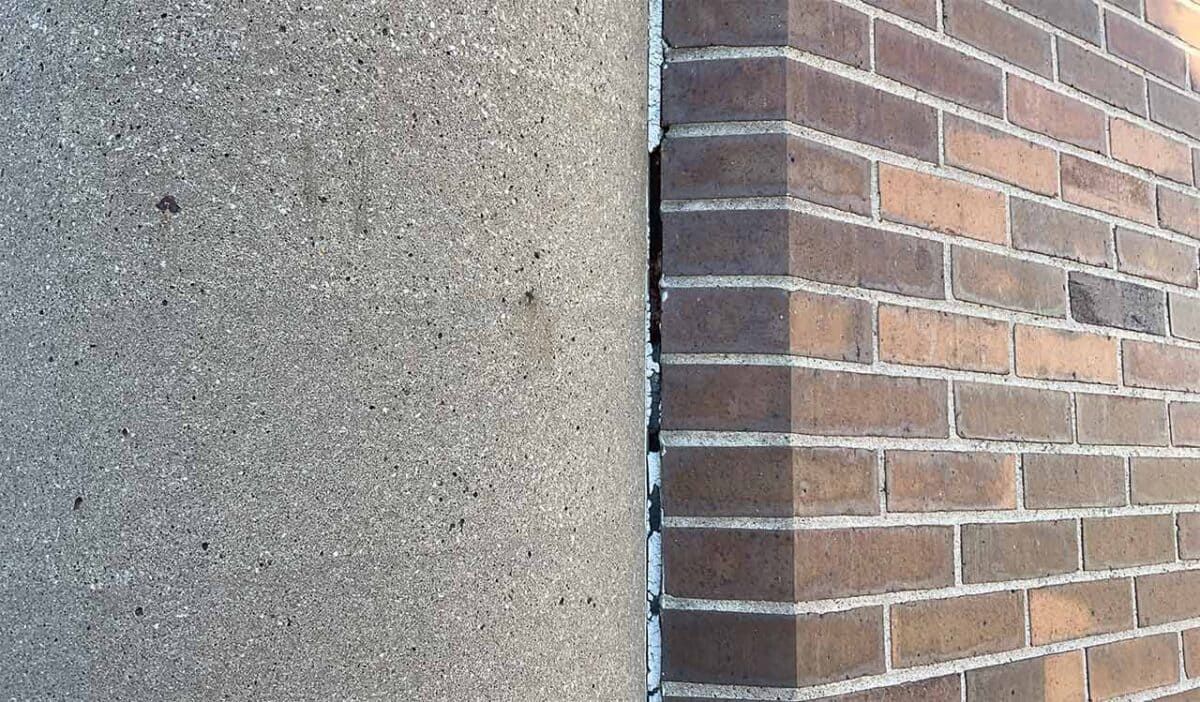
Expansion joints are intentionally designed to allow buildings to move safely. When sealants fail at these joints, water can bypass the façade system entirely.
This is especially important on larger commercial buildings and parking structures where movement is more pronounced.
Coping Stones and Parapet Caps
Parapet walls experience significant moisture exposure in Chicago due to snow, ice, and wind-driven rain.
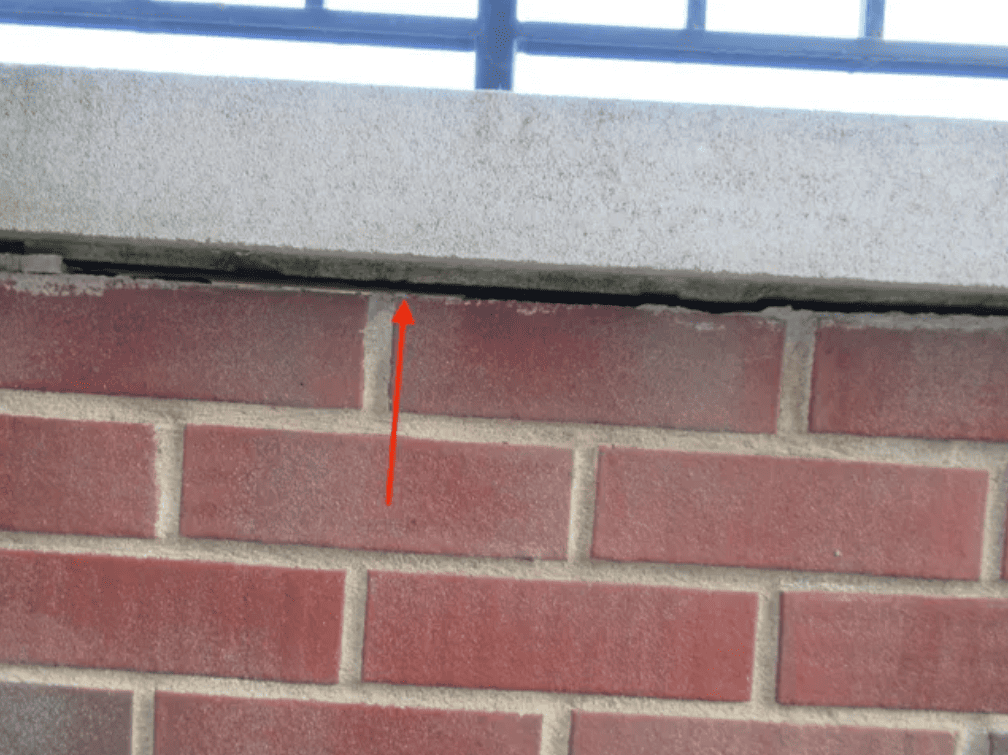
Failed sealant joints at coping stones often allow water to enter directly into masonry wall systems, contributing to internal deterioration and winter freeze damage.
Masonry-to-Concrete or Masonry-to-Metal Transitions
Different building materials expand and contract at different rates. These transition areas are common stress points where improperly installed or aging sealants begin to fail.
Signs a Commercial Building May Need Caulking Services
Sealant deterioration is not always obvious from the ground level. Many issues are first identified during façade inspections, leak investigations, or masonry restoration projects.
Common warning signs include:
- Cracked or split sealant joints
- Sealant pulling away from adjacent materials
- Hardened or brittle caulking
- Interior water staining
- Efflorescence on masonry surfaces
- Rust staining near lintels or shelf angles
- Drafts or air leakage near windows
- Repeated leak complaints after rain events
For many Chicago buildings, sealant failures become more noticeable during late winter and spring as freeze–thaw cycles accelerate joint deterioration.
Why Caulking Failures Often Lead to Larger Masonry Repairs
Commercial caulking issues are rarely isolated problems.
Water entering through failed sealants often affects surrounding materials long before the leak becomes visible inside the building. Once moisture bypasses failed joints, it can migrate through wall assemblies through gravity, air movement, and capillary action within porous masonry materials.
According to guidance published by the Concrete Masonry & Hardscapes Association, uncontrolled moisture intrusion can deteriorate surrounding materials, reduce thermal performance, contribute to corrosion of metal components, and accelerate freeze/thaw damage within masonry systems.
In masonry structures, trapped moisture can contribute to:
- Spalled brick and stone
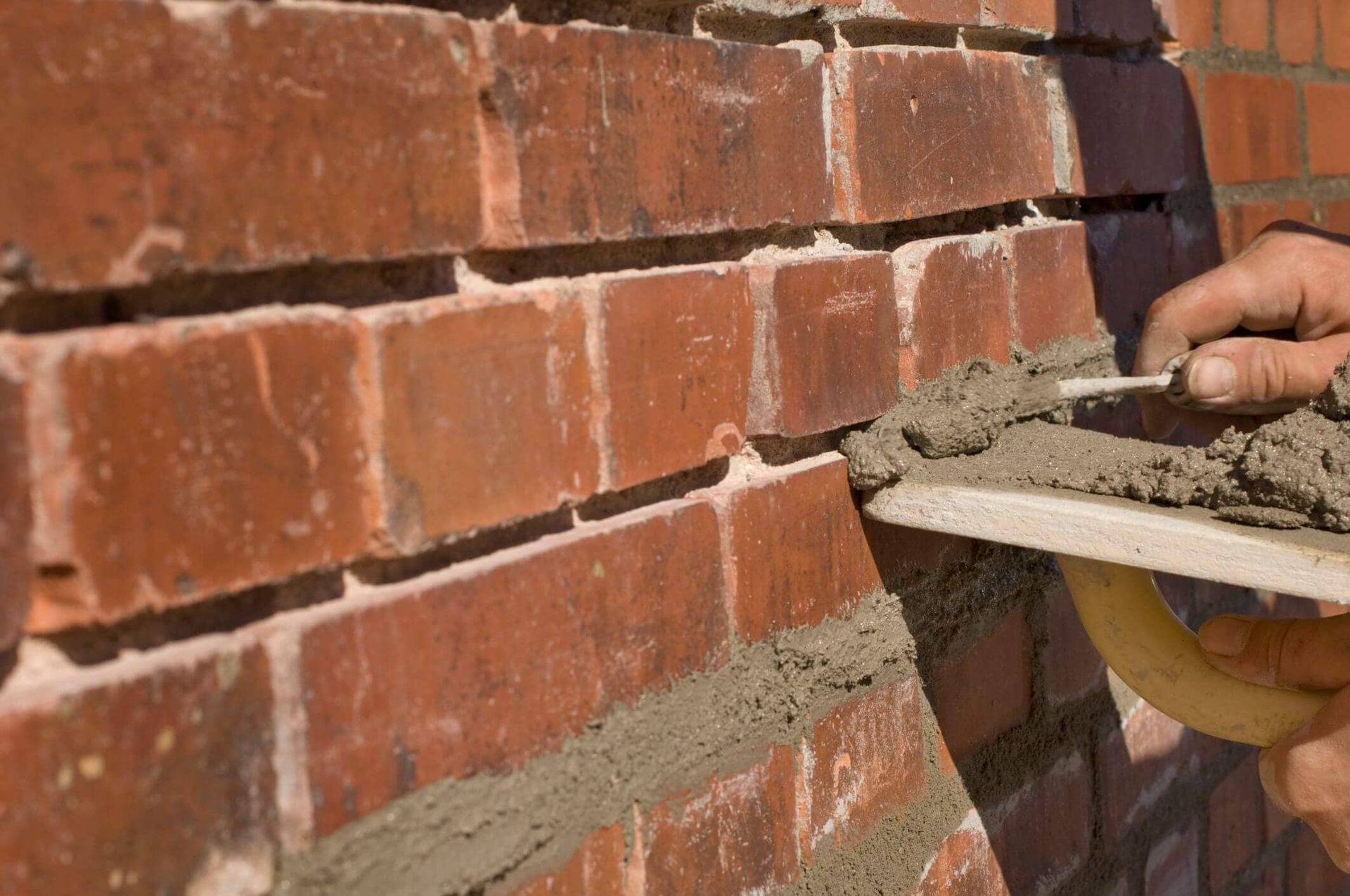
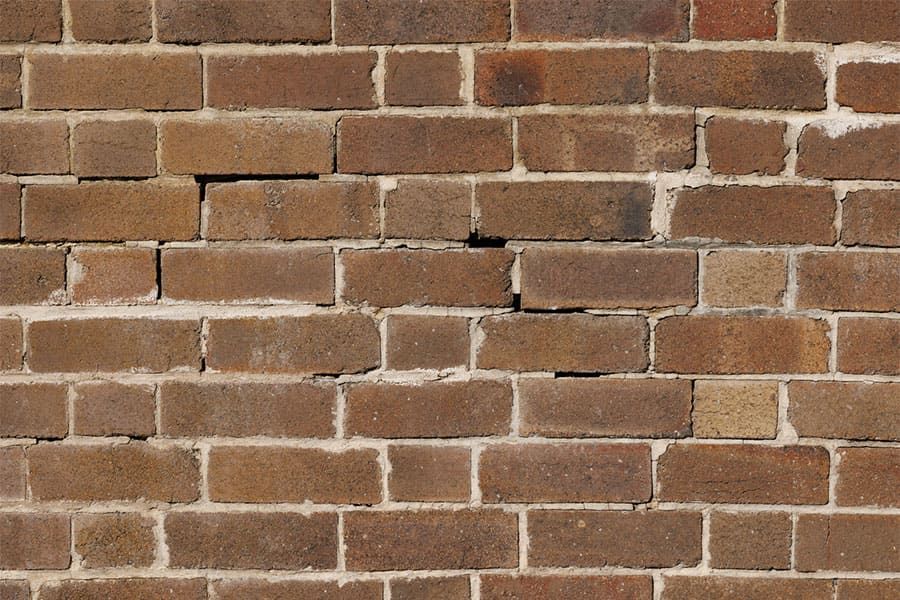
- Cracked mortar joints
- Corroded steel lintels
- Damaged shelf angles
- Interior wall deterioration
- Concrete façade damage
- Efflorescence and staining
- Sealant adhesion failure at adjacent joints
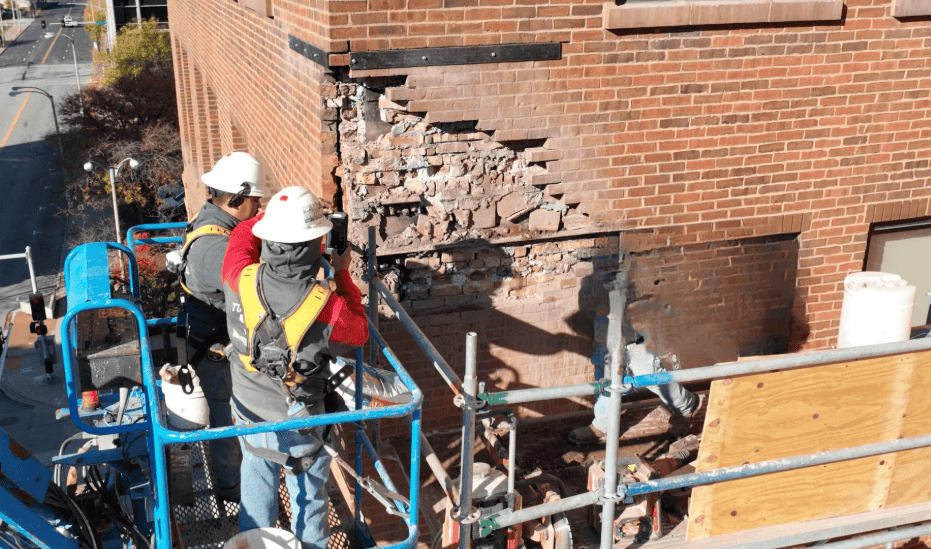
In many restoration projects, failed sealants are identified alongside tuckpointing, lintel replacement, flashing deficiencies, or localized masonry reconstruction work.
Water intrusion problems are also commonly concentrated around transitions, penetrations, windows, coping stones, and changes in plane where movement and detailing conditions are more complex.
One of the biggest challenges with sealant failures is that moisture damage often remains hidden for years before becoming visible from the exterior or inside the building. By the time leaks appear indoors, deterioration within the wall assembly may already be extensive.
Addressing sealant failures early can help reduce the likelihood of larger structural or façade-related repairs later.
What Proper Commercial Caulking Installation
Actually Involves
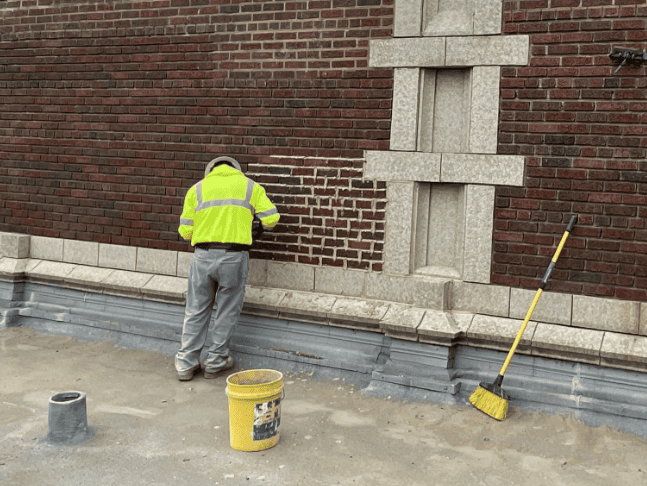
High-quality commercial caulking is much more than simply applying new sealant over old joints.
Long-term performance depends heavily on proper preparation, joint design, material compatibility, and installation sequencing.
Typical Commercial Caulking Process
- Existing sealants are removed completely
- Joint substrates are cleaned and prepared
- Deteriorated backing materials are replaced if necessary
- Proper backer rod depth is established
- Compatible commercial-grade sealants are installed
- Joints are tooled for proper adhesion and water shedding
Improper joint depth, poor substrate preparation, or incompatible sealants can significantly shorten service life.
Chicago Weather Conditions Accelerate Sealant Deterioration
Buildings throughout Chicago and Northwest Indiana experience constant environmental stress.
Sealant systems may be exposed to:
- Extreme temperature fluctuations
- Lakefront wind exposure
- Snow and ice accumulation
- UV exposure
- Wind-driven rain
- Repeated freeze–thaw cycling
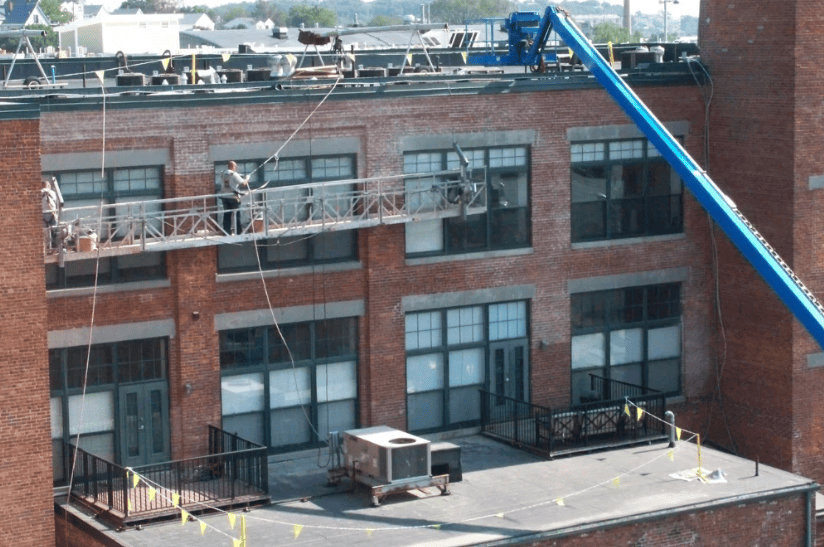
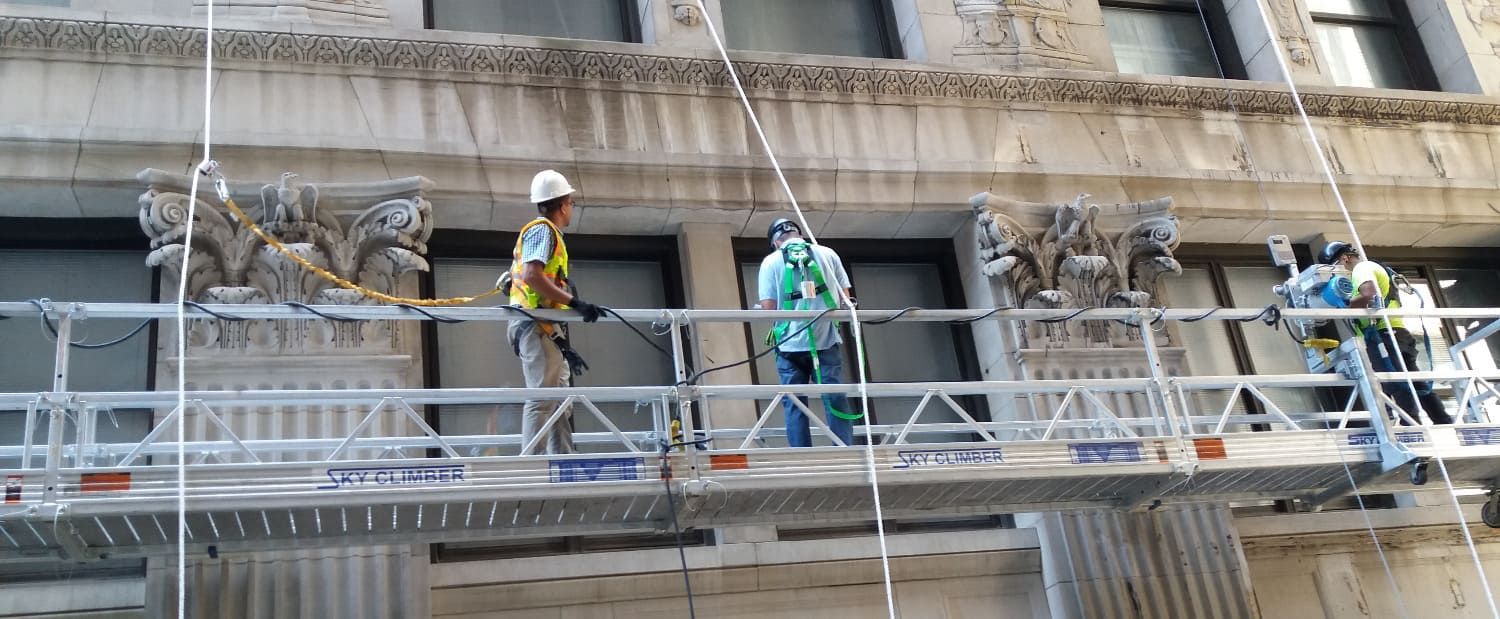
Older buildings, historic masonry structures, and high-rise façades are particularly susceptible to long-term sealant deterioration.
Buildings near Lake Michigan often experience accelerated weathering due to moisture exposure and stronger wind conditions.
Commercial Caulking Is Often Part of a
Larger Building Envelope Strategy
Many property managers first investigate caulking issues after recurring leaks appear inside the building. However, sealant failures are often interconnected with broader façade conditions.
Commercial caulking services are frequently performed alongside:
- Masonry restoration
- Tuckpointing
- Lintel and shelf flashing repairs
- Concrete façade repair
- Restorative cleaning
- Balcony restoration
- Window replacement projects
Coordinating these repairs together can help reduce redundant mobilization costs and improve long-term building performance.
When Should Commercial Caulking Be Replaced?
Sealant lifespan depends on material quality, exposure conditions, joint movement, joint design, and installation quality.
While many commercial sealants are expected to last 10–20 years, premature failure is common when joints experience excessive movement, poor adhesion, improper installation, or prolonged weather exposure.
According to an article published by The Construction Specifier, sealant durability is heavily influenced by a product’s ability to withstand both long-term weathering and repeated joint movement cycles.
Buildings in Chicago and Northwest Indiana often experience significant seasonal expansion and contraction due to wide temperature swings, freeze–thaw cycling, wind exposure, and moisture infiltration. These conditions place continuous stress on aging sealant systems.
Heavily exposed areas such as parapets, window perimeters, expansion joints, and transitions between materials may deteriorate faster than protected sections of the façade.
Routine façade inspections help identify failing joints before water infiltration causes larger issues. Common warning signs include:
- Cracking or splitting sealants
- Adhesion failure along joint edges
- Hardened or brittle sealant material
- Gaps at transitions or changes in plane
- Repeated moisture intrusion near windows or parapets
For Chicago-area properties, proactive inspection after winter is often beneficial due to seasonal movement and moisture exposure.
In many cases, sealant replacement is most effective when coordinated alongside broader masonry restoration work such as tuckpointing, flashing repairs, or façade rehabilitation.
How Commercial Property Managers Can Reduce
Water Intrusion Risks
Property managers and building engineers can significantly reduce long-term repair costs through proactive building envelope maintenance.
A few best practices include:
- Inspect sealant joints regularly
- Address small failures before leaks develop
- Investigate recurring moisture staining quickly
- Coordinate sealant repairs with masonry restoration work
- Prioritize high-exposure elevations and parapets
- Document known leak patterns over time
Water intrusion problems rarely improve on their own. Early intervention typically costs substantially less than widespread façade repairs later.
Frequently Asked Questions About Commercial Caulking
How long does commercial caulking last?
Commercial sealants typically last between 10–20 years depending on exposure conditions, joint movement, installation quality, and material type. Buildings exposed to harsh Chicago weather conditions may experience accelerated deterioration.
What causes commercial caulking to fail?
Common causes include UV exposure, freeze–thaw cycles, building movement, improper installation, poor substrate preparation, and aging materials. Water infiltration often begins after sealants crack, separate, or lose elasticity.
Can failed caulking cause masonry damage?
Yes. Failed sealants allow water to enter masonry wall systems, which can contribute to spalling brick, deteriorated mortar joints, rusting steel lintels, and interior moisture issues over time.
Title or What areas of a building usually need caulking repairs?
The most common locations include window perimeters, expansion joints, control joints, coping stones, precast panel joints, and transitions between masonry, concrete, and metal components.
Should commercial caulking be replaced during masonry restoration?
In many cases, yes. Sealant failures are often interconnected with masonry deterioration. Coordinating caulking repairs alongside tuckpointing, lintel repairs, or façade restoration can improve long-term performance and reduce future water intrusion risks.
Are you in need of commercial caulking services? If so, contact RestoreWorks today.