Historic Masonry: What Makes Older Brick More Sensitive
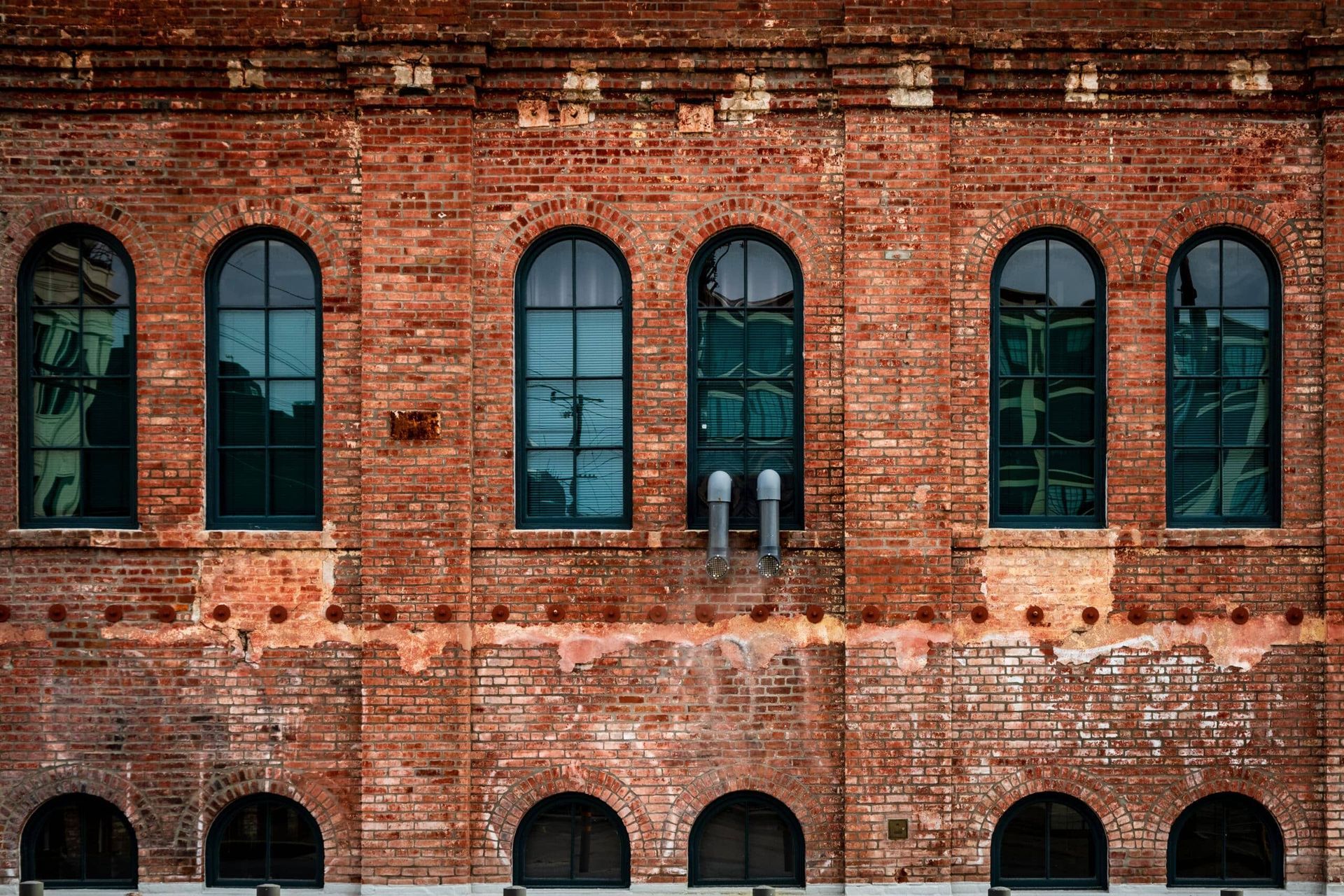
Historic masonry buildings across Chicago were built to perform differently than modern systems. The materials, construction methods, and assumptions behind them are not the same.
That’s where most problems start.
Older brick isn’t necessarily weaker, it’s more sensitive to change. When repairs ignore how these systems were designed to function, deterioration accelerates quickly.
Why Historic Masonry Behaves Differently
Historic masonry systems are designed to absorb movement and manage moisture rather than resist it.
Most older buildings include:
- Softer, more porous brick
- Lime-based mortar instead of cement
- Solid wall construction without modern drainage cavities
These systems rely on balance. Once that balance is disrupted, performance declines.
What Makes Older Brick More Sensitive?
Material Compatibility
Historic masonry depends on materials working together.
Lime mortar is softer and allows:
• Movement within the wall
• Moisture to evaporate
• The mortar to act as the sacrificial element
When harder cement mortar is introduced, the system changes:
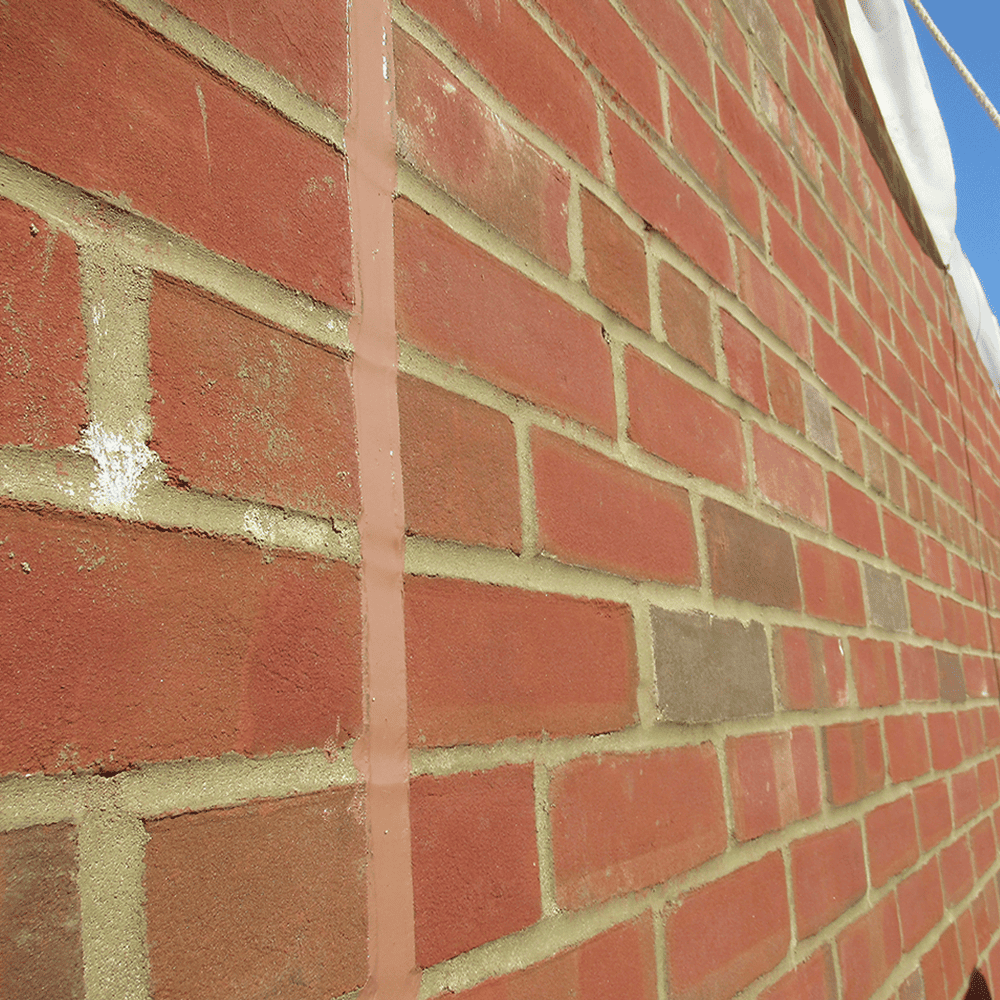
• Movement is restricted
• Stress shifts into the brick
• Damage becomes more severe and less predictable
Research published in The Construction Specifier highlights that when mortar is harder than the surrounding masonry, stresses are no longer absorbed by the joints. Instead, they are transferred into the brick or stone, often resulting in spalling of the masonry units while the mortar remains intact.
Excessively hard mortar can also trap moisture within the wall, accelerating deterioration over time.
This is one of the most common issues seen in historic masonry repairs.

Moisture Movement
Older masonry walls are not waterproof. They are designed to take on water and release it.
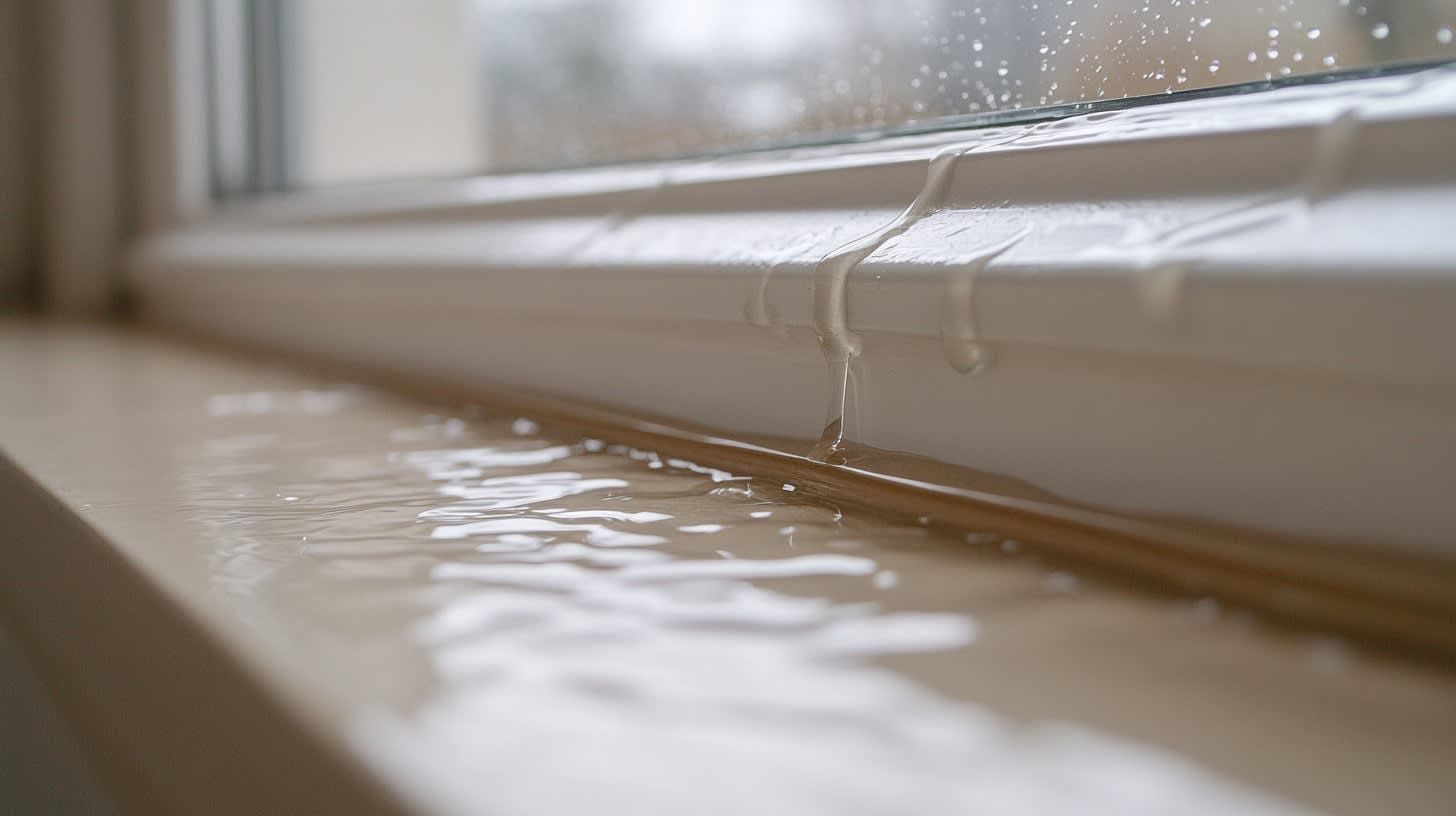
Moisture doesn’t enter masonry in just one way. According to the Mason Contractors Association of America, it moves through four primary mechanisms: water flow, airborne moisture, vapor diffusion, and capillary suction.
Historic brick is often considered “reservoir cladding,” meaning it absorbs and stores moisture rather than shedding it.
Problems occur when that process is interrupted:
• Sealants are overused
• Coatings trap moisture
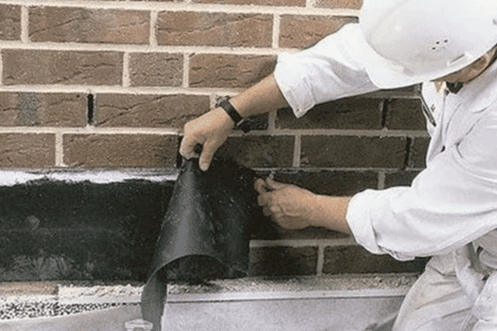
• Flashing is missing or failing
When moisture can’t escape, it becomes trapped within the wall system, sometimes referred to as a “moisture sandwich,” where materials on both sides prevent drying.
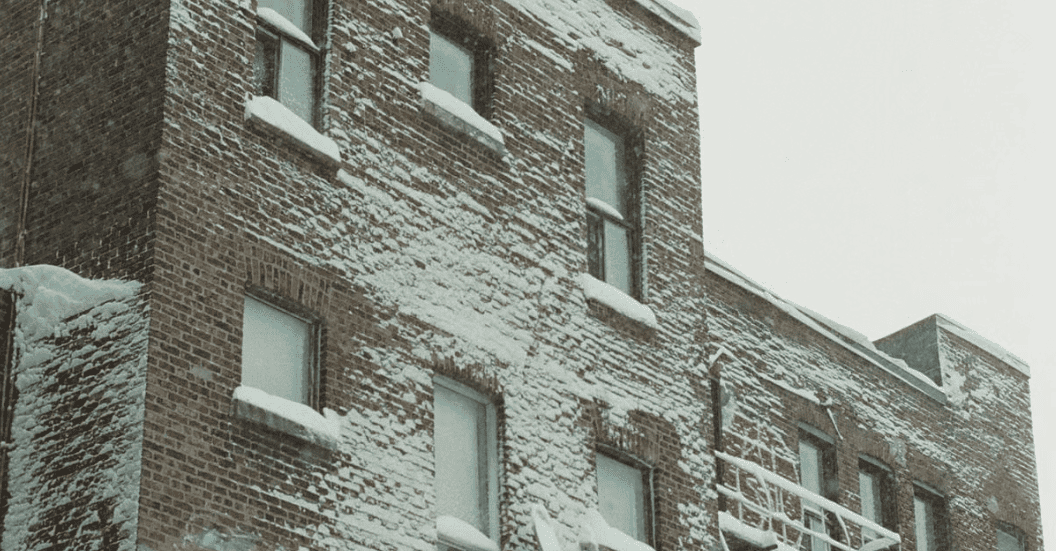
In Chicago, freeze–thaw cycles make this worse. Moisture that cannot escape expands in winter, leading to cracking and spalling.
Research from the International Scientific Committee on Energy and Sustainability on historic masonry in cold climates has shown that changes to wall systems, such as added insulation or surface treatments, can increase freeze–thaw exposure when moisture remains elevated within the brick. This is especially critical for more porous historic materials, where performance depends on the wall’s ability to dry.
Brick Porosity
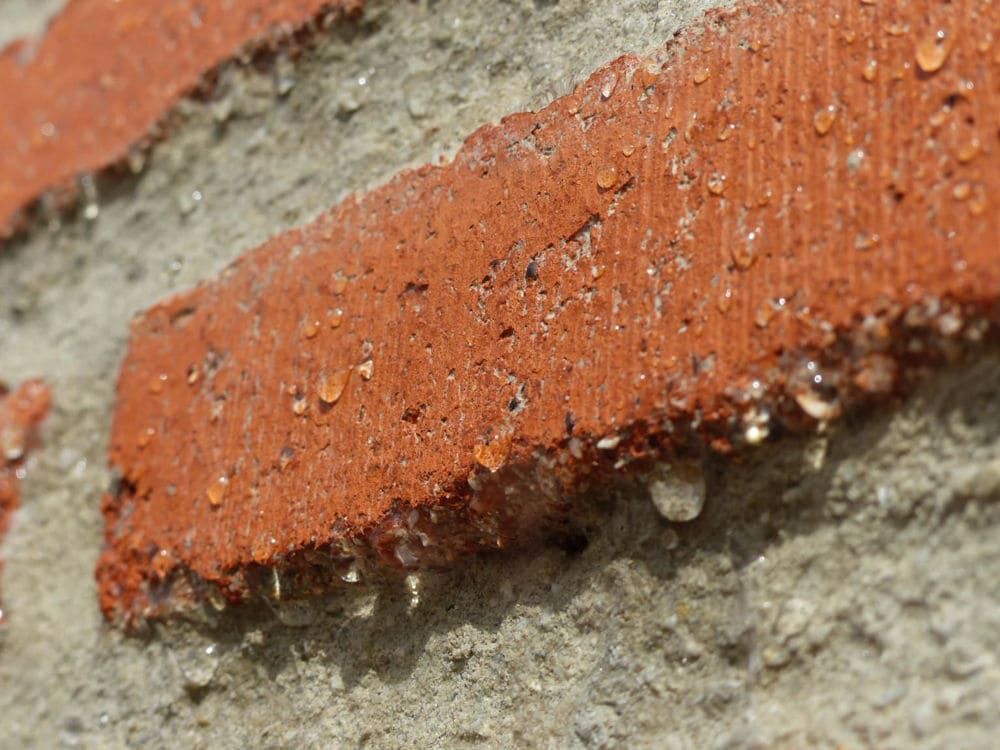
Historic brick is more porous than modern brick.
That porosity allows the wall to dry out, but it also means:
- Moisture moves through the brick more easily
- Damage happens faster when water is trapped
- Surface deterioration increases if the outer layer is removed
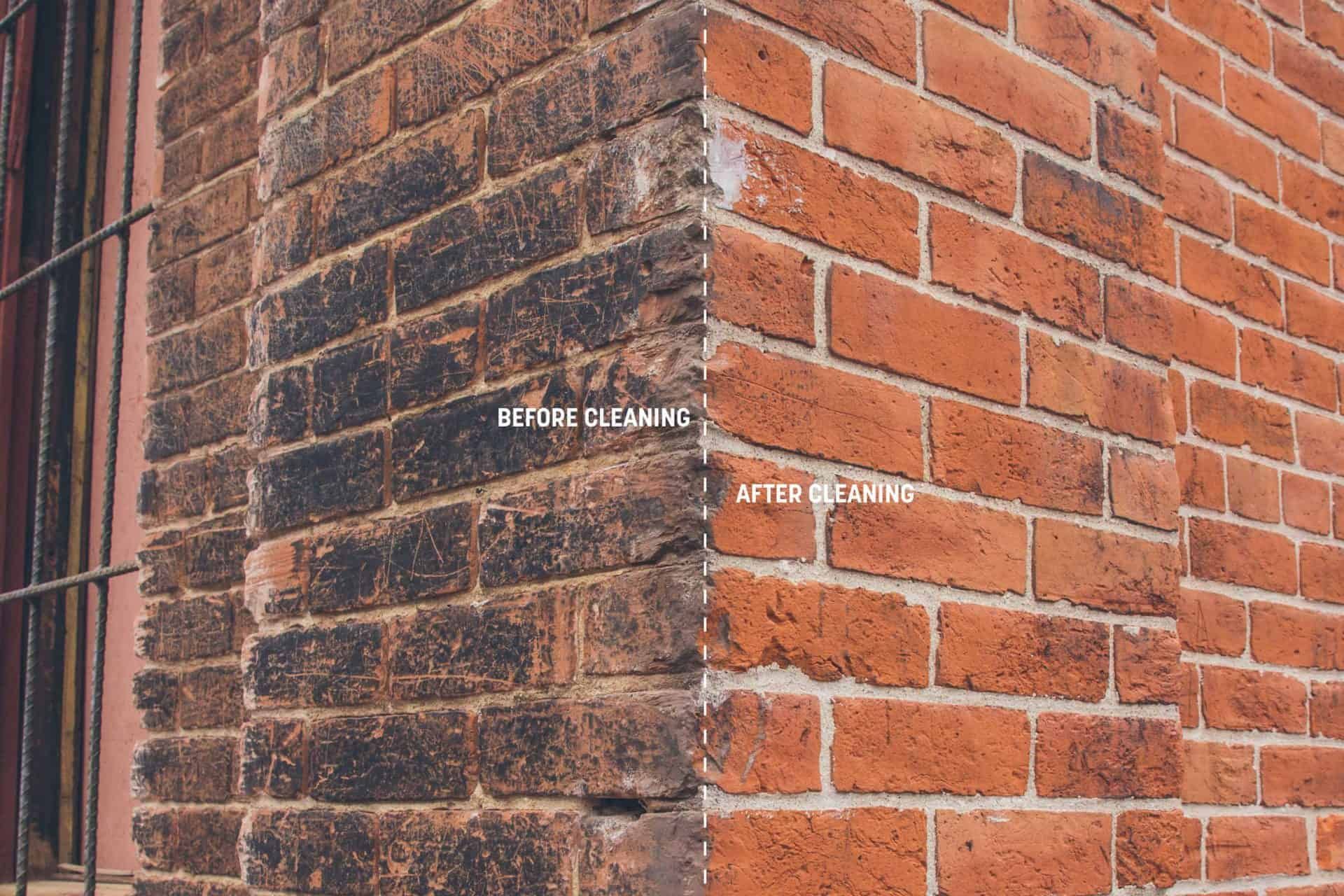
This is why improper cleaning or sealing can create long-term issues.
Aging Structural Components
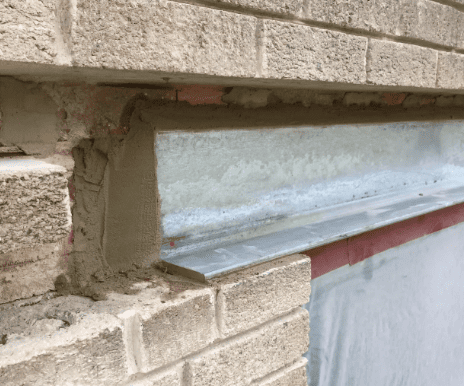
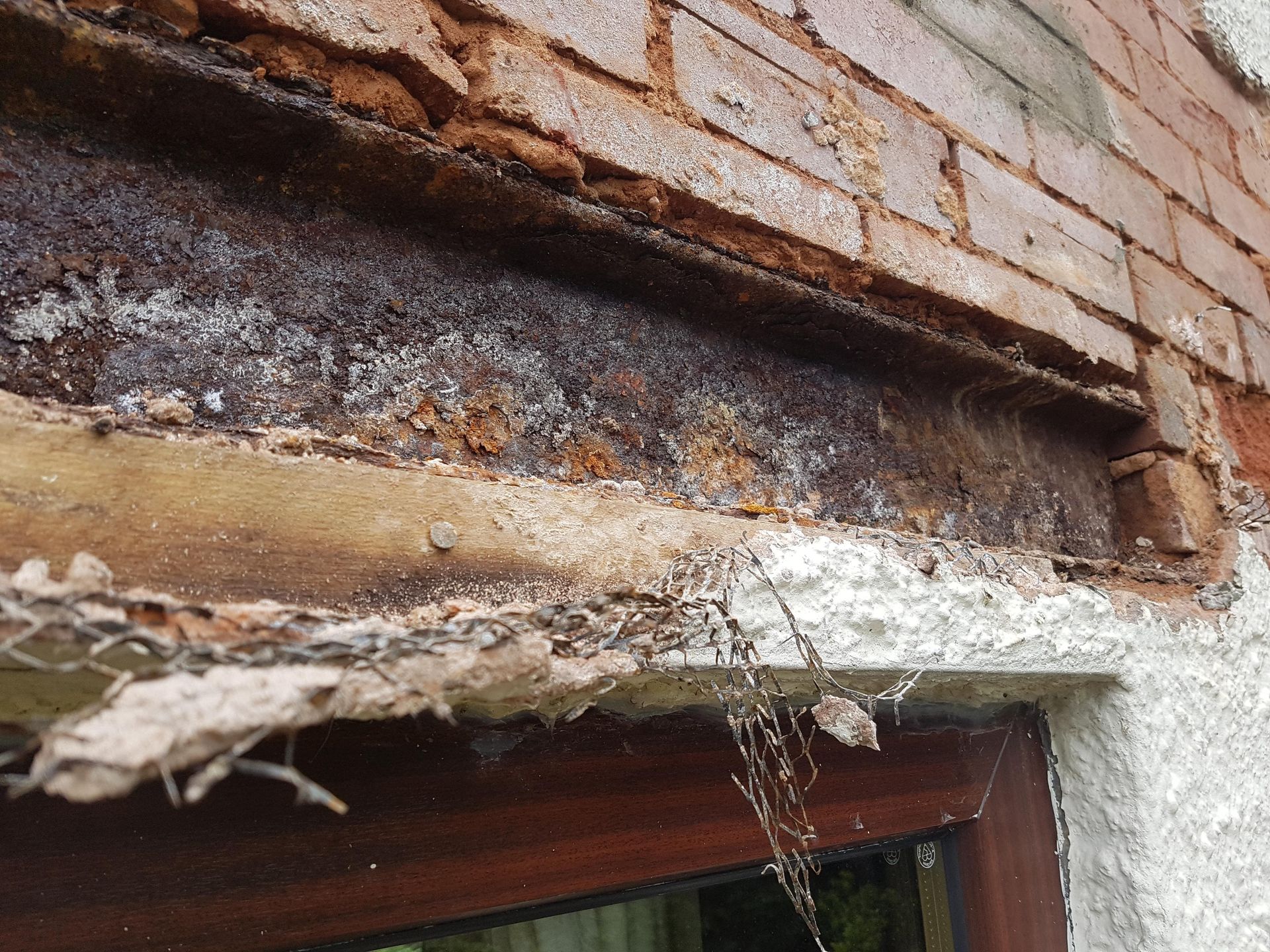
Many historic buildings rely on steel lintels to support masonry above openings.
In Chicago, this condition is especially common. As building methods evolved in the late 19th century, masonry began to function more as an exterior enclosure while structural loads were carried by steel framing and lintels across openings (Chicagology).
Over time:
- Moisture reaches the steel
- Corrosion begins
- Expansion pushes against surrounding brick
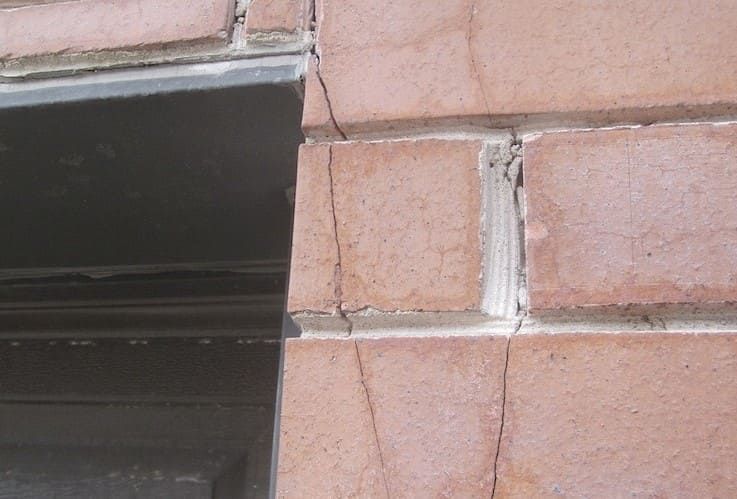
This often leads to visible issues such as cracking or displacement above windows and doors.
RestoreWorks has seen this firsthand on commercial properties where lintel and shelf flashing repair becomes necessary to stabilize the façade.
How Chicago Conditions Increase Sensitivity
Chicago’s environment doesn’t create these issues, but it exposes them faster.
Key factors include:
- Frequent freeze–thaw cycles
- Wind-driven rain, especially near the lakefront
- Aging building stock with original materials still in place
These conditions make proper historic masonry restoration critical for long-term performance.
Common Signs of Historic Masonry Issues
Recognizing early signs of sensitivity-related failure can prevent larger problems.
Common indicators include:
- Cracking in brick or mortar joints
- Efflorescence (white staining)
- Spalling or surface deterioration
- Rust staining near window or door openings
- Gaps or separation in mortar joints
If these signs are present, targeted repairs are typically required.

How Historic Masonry Should Be Repaired
Effective restoration focuses on restoring performance, not modernizing the system. Thoughtfully designed repairs help preserve the integrity of historic masonry and extend the life of the building for decades, something widely emphasized by organizations like the International Masonry Institute.
Key principles include:
• Matching original mortar composition and strength
• Allowing for proper moisture movement
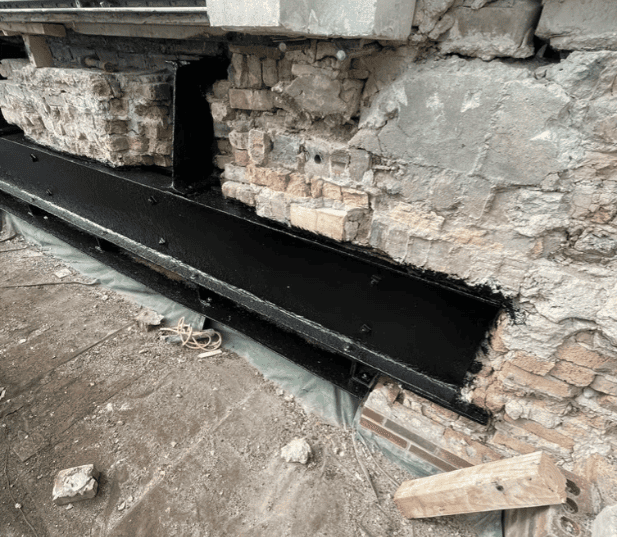
• Addressing structural issues like lintel corrosion
• Testing cleaning methods before full application
Mock-ups are often used to confirm materials and methods before proceeding. This ensures repairs perform as intended and align with the building’s original design.
On large-scale historic projects in Chicago, this often means addressing multiple failure points at once. For example, work on buildings like Navy Pier has involved managing water infiltration, repairing deteriorated steel lintels, and installing proper flashing systems to protect the wall assembly long-term.
Working with experienced restoration professionals is critical, as historic masonry requires an understanding of material behavior, wall systems, and appropriate repair strategies, not just general construction practices.
Where Restoration Services Apply
Most historic masonry projects involve a combination of:
- Tuckpointing to restore failing mortar joints
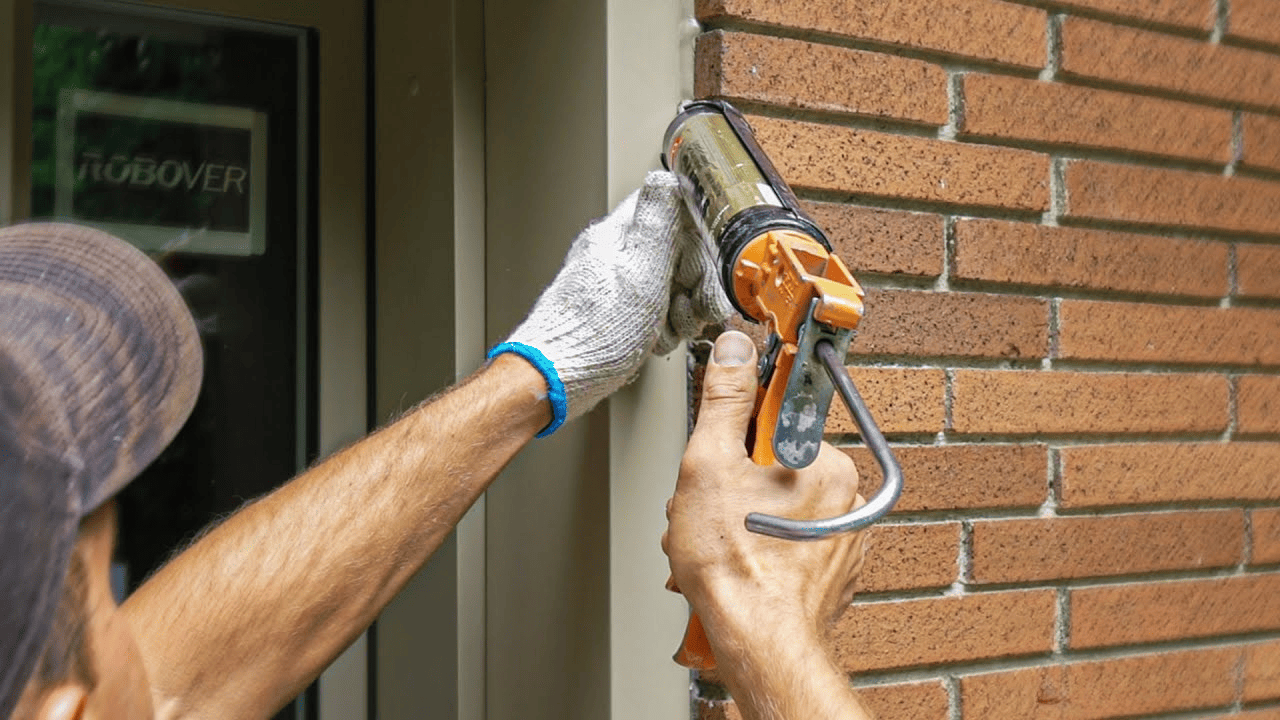
- Caulking and sealant repair for controlled moisture management
- Lintel and shelf flashing repair to address structural stress
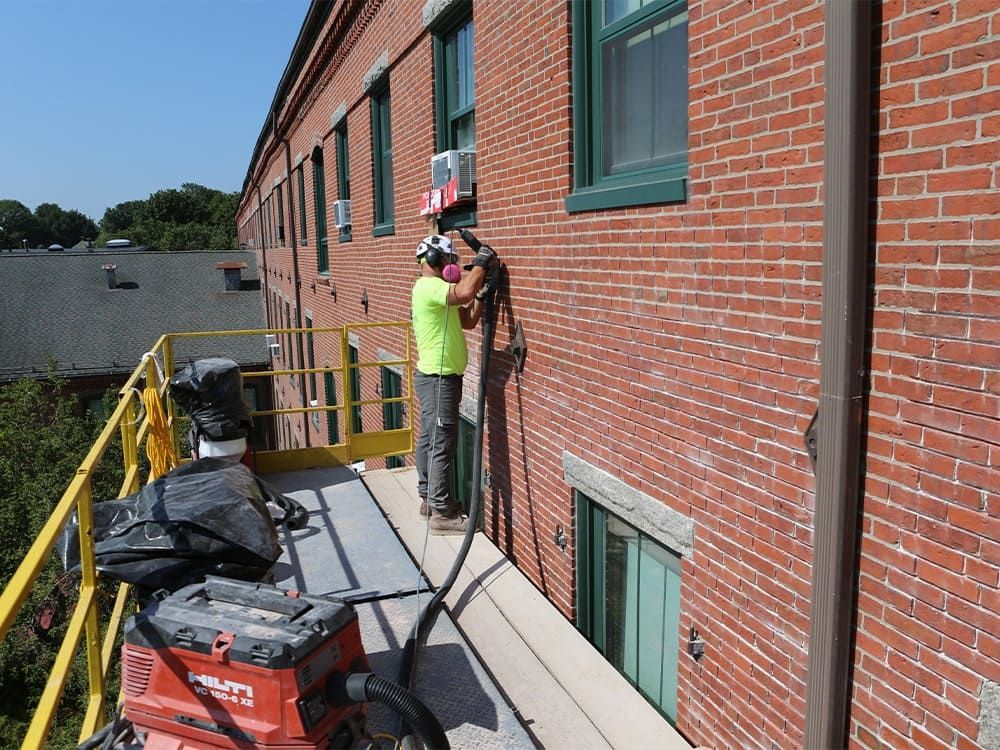
- Restorative cleaning using tested methods
- Masonry restoration for localized brick replacement
Each scope depends on how the building is performing, not just what is visible on the surface.
FAQs About Historic Masonry Sensitivity
Why is historic masonry more sensitive than modern masonry?
Historic masonry uses softer materials and relies on moisture movement. Small changes, like using the wrong mortar or trapping moisture, can disrupt the system and lead to faster deterioration.
Can modern materials be used on historic brick buildings?
In many cases, no. Modern materials are often too rigid or impermeable, which can cause stress buildup or moisture entrapment. Compatibility is critical.
What causes brick to start spalling on older buildings?
Spalling is typically caused by trapped moisture combined with freeze–thaw cycles. Incompatible mortar or coatings often contribute to the problem.
How often should historic masonry be inspected?
Every 3–5 years is standard, though buildings in harsher environments or with known issues may require more frequent inspections.
Why Understanding Sensitivity Matters
Understanding what makes historic masonry sensitive is important for maintaining older buildings.
When repairs respect how the system was designed to function, buildings perform for decades. When they don’t, issues compound quickly.
If you’re seeing early signs like cracking, staining, or movement around openings, it’s worth evaluating before it turns into a larger repair scope. Contact RestoreWorks if you have any questions about historic masonry restoration or are interested in a free quote.