Concrete Restoration vs. Replacement: How to Decide
Concrete Restoration vs. Replacement: Which Option Makes Sense for Your Building?
Concrete deterioration is a common challenge for commercial, institutional, and multi-family buildings throughout Chicago and Northwest Indiana. Whether the issue involves a parking structure, balcony, façade, stair system, or structural concrete element, owners are often faced with the same question:
Should the concrete be restored, or does it need to be replaced?
The answer depends on several factors, including the extent of deterioration, structural integrity, budget, building use, and long-term ownership goals. Understanding the differences between restoration and replacement can help building owners make informed decisions while avoiding unnecessary costs.
Industry standards also play an important role in the evaluation process. The American Concrete Institute's (ACI) ACI 562: Assessment, Repair, and Rehabilitation of Existing Concrete Structures is the first code developed specifically for repairing reinforced concrete. The code establishes requirements for evaluating existing conditions, designing repairs, improving durability, and extending the service life of concrete structures. As a result, determining whether restoration or replacement is appropriate often involves more than visual observations alone, as it requires a thorough assessment of the structure's condition and long-term performance goals.
What Is Concrete Restoration?
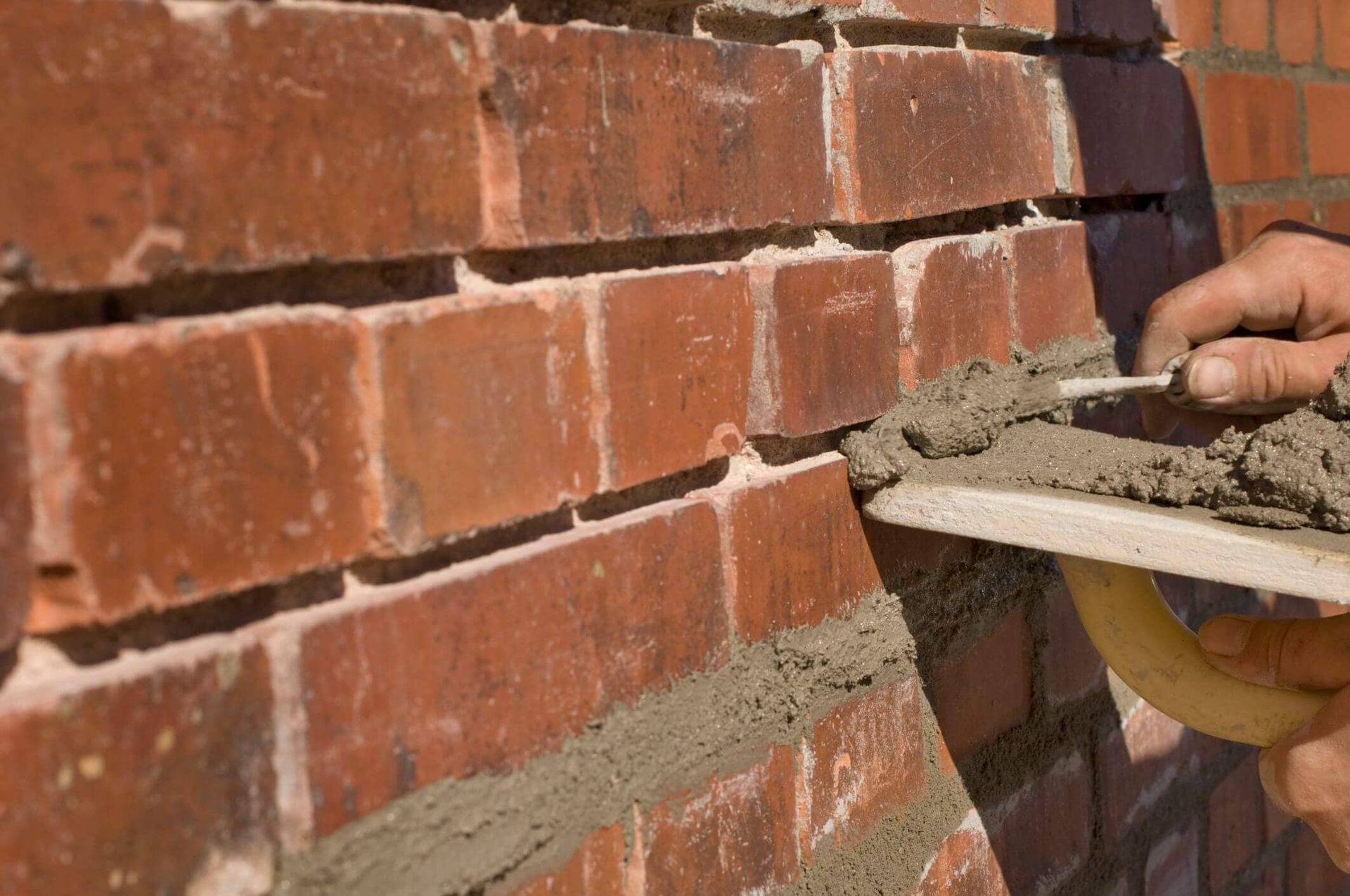
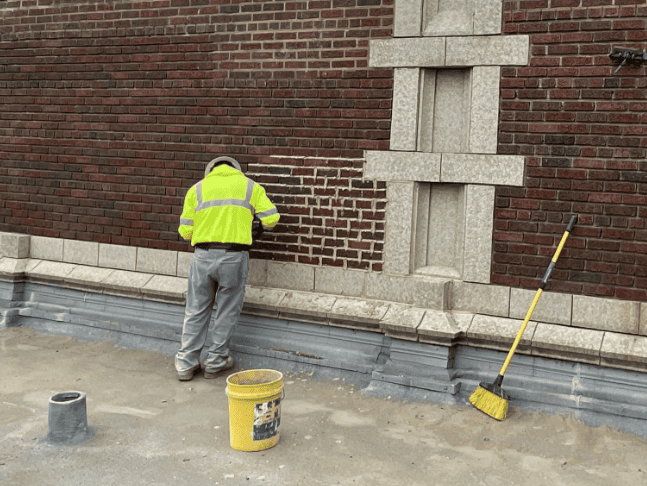
Concrete restoration involves repairing damaged concrete while preserving as much of the original structure as possible.
Rather than removing and rebuilding entire sections, restoration focuses on addressing deterioration, stopping further damage, and extending the service life of the concrete assembly.
Common concrete restoration methods include:
- Concrete patching
- Crack repair
- Corrosion mitigation
- Surface restoration
- Balcony repairs
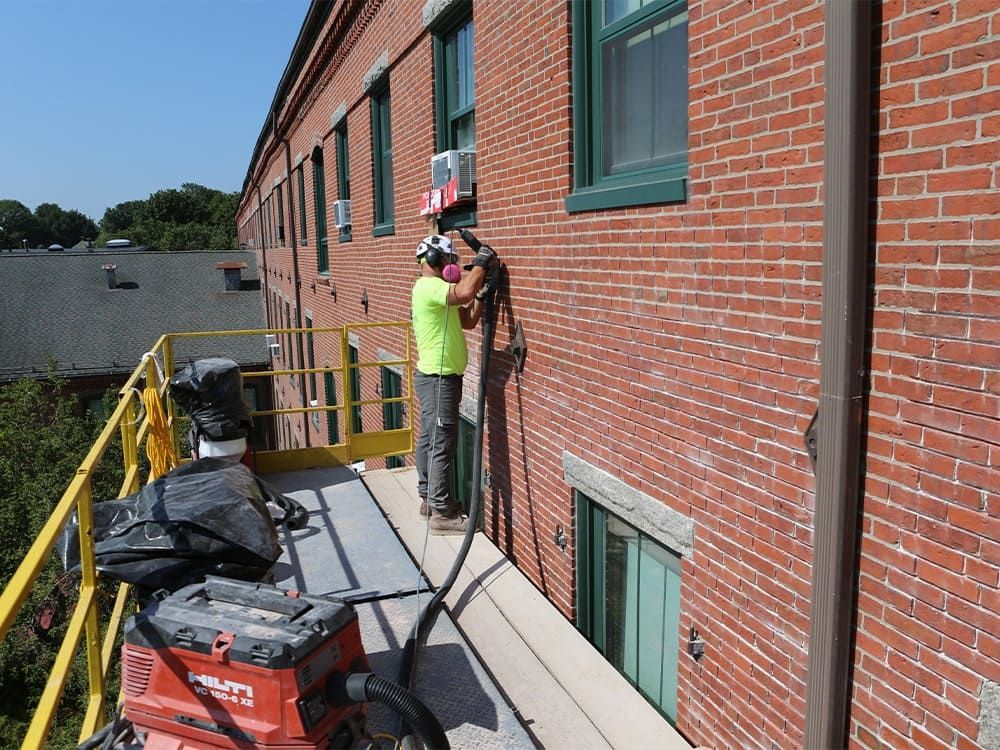
- Concrete façade repair
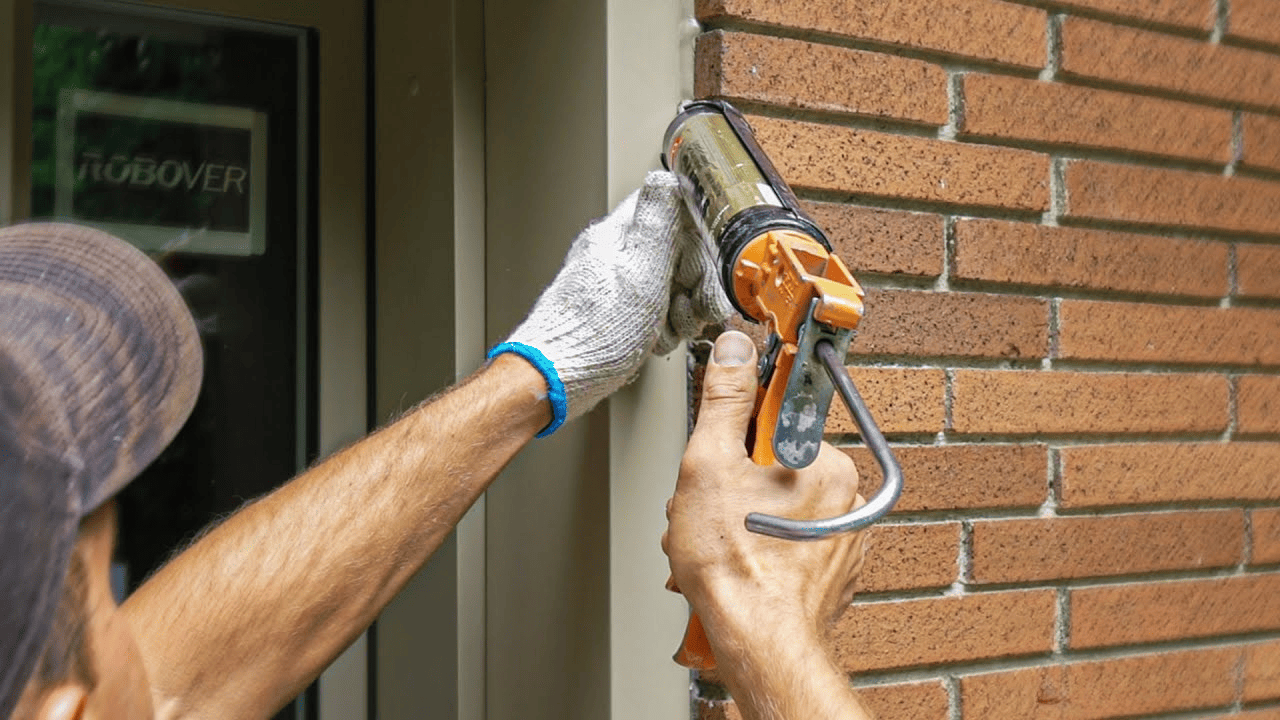
- Joint sealant replacement
- Waterproofing improvements
When performed correctly, concrete restoration can significantly extend the lifespan of a structure without the disruption and expense associated with full replacement.
What Is Concrete Replacement?
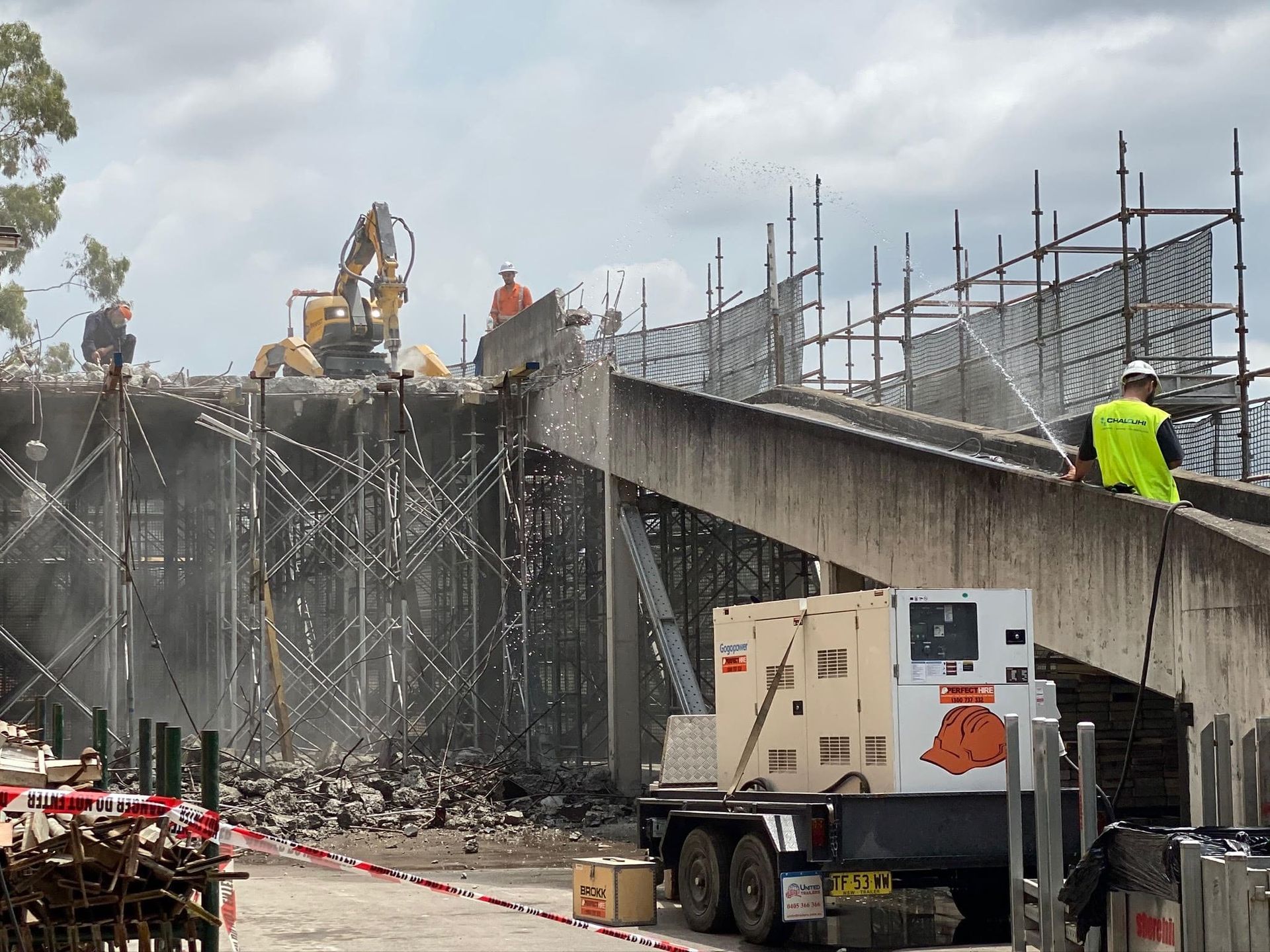
Concrete replacement involves removing deteriorated concrete and installing new material in its place.
Replacement may involve:
- Partial slab replacement
- Full slab replacement
- Balcony reconstruction
- Structural member replacement
- Complete rebuilding of concrete assemblies
While replacement often requires a larger upfront investment, it may be necessary when deterioration has progressed beyond what repairs can reliably address.
Signs Concrete Restoration May Be the Better Option
In many commercial concrete repair projects, restoration is the most practical solution.
Restoration is often appropriate when:
Damage Is Localized
If deterioration is limited to specific areas, targeted repairs can address the issue without replacing entire assemblies.
Examples include:
- Isolated spalling
- Minor delamination
- Surface cracking
- Localized corrosion damage
- Small concrete façade defects
Structural Capacity Remains Intact
A structural engineer may determine that the underlying concrete still retains sufficient strength and load-carrying capacity.
In these cases, repairs can restore performance while preserving the original structure.
The Building Is Occupied
Concrete restoration often creates less disruption for tenants, employees, residents, and visitors than full replacement projects.
This can be particularly important for:
- Multi-family residential buildings
- Healthcare facilities
- Schools
- Commercial office buildings
Budget Constraints Are a Factor
Although every project is different, restoration is frequently less expensive than complete replacement, especially when deterioration is identified early.
Signs Concrete Replacement May Be Necessary
Some conditions indicate that repairs alone may not provide a long-term solution.
Widespread Reinforcing Steel Corrosion
Concrete deterioration often begins when moisture and chlorides reach embedded reinforcing steel.
As steel corrodes, it expands, creating internal pressure that can lead to:
- Cracking
- Delamination
- Spalling
- Structural weakening
When corrosion becomes extensive throughout a concrete assembly, replacement may be more cost-effective than repeated repairs.
Significant Structural Deterioration
Replacement may be necessary if:
- Load-bearing elements are compromised
- Reinforcement loss is severe
- Structural movement has occurred
- The concrete no longer meets design requirements
In these situations, restoration efforts may only provide temporary relief.
Repeated Repair Failures
If a concrete area has undergone multiple repair cycles and deterioration continues to return, replacement may offer a more reliable long-term solution.
Repeated patching without addressing underlying causes can increase maintenance costs over time.
End-of-Service-Life Conditions
Some concrete assemblies eventually reach a point where replacement becomes the most practical investment.
This is especially true when deterioration affects large portions of the structure and future repair costs are expected to continue increasing.
How Chicago's Climate Impacts the Decision
Buildings throughout Chicago and Northwest Indiana face environmental conditions that accelerate concrete deterioration.
These factors include:
- Freeze-thaw cycling
- Snow and ice removal salts
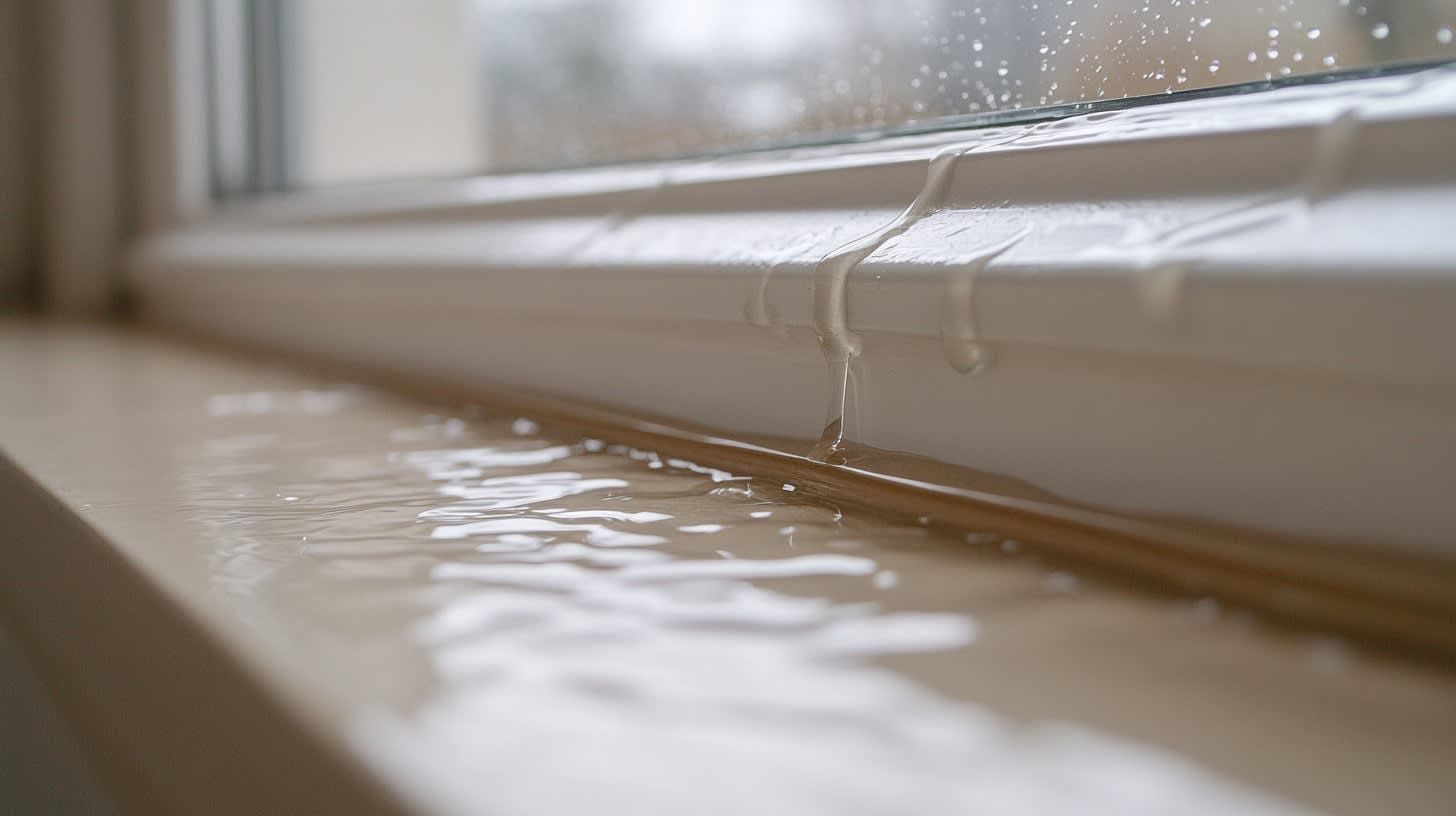
- Moisture infiltration
- Temperature fluctuations
- Lakefront exposure
- Wind-driven precipitation
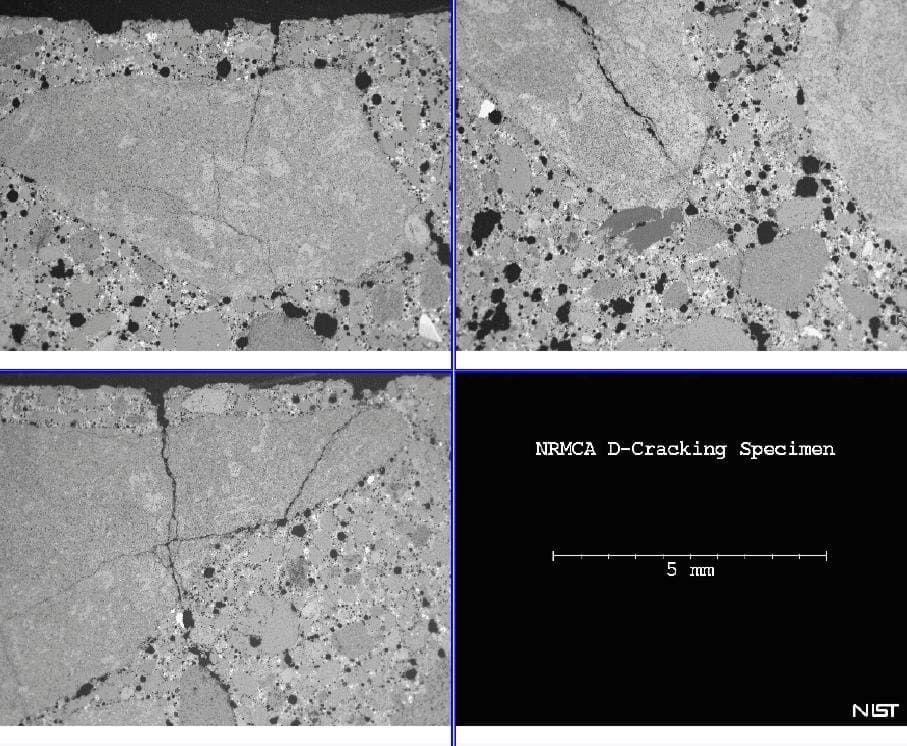
Freeze-thaw cycling is particularly damaging to concrete. When water enters the pores of concrete and freezes, it expands, creating internal stresses within the material. Over repeated freezing and thawing cycles, these stresses can lead to cracking and progressive deterioration. The University of Illinois Concrete Microscopy Library provides additional information on how freeze-thaw damage develops within concrete.
Over time, these conditions can contribute to cracking, spalling, corrosion, and water intrusion.
Because deterioration can progress beneath the surface before becoming visible, regular inspections are essential for identifying problems before replacement becomes necessary.
Common Areas Where Restoration Is Often Successful
Many commercial concrete repair projects involve restoring specific building components rather than replacing them entirely.
Examples include:
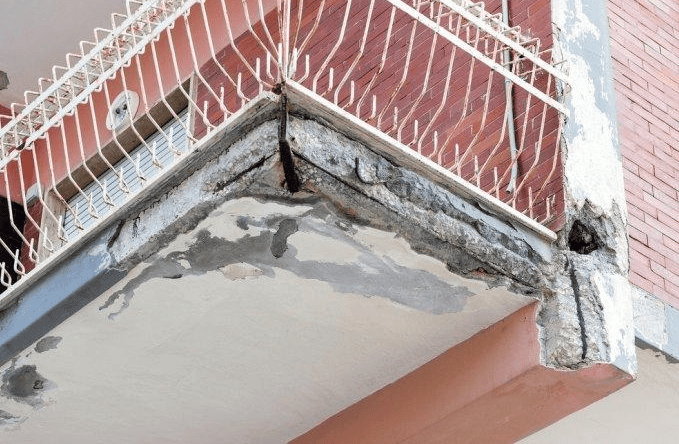
Concrete Balconies
Concrete balcony restoration may involve:
- Concrete repairs
- Reinforcing steel treatment
- Waterproofing improvements
- Joint replacement
- Protective coatings
Early intervention can often preserve balcony structures and delay major reconstruction.
Concrete Façades
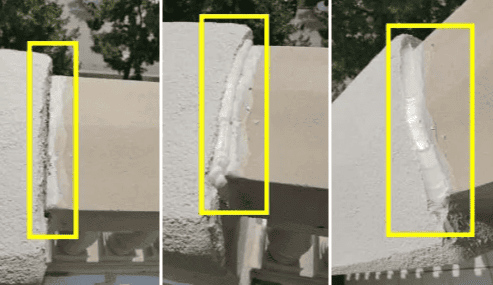
Concrete façade repair can address:
- Surface spalling
- Cracks
- Delamination
- Exposed reinforcement
- Water infiltration pathways
These repairs help maintain both structural performance and building appearance.
Key Questions to Ask Before Choosing Restoration or Replacement
Before moving forward with either option, building owners should evaluate several factors.
Ask:
- How extensive is the deterioration?
- Is the reinforcing steel significantly compromised?
- What is the projected remaining service life?
- What are the long-term maintenance implications?
- How disruptive would replacement be to building operations?
- Has a structural engineer evaluated the condition?
- Are there underlying water infiltration issues contributing to deterioration?
The answers often help determine whether restoration or replacement provides the best long-term value.
Why Early Assessment Matters
One of the most expensive mistakes building owners make is waiting until deterioration becomes severe before taking action.
Many concrete repair projects begin as relatively manageable issues but become significantly more costly once corrosion spreads and structural damage develops.
The importance of early evaluation is reflected in industry guidance such as ACI 562, the code for assessment, repair, and rehabilitation of existing concrete structures. An International Concrete Repair Institute (ICRI) overview of ACI 562 highlights that the repair process begins with evaluating the structure, determining the extent of deterioration, assessing structural capacity, and considering the long-term durability of repairs.
Early condition assessments can help:
- Identify hidden deterioration
- Reduce repair costs
- Improve budgeting accuracy
- Extend service life
- Improve occupant safety
For commercial and multi-family properties, proactive evaluation often creates more options and better outcomes.
Frequently Asked Questions About Concrete Restoration and Replacement
Is concrete restoration cheaper than replacement?
In many cases, yes. Concrete restoration is often less expensive because it preserves existing structural components. However, if deterioration is widespread or structural capacity is compromised, replacement may provide better long-term value despite higher upfront costs.
How long does concrete restoration last?
The lifespan of concrete restoration depends on the repair method, environmental conditions, and underlying causes of deterioration. Properly designed and executed repairs can often extend service life by many years when supported by ongoing maintenance.
Can spalling concrete be repaired?
Yes. Many instances of spalling concrete can be repaired through concrete restoration techniques. The appropriate repair depends on the depth of deterioration, reinforcing steel condition, and extent of damage.
When should concrete be replaced instead of repaired?
Replacement may be necessary when structural deterioration is severe, reinforcing steel loss is extensive, repair failures continue to recur, or the concrete assembly has reached the end of its practical service life.
How do I know if my building needs a concrete assessment?
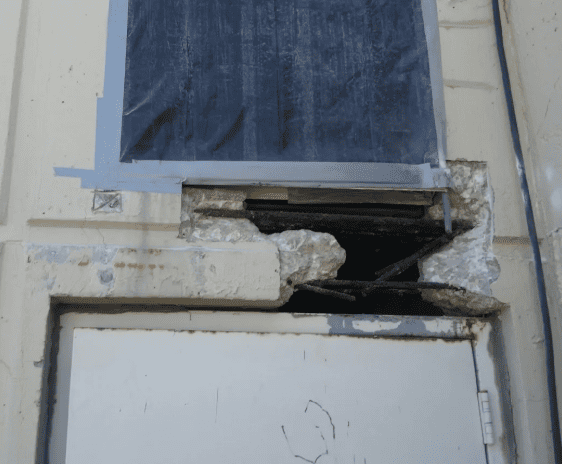
If you observe cracking, spalling, rust staining, exposed reinforcement, displaced concrete, or water infiltration, a professional assessment can help determine the extent of deterioration and identify appropriate repair options.
Making the Right Long-Term Decision
The decision between concrete restoration and replacement should be based on condition, performance requirements, life-cycle costs, and future ownership goals.
Many commercial concrete repair projects can be successfully restored when deterioration is identified early. However, when structural damage becomes extensive, replacement may provide the most reliable long-term solution.
A thorough evaluation by experienced restoration professionals and structural engineers can help determine the most effective path forward while protecting the long-term value of the building. Contact RestoreWorks to learn more.