Expert Mortar Joint Repair in Chicago: Secure Your Building’s Integrity
Maintaining the integrity of your commercial building’s mortar joints is essential for preserving both structural stability and property value, especially in Chicago's variable climate. Our services in Chicago and the surrounding suburbs ensure that your property remains in top condition, warding off the local weather's harsh effects on mortar.
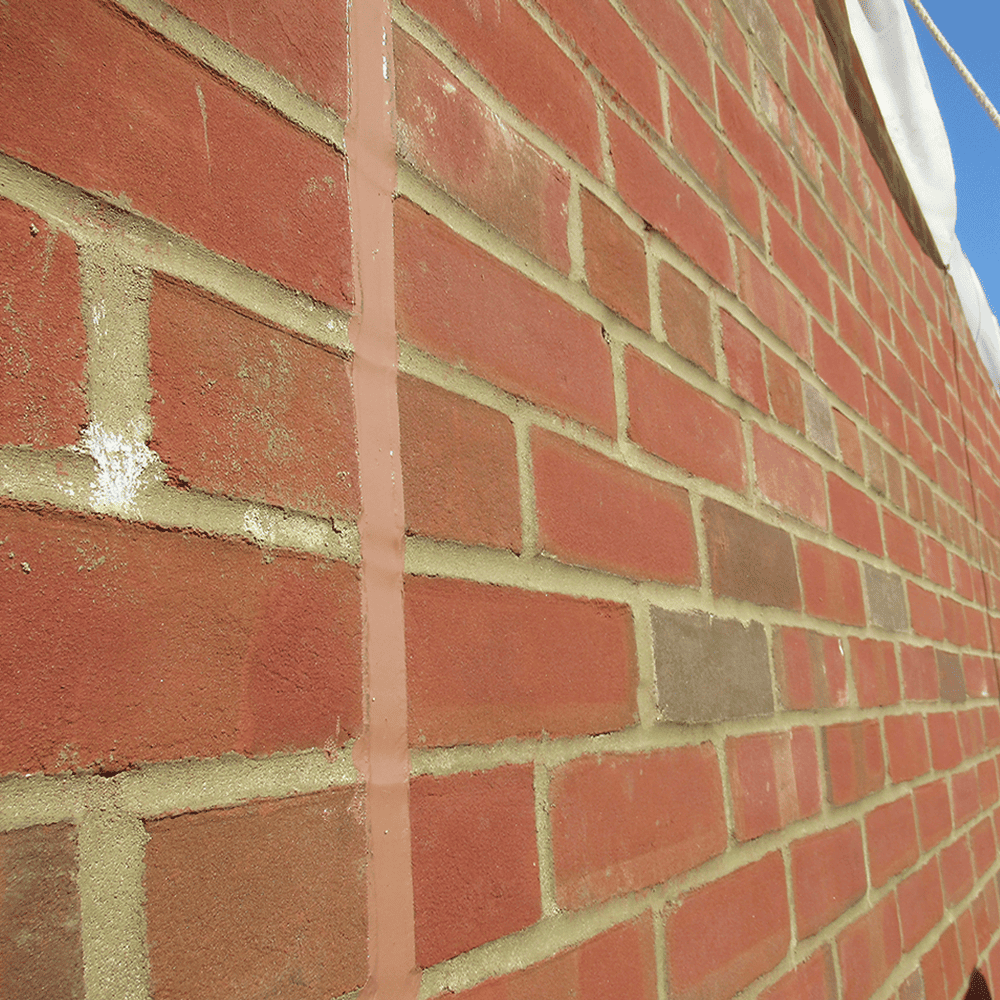
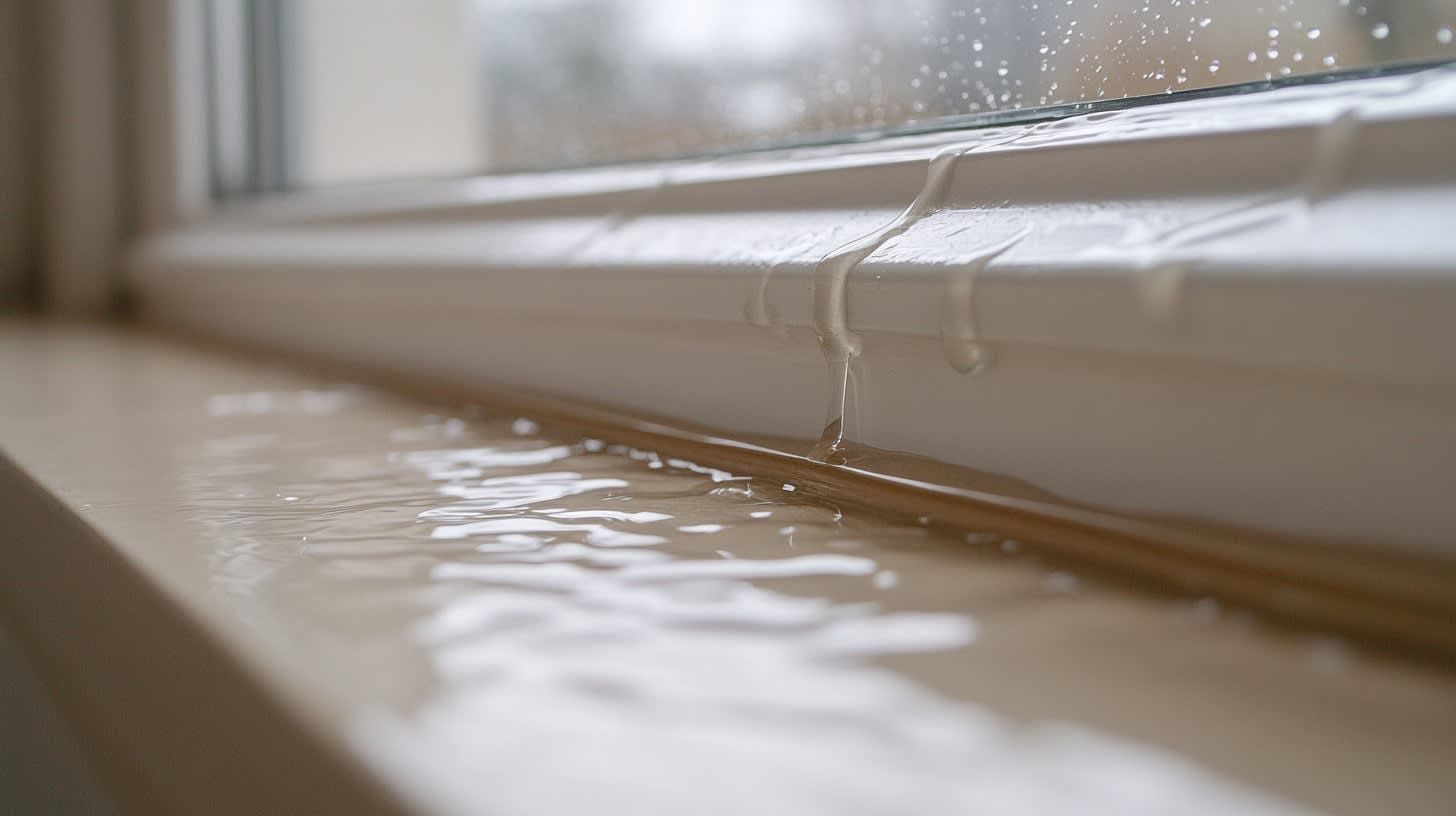
Mortar joints, though often underestimated, are the backbone of a building's masonry system, holding everything together discreetly. When these joints are compromised by cracks, gaps, or crumbling, they can become gateways for water ingress, which, if left unchecked, can undermine the building's structure and lead to significant damage.
Recognizing the Signs of Mortar Joint Wear in the Windy City
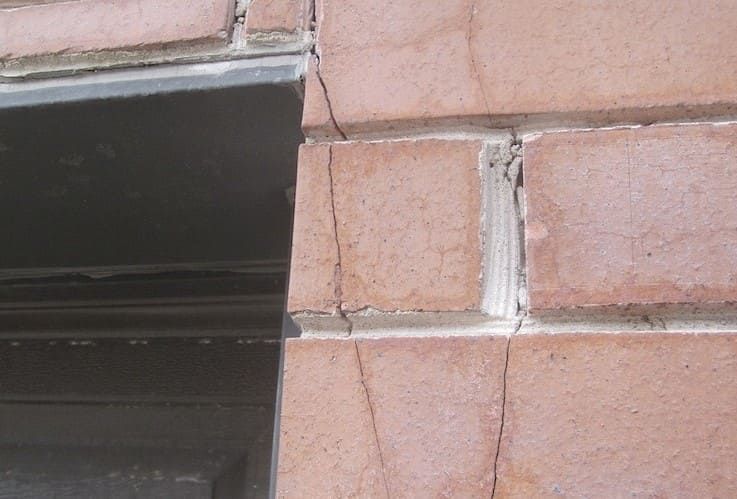
In the realm of commercial real estate management, it is vital to stay vigilant for signs of mortar joint deterioration. Cracking, eroding, or gaping joints are early warnings that require immediate attention. While they might appear to be minor surface issues at first, these defects can allow moisture to infiltrate, potentially compromising the building’s structural soundness and decreasing its value.
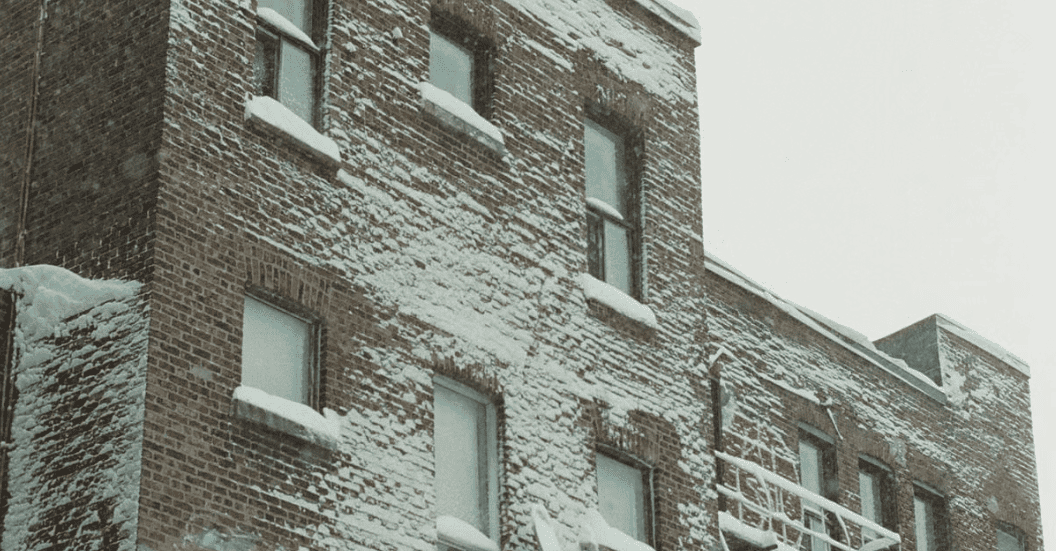
Property managers in Chicago and neighboring regions know too well that the fluctuating temperatures and lake-effect weather can accelerate wear on buildings. It’s vital to identify and address any signs of mortar joint damage, such as gaps or cracks, which are common in our local environment.
Common Areas for Mortar Joint Deterioration in Chicago Properties
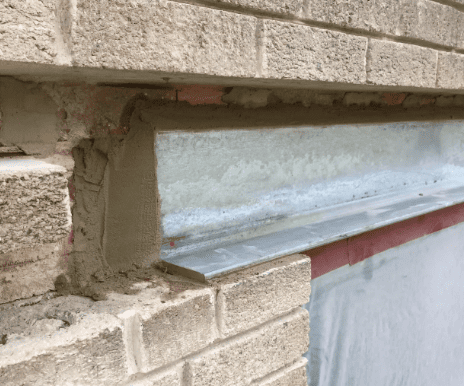
In the bustling city of Chicago and its suburbs, areas most affected by mortar joint deterioration include exposed parapet walls and chimneys, which often face the brunt of Chicago’s windy conditions. Window sills and rooflines, particularly in older buildings that characterize some Chicago neighborhoods, also require frequent inspection and maintenance. Similarly, the foundation walls, especially near the ground level where water can splash and collect, are prone to deterioration. Regular monitoring of these areas can prevent minor issues from escalating into costly repairs.
Causes of Mortar Joint Damage
The degradation of mortar joints can be attributed to various factors, including prolonged exposure to adverse weather conditions, thermal expansion and contraction, and even the quality of the mortar mix used during construction. Poor building practices or subpar materials can significantly shorten the lifespan of mortar joints. Vibrations from heavy traffic or nearby construction activities can also contribute to the weakening of these joints over time.
The Long-Term Value of Mortar Joint Maintenance
Investing in professional mortar joint repair goes beyond fixing immediate problems—it's about preserving and enhancing the longevity and worth of your property. Promptly addressing damaged joints halts moisture penetration that could cause extensive structural and interior damage. An impeccable exterior contributes to curb appeal, reinforces the structure's resilience, and averts more severe and expensive repairs down the line.
Choosing a Qualified Mortar Joint Repair Contractor
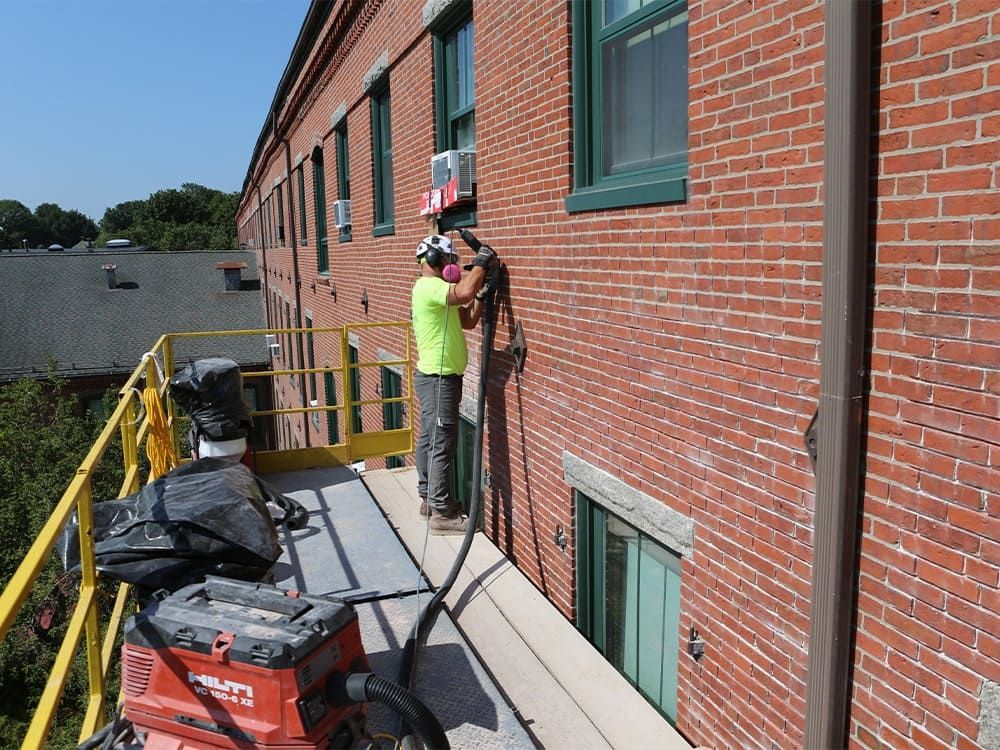
When it's time to address damaged mortar joints, selecting a contractor with extensive experience in commercial property restoration is crucial. A qualified contractor will not only repair common mortar joint types, such as raked or extruded, but will also conduct a thorough assessment to determine the most effective repair strategy. This level of expertise not only ensures a meticulous repair but also helps prevent further damage, maintaining the building’s aesthetics and structural integrity.
The Importance of Local Expertise in Mortar Joint Repair
For Chicago-based commercial properties, choosing a repair service with local expertise is crucial. Our familiarity with Chicago's architecture and climate-specific challenges ensures that we can provide tailored solutions for your building's needs, whether you're located in the heart of the city or in the greater Chicagoland area.
At RestoreWorks, we recognize the particular needs of Chicago and the surrounding communities when it comes to maintaining commercial properties. For a detailed evaluation and expert maintenance solutions in the Chicagoland area, reach out for a free consultation. Let us help you maintain the integrity and boost the value of your commercial property with our specialized local knowledge.