Ensuring the Integrity of Your Building with Expert Joint Maintenance and Repair
RestoreWorks

Commitment to Durability through Joint Maintenance


Effective maintenance of control and expansion joints is not merely an option—it's imperative for the structural longevity of any edifice. Control joints are designed to mitigate cracking by pre-determining the location of these stress releases, while expansion joints play a critical role in accommodating the natural thermal movement of building materials, thus preventing damage.


Diligent Inspection: The Key to Joint Longevity


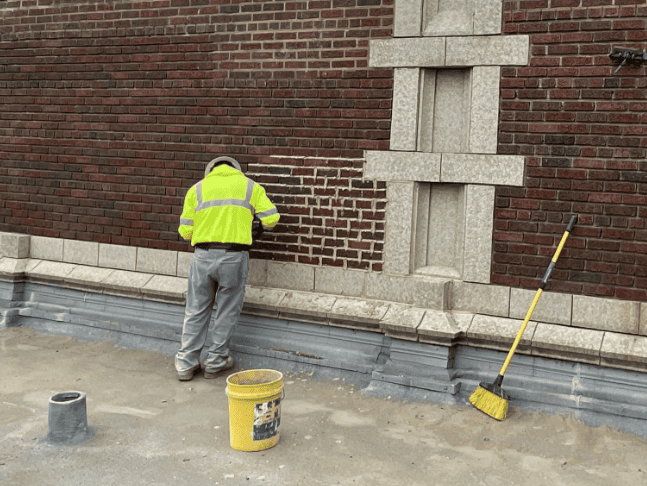
The longevity of a building's expansion and control joints is heavily dependent on the regularity and thoroughness of inspections. RestoreWorks prides itself on a detailed, methodical inspection process that highlights any signs of wear, misalignment, or damage. Our prompt interventions prevent minor issues from becoming costly repairs, ensuring the ongoing stability and structural integrity of your property.


Proactive Repairs to Sustain Building Stability


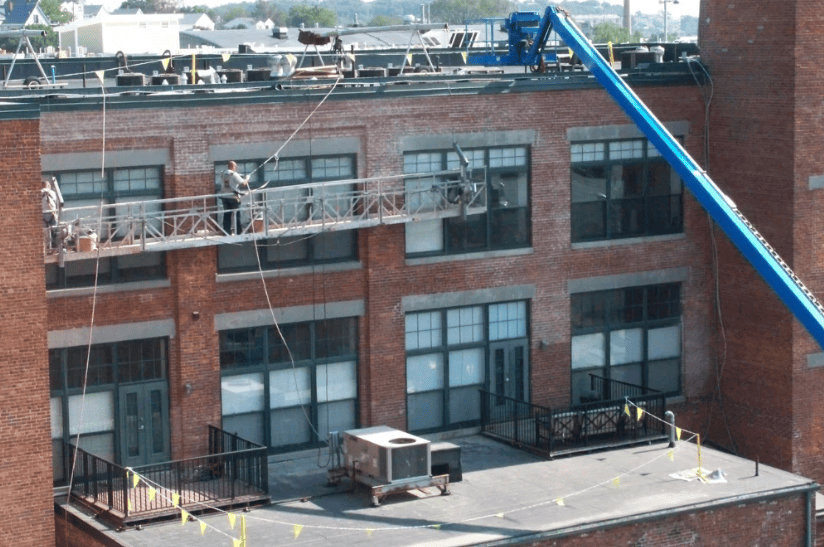
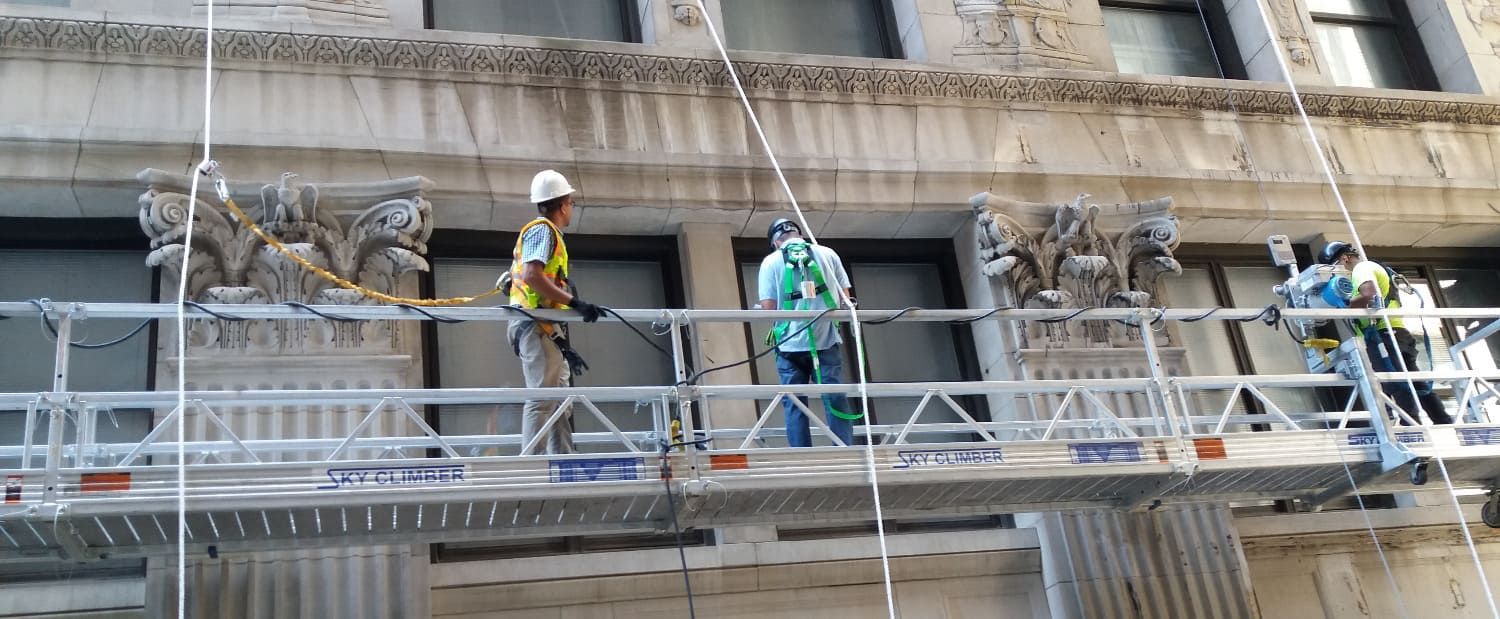
Our approach to joint repair is as proactive as it is precise. By swiftly addressing and rectifying signs of joint degradation, we maintain the building's stability. RestoreWorks is not just a service provider but a partner in preserving the enduring resilience of your building, as evidenced by our work on many noteworthy and landmark structures.


Indicators of Joint Distress


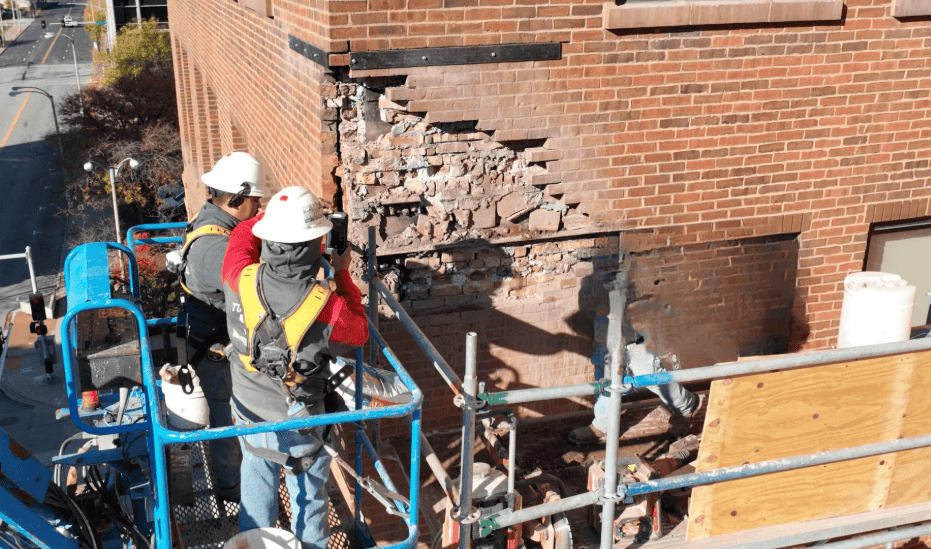
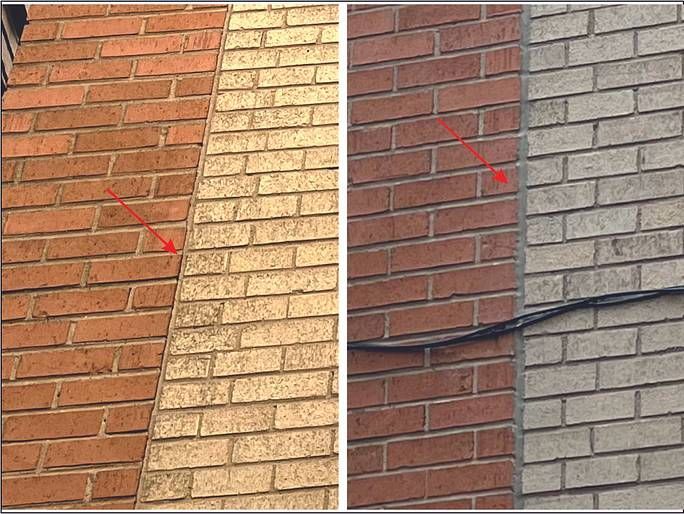
Recognizing early signs of joint failure is crucial. Cracking or gaps in control joints, or distorted, compressed, or torn sealants in expansion joints, are clear indicators that maintenance is required. These symptoms, if ignored, can lead to more severe structural issues.


Control Joint Preservation


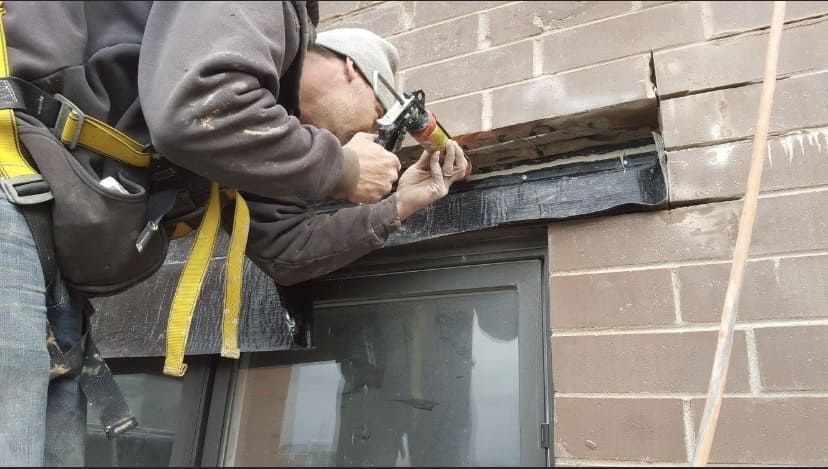
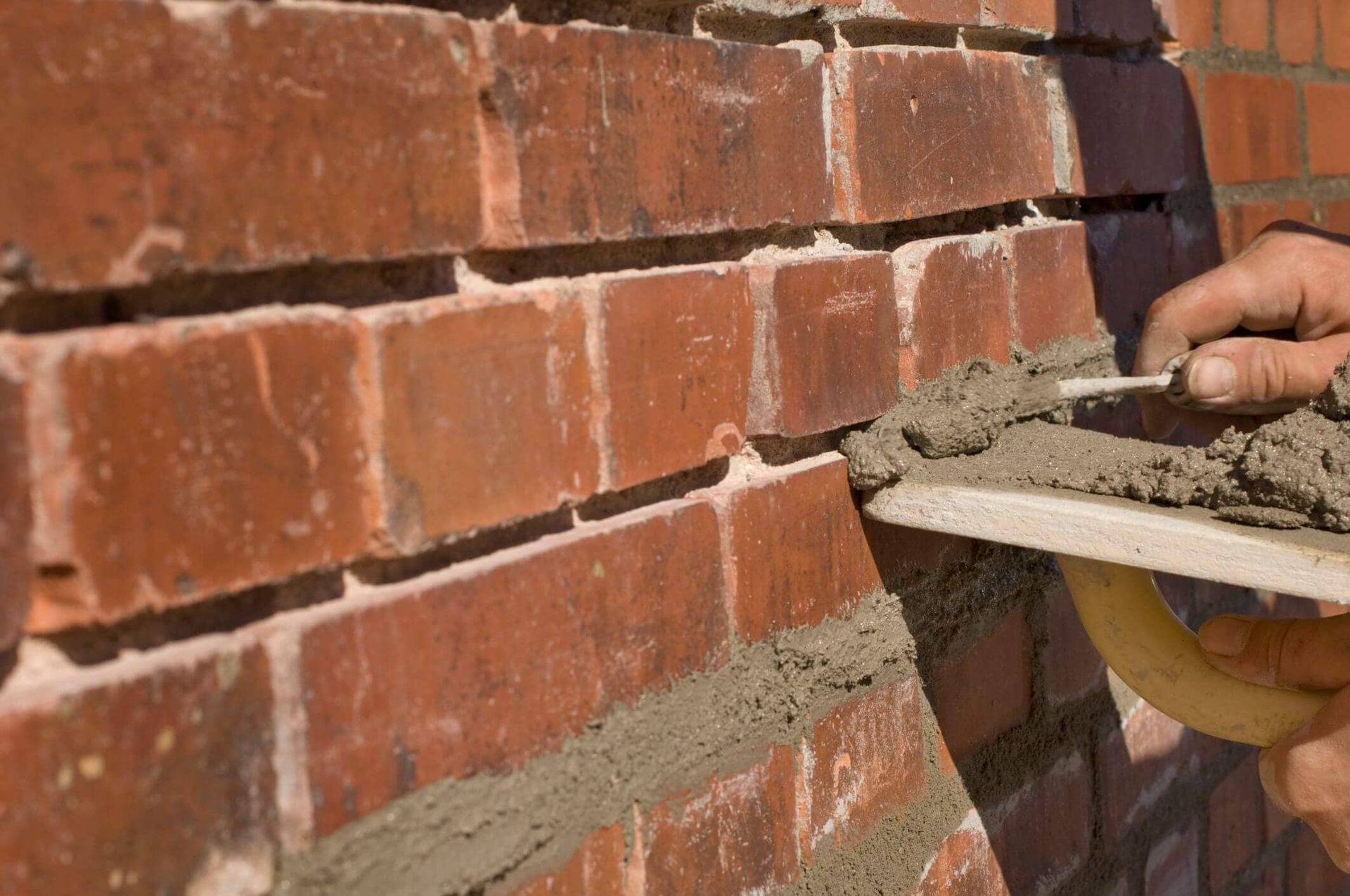
Control joints demand attention to ensure their sealants remain intact and structurally sound. Regular maintenance, including sealant evaluation and removal and replacement, is essential to prevent more serious structural damage to the masonry wall.


Ensuring Expansion Joint Efficacy


Likewise, expansion joints must be routinely checked for flexibility and signs of degradation. Maintenance may involve replacing worn sealants, securing joint edges, and adjusting joints to adapt to any structural shifts, ensuring the building can continue to safely expand and contract.


Your Trusted Partner in Joint Maintenance - RestoreWorks


RestoreWorks offers a comprehensive joint maintenance service that begins with a thorough inspection and culminates in a comprehensive maintenance regimen. Our commitment to maintaining your joints at peak functionality means addressing both current and prospective issues, thereby safeguarding your building's structural health for the future. 


Contact RestoreWorks for a comprehensive joint assessment, and let our experts tailor a maintenance plan that ensures your control and expansion joints remain in peak condition. Reach out now to schedule your inspection and embrace the peace of mind that comes with expert care.

A pale building with a dark mansard roof and a round turret, partially covered by construction scaffolding.
By Peter Merlo April 29, 2026
Learn how building envelope repairs improve energy efficiency, reduce moisture intrusion, and extend façade life in Chicago commercial buildings.
A rusted steel lintel supporting a brick wall above a white window frame, showing significant corrosion and decay.
By Peter Merlo April 22, 2026
Learn the common causes of steel lintel corrosion in masonry walls, warning signs to watch for, and how proper drainage can help prevent repairs.
A construction site showing concrete block walls with a green Perm-A-Barrier membrane and metal reinforcing bars.
By Peter Merlo April 16, 2026
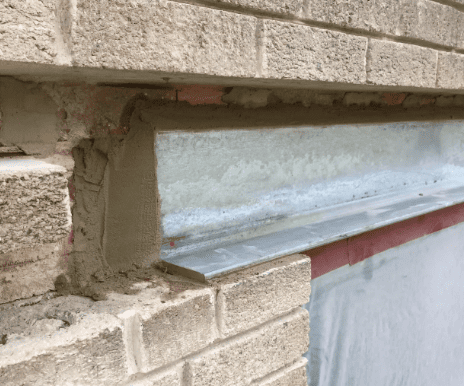
Learn how shelf angle flashing protects Chicago brick façades, why lintel cracking occurs, and how proper repair prevents corrosion and costly masonry damage.
Exposed, rusted steel lintel above a window, with crumbling brickwork and damaged render on the exterior of a building.
By Peter Merlo April 15, 2026
Failing mortar joints allow water into Chicago masonry buildings. Learn how freeze–thaw cycles cause damage and how proper tuckpointing prevents costly repairs.
Close-up of a rustic brick wall with visible mortar joints and a diagonal crack running through several bricks.
By Peter Merlo April 8, 2026
Cracked mortar joints are early warning signs of façade failure. Learn what Chicago property managers should watch for before repairs escalate.
High-rise buildings in a city, with workers on exterior scaffolding platforms performing maintenance on a beige facade.
By Peter Merlo April 1, 2026
Plan building façade restoration in Chicago for 2026. Learn how inspections, freeze–thaw cycles, and compliance impact cost, timing, and scope.
Brick wall with a window sill, featuring red-brown bricks and a vertical seam.
By Peter Merlo March 26, 2026
Spring water damage often gets blamed on cracks, failed mortar joints, or deteriorated sealants. In many cases, the real issue starts earlier, at expansion joints that were never designed, detailed, or maintained to manage seasonal movement.  For commercial and multi-family buildings in Chicago, expansion joints are a primary defense against moisture intrusion during spring thaw. When they fail, water finds its way behind masonry, into wall assemblies, and down to steel and concrete elements that were never meant to stay wet.
Split view: building before and after cleaning. The right side shows a cleaner building.
By Peter Merlo March 25, 2026
Spring masonry cleaning removes winter salt and moisture so hidden damage is exposed early, helping Chicago buildings avoid larger repairs later in the year.
Bricklayer applying mortar to brick wall with a trowel.
By Peter Merlo March 12, 2026
Learn about mortar joint repairs, why it matters for Chicago buildings, and how the approach protects overall durability and appearance.
Bricklayer applying mortar to a brick corner on a building, wearing gloves.
By Peter Merlo March 11, 2026
Learn the key signs your Chicago building needs tuckpointing before spring 2026, from failing mortar and efflorescence to leaks, spalling, and more.