Expert Commercial Tuckpointing Services for Buildings
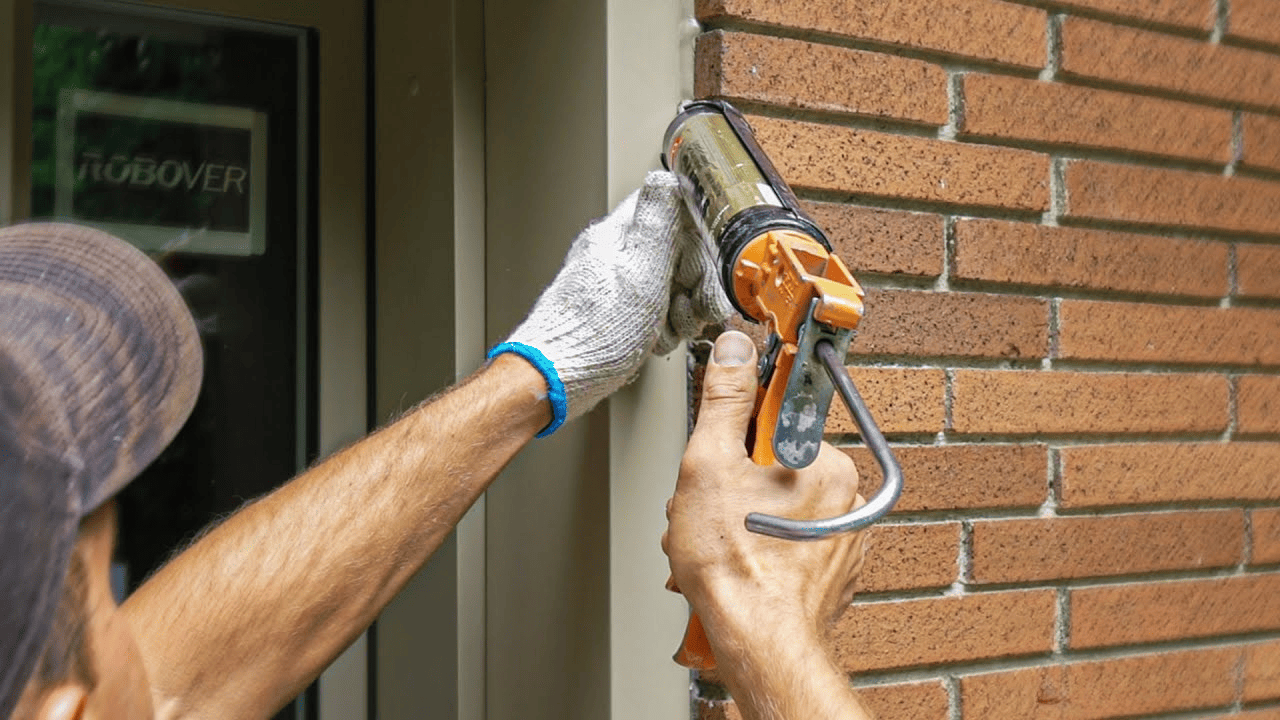
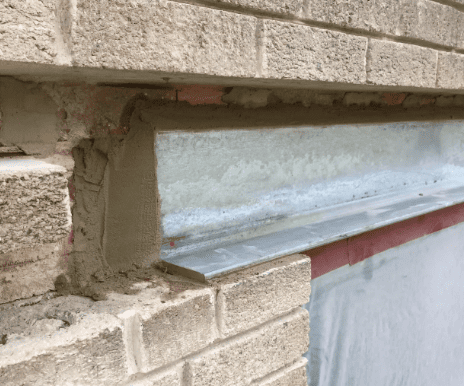
As a building manager, architect, or structural engineer, you undoubtedly recognize the value of preserving commercial structures' structural integrity and aesthetic appeal. Tuckpointing is an essential part of building maintenance and restoration. In this blog post, we'll explore the realm of commercial building tuckpointing services and the reasons it's crucial for building upkeep and repair.
Understanding Tuckpointing and Its Importance
Tuckpointing Techniques
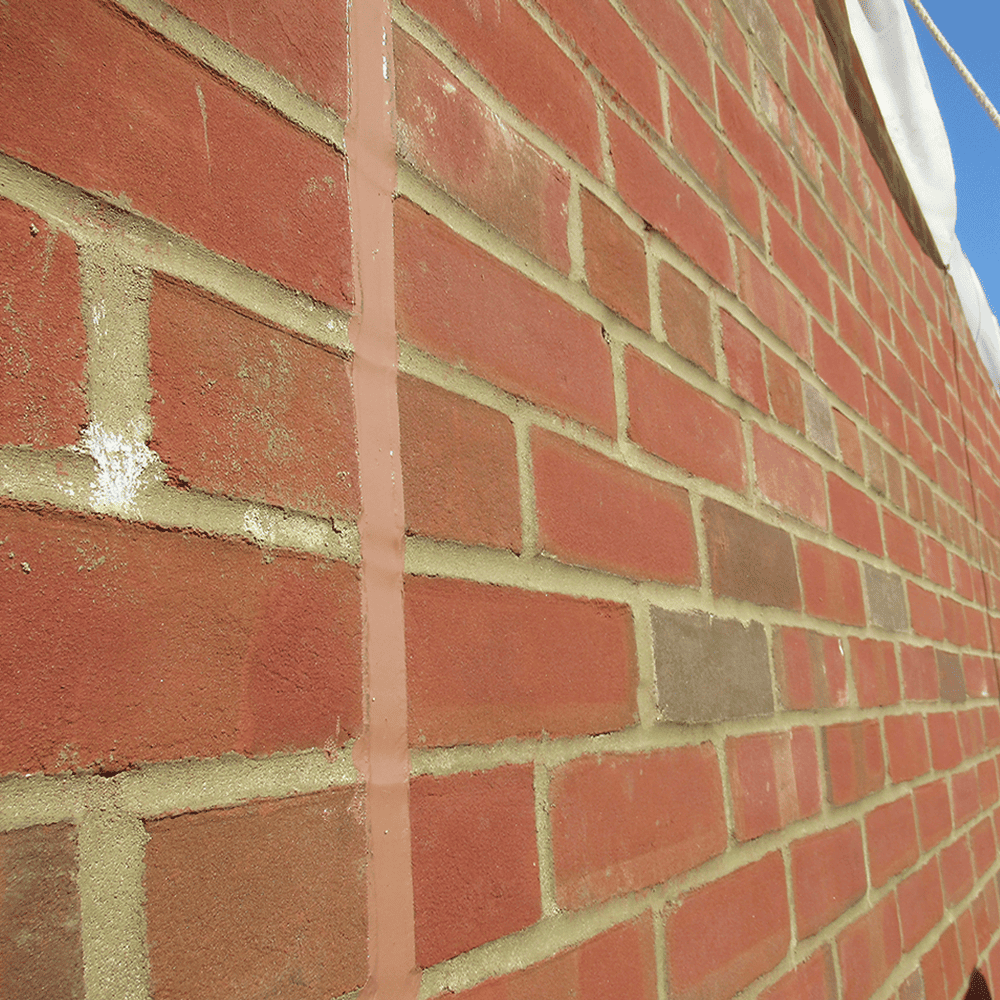
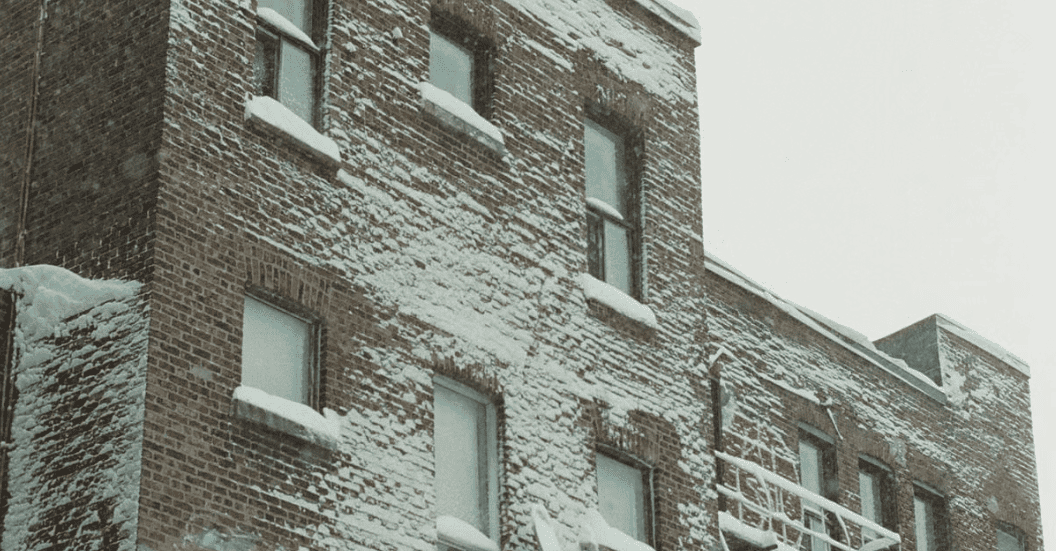
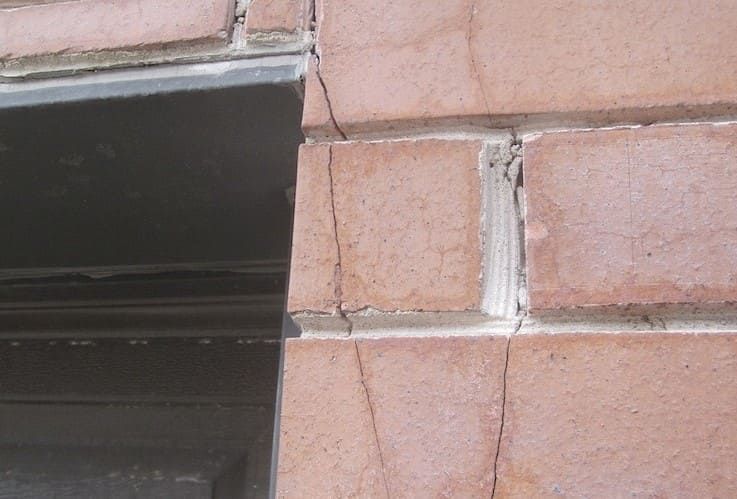
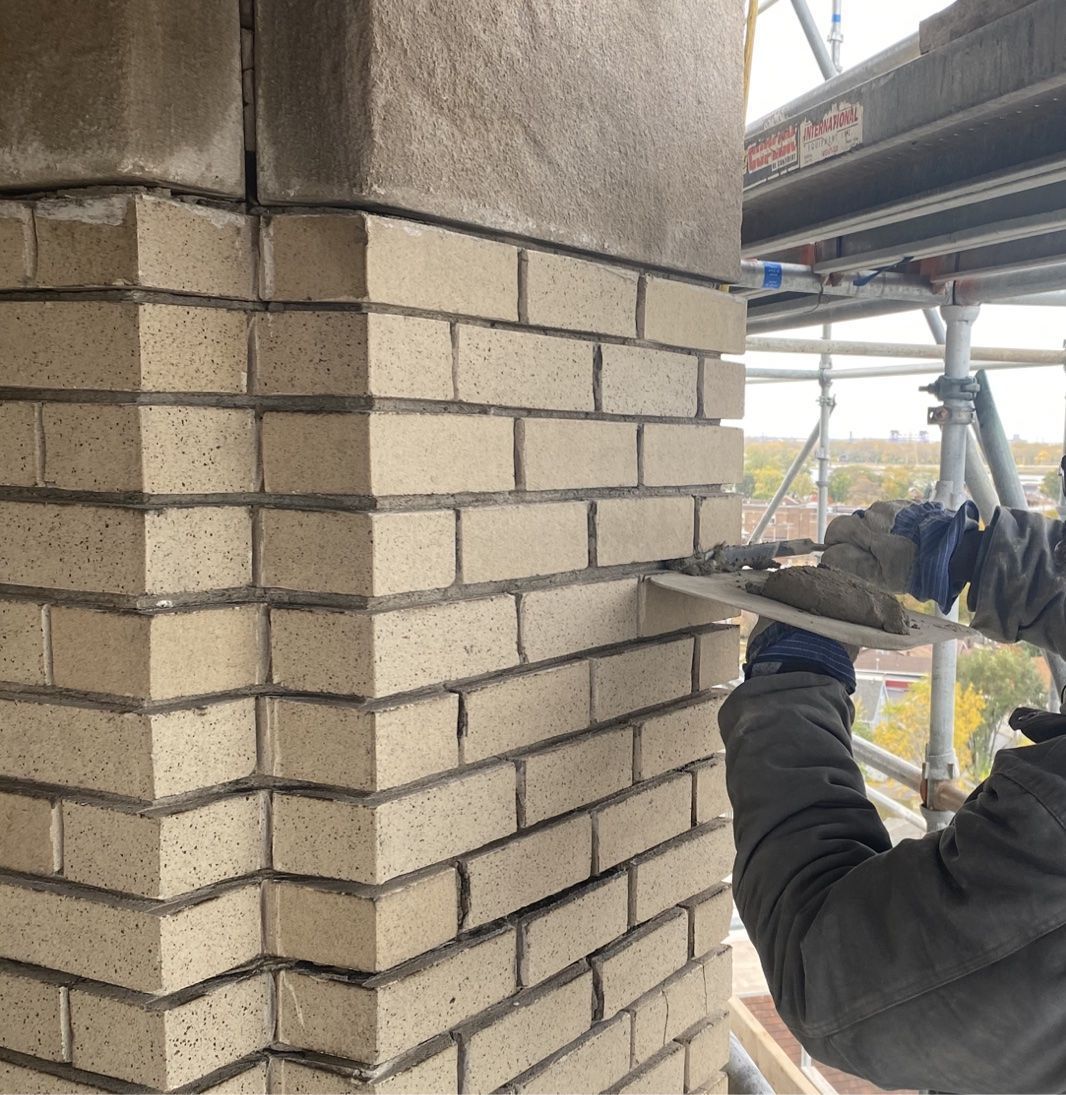
The careful masonry restoration technique known as tuckpointing is used to fix the mortar joints in brick or stone structures. The building’s structural integrity can be jeopardized due to mortar deterioration brought on by weather, pollution, and normal wear and tear. To restore the original appearance, tuckpointing requires replacing broken or deteriorated mortar with new mortar that has been carefully tinted to match. This process restores the structure's integrity and improves its appearance.
Building Restoration
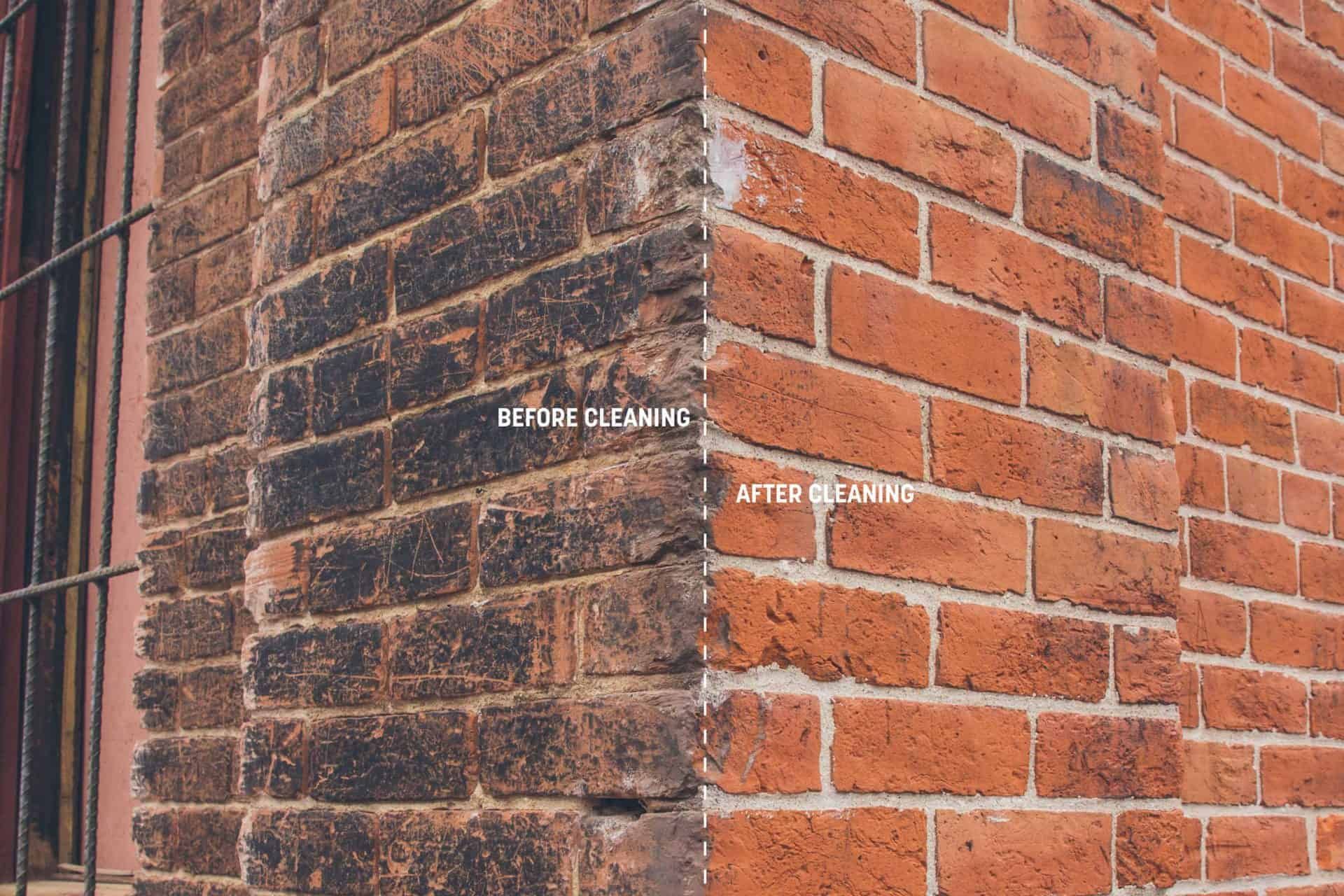
Tuckpointing is an essential component of restoring a structure, which keeps the façade strong and aesthetically pleasing. Tuckpointing is crucial to maintaining the architectural legacy of historic buildings. It's a proactive way to stop additional damage and increase a building's lifespan.
The Process of Professional Tuckpointing
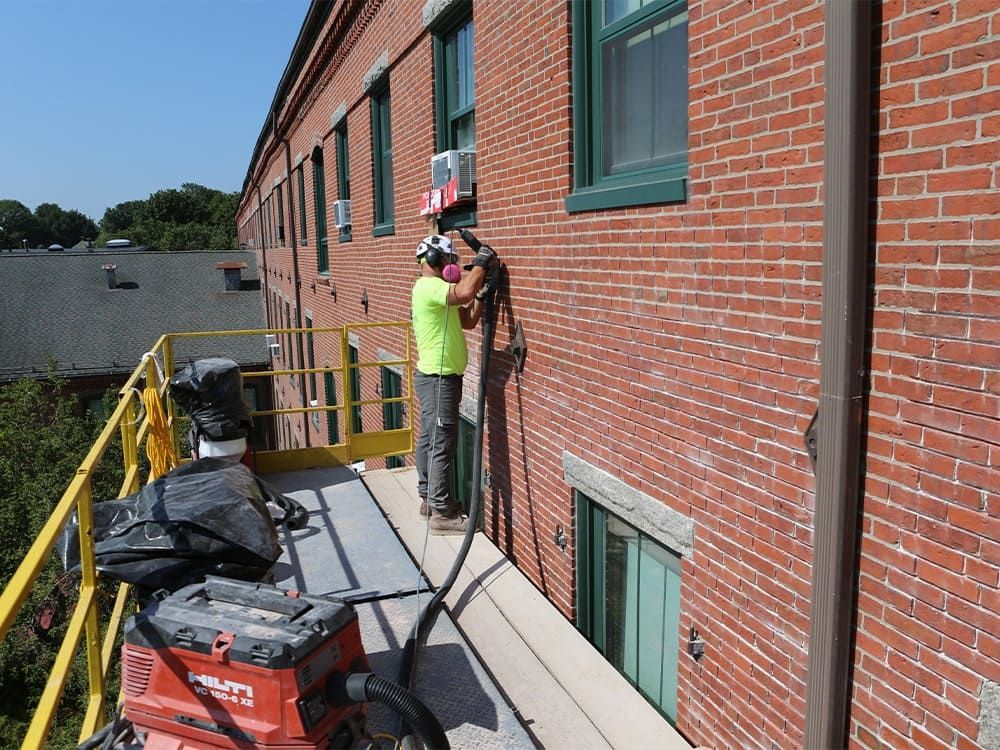
Our knowledgeable staff at RestoreWorks adheres to a strict procedure for outstanding tuckpointing:
- Evaluation: Before starting, we carefully examine the building's mortar joints.
- Elimination of Mortar: Broken mortar is carefully removed to proper depth that ensures adhesion and longevity.
- Matching Mortar: To ensure a flawless appearance, we strive to match the existing color and mortar type in the restoration process.
- Tuckpointing: Expert artisans apply new mortar in 2 to 3 lifts versus trying to fill the joint all at once.
- Finishing: The joint is then tooled to achieve the matching profile.
Benefits of Tuckpointing for Commercial Buildings
Maintenance of Commercial Buildings
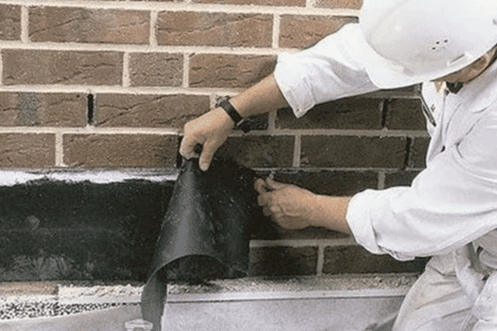
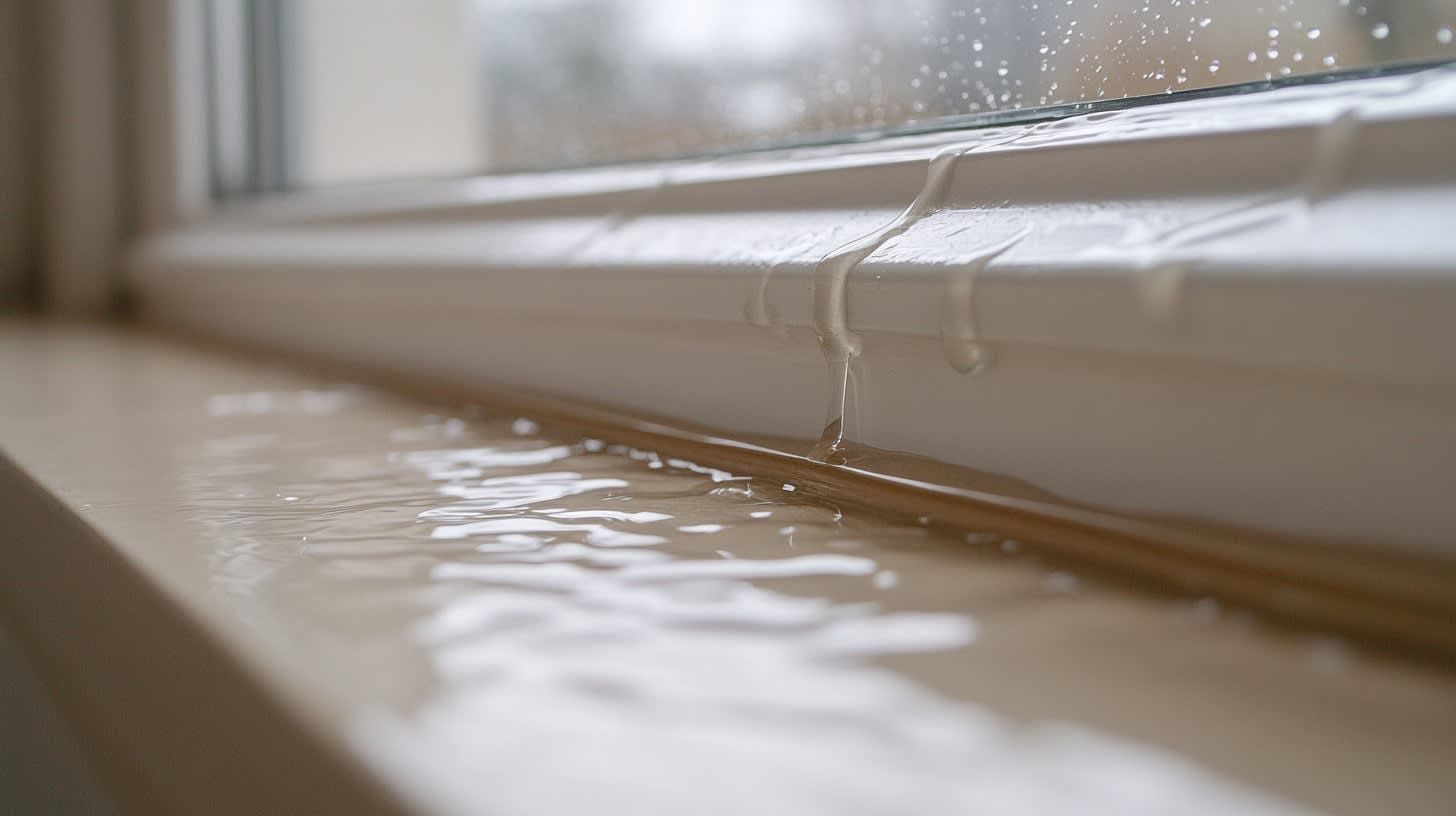
One proactive way to keep commercial buildings in good condition is to inspect the mortar joints and perform tuckpointing when needed. It stops water from seeping in, which can lead to structural damage and expensive repairs. You can prevent future, more involved restoration work by repairing mortar deterioration.
Longevity and Preservation
Tuckpointing preserves a building's architectural appeal and helps it last longer. This is essential to maintaining the cultural and historical relevance of iconic and historic structures. It's an investment in the history and future of the building.
Choosing the Right Service for Your Building
RestoreWorks is a reliable option for tuckpointing services for your business property. We provide complete masonry repair and restoration services backed by decades of experience and a dedication to quality. Our proficiency in terracotta repair, stone restoration, and brick tuckpointing restores the structural integrity and visual appeal of your building.
We serve various sectors, including government buildings, churches, museums, schools, and more. Our goal is to improve buildings by giving them back value and regaining pride, recognizing the unique aspects of each project.
Don't wait until the mortar joints in your building are seriously deteriorated. For a free consultation and how our masonry restoration and tuckpointing services can help your building, contact RestoreWorks today. We proudly serve the Chicagoland, NW Indiana areas and beyond.
📞 Give us a call at 219-924-9700 or 312-666-4646. 💻 Or use our online form to request information.
Our goal at RestoreWorks is to complete your building maintenance and repair project in the most effective and efficient way possible. With our vast experience working on Chicago’s most iconic landmarks, you can have confidence we can help you restore your building with historical accuracy.