Securing the Envelope: The Crucial Role of Caulking and Sealing in Building Maintenance

As masonry restoration experts in the Chicagoland area, we have over 30 years of experience in ensuring the integrity and beauty of buildings. Today, we're diving into a crucial aspect of building maintenance: caulking and sealant repair and replacement. This might seem like a small detail, but it plays a huge role in protecting your building.
Understanding Caulking and Sealants
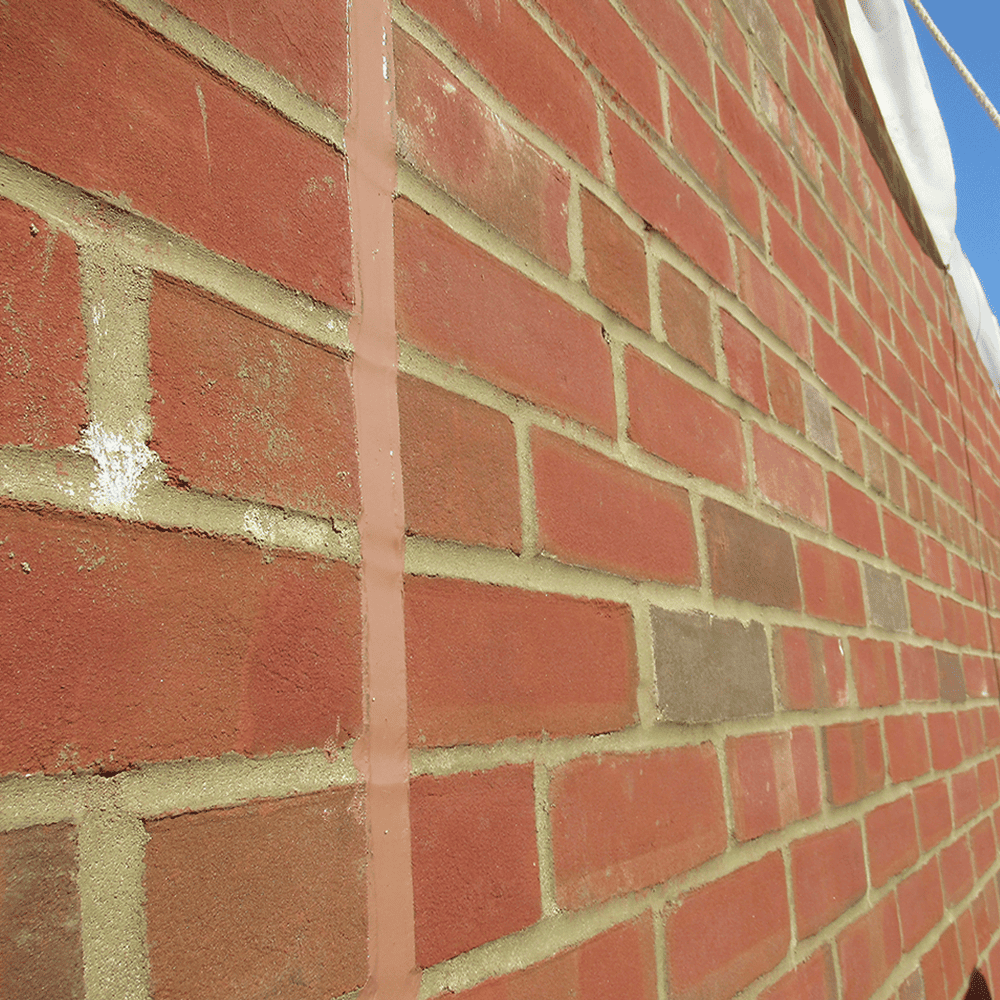
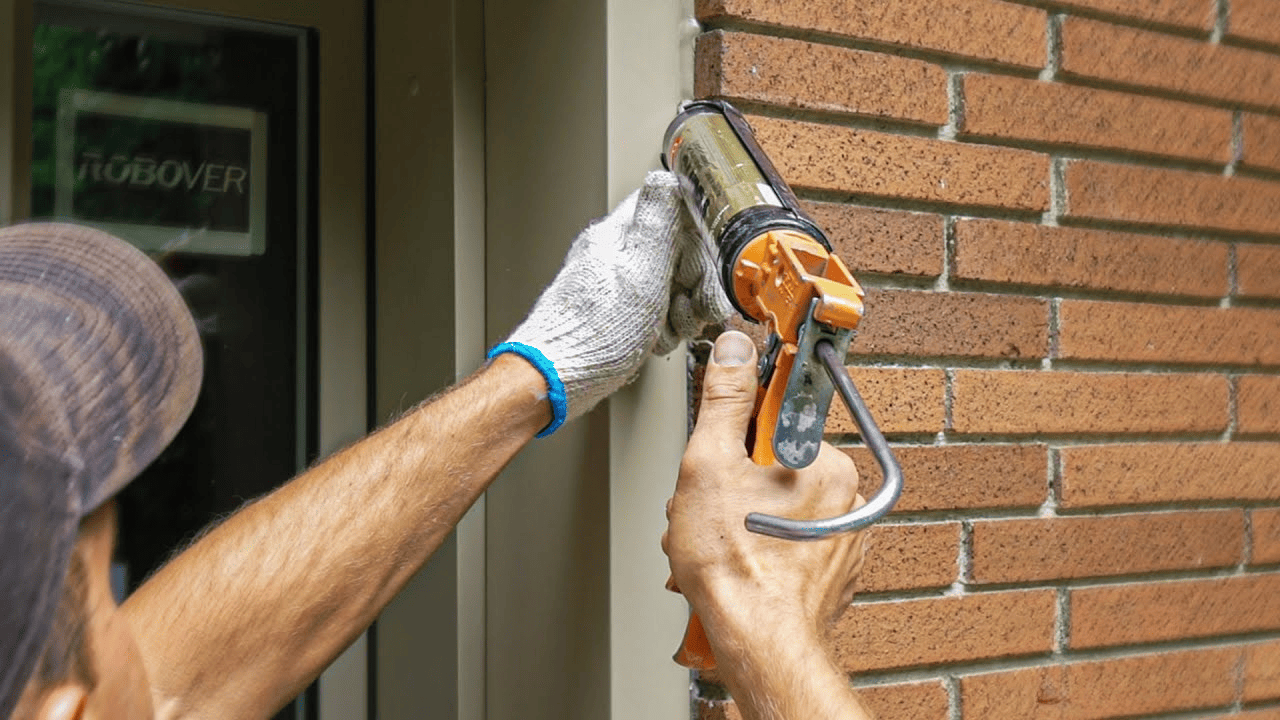
Caulking and sealants are the unsung heroes of building maintenance. These materials seal the gaps in your building's envelope, preventing water, air, and even pests from entering. Caulking is typically used for cracks and joints, while sealants provide a more flexible and durable solution for larger gaps. Each type comes in various materials like silicone and polyurethane, each suited for different conditions and areas.
Typical Building Envelope Areas Requiring Attention
In our three decades of service, we've identified key areas in a building envelope that often require caulking and sealant repair:
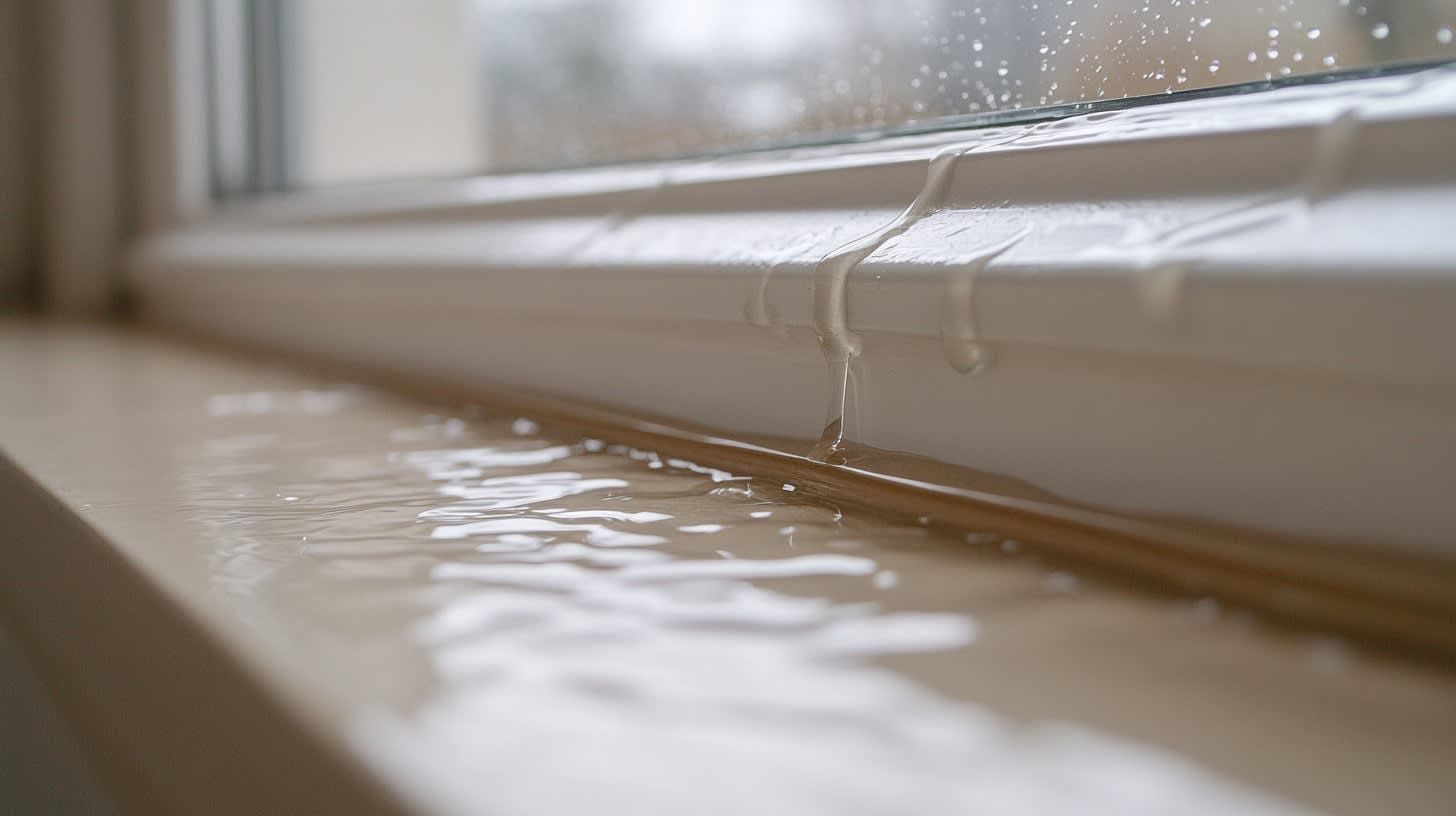
Windows and Doors: These are common entry points for drafts and moisture. Proper sealing ensures energy efficiency and comfort.
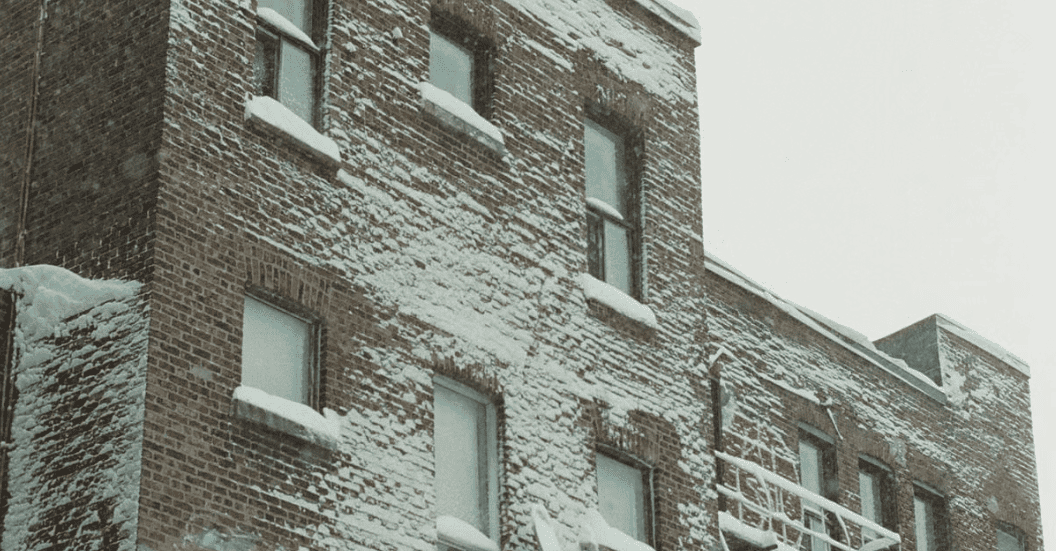
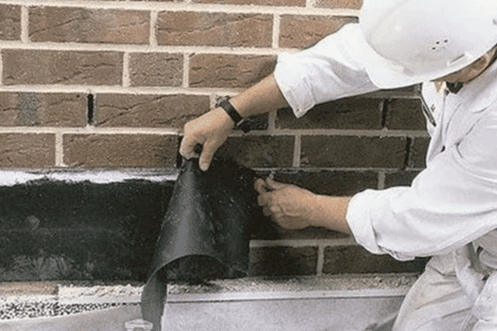
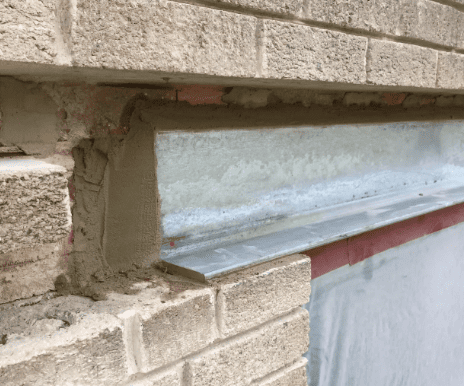
Roof and Wall Intersections: These areas are highly susceptible to water seepage, making regular checks vital.
Expansion Joints: These joints absorb building movements, so keeping them well-maintained is crucial for structural integrity.
Pipes and Ducts Penetrations: Sealing these points prevents moisture and air leaks, crucial for maintaining indoor air quality.
Steps for Inspecting and Replacing Commercial Caulking and Sealants
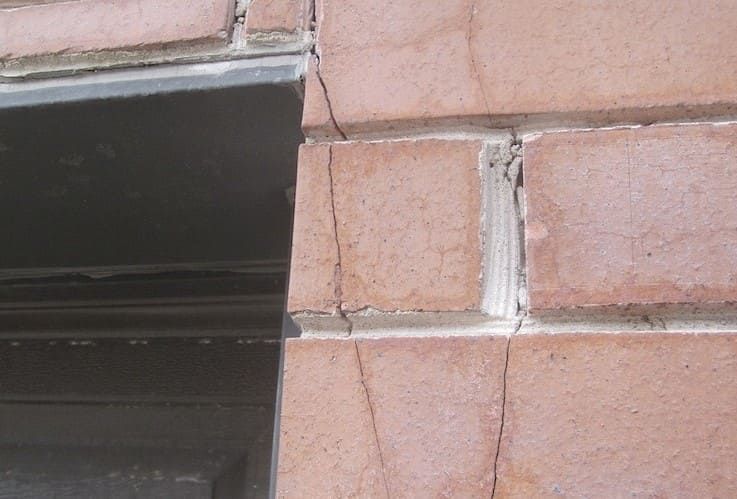
A comprehensive inspection is key to identifying failing caulking and sealants. Look for cracks, peeling, or gaps. If the sealant is no longer elastic or shows signs of detachment, it's time for a replacement.
Here’s how we at RestoreWorks approach repair and replacement:
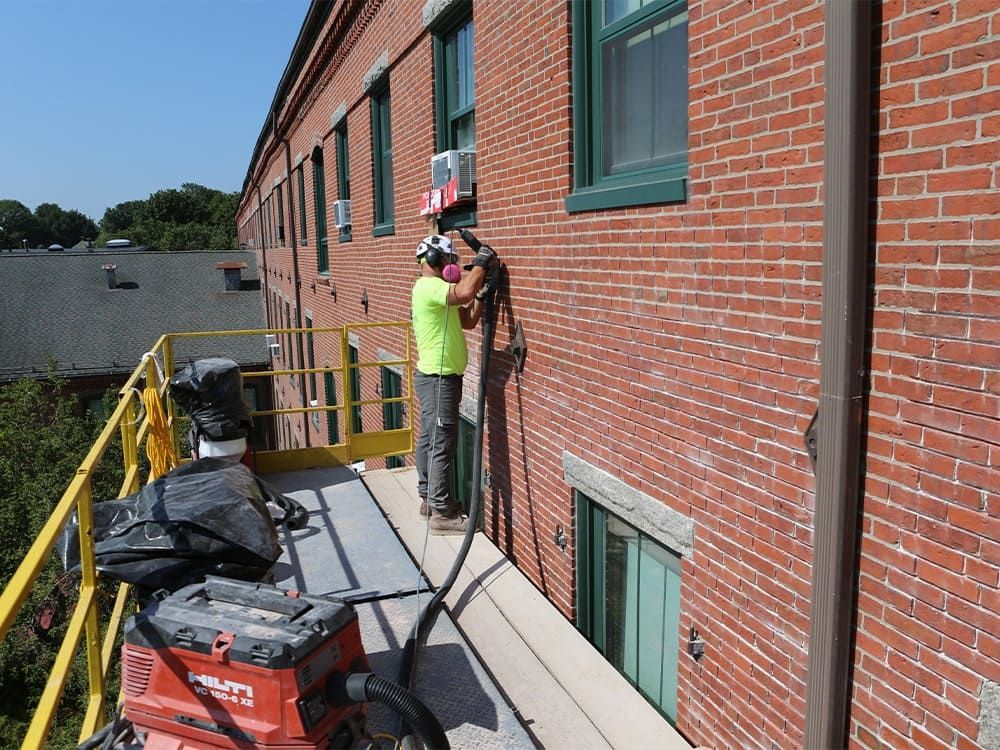
Removal: We carefully remove the old caulking to avoid damage to the surrounding materials.
Surface Preparation: The area is then thoroughly cleaned to ensure the new caulking adheres properly.
Application: We apply the best-suited caulking or sealant, expertly filling the gap to ensure a seamless finish.
Finishing: We smooth the sealant for aesthetic appeal and to ensure a watertight seal.
Curing and Maintenance: We advise on the curing process and how to maintain the sealant for longevity.
The Benefits of Regular Maintenance
Routine inspection and maintenance of caulking and sealants can save you from expensive repairs down the line. Not only does it preserve the structural integrity of your building, but it also enhances energy efficiency and maintains the building's aesthetic appeal.
Need Professional Help?
At RestoreWorks Masonry Restoration, we understand the importance of every detail in building envelope maintenance. Caulking and sealant repair and replacement might seem minor, but they are vital in preserving the longevity and beauty of your property. Stay proactive in your building's maintenance to avoid costly repairs in the future.
If you're in the Chicagoland area and need expert advice or services in caulking and sealant repair, don't hesitate to contact us. Our experienced team is ready to help you maintain the integrity of your building. Remember, your building's health is our top priority!