Winterize Your Building with Cold Weather Caulking
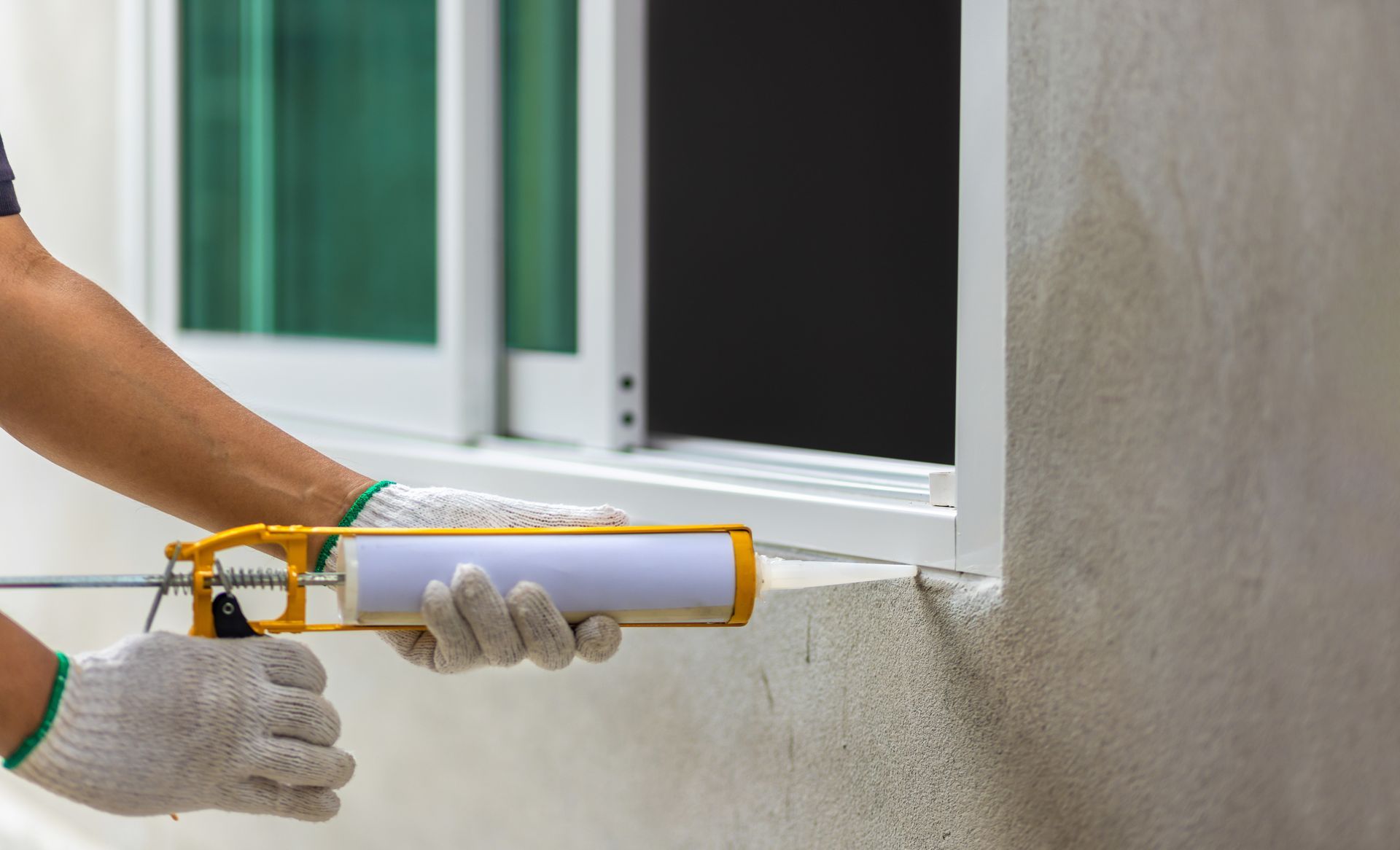
Prepare your commercial building for the winter season with cold weather caulking and sealing. It promotes energy efficiency and maintains the building’s structural integrity by minimizing air and water infiltration through windows, doors, and joints. RestoreWorks is a commercial caulking and sealant contractor with more than thirty years of experience working throughout Chicago and Northwest Indiana. We work on all types of buildings, including commercial and large residential, to repair or replace aging and faulty seals.
Have you been to the
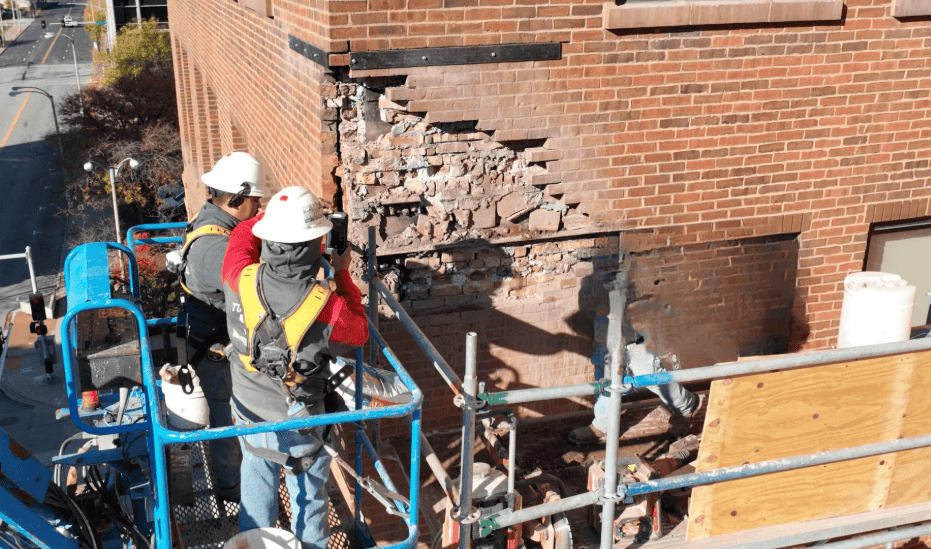
Navy Pier in Chicago? RestoreWorks performed work on nearly all parts of the pier, including resetting terracotta capstones, rebuilding brick parapets, caulking, and installing 12,000 feet of silicone sealant on the Crystal Garden glass dome. Throughout the eight-month project, we coordinated with Navy Pier management to minimize the impact on scheduled conferences and events.
In this article, we discuss why caulking maintenance should be performed before the winter sets in, common reasons for sealant failures, and how RestoreWorks can help.
Why You Need to Caulk for Cold Temperatures
We all know the weather extremes our buildings experience throughout the year. From rain and 92°F heat at the height of summer to 8°F in the winter with accompanying snow. Caulking degrades over time due to UV radiation exposure, the weather, and general wear and tear. When rain and snow enter the structure, it gets damaged, while air leaks increase your building’s heating bills.
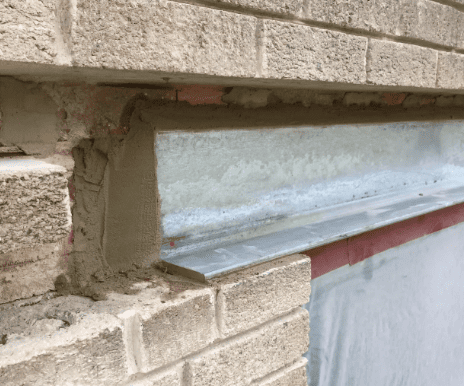
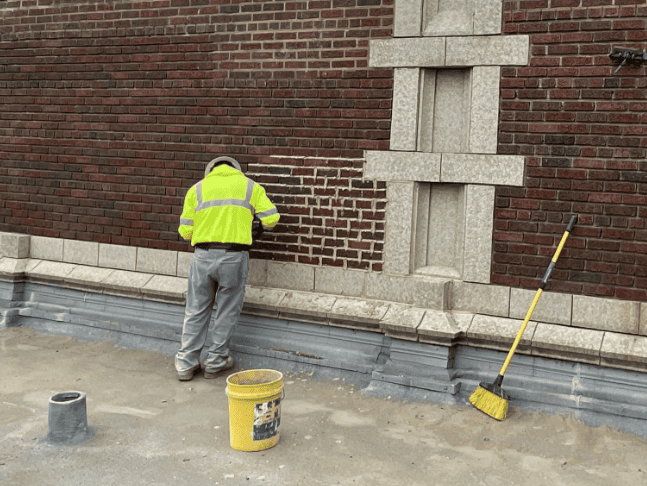
Regular inspections will identify caulking that is peeling, cracking, or separating from the substrate, and RestoreWorks is ready to assist when you need to caulk for cold temperatures. We can do an on-site inspection of your building’s status and perform the required work using only the highest quality sealants.
Scheduling Caulking Maintenance Before Winter
Does your preventative maintenance schedule include caulking maintenance? Scheduling the service before winter is the best way to extend the life of the building’s seals, protect its structure from damage, and minimize heat loss. RestoreWorks offers commercial caulk and sealant services for:
- Window Sealing
- Door Sealing
- Vertical Control Joints
- Horizontal Control Joints
- Mechanical Expansion Joints
- Seismic Expansion Joints
- Wet Seals
- Flashing Sealing
- Mechanical Expansion Joints
- Planter Waterproofing.
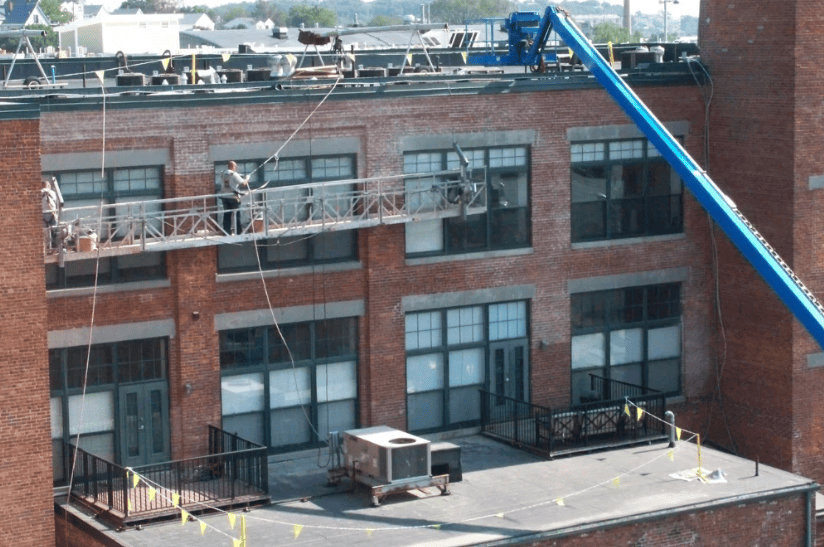
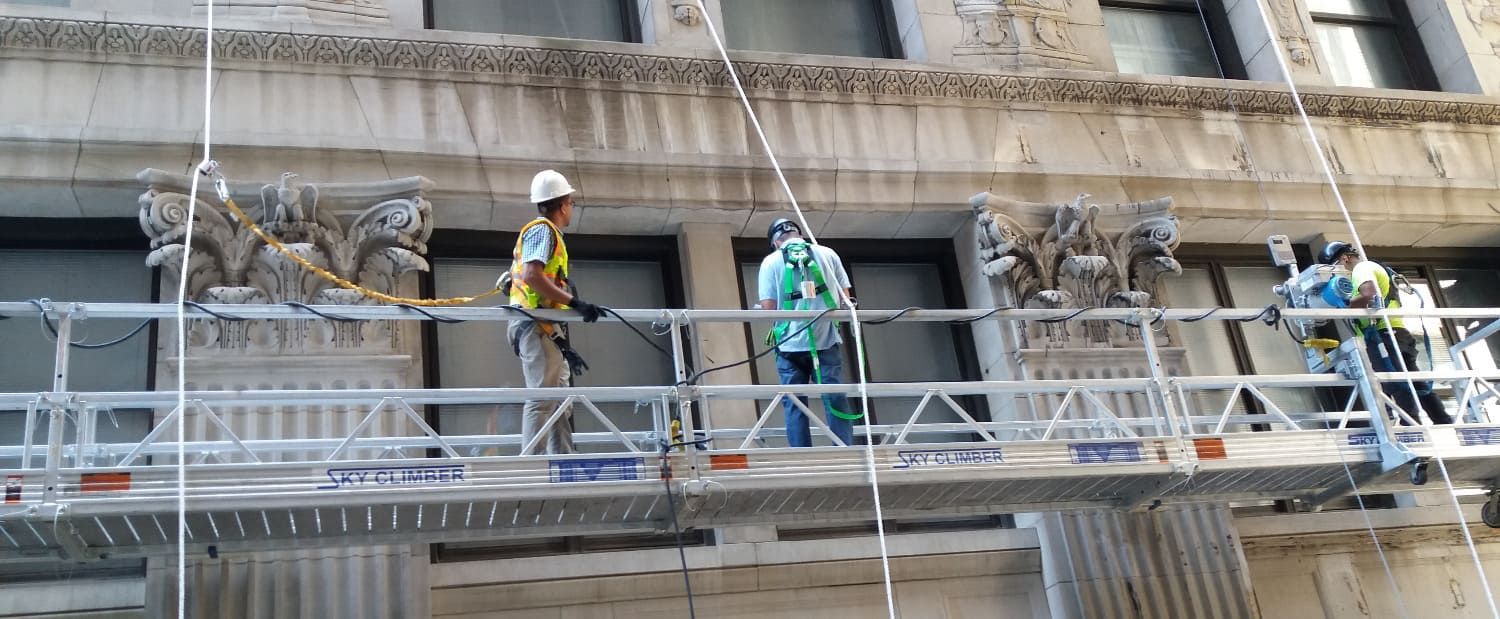
RestoreWorks resealed over 1500 windows on a 25-story landmark apartment building in North Side, Chicago, and replaced expansion joint caulking on an assisted living community building on the southwest side of Chicago. We make no apology for not being the cheapest bidder. If you want a project done right the first time, we can help.
Identifying and Preventing Common Sealant Failures
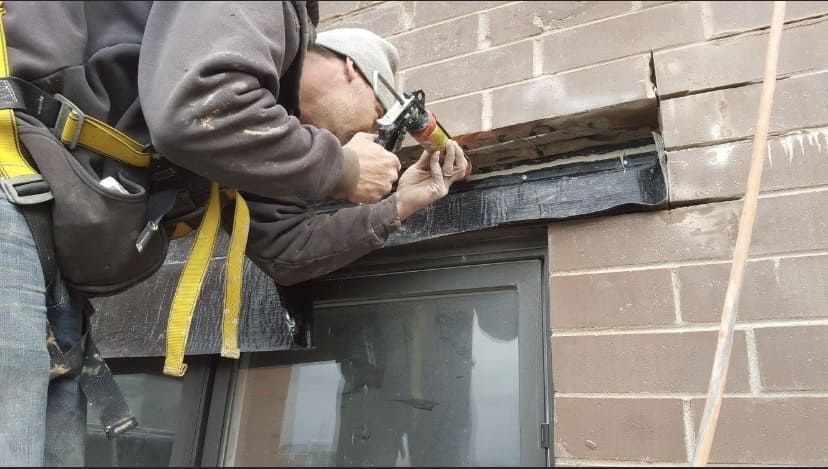
Weather extremes are not the only reasons for sealant failure. It can also be caused by improper surface and joint preparation, using the wrong caulking material, and incorrect application. Caulking and sealant will not adhere to improperly prepared surfaces, and this step is especially important when you are repairing and replacing joint seals. Tooling and smoothing the caulking post-application is crucial for a proper seal and ensures the finish is attractive.
These common mistakes are preventable when you use a trusted commercial sealant company to perform the work. RestoreWorks has specialized knowledge of the most appropriate sealants and caulks for historic buildings to maintain the correct appearance. Our
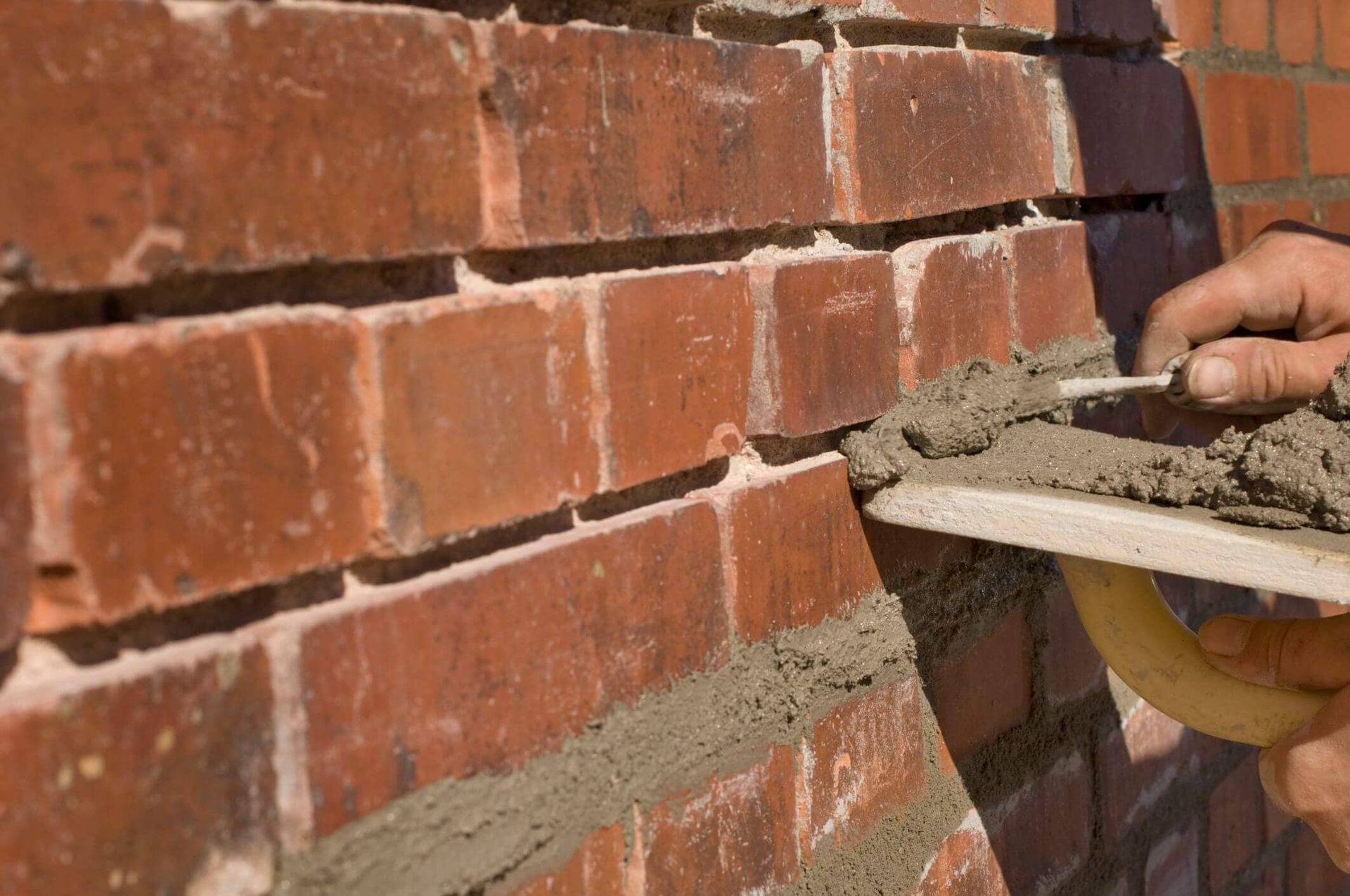
concrete façade repair and masonry restoration experience offers insight into the correct caulk and sealant preparation and application procedures for buildings constructed with these types of materials.
Key Sealant Properties for Cold Weather
Joints and seals naturally expand in hot weather and contract during cold days. Moderate temperatures with low humidity are the best time to apply caulking, as it enhances the curing process. Extreme temperatures, such as cold weather, cause the caulking to cure more slowly, which has an impact on the project’s time and cost. Winterize your building with cold weather caulking and enjoy the benefits of an energy-efficient building. RestoreWorks restores weather integrity to windows, doors, wet seals, and expansion and control joints with the highest quality sealants.
RestoreWorks is a
commercial masonry restoration and
restorative cleaning company. Safety is always our first priority, whether the teams work on modern or historic buildings.
Contact us today to discuss how RestoreWorks can help you with cold weather caulking.