Why Is Caulking and Sealant Services Crucial?
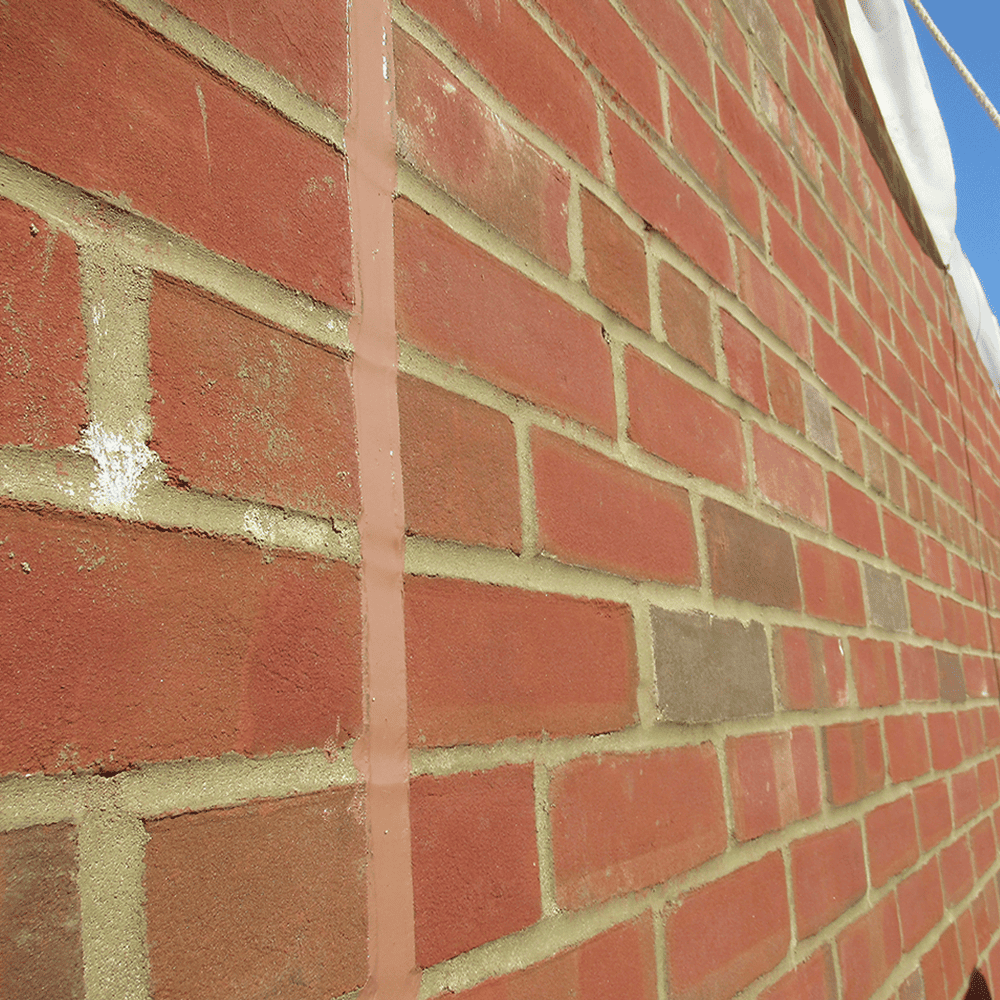
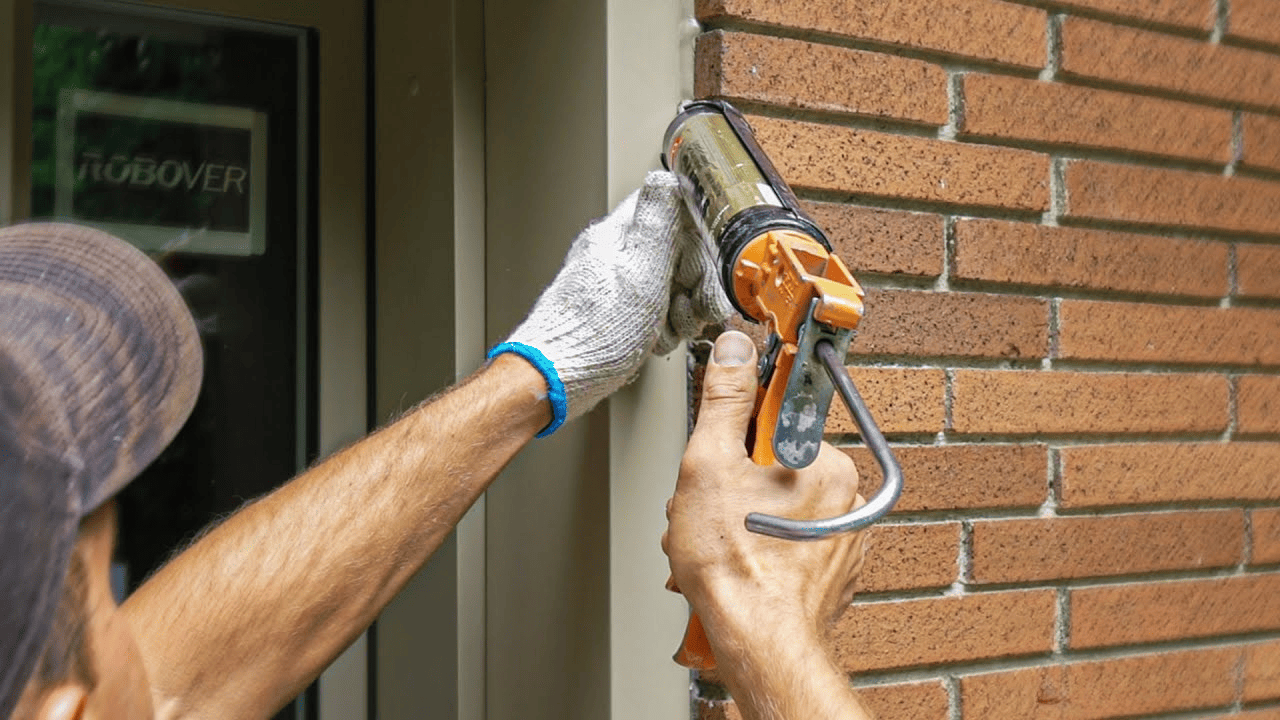
A building’s structural integrity and longevity depends heavily on caulking and sealing treatments. Caulking stops moisture infiltration, air leaks, and pest infiltration by plugging gaps and crevices. It serves as a protective barrier, keeping out water, draughts, and insects while preserving a cozy and energy-efficient indoor climate. It is impossible to exaggerate the value of caulking in preventing potential harm to your property.
Where Does Caulking Need to Be Used?
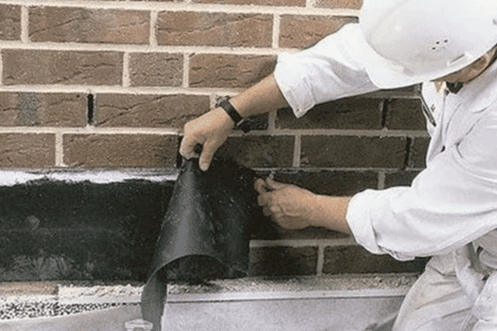
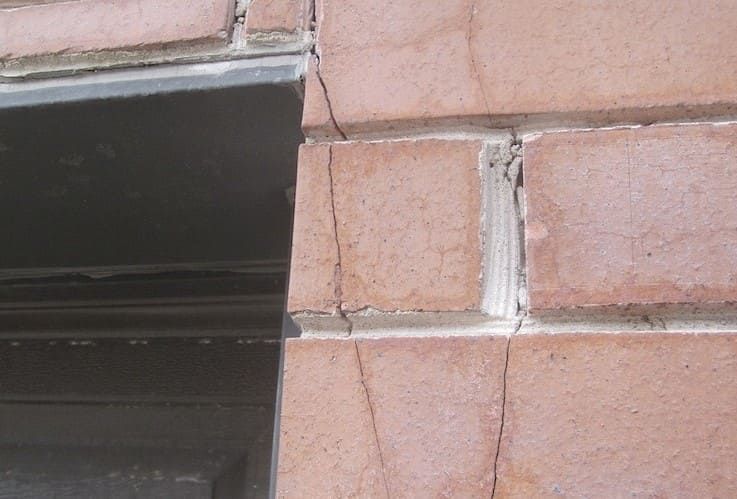
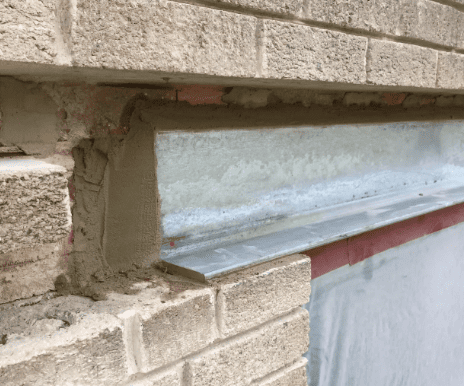
There are many places in a building where gaps or joints could let air or water in, and therefore need caulking. Caulking is frequently needed in window frames, door frames, expansion joints, spaces between construction materials, and penetrations through walls or roofs.
The Need for Regular Caulk and Sealant Maintenance
Regular maintenance of caulk and sealant is essential for the longevity and wellbeing of your building. Here are some of the benefits of proactively addressing gaps, cracks, and weak areas:
Prevents Water Damage
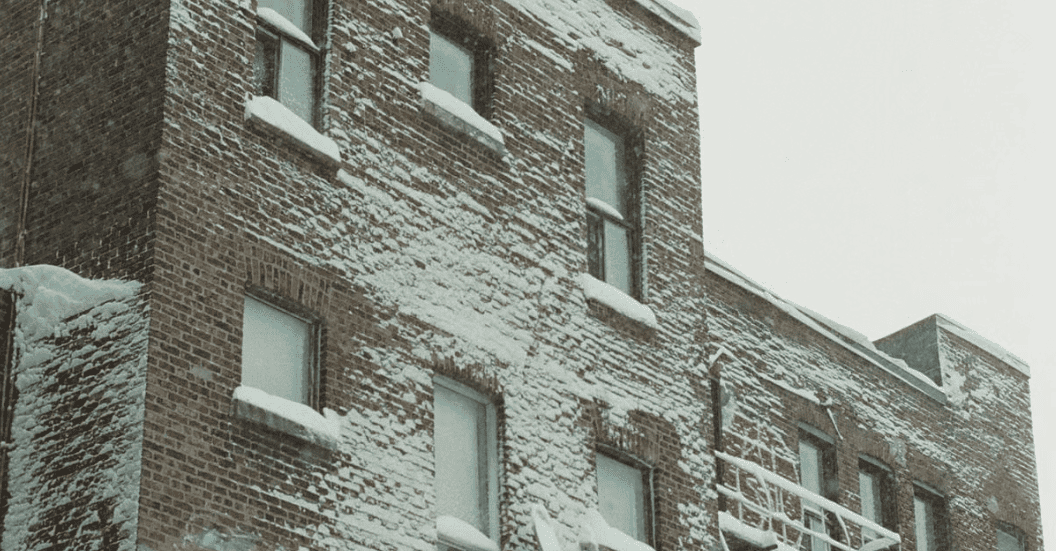
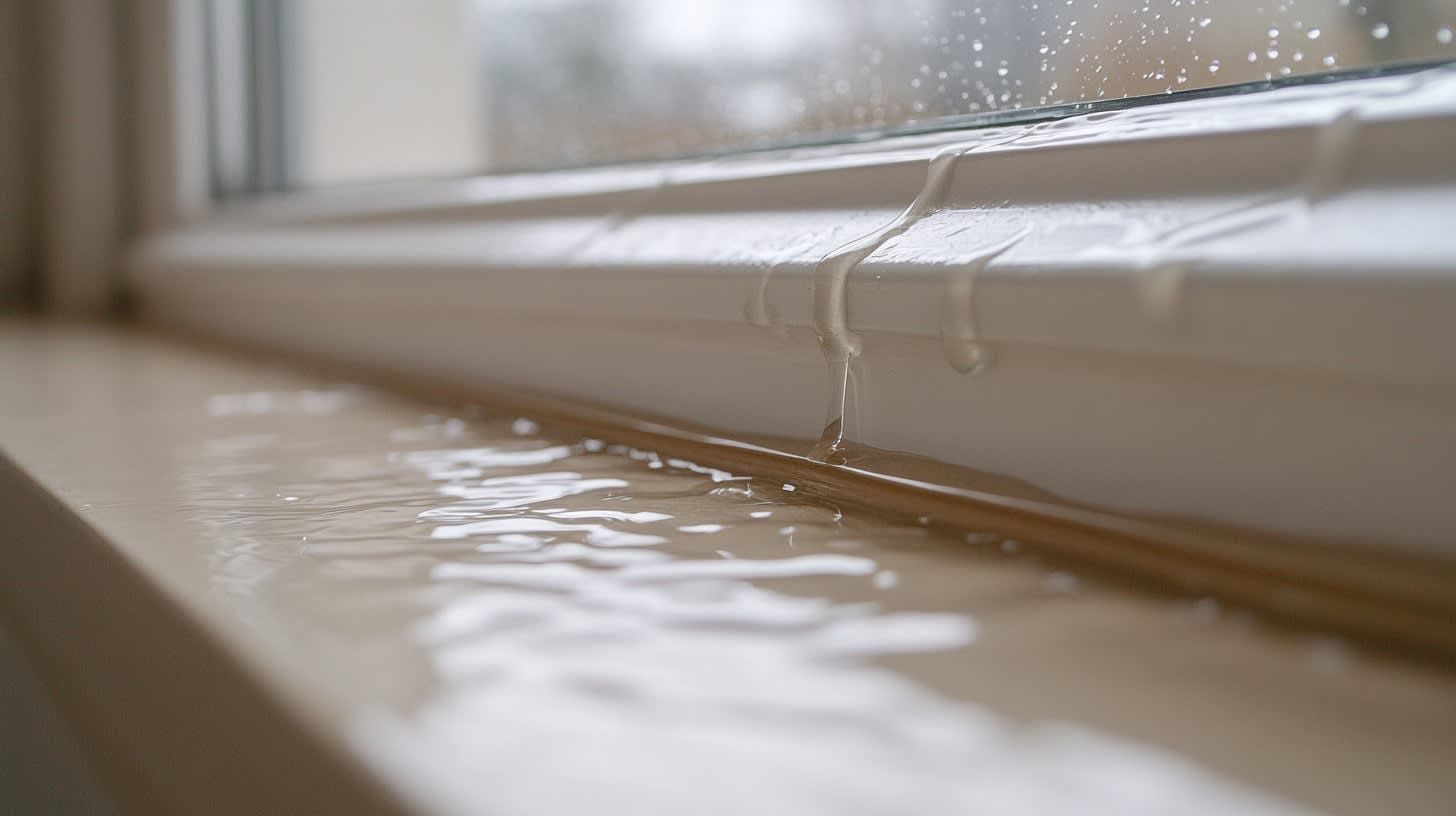
Water intrusion can result in significant harm, such as rotting wood, the formation of mold, and the corrosion of building components. By caulking cracks and stopping moisture from entering weak places, routine maintenance can help prevent water damage.
Energy Efficiency
Air leaks around windows, doors, and other spaces can cause significant energy loss and raise the cost of heating and cooling. Proper caulking contributes to increased energy efficiency by filling in these spaces and minimizing draughts.
Prevents Future Damage
Buildings may settle or move with time, leaving gaps and cracks in the seams where the components are attached. Caulking adds additional support and prevents future damage, which aids in maintaining the building's structural integrity.
Enhanced Indoor Comfort
By eliminating draughts and reducing temperature changes, caulking helps to maintain a comfortable indoor environment. Additionally, it lessens the outside noise entering the home or office, making it quieter and more serene.
Advantages of Commercial Sealant and Caulking Services
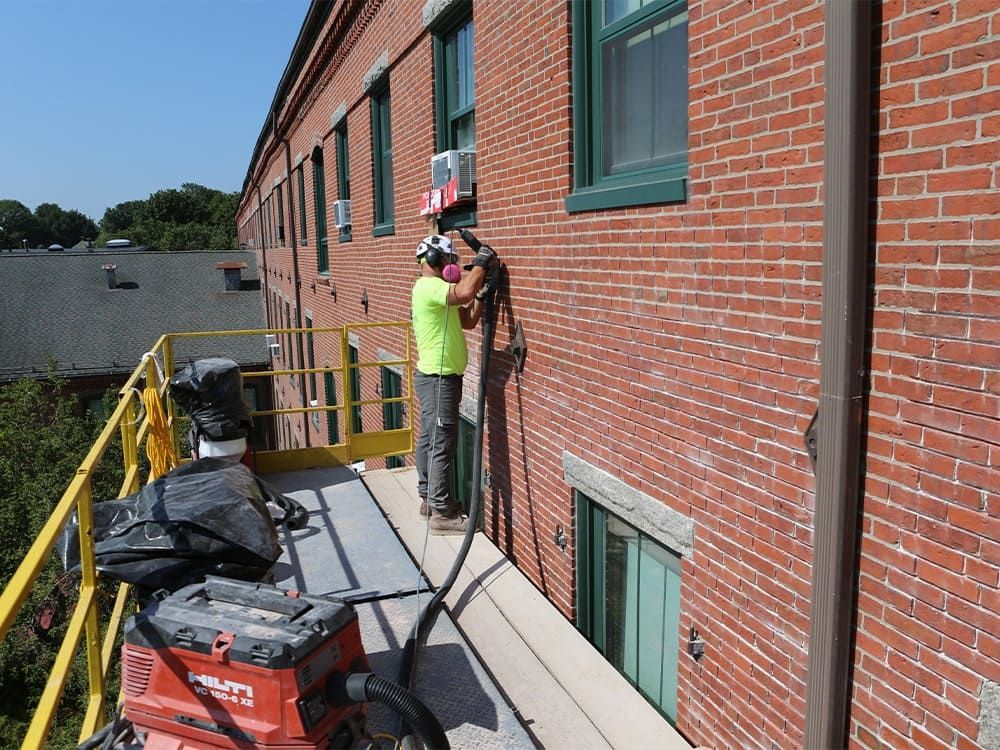
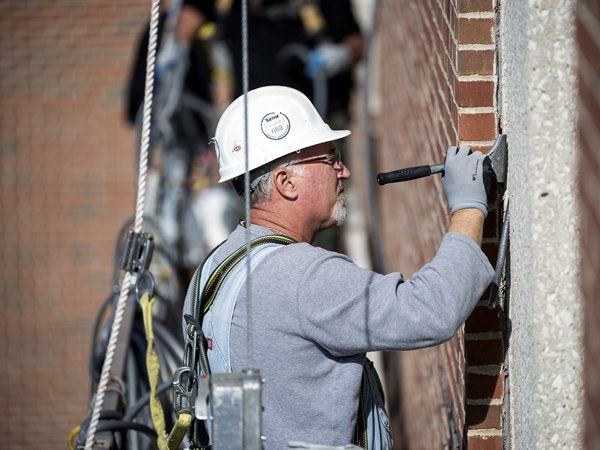
A skilled commercial caulking contractor will ensure the project is done accurately and with high-quality artistry. They can do accurate caulking work, producing a high-quality and long-lasting seal, thanks to their knowledge, experience, and specialized equipment.
Cost savings
Purchasing commercial caulking services can result in long-term financial savings. You can avoid expensive repairs and lower utility costs by minimizing water damage and enhancing energy efficiency.
Efficiency
Experienced caulking professionals have the knowledge and tools to finish the task quickly. They can evaluate the places that need caulking, suggest the proper sealants, and complete the work quickly, causing the least disruption to your company's activities.
Customized Solutions
Commercial caulking contractors offer specialized answers to your requirements. They can suggest the best caulking supplies and methods for the best outcomes because they know the specific needs of various construction materials.
RestoreWorks is aware of how crucial caulking and sealant treatments are to protecting the structural integrity of your commercial property. We provide thorough caulking and sealing services as masonry restoration and repair authorities to safeguard your structure from water damage, increase energy efficiency, and guarantee a comfortable indoor environment. Let us assist you in maintaining your caulking and sealants professionally to increase the longevity and value of your house.