Union vs Non-Union Contractors: Why Union Labor Stands Out
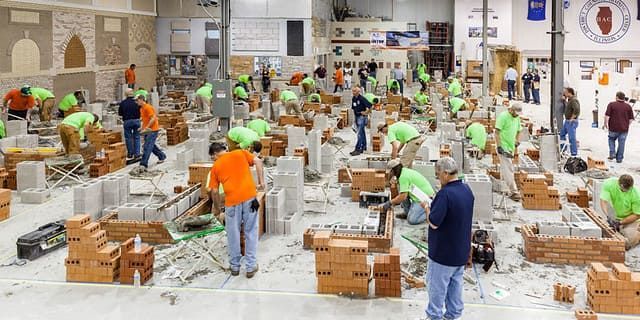
When planning a masonry restoration or concrete facade repair project in the Chicago area, one of the most important decisions you’ll face is whether to hire a union or non-union contractor. While both have their place in the construction industry, understanding the key benefits of working with a union contractor like RestoreWorks can help property managers, facilities managers, and architects make an informed choice.
What Sets Union Contractors Apart?
Union contractors are backed by highly skilled labor from craftsmen trained through rigorous apprenticeship programs. RestoreWorks, for example, partners with Local 21 Bricklayers in Illinois, Local 4 Bricklayers in Indiana, and Local 52 Pointers, Cleaners, and Caulkers in Illinois. These affiliations ensure our team is equipped to handle specialized tasks.
Benefits of Union-Backed Craftsmanship
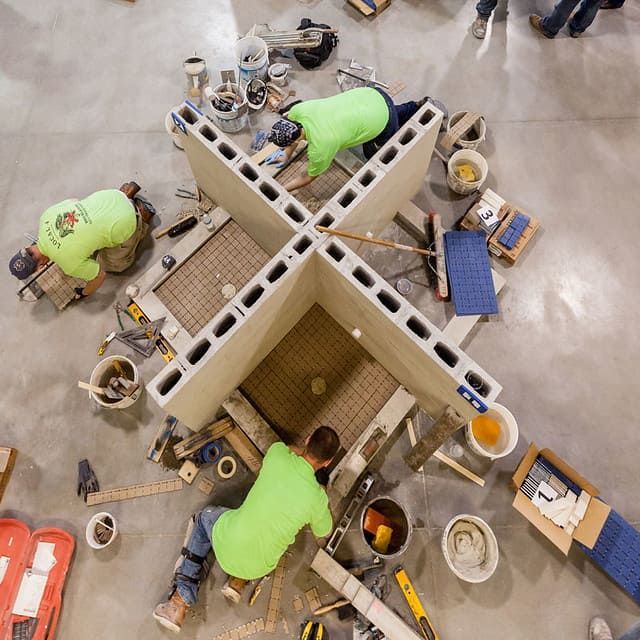
- Extensive Training: Union masons undergo thousands of hours of training, ensuring they’re prepared to handle complex projects in areas with fluctuating weather like Chicago.
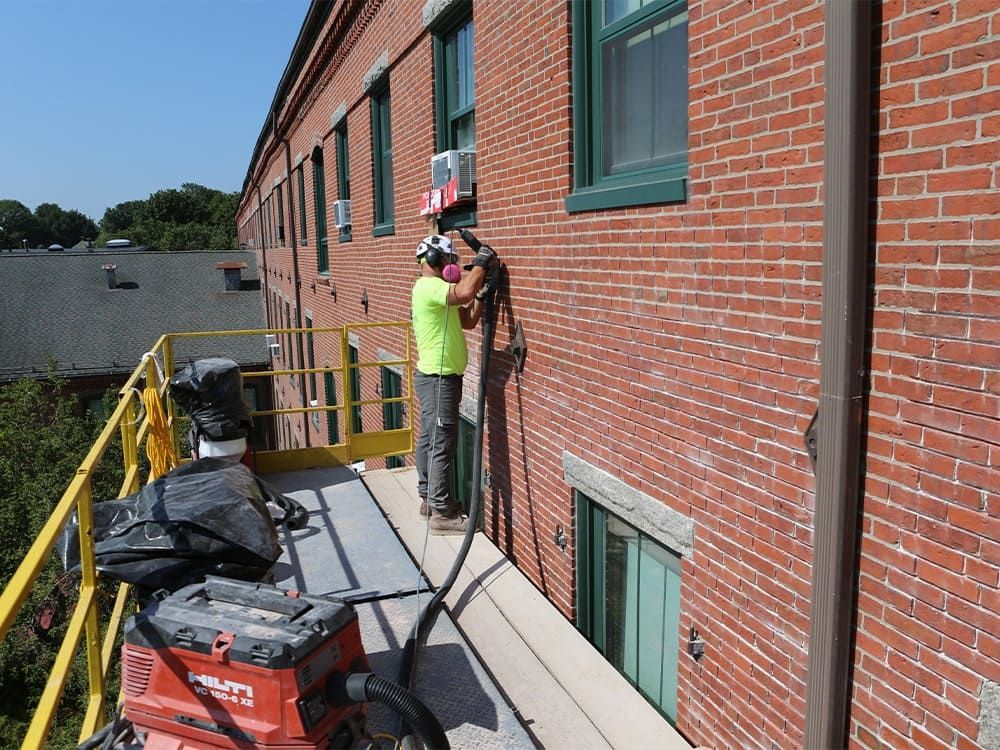
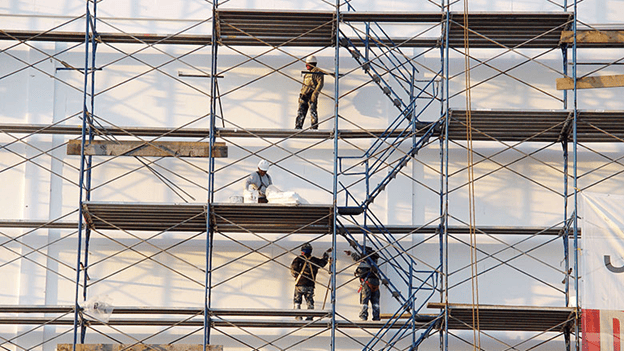
- High Safety Standards: Union contractors adhere to strict safety protocols, reducing project risks and ensuring compliance with OSHA standards.
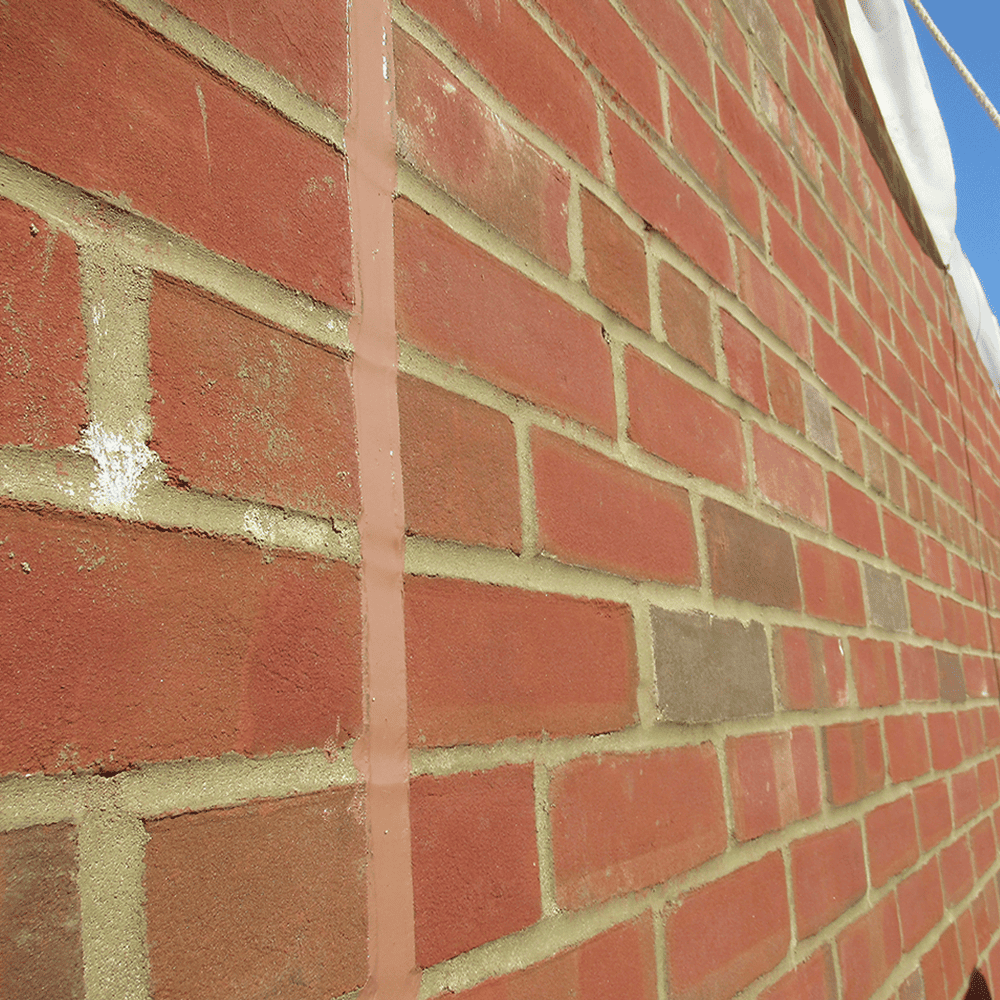
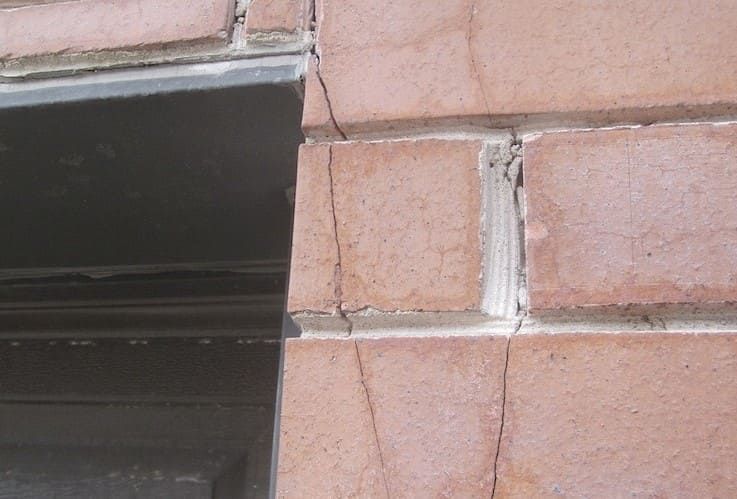
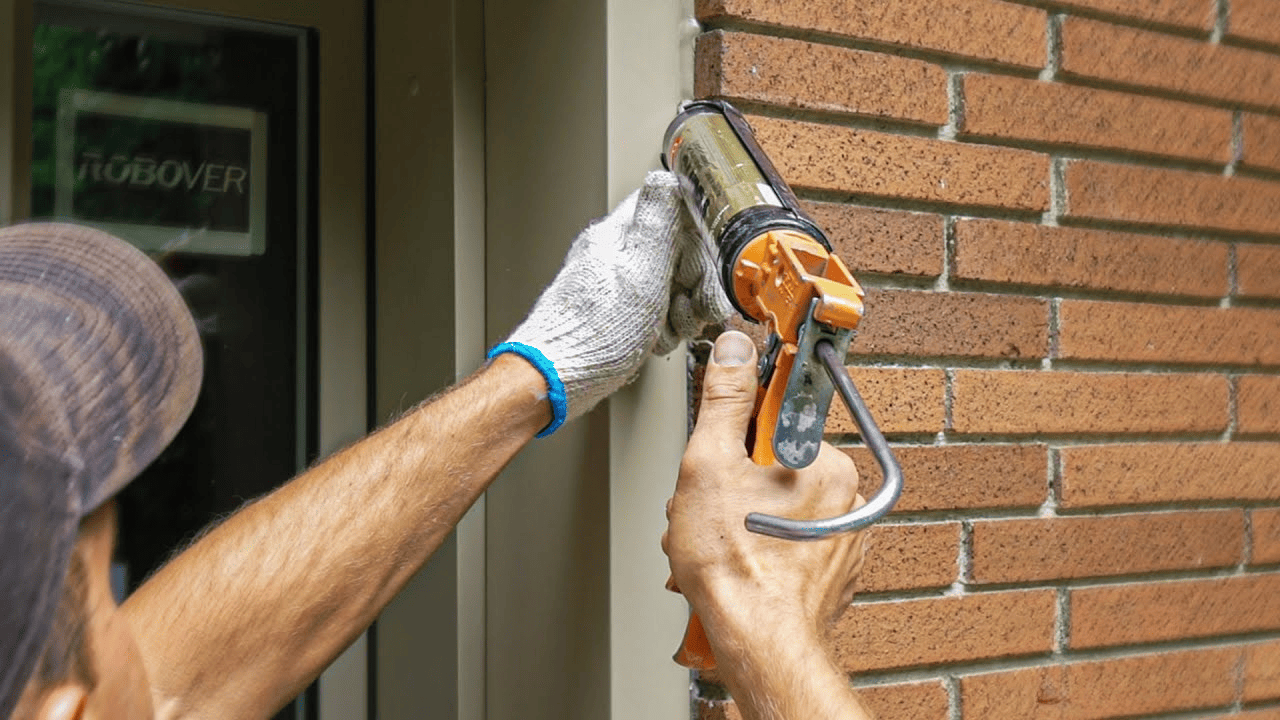
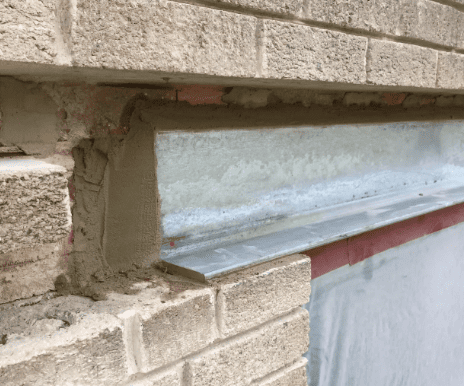
- Specialized Expertise: Union teams bring deep expertise in niche areas, such as caulking, tuckpointing, and lintel repairs.
Real-World Value: Cost vs. Investment
It’s easy to assume that hiring a non-union contractor will save money upfront. However, the long-term value of hiring a union contractor can outweigh the initial savings:
- Lower Risk of Rework: Poor-quality work often leads to costly repairs down the line. Union workers are held to higher quality standards, ensuring durability and precision in every job.
- Faster Turnaround Times: Union teams are accustomed to working on large-scale, deadline-driven projects, making them an ideal choice for time-sensitive repairs.
- Better Resource Management: With unions providing ongoing training and certifications, contractors like RestoreWorks have access to a pool of skilled professionals, reducing labor shortages and delays.
When Should You Choose a Union Contractor?
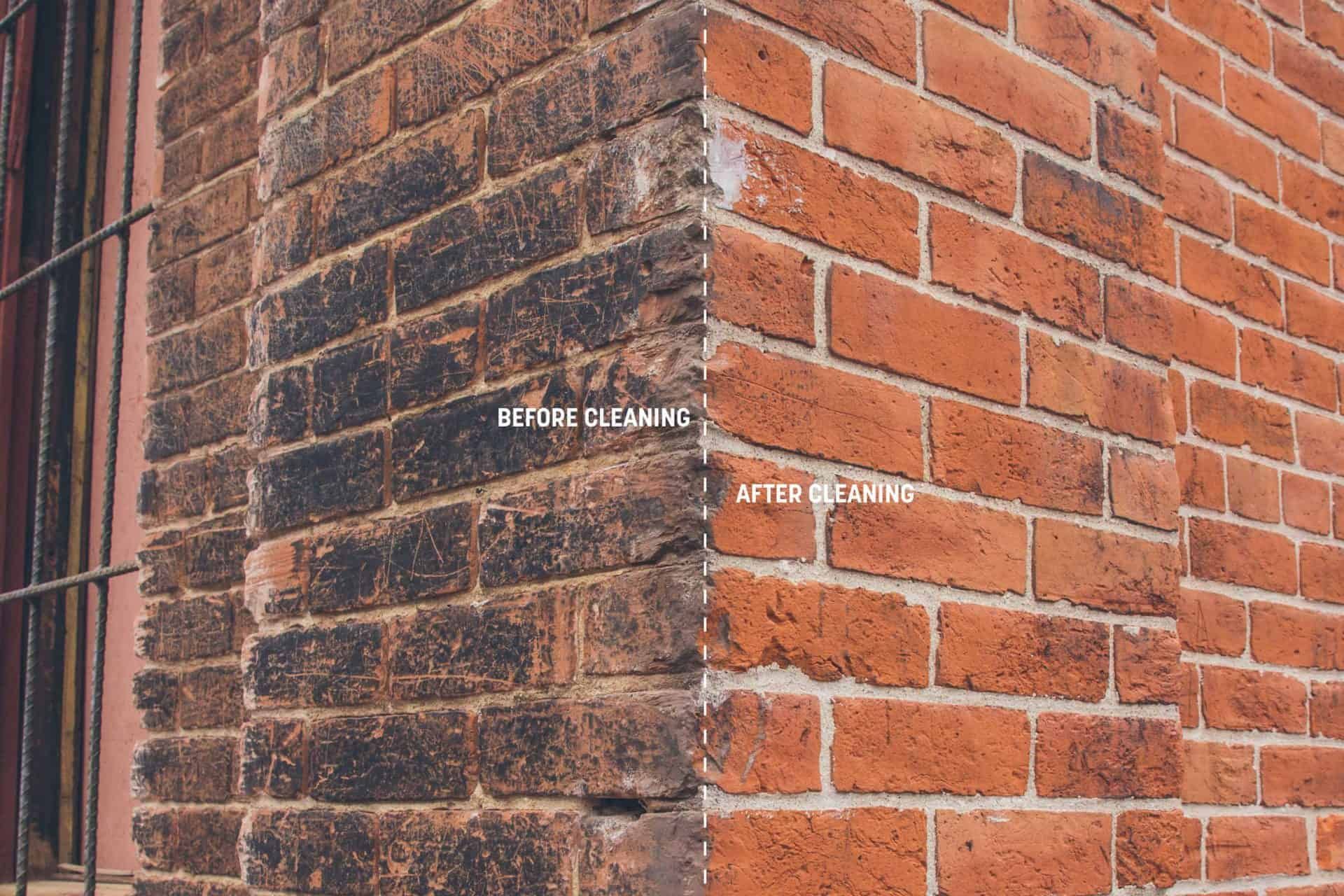
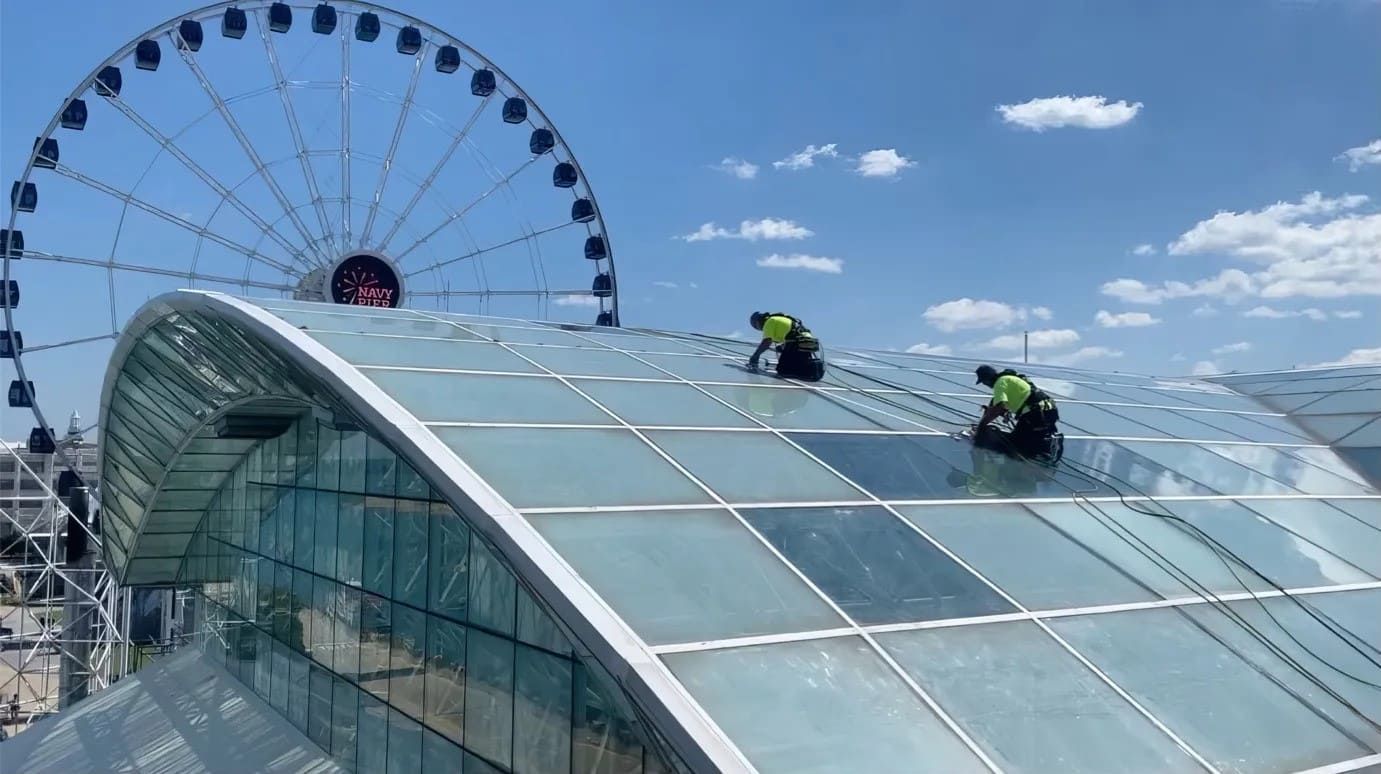
For complex or large-scale projects, particularly in Chicago’s demanding climate, union contractors are the clear choice. Tasks like restorative masonry cleaning require precise attention to detail and advanced skills that union training ensures.
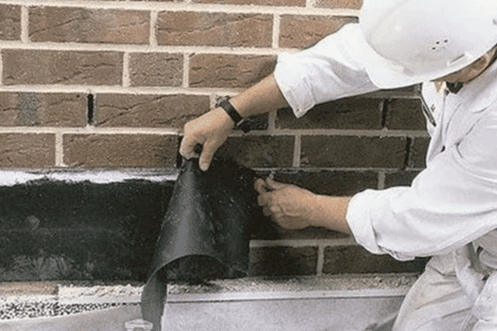
Consider a situation where a building’s contractor fails to properly address underlying structural issues. Union workers, trained to identify these hidden problems during their initial assessment, can avoid such pitfalls, saving time and money in the long run.
According to Building Advantage, projects that use union labor typically need about 10% fewer workers compared to those employing non-union labor. This efficiency comes from the higher productivity levels of union workers, which results in roughly 4% savings in overall labor costs. Essentially, union teams complete the same work with fewer hours and fewer people.

Union Contractors and Historic Masonry
RestoreWorks is proud to be a union masonry restoration contractor affiliated with Local 4, Local 21, and Local 52. Whether you need concrete balcony restoration services or commercial masonry restoration, we deliver exceptional results backed by decades of experience and a commitment to excellence. Many of these professionals complete advanced training through the Historic Masonry Preservation Certificate (HMPC) program, which covers traditional repair methods, mortar analysis, and material-specific restoration techniques, ensuring work is done with both precision and historical sensitivity.
If you’re planning a project and want the highest standards in safety, quality, and expertise, contact RestoreWorks today. We’re here to make sure your property stands strong for years to come.