An Essential Guide to Mortar Joint Maintenance for Builders
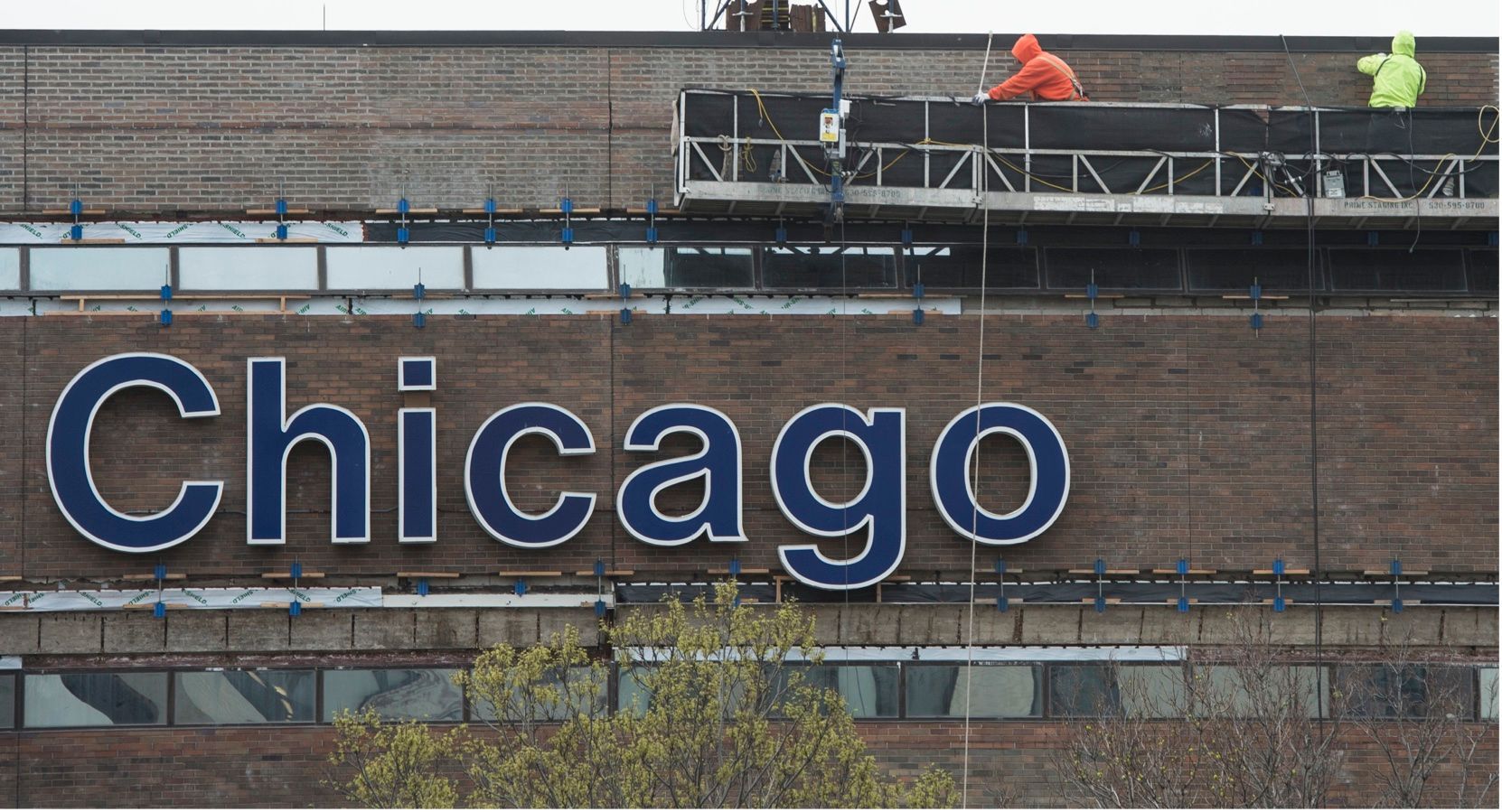
Is the integrity of your building's brickwork at risk? Observing street-level mortar deterioration often signals similar damage higher up, requiring expert intervention.
At RestoreWorks, we set the standard for masonry restoration. Our portfolio includes distinguished projects like the Chicago Theatre and the University of Illinois – Chicago’s Education, Theatre, Music and Social Work Building. Our commitment extends beyond mere restoration to precision color and profile matching of the original mortar for seamless integration.
This article outlines the significance of incorporating our specialized services into your maintenance routine and the meticulous process we employ at RestoreWorks.
Proactive Mortar Maintenance: Beyond Aesthetics to Structural Integrity
Why prioritize mortar maintenance? Initially, pointing serves to support bricks during installation, ensuring even weight distribution. Over time, compromised mortar disrupts this balance, precipitating structural deformities and potential hazards.
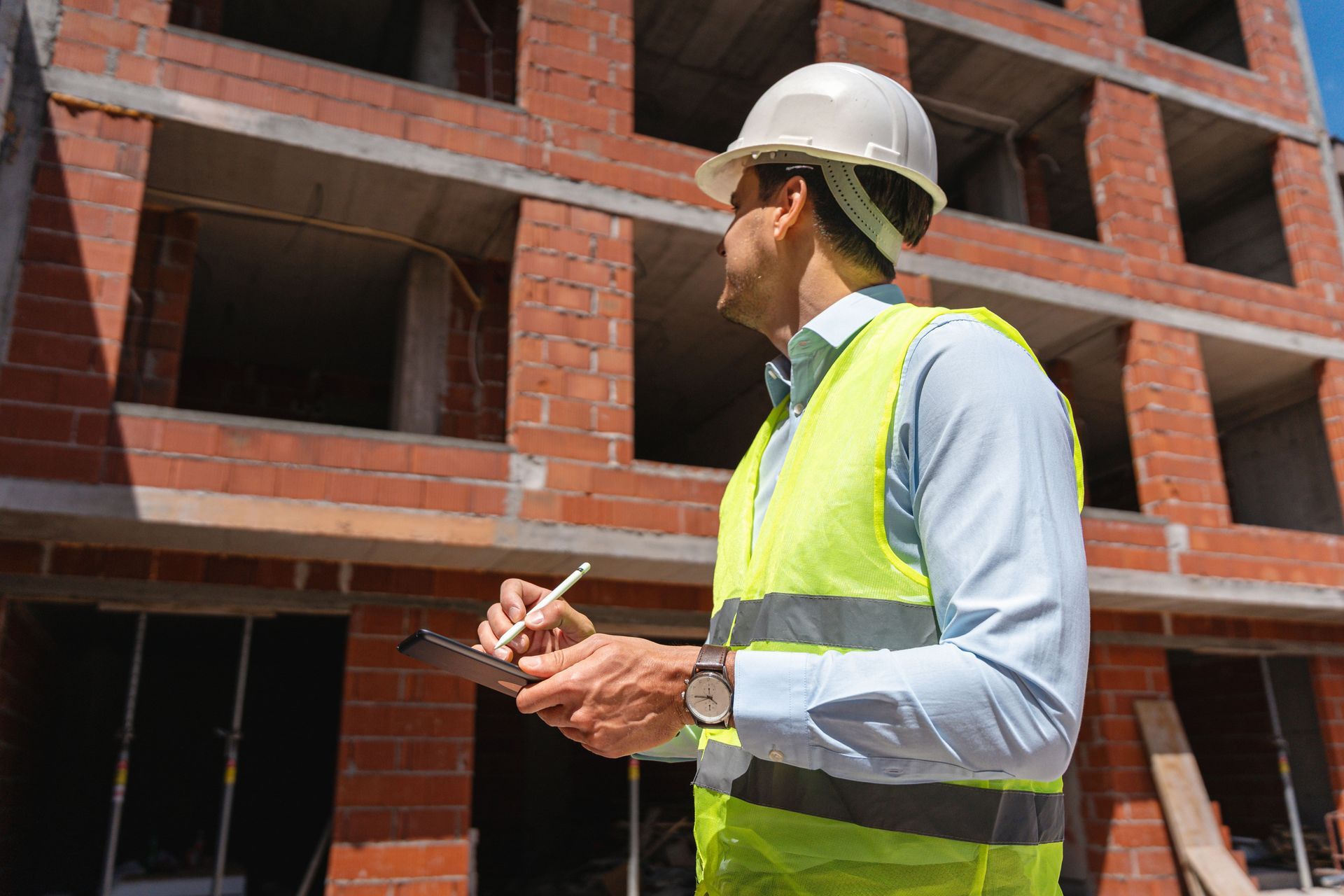
Our approach at RestoreWorks includes a thorough assessment to gauge the extent of damage and strategically recommend restorative tuckpointing, thereby reinforcing structural integrity and preserving aesthetic appeal.
The Imperative of Structural Safety in Brickwork Maintenance
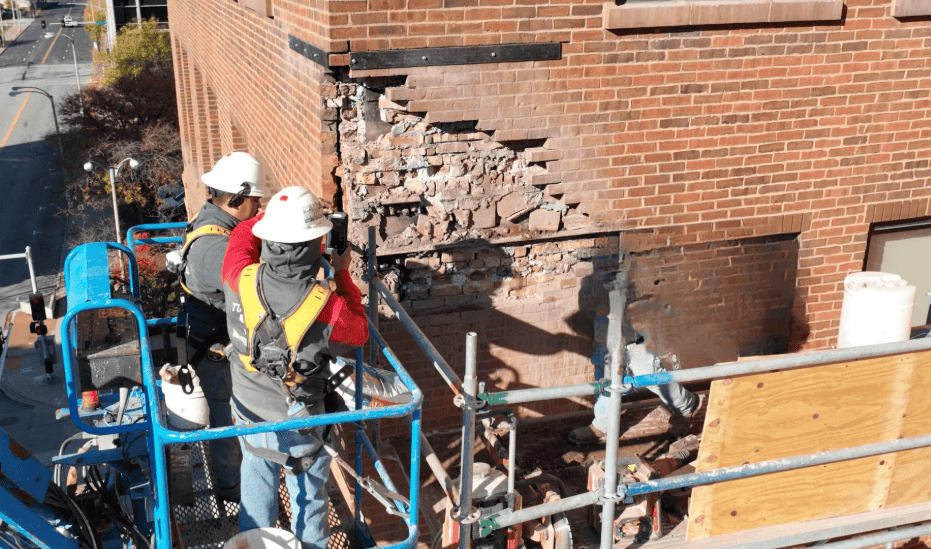
For facility managers and owners, maintaining structural safety is paramount. Neglected mortar can facilitate moisture ingress, exacerbating damage, fostering mold proliferation, and posing health risks, as well as liability concerns from falling debris.
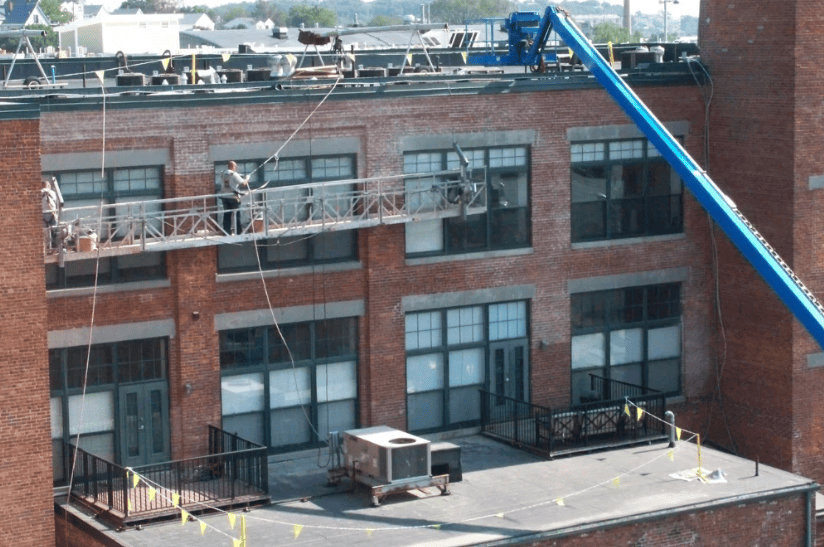
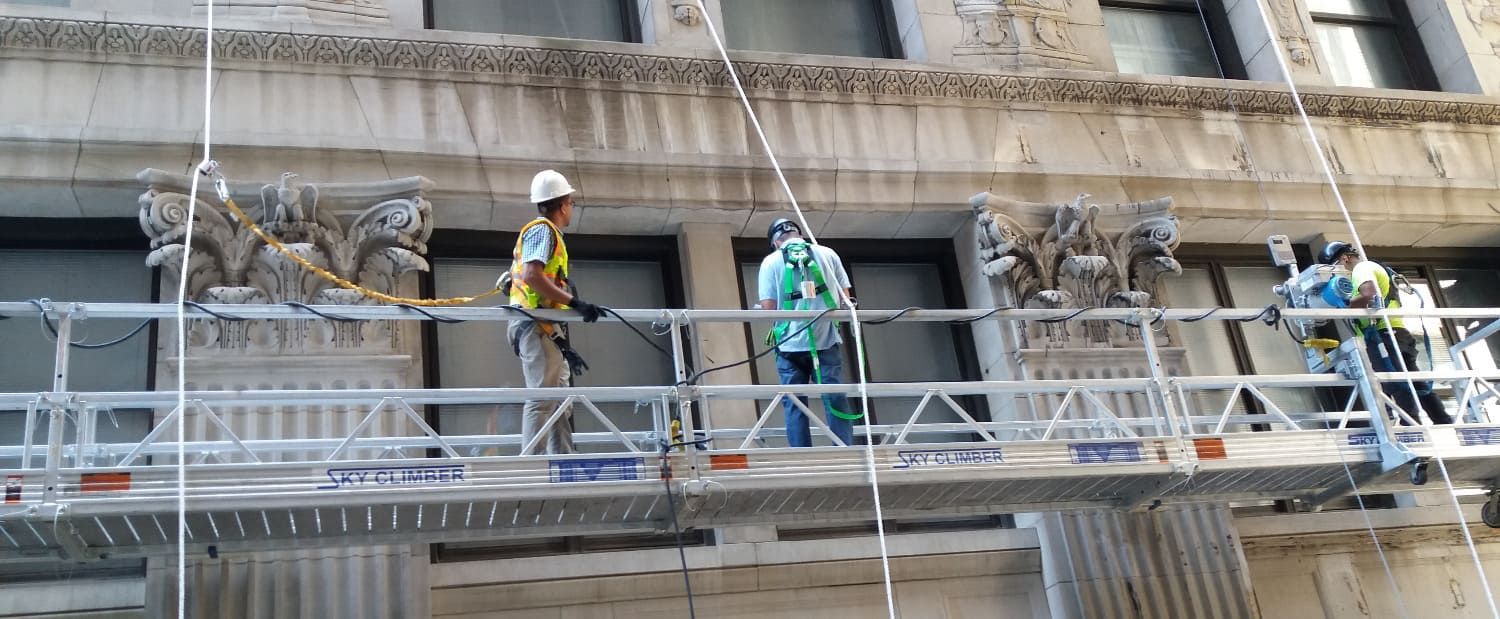
The inevitability of mortar degradation demands vigilance. Through regular evaluations and timely maintenance, RestoreWorks ensures longevity and upholds stringent safety standards. Our expertise includes specialized hard-to-access capabilities, evidenced by our work on the Wisconsin capitol dome.
RestoreWorks Methodology for Premier Tuckpointing
Renowned for exceptional craftsmanship, RestoreWorks approaches every project with an artisan's precision. Our process involves:
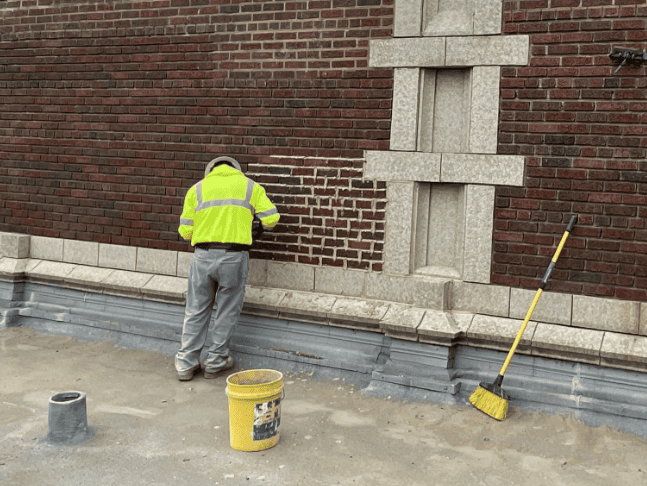
- Utilizing diamond blade grinders with dust collection vacuum systems.
- Careful selection of mortar to ensure a perfect match in color and composition.
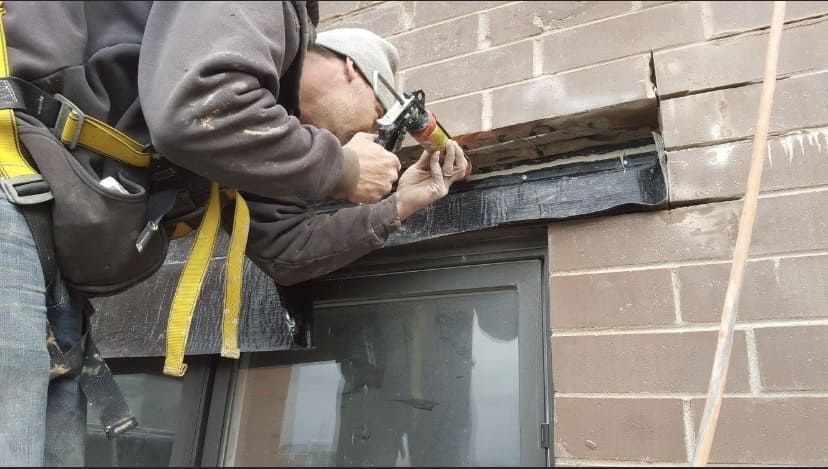
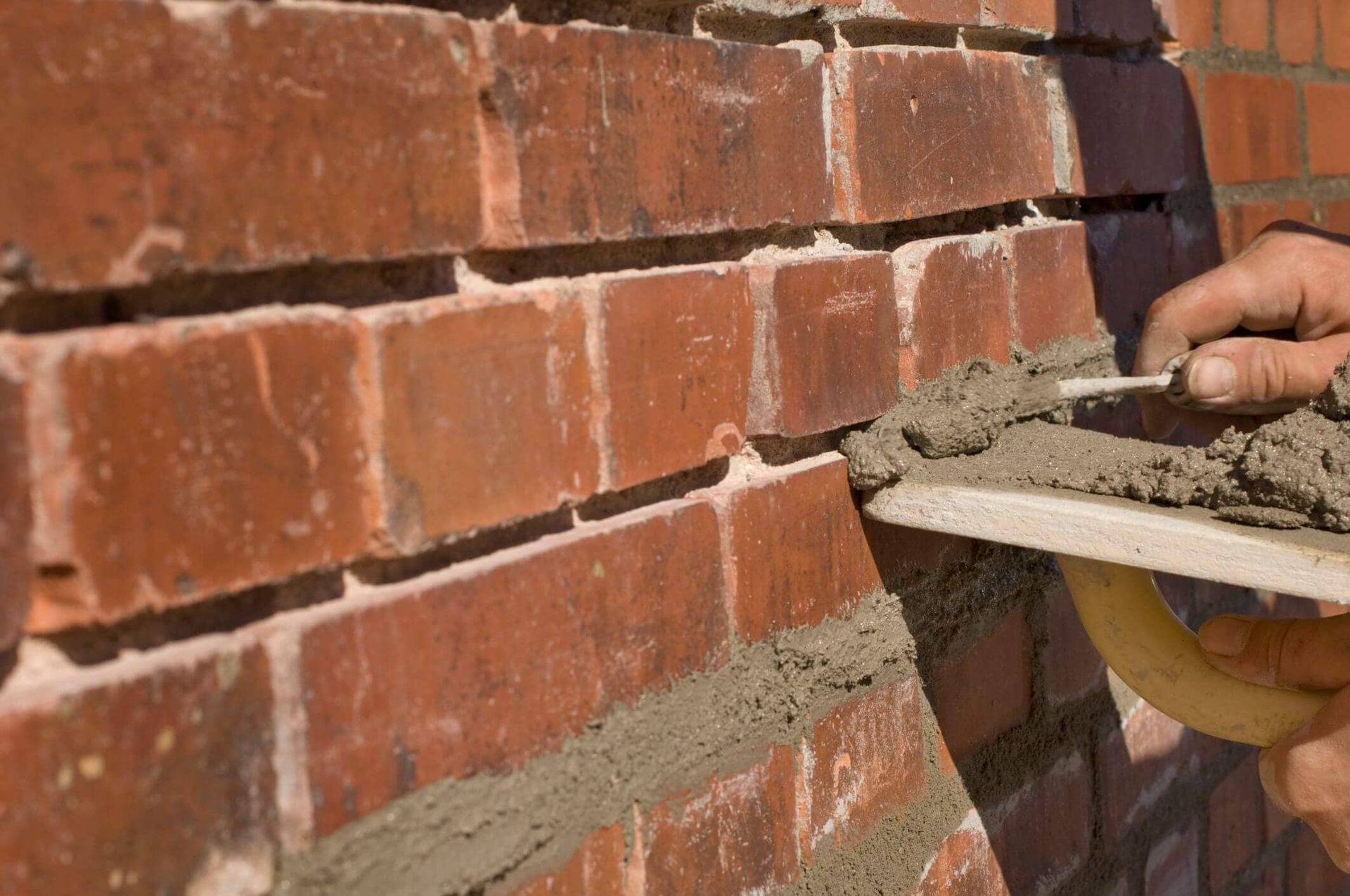
- Application of new mortar in multiple stages for optimal durability.
- Precise tooling to replicate the original joint profile.
- Thorough cleaning of the masonry surface post-application.
- Rigorous final inspection to guarantee excellence.
Identifying the Need for Professional Tuckpointing
Early signs of mortar failure are often overlooked. Here's what vigilant professionals should monitor:
- Progressive thinning or widening of mortar joints.
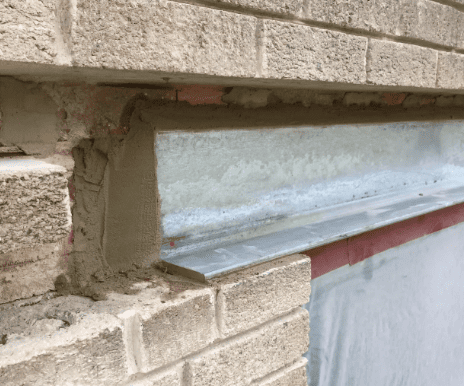
- Visible mortar erosion, resulting in joint irregularities.
- Evident gaps from dislodged mortar.
- Advanced decay indicated by crumbling mortar.
RestoreWorks excels not only in commercial tuckpointing but also in the restoration of brick, stone, and terra cotta elements, ensuring historical fidelity. Reach out to discuss your inspection and maintenance needs, and secure the longevity of your structures with our expert care.