Success Stories in Historic Restoration: Iconic Chicago Properties
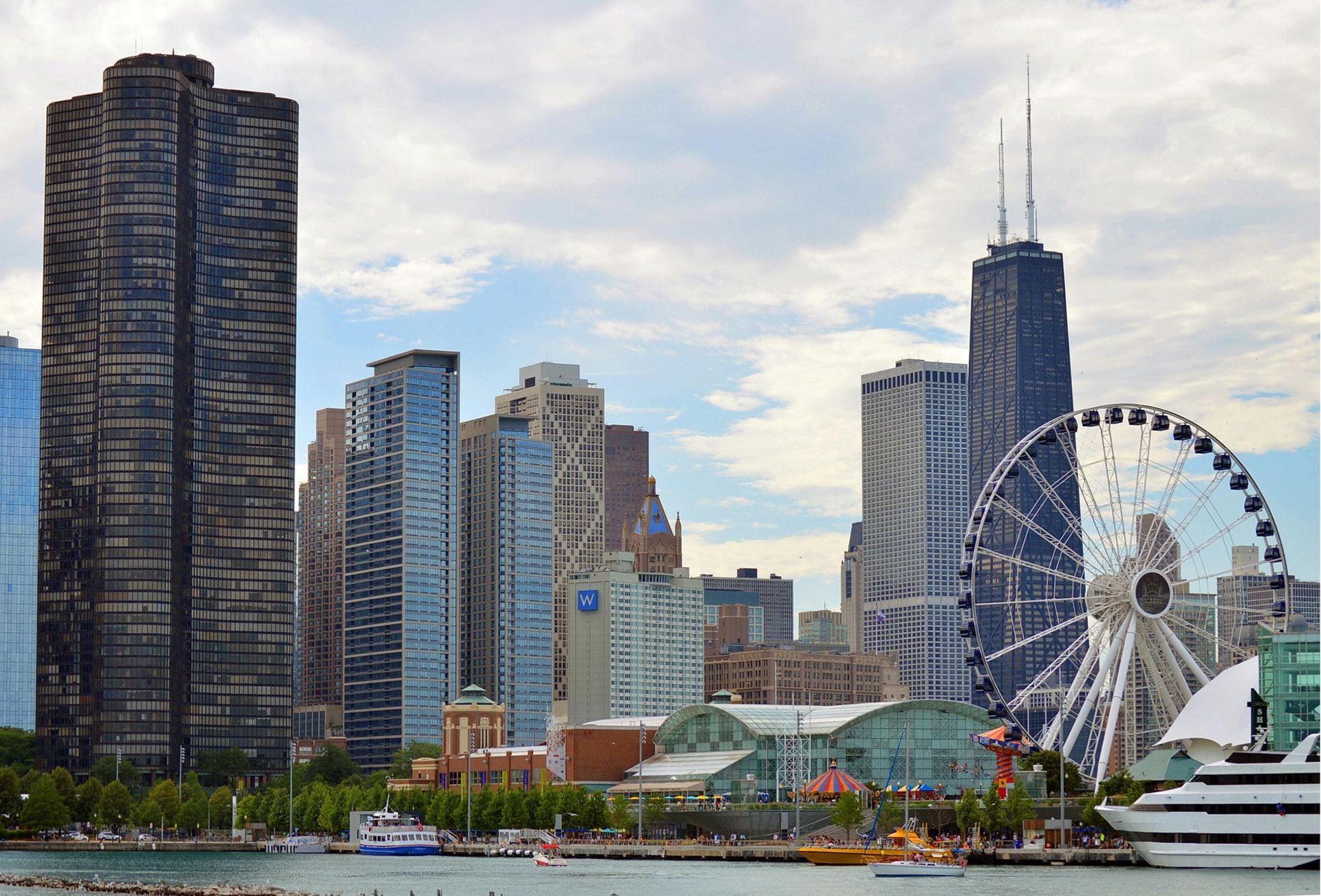
Chicago is defined by more than height and skyline views. It’s marked by legacy. From the limestone grandeur of Michigan Avenue to the cultural energy of Navy Pier, the city’s historic buildings are living artifacts. At RestoreWorks, we take pride in preserving these structures through expert craftsmanship, technical precision, and deep respect for their historical significance.
In this post, we highlight three restoration projects: Navy Pier, Tribune Tower, and the Chicago Athletic Association Hotel. Each required a tailored approach, adherence to preservation standards, and close coordination with ownership teams to ensure the integrity and longevity of these Chicago landmarks.
Navy Pier: Balancing Restoration with Public Access
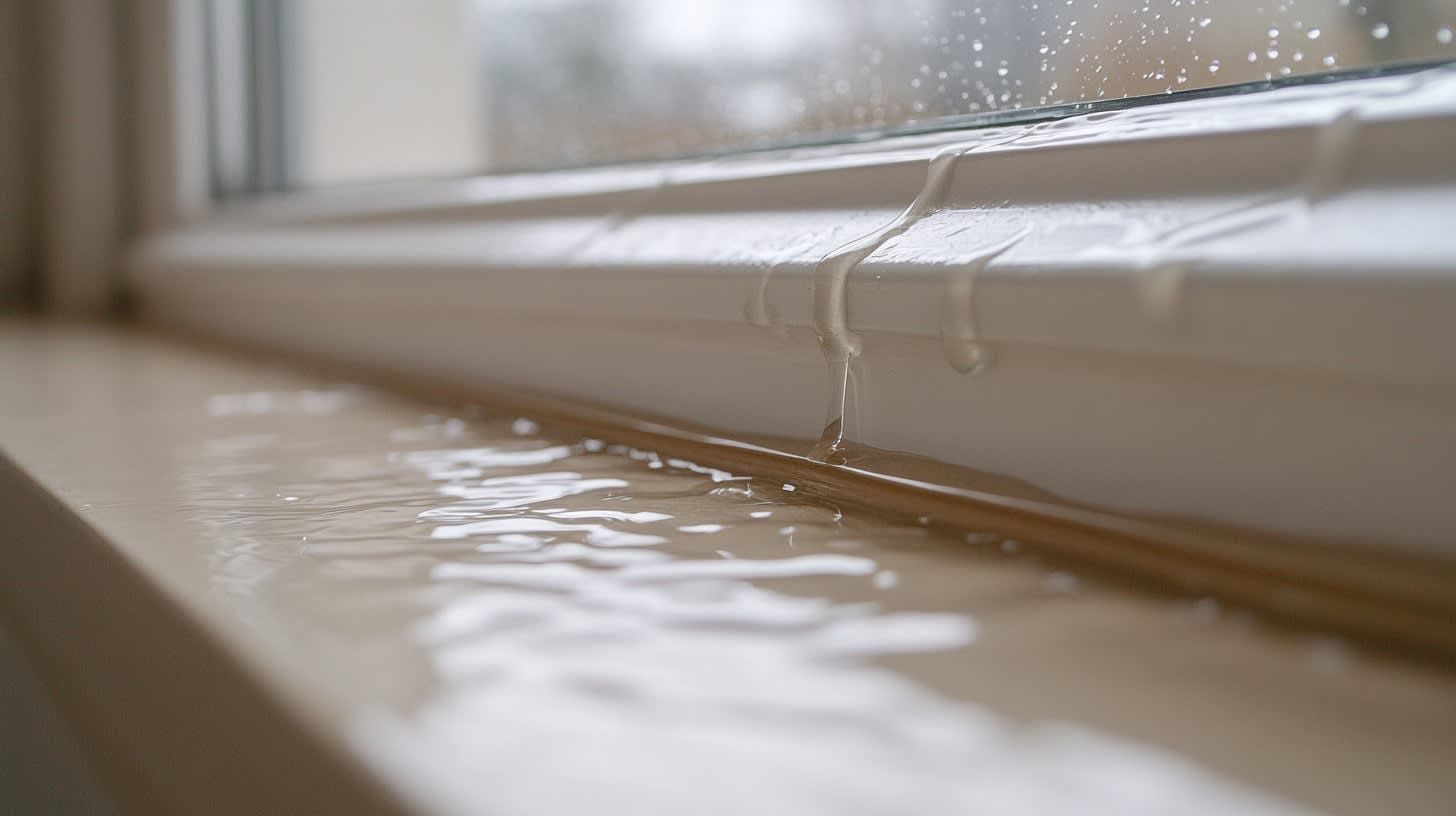
As one of Chicago’s most-visited destinations, Navy Pier is both a public gathering space and a complex architectural ecosystem. Originally completed in 1916, the pier evolved through decades of use, weather exposure, and renovations. Our work focused on mitigating water infiltration, stabilizing original materials, and protecting against future deterioration without disrupting daily operations.
Scope of Work:
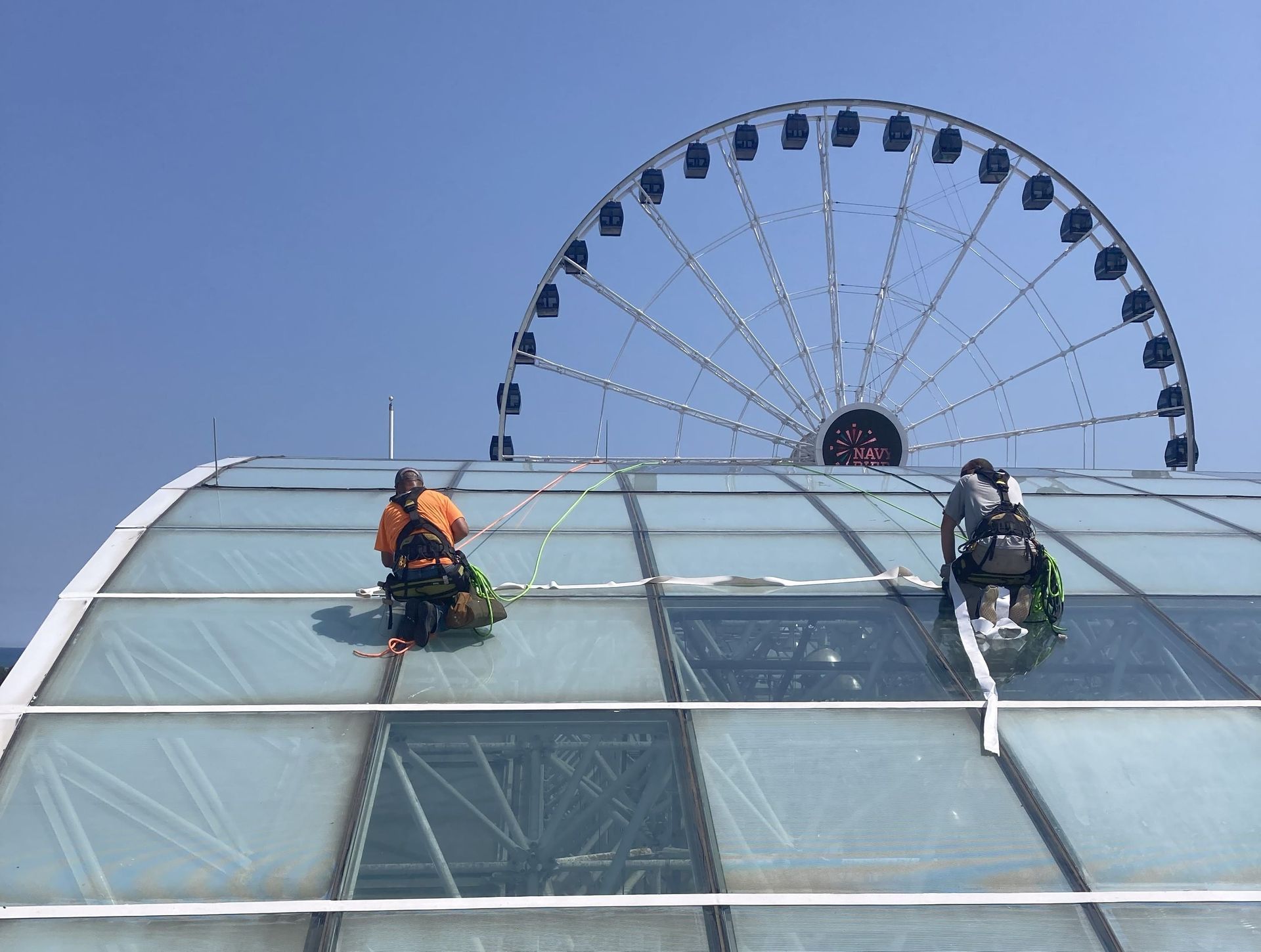
RestoreWorks was brought in to perform critical maintenance across nearly all major sections of the Pier, including the Headhouse, Family Pavilion, Crystal Garden, Festival Hall, Terminal Building, and East End Ballroom.
Key restoration techniques included:
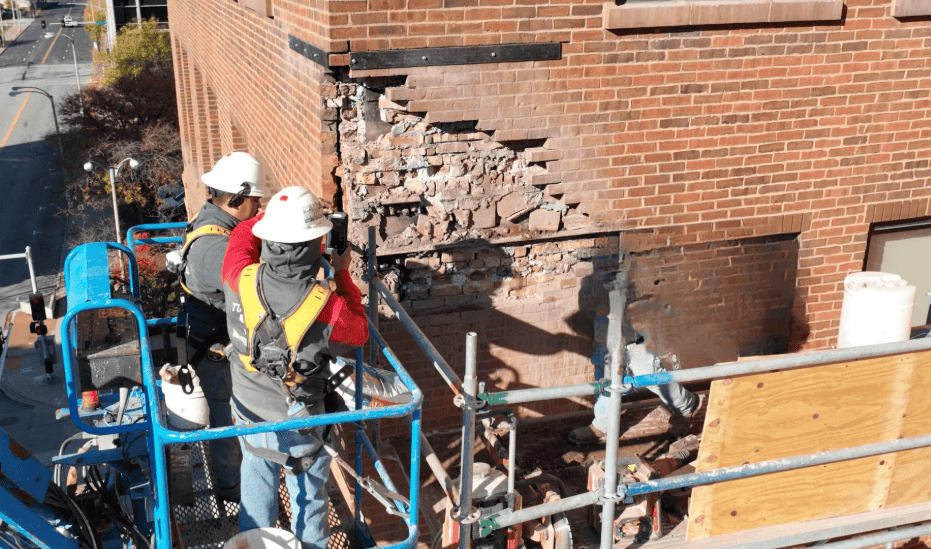
- Rebuilding brick parapets and resetting masonry to access and repair deteriorated steel
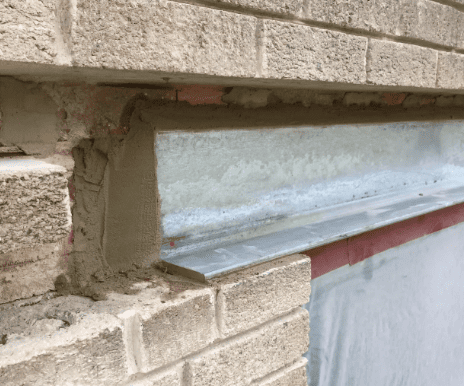
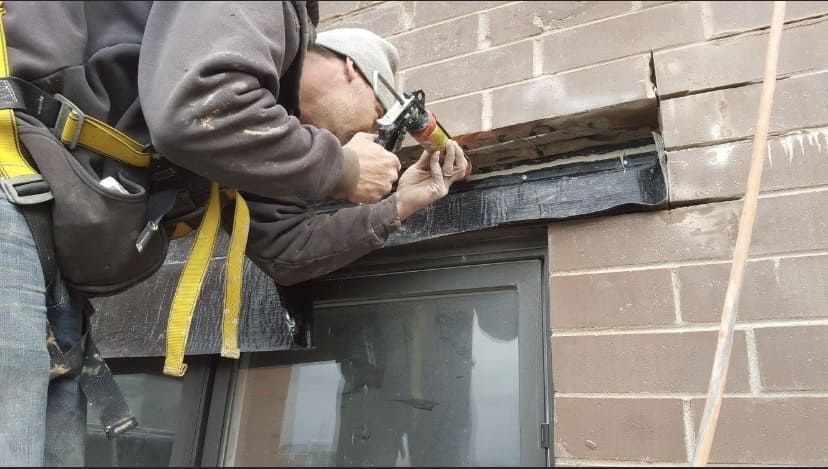
- Installing thru-wall flashing to redirect water and protect embedded steel elements
- Repairing rusting lintels and structural steel connections to prevent long-term failure
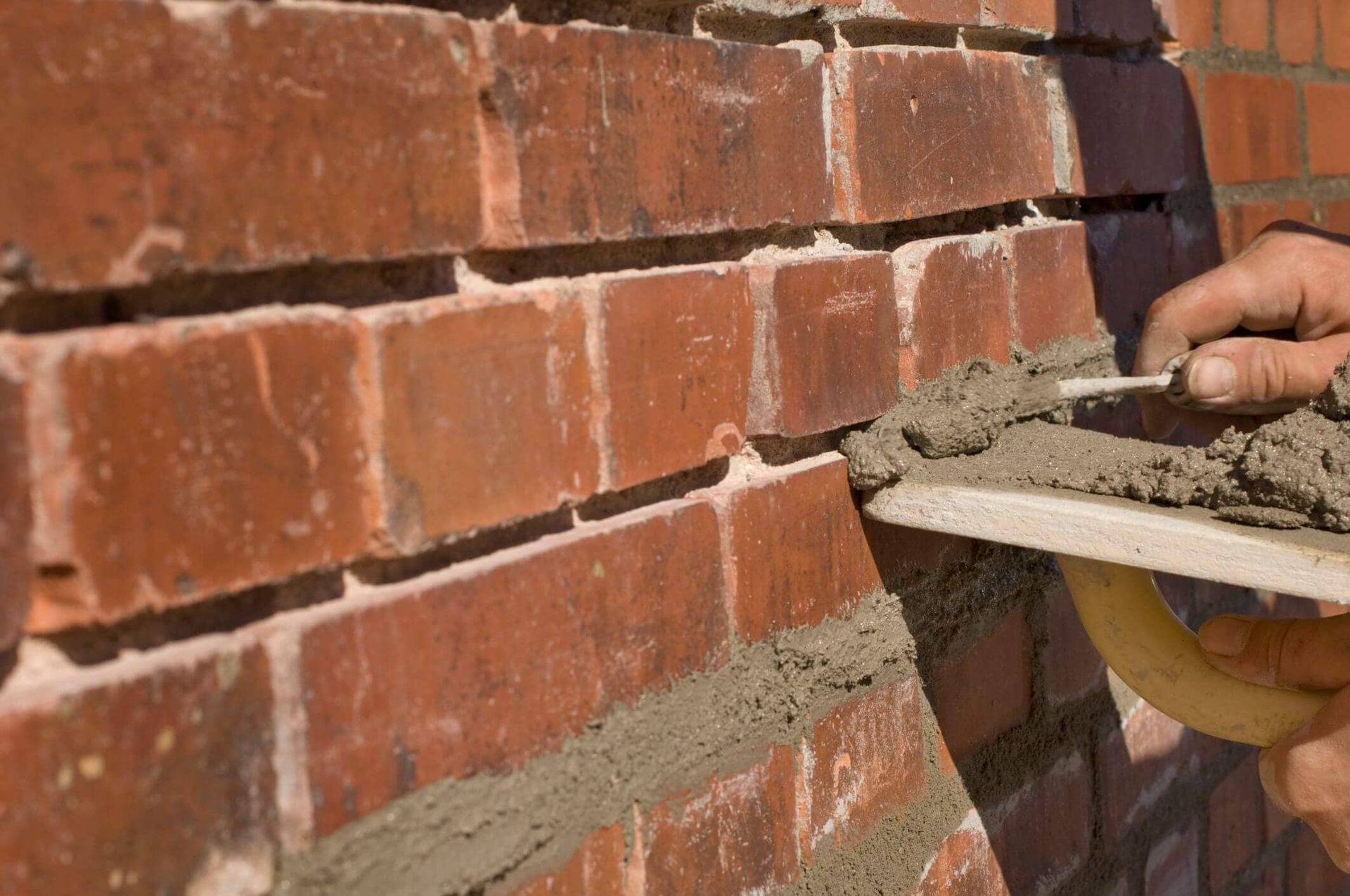
- Tuckpointing services across large facade areas to restore weathered mortar joints
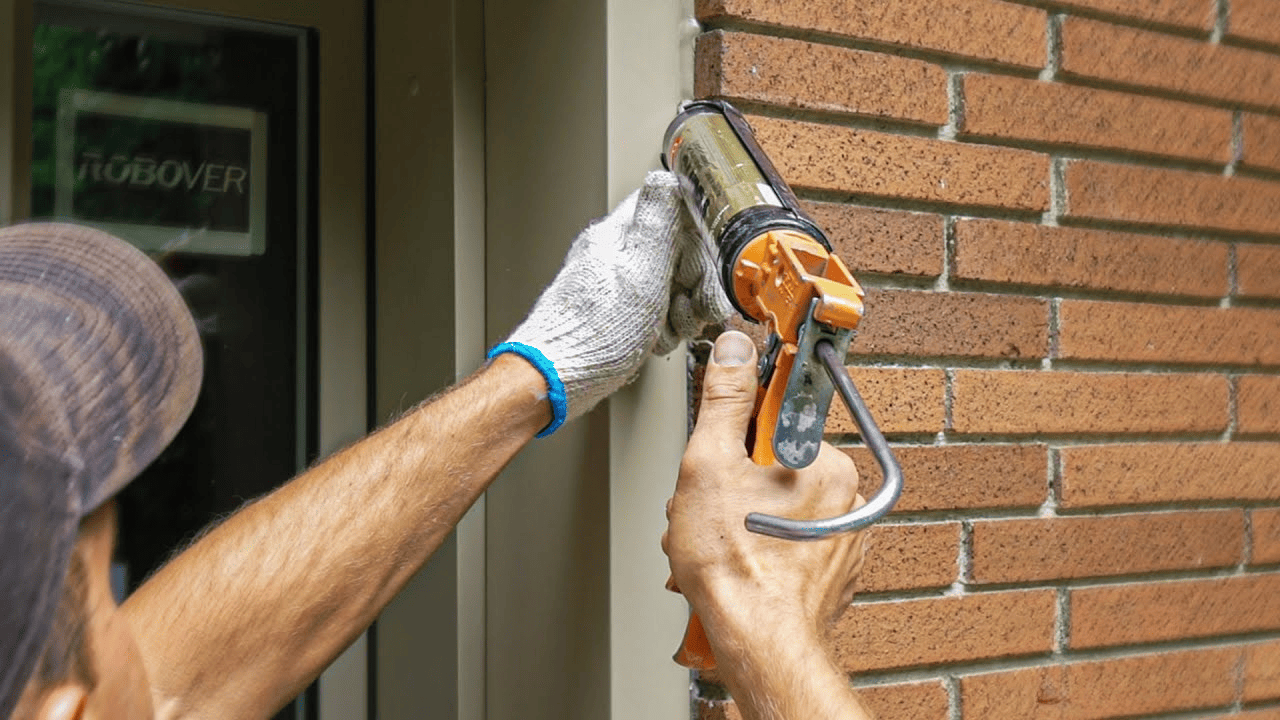
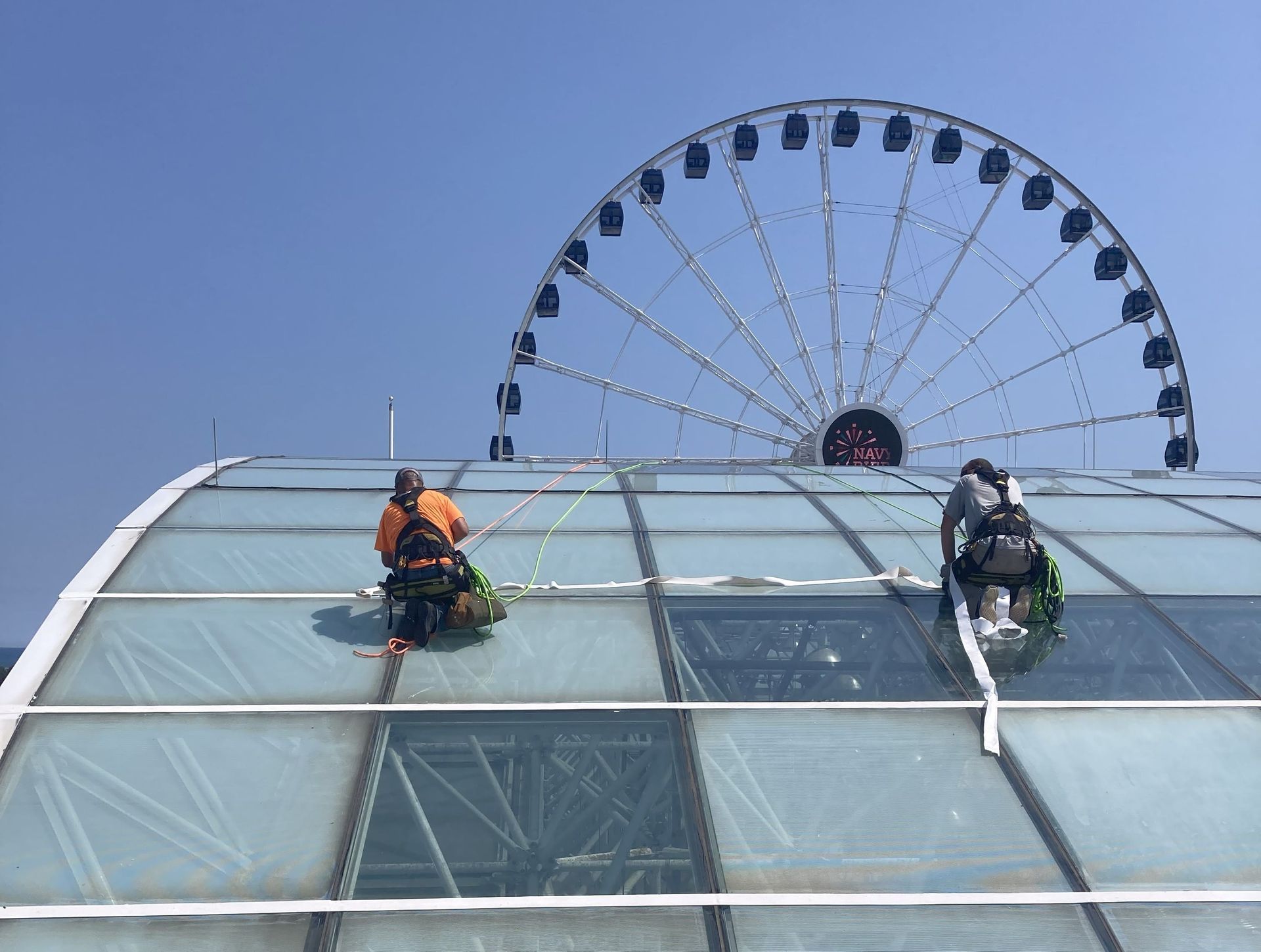
- Sealing 12,000 feet of joints at the Crystal Garden glass dome to eliminate leakage
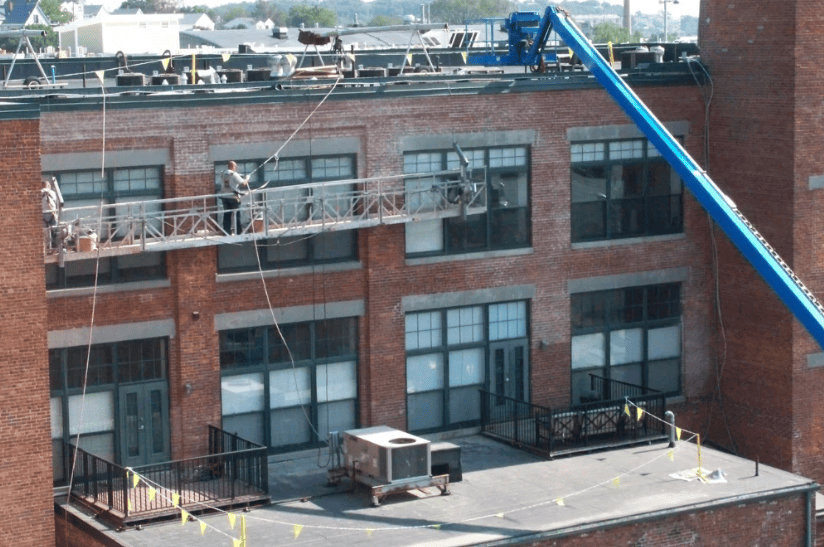
- Using rope access techniques to safely reach and repair hard-to-access areas
- Coordinating all work around Navy Pier’s active calendar of events and foot traffic
This project required not only technical knowledge but logistical precision. The use of rope access systems minimized equipment footprint, while our schedule was closely aligned with the venue’s event management team to reduce disruptions.
Tribune Tower: Gentle Methods for a Landmark Facade
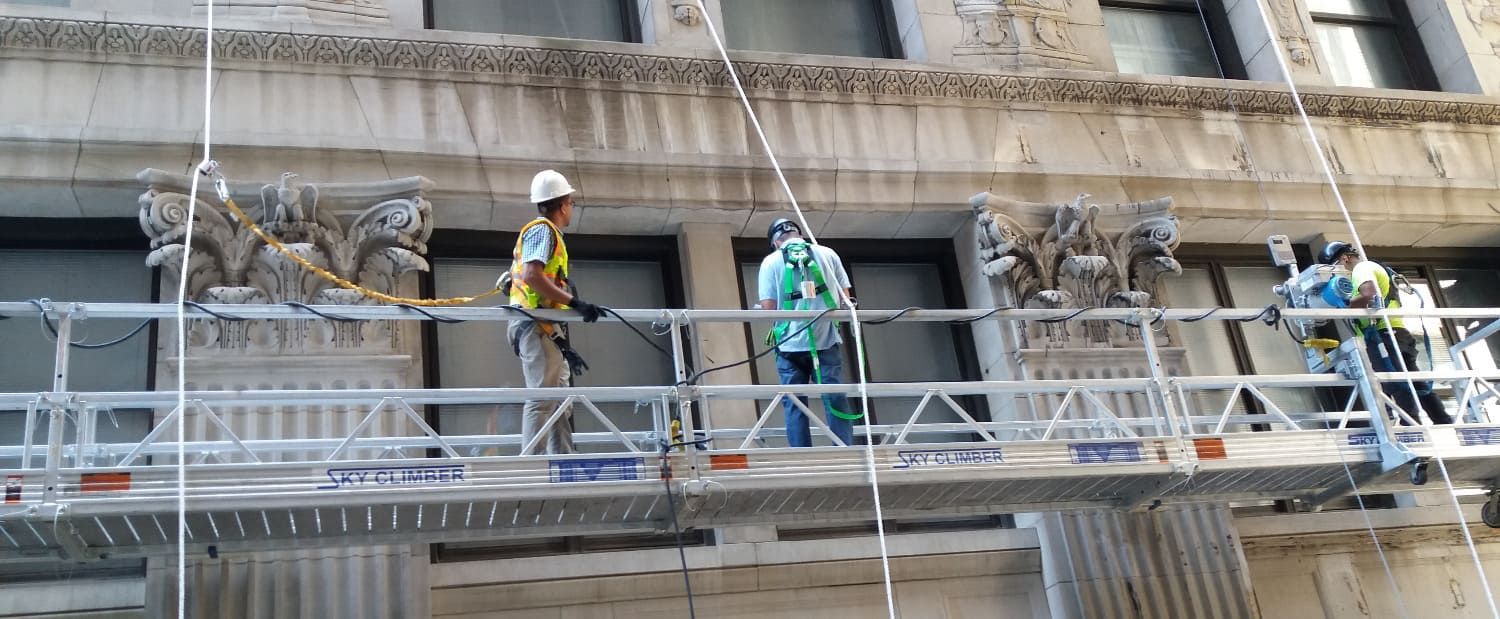
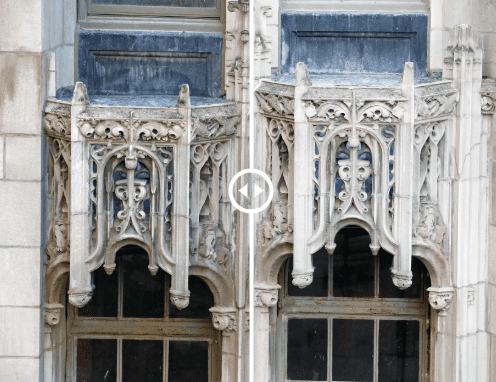
No tour of historic masonry in Chicago is complete without the Tribune Tower. Completed in 1925 as the result of an international design competition, the tower’s Gothic Revival facade stands as a monument to early 20th-century American architecture. Its exterior, clad in Indiana limestone, features ornate tracery and carved figures that require careful maintenance.
RestoreWorks was selected to perform a limestone cleaning program in accordance with the Secretary of the Interior’s Standards for Rehabilitation, which emphasize retaining and protecting original materials.
Cleaning Method:
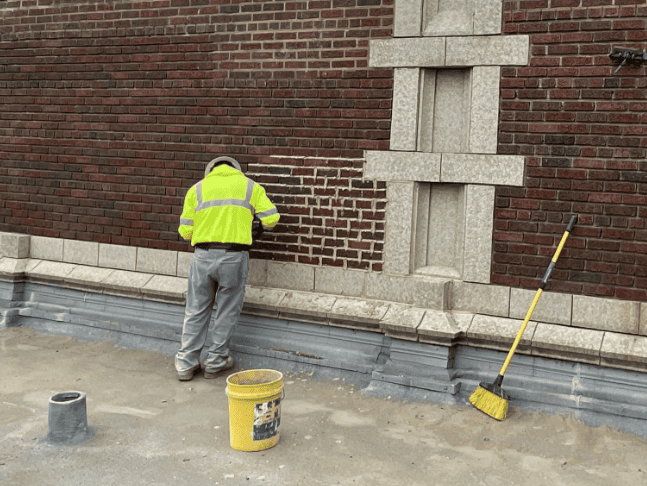
Rather than use aggressive chemicals or abrasive methods, our team employed a gentle water soaking technique, a process that allows dirt and biological growth to be loosened and removed with minimal impact to the stone’s surface.
This low-pressure cleaning approach was chosen specifically to preserve the carved ornamentation and avoid introducing new damage. The project reinforced the importance of pairing experience with restraint when working on historically sensitive structures.
Fun fact: According to the National Register of Historic Places, as of May 2025, over 100,000 properties have been listed in the National Register of Historic Places for their significance in American history, art, architecture, engineering, and culture.
Chicago Athletic Association Hotel: From Clubhouse to Boutique Revival
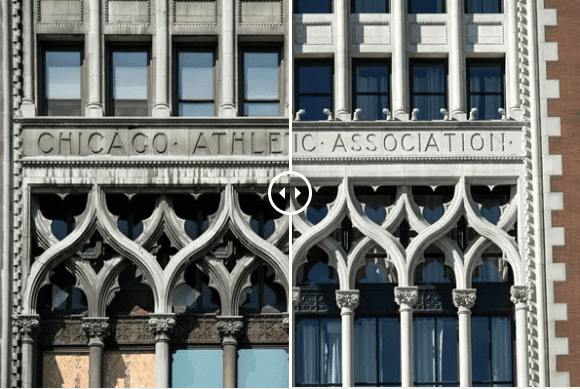
Built in 1893, the Chicago Athletic Association was originally a private men’s club catering to the city’s elite. After decades of vacancy, the building underwent a major adaptive reuse project in partnership with general contractor Bulley & Andrews, transforming it into a celebrated boutique hotel that blends historic charm with modern luxury.
RestoreWorks was entrusted with restoring the exterior limestone facade, which had suffered from decades of pollution and weathering.
Restoration Approach:
- Limestone surfaces were hand-cleaned with soft brushes, ensuring the delicate material was preserved without etching or loss of detail.
- Close collaboration with preservation architects and project stakeholders ensured the work met modern performance standards while respecting the original design.
- Throughout the process, our team documented conditions and methods in alignment with preservation best practices, reinforcing transparency and traceability.
This project exemplified the growing trend of adaptive reuse in urban markets, a sustainable way to bring life back to underutilized historic buildings. It also demonstrated how detailed masonry work, when done properly, enhances both curb appeal and long-term durability.
Why Craftsmanship Matters in Historic Masonry
Historic buildings often conceal hidden threats (ex: cracked mortar joints, embedded steel corrosion, and subtle water infiltration) that can jeopardize both appearance and structure if left unaddressed. Each of these case studies shows how masonry restoration in Chicago requires more than basic repairs. It demands a team with deep experience, technical fluency, and a preservation-first mindset.
At RestoreWorks, we align our methods with nationally recognized preservation standards and tailor each project to the unique conditions of the building. Whether it’s tuckpointing services, concrete facade repair, or intricate restorative cleaning, our goal is the same: to restore architectural value while making sure the structure remains safe and sound.
Preserving the Past, Building for the Future
The investments made in Navy Pier, Tribune Tower, and the Chicago Athletic Association Hotel not only safeguard Chicago’s history but also extend the utility and cultural relevance of these landmarks.
If your team is planning a historic restoration or has questions about preserving masonry on an older structure, we invite you to explore more of our past projects or reach out to RestoreWorks for a consultation.