Best Practices for Contractor-Subcontractor Relationships

In the construction industry, the relationship between general contractors (GCs) and subcontractors (subs) is crucial for the successful completion of projects. At RestoreWorks, we understand the importance of fostering strong, collaborative relationships with GCs to ensure smooth project execution. Here are some best practices to help build and maintain these vital partnerships.
Clear Communication and Collaboration
Emphasize Open and Consistent Communication
Effective communication is the cornerstone of any successful project. Open and consistent communication ensures that everyone is on the same page, reducing the risk of misunderstandings and delays. At RestoreWorks, we prioritize clear communication by:
- Proactively Sharing Updates: We keep GCs informed about project progress, potential issues, and any changes in the schedule. This transparency helps in making timely decisions and adjustments.
- Addressing Concerns Promptly: We encourage our team to address any concerns or questions immediately, fostering a culture of openness and trust.
- Being Readily Available: Our team is always available for on-site meetings and collaboration, ensuring that any issues can be resolved quickly and efficiently.
Expertise and Efficiency
Highlighting Our Experience and Qualifications
Our extensive experience and qualifications set us apart in the industry. We have successfully completed numerous large-scale projects, such as Chicago’s Navy Pier, where our expertise and efficiency were critical to the project's success. Here’s how we ensure efficiency:
- Staying on Schedule: We meticulously plan our tasks and adhere to the project timeline, minimizing delays and ensuring timely completion.
- Leveraging Expertise: Our team comprises highly skilled professionals who bring specialized knowledge to each project, ensuring high-quality workmanship.
Problem-Solving Commitment
Commitment to Problem-Solving
Unforeseen issues are a reality in construction projects. However, a good subcontractor is committed to problem-solving to ensure smooth project completion. At RestoreWorks, we:
- Anticipate Challenges: We identify potential problems early and develop contingency plans to address them.
- Innovative Solutions: Our team is trained to think creatively and come up with innovative solutions to overcome obstacles, ensuring the project stays on track.
Cost Transparency and Safety
Providing Clear and Upfront Pricing
Cost transparency is essential for building trust with GCs. We understand the importance of clear and upfront pricing to minimize the risk of cost overruns. Our approach includes:
- Detailed Quotes and Proposals: We provide comprehensive quotes and proposals that outline all costs involved, ensuring there are no surprises later on.
- Regular Financial Updates: We keep GCs informed about any changes in costs and provide regular financial updates to maintain transparency.
Safety & Quality Assurance
Commitment to a Safe Work Environment
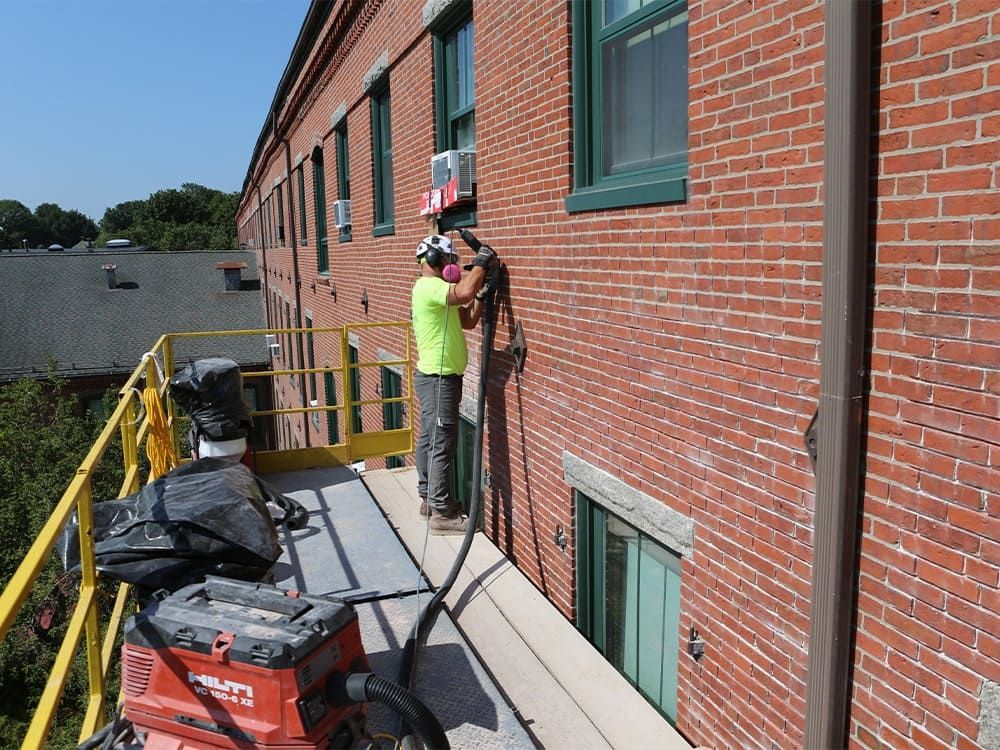
Safety is a top priority at RestoreWorks. We are committed to maintaining a safe work environment and ensuring the highest quality standards. Our safety measures include:
- Excellent EMR Score: Our Experience Modification Rate (EMR) score reflects our commitment to safety. A low EMR score indicates fewer workplace injuries and a safer work environment.
- Regular Safety Training: We conduct regular safety training sessions for our team to ensure they are aware of the latest safety protocols and practices.
- Quality Control: We have stringent quality control measures in place to ensure that all work meets the highest standards.
Building strong relationships between general contractors and subcontractors is essential for the success of any construction project. At RestoreWorks, we prioritize clear communication, leverage our expertise, commit to problem-solving, ensure cost transparency, and maintain a safe work environment. By following these best practices, we aim to foster collaborative and productive partnerships with GCs, ensuring the successful completion of every project.
For more information on how RestoreWorks can help with your next project, feel free to contact us. Together, we can build better.