Balcony Repair Tips for Multi-Story Commercial Buildings
Balconies play an important role in multi-story commercial buildings by offering functional outdoor space. However, their constant exposure to weather, wear, and heavy use makes them prone to deterioration over time. For property managers, properly addressing balcony maintenance and repairs is important for the safety, compliance, and the long-term integrity of your building.
Here are tips to guide you through effective balcony repair strategies.
1. Understand Common Balcony Challenges
A clear understanding of typical balcony issues can help prioritize maintenance and repair efforts:
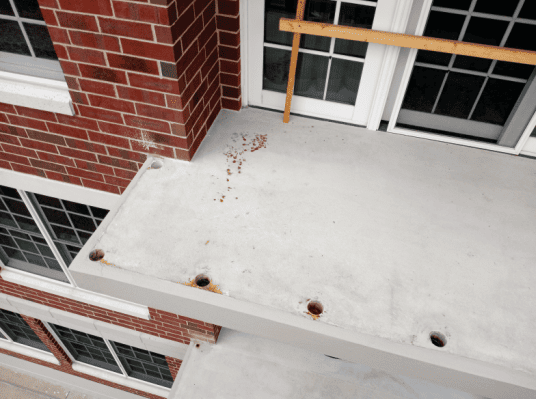
- Concrete Cracking and Spalling: Concrete balconies are prone to cracks and surface deterioration caused by freeze-thaw cycles, water infiltration, and overloading. Left unchecked, these issues can lead to structural concerns.
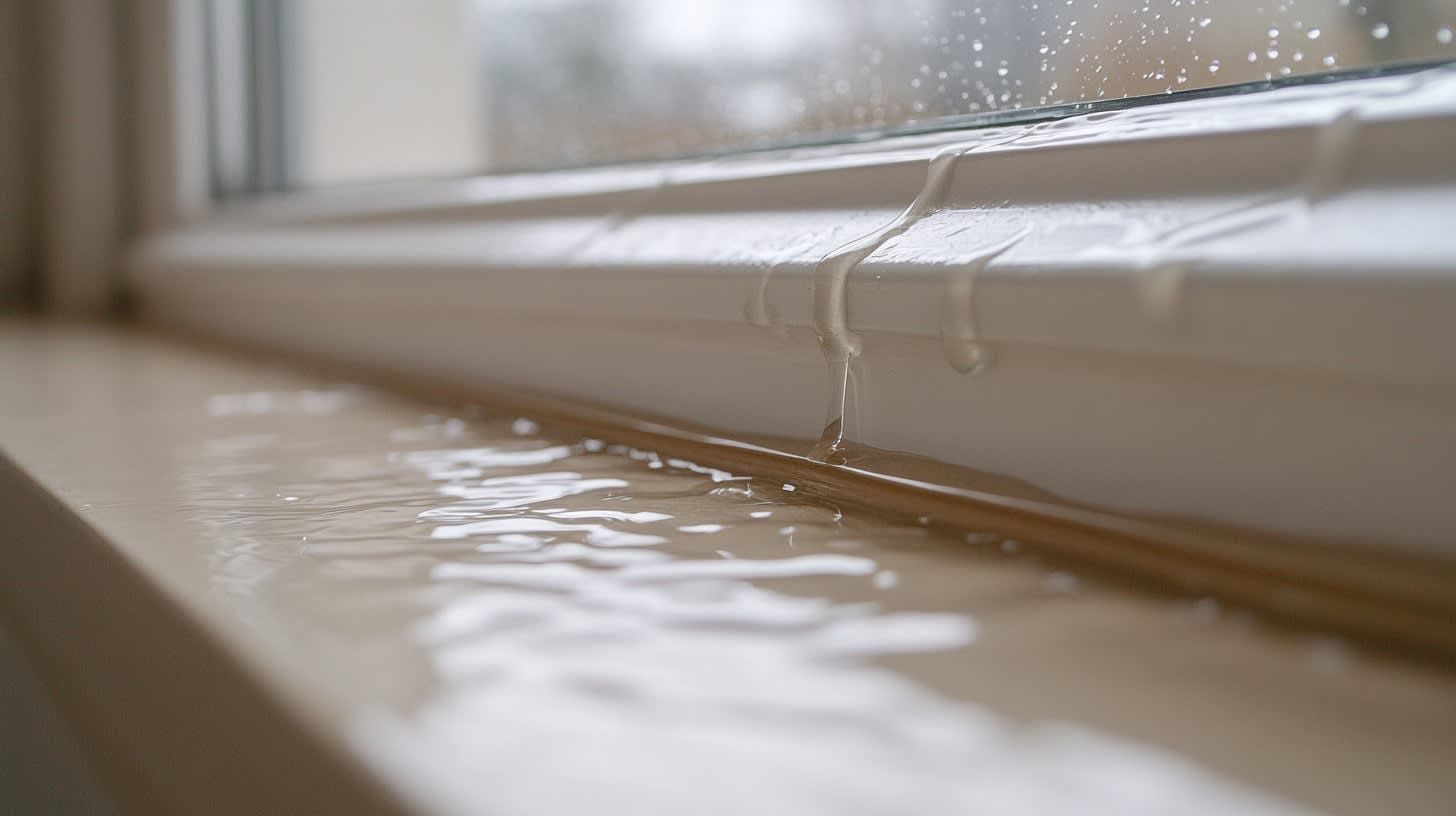
- Waterproofing Failures: Aging or damaged waterproof membranes are a common cause of water infiltration, leading to further damage to the balcony structure and building components.
- Corrosion of Reinforcements: Moisture intrusion, particularly in regions like Chicago where de-icing salts are used, can corrode embedded steel reinforcements, weakening structural integrity.
- Railing Instability: Loose or deteriorated railings present serious safety risks, especially in high-traffic commercial buildings. Many older systems also fail to meet current building code requirements.
- Structural Weaknesses: According to the Consumer Product Safety Commission (CPSC), between 2003 and 2008, more than 33,000 injuries were reported due to structural failures, which shows the importance of proactive maintenance.
2. Conduct Routine Inspections
Routine inspections are key to identifying potential problems before they get worse:
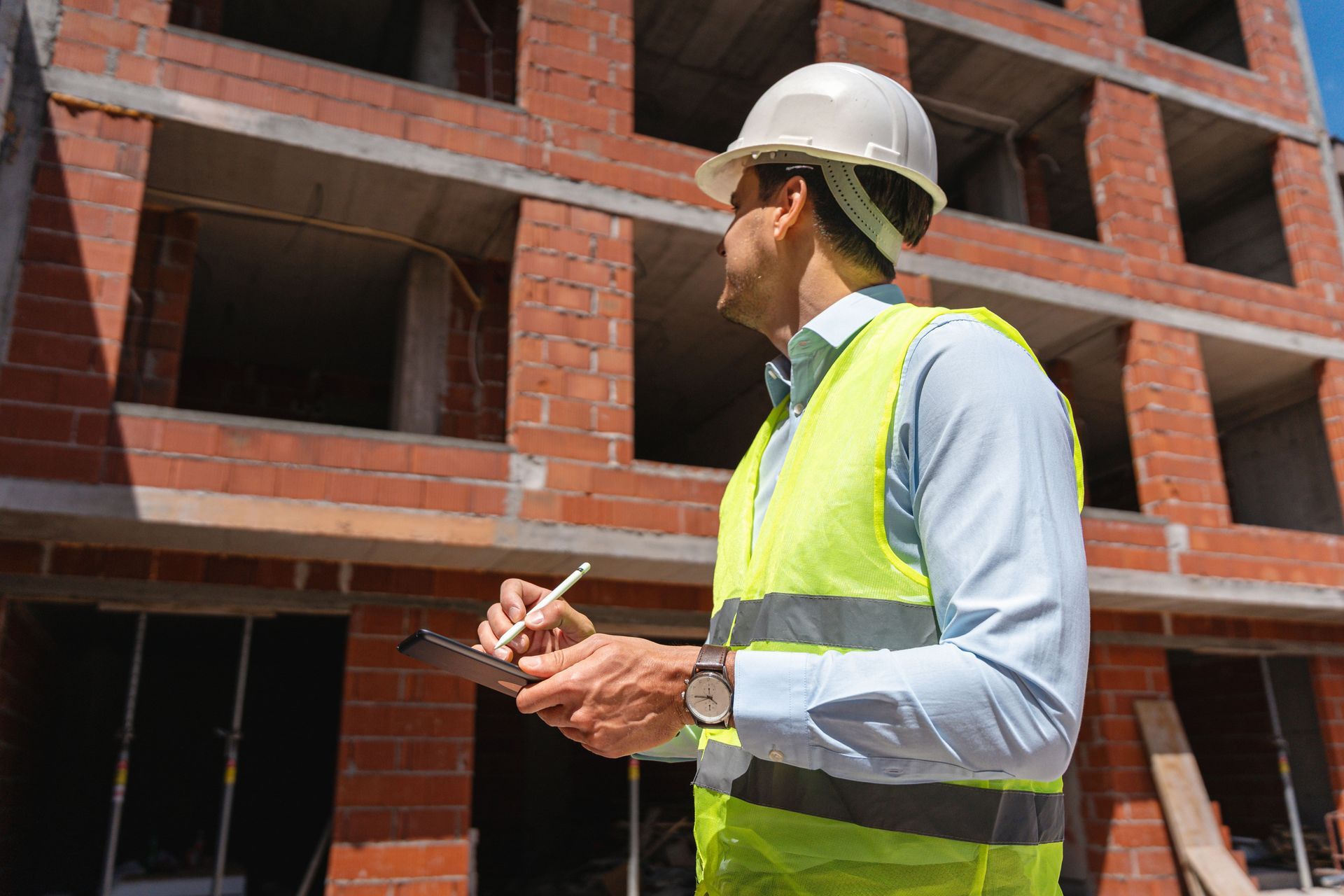
- Schedule Regular Inspections: Perform evaluations annually, increasing frequency in regions with harsh climates like Chicago or buildings with known vulnerabilities.
- Engage Experts: Work with structural engineers or experienced restoration specialists to identify hidden issues, such as sub-surface cracks or reinforcement corrosion, that may not be visible during a cursory check.
- Focus on Critical Areas: Pay close attention to drainage points, joint sealants, and load-bearing components during inspections. Document your findings in detail to establish a maintenance history.
3. Choose the Right Repair Techniques
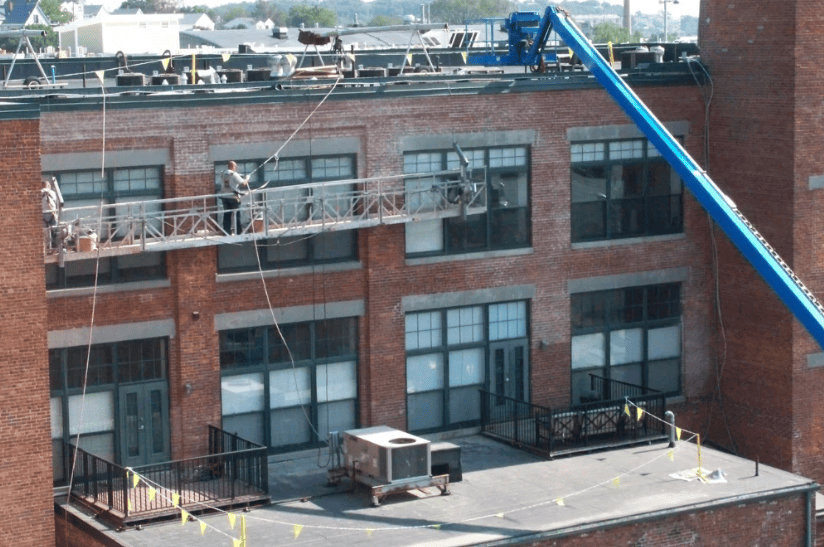
Effective balcony repair requires selecting the appropriate methods based on the type and extent of damage. Working with a concrete balcony repair contractor in Chicago can help determine if your building needs:
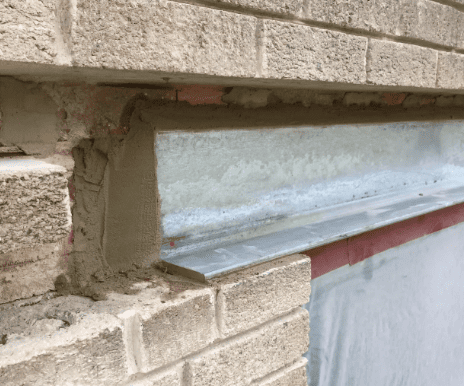
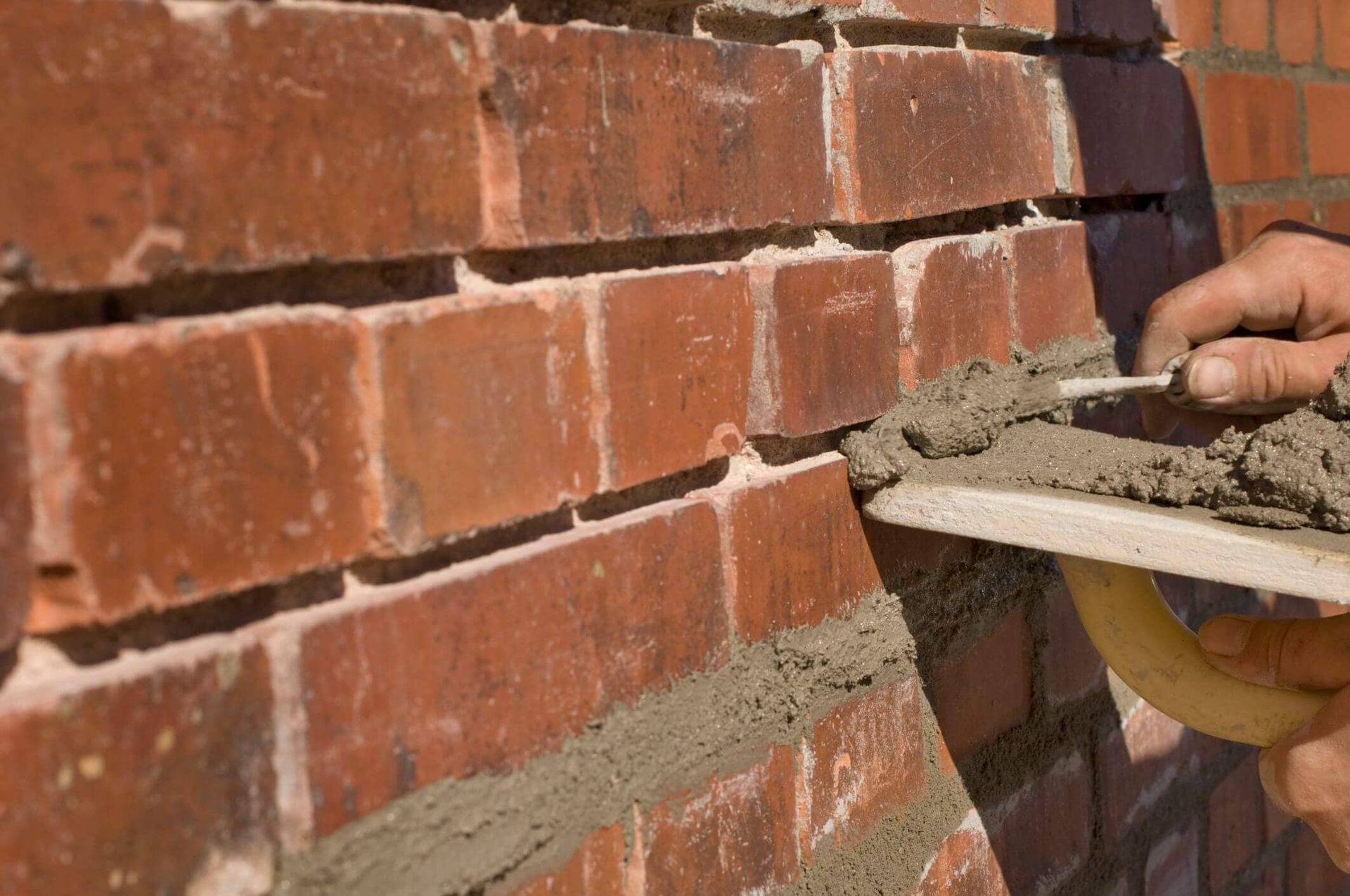
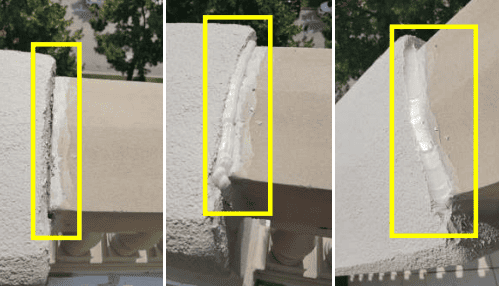
- Concrete Repairs: For localized cracks or spalling, high-performance repair mortars can restore the structural and aesthetic quality of the concrete.
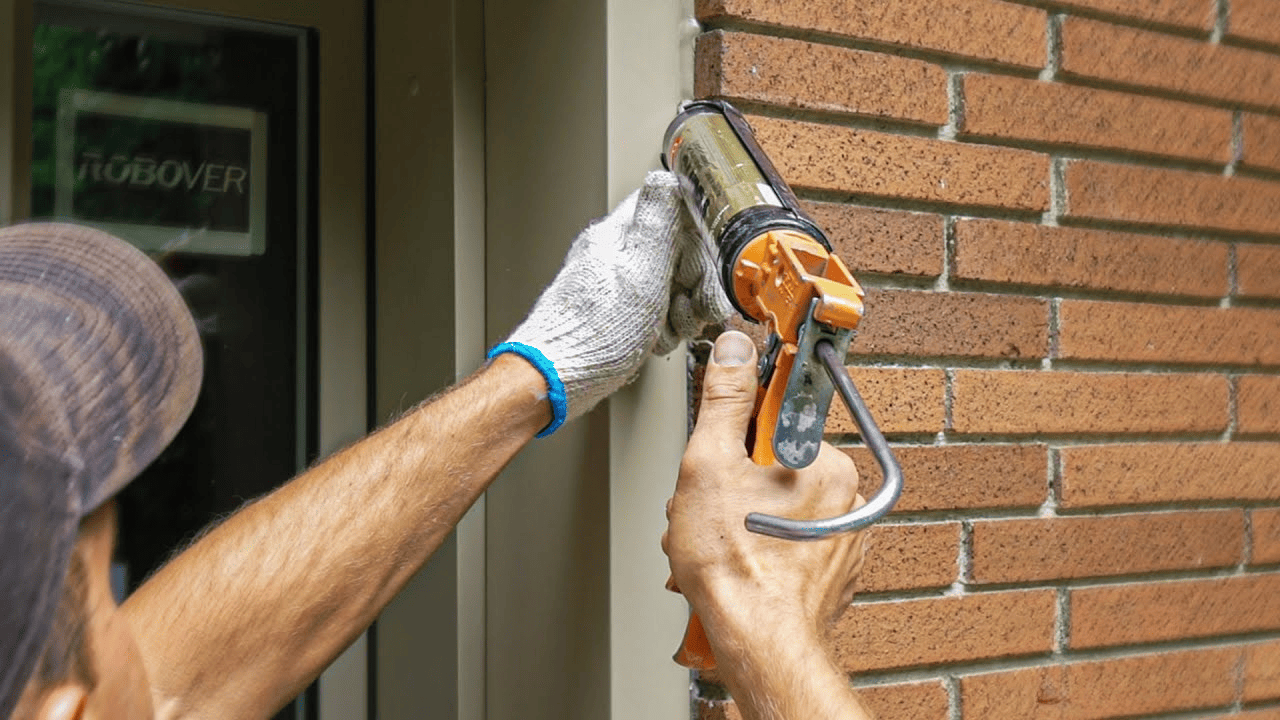
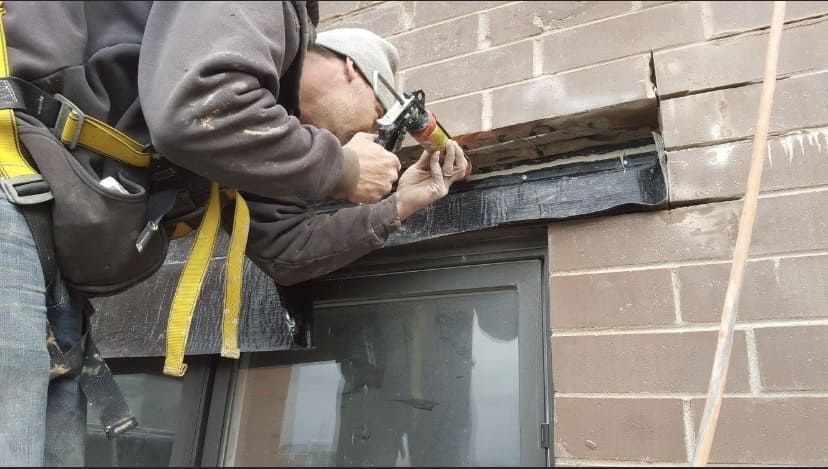
- Waterproofing Solutions: Replace outdated or damaged membranes with modern, durable options like liquid-applied membranes or sheet systems. Proper detailing is important to prevent future water intrusion.
- Structural Reinforcement: Severely corroded or weakened reinforcement bars may require replacement or additional strengthening to restore load-bearing capacity.
- Railing Upgrades: Install code-compliant, corrosion-resistant railings made from materials like stainless steel or powder-coated aluminum.
4. Safety and Code Compliance
Balcony repairs must prioritize occupant safety and comply with local building regulations:
- Comply with Codes: Verify that all repairs and upgrades meet municipal building codes, including minimum load-bearing requirements and railing specifications.
- Temporary Safety Measures: Install barriers or restrict access to balconies during repairs to minimize liability risks.
- Use Safe Materials: Incorporate slip-resistant coatings and durable finishes for added safety and reduced maintenance needs.
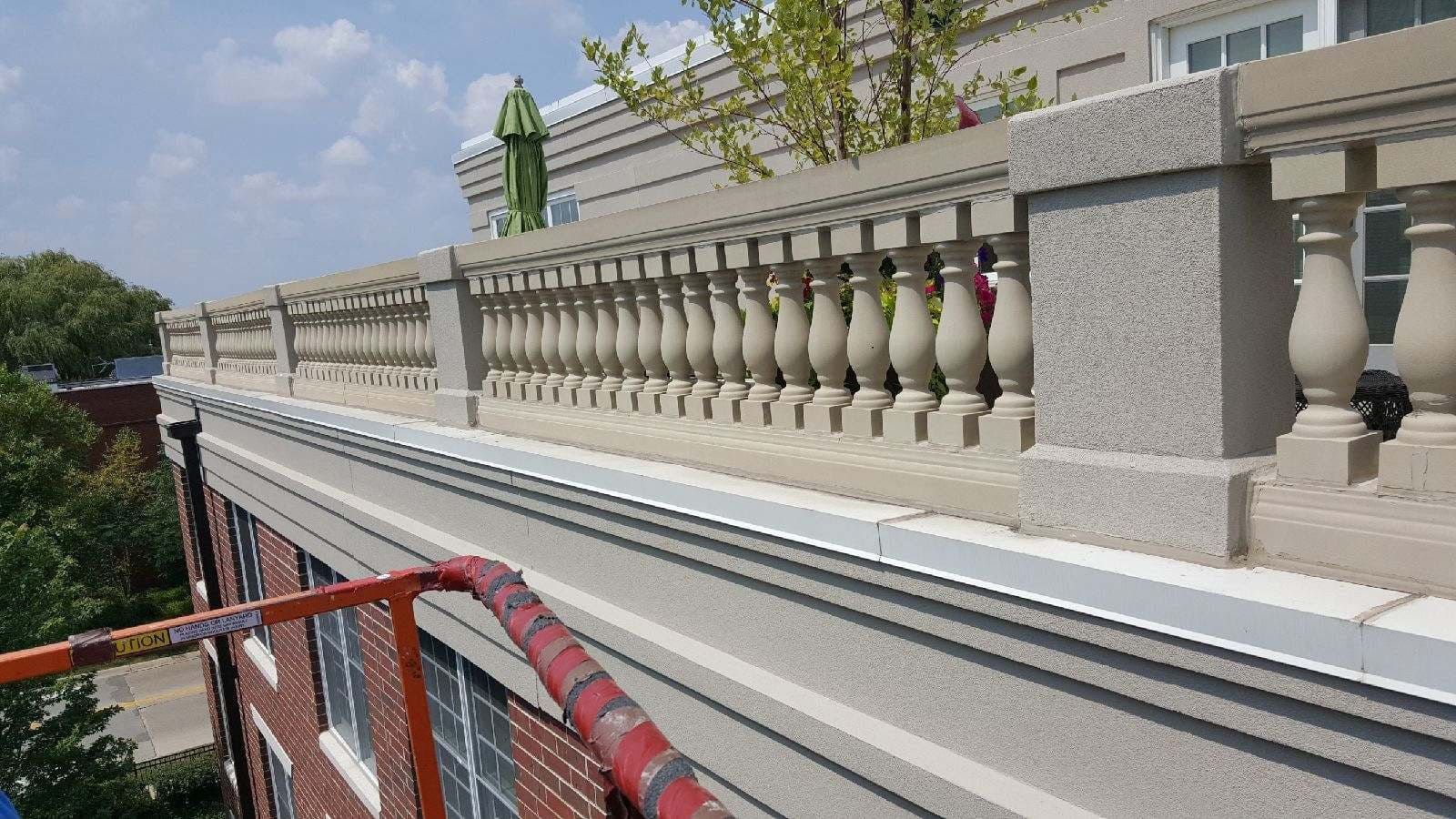
5. Partner with Industry Professionals
Collaboration with experienced professionals ensures that balcony repairs are durable, compliant, and cost-effective:
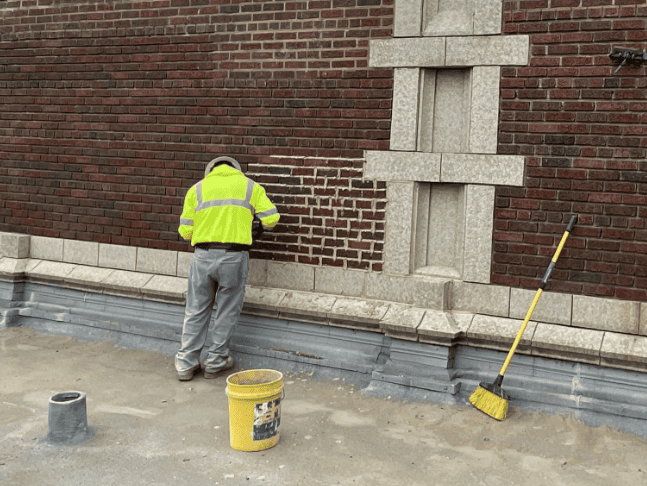
- Hire Qualified Contractors: Engage with commercial balcony restoration contractors with a proven track record in balcony repair and masonry restoration.
- Work with Structural Engineers: Engineers provide invaluable insights for assessing load capacities and ensuring structural integrity during repairs.
- Collaborate with Architects: When aesthetics are a priority, architects can guide the design and material choices to maintain the visual appeal of the property.
Develop a Long-Term Maintenance Strategy
After repairs are completed, implementing a maintenance program will help extend the life of your balconies:
- Regular Cleaning: Keep balcony surfaces clean to prevent the buildup of debris and organic matter that can speed up deterioration.
- Reapply Waterproofing: Inspect waterproofing systems regularly and reapply sealants or membranes as needed to ensure continued protection against water intrusion.
- Monitor Drainage Systems: Make sure that drainage components remain clear of blockages to prevent standing water, which can damage structural elements over time.
Conclusion
Balconies in multi-story commercial buildings need maintenance to remain safe, functional, and visually appealing. Proactive inspections, informed repair strategies, and collaboration with experienced professionals can reduce risks and ensure compliance with safety standards. By investing in regular maintenance, property managers and facilities teams can avoid costly emergency repairs while preserving the structural integrity of their buildings.
At RestoreWorks, we specialize in commercial masonry restoration and balcony repair for commercial properties. Our Union-trained team is experienced in delivering durable, code-compliant solutions that will address the needs of your building. Contact us today to learn how we can help keep your balconies safe and performing at their best.