Balcony Inspection Checklist for Safety and Maintenance
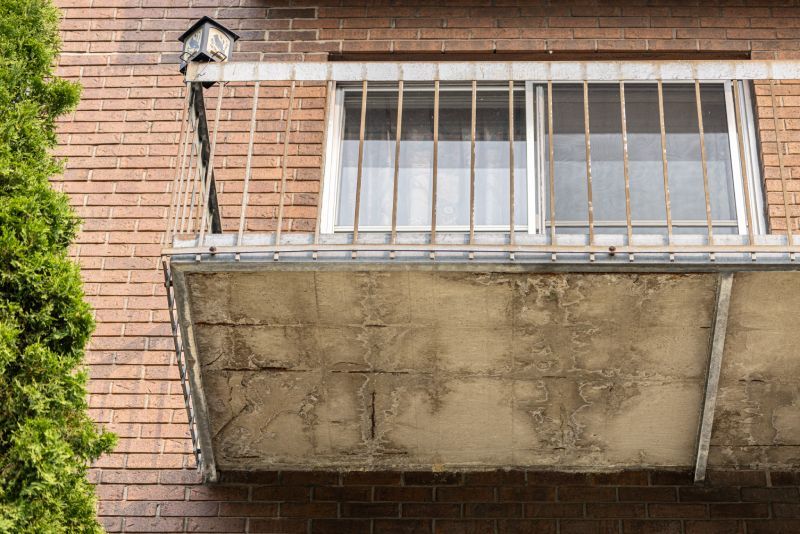
Have you been wondering what is included in a balcony inspection? Balconies are an asset for historic and modern buildings. They serve as an architectural feature or a practical one that allows tenants to spend time outside. However, they require above-average amounts of maintenance and must be inspected regularly.
RestoreWorks has been helping owners of modern and historic buildings maintain, repair, and restore balconies for over thirty years. Our
balcony restoration services include everything from patching and coating to full railing and balcony restoration. Improve your building’s safety and structural integrity with our expertise while bringing back its beauty. Join us as we discuss the basic elements of a balcony inspection checklist.
Structural Assessment and Inspection
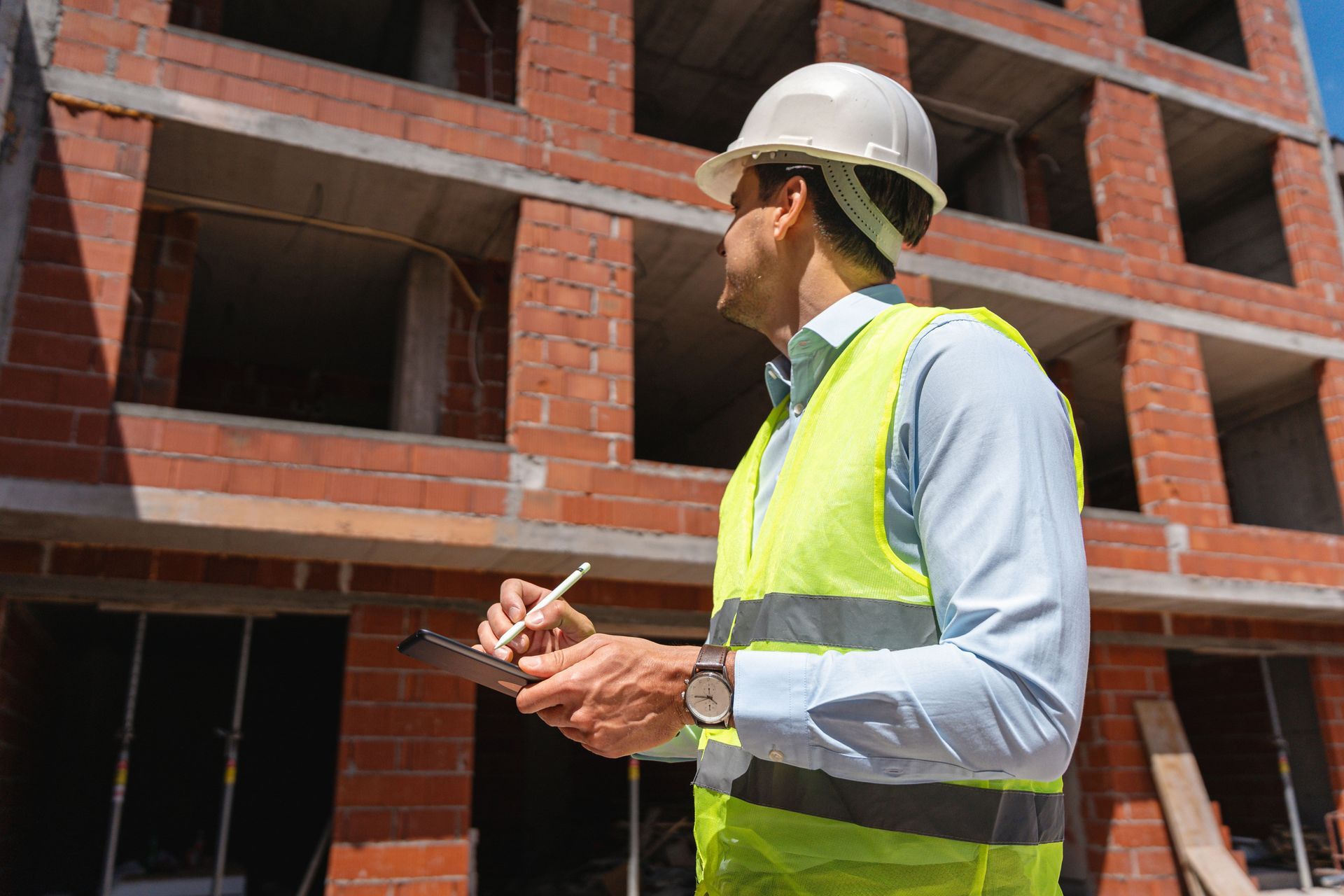
Balcony inspections must always be done by a duly authorized and qualified person knowledgeable about local weather conditions and building codes. There are different types of balconies, including cantilevered, suspended, and stacked. Each one has its own structural features. A structural assessment is the first step in a balcony inspection and includes an assessment of the foundation, pillars, columns, cables, rods, brackets, and any other element that forms part of the structure.
The City of Chicago requires metal structures that are permanently mounted or installed on the exterior of a building to be closely examined by a registered design professional within two years after installation. It must also be inspected every five years thereafter by a professional who will provide the owner with a signed and sealed written report on the structure’s condition.
Use of the Correct Balcony Materials
Balconies deteriorate relatively quickly, even with regular maintenance. Overloading, pollution, freeze/thaw cycles, the absence of waterproofing, and material incompatibility are all factors that influence a balcony’s safety status. The balcony materials most often used are steel, concrete, iron, glass, brick, or wood, and their use depends on the stated building codes and the building’s architectural style. An inspector will investigate the materials to ensure they are still in good condition.
Do you have a property that is a proposed or designated Chicago Landmark or part of a proposed or designated Chicago Landmark district? Dust control and lead-safe work practices must be complied with if an inspection requires that you repair or restore a balcony.
Evaluating Walking Surfaces for Safety and Durability
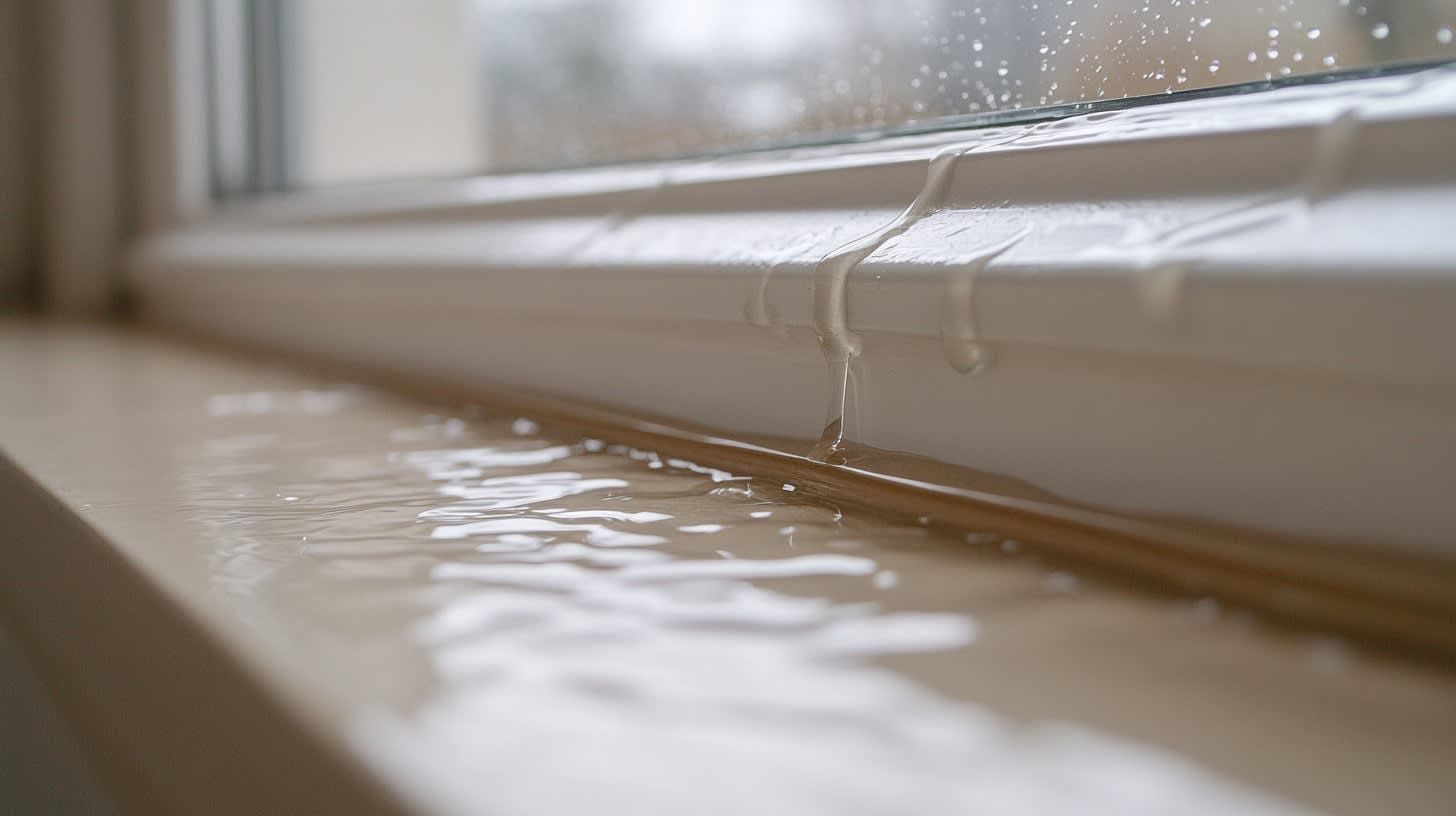
The walking surfaces evaluation for exterior balconies includes the actual deck surface and stairs connected to the balcony, if any. These surfaces are consistently exposed to harsh weather conditions that could lead to possible water damage or result in the creation of tripping or safety hazards. An inspection will assess the condition of the balcony’s entry space and floor structure to ensure it is stable and without cracks.
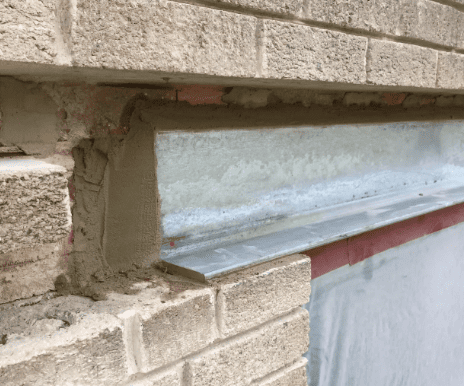
Stairwell-specific components are also inspected to establish their safety. Elements inspected are the stair railings, treads, risers, and stringers. Waterproofing materials protect a balcony’s components from the elements and maintain its structural integrity. An inspection will ensure flashing and waterproofing systems are up to standard.
Assessing Balcony Railings for Safety and Compliance
Guardrail failures are one of the common causes of balcony injuries, and reviewing their safety is essential for any balcony inspection checklist. International Building Codes (IBCs) require that all open sections of balconies have guards that are not less than thirty inches in height above the balcony’s floor. All balcony railings must be stable and not give away under pressure. An inspection will review the safety glass panels around a balcony to see if they are free of cracks and other damage.
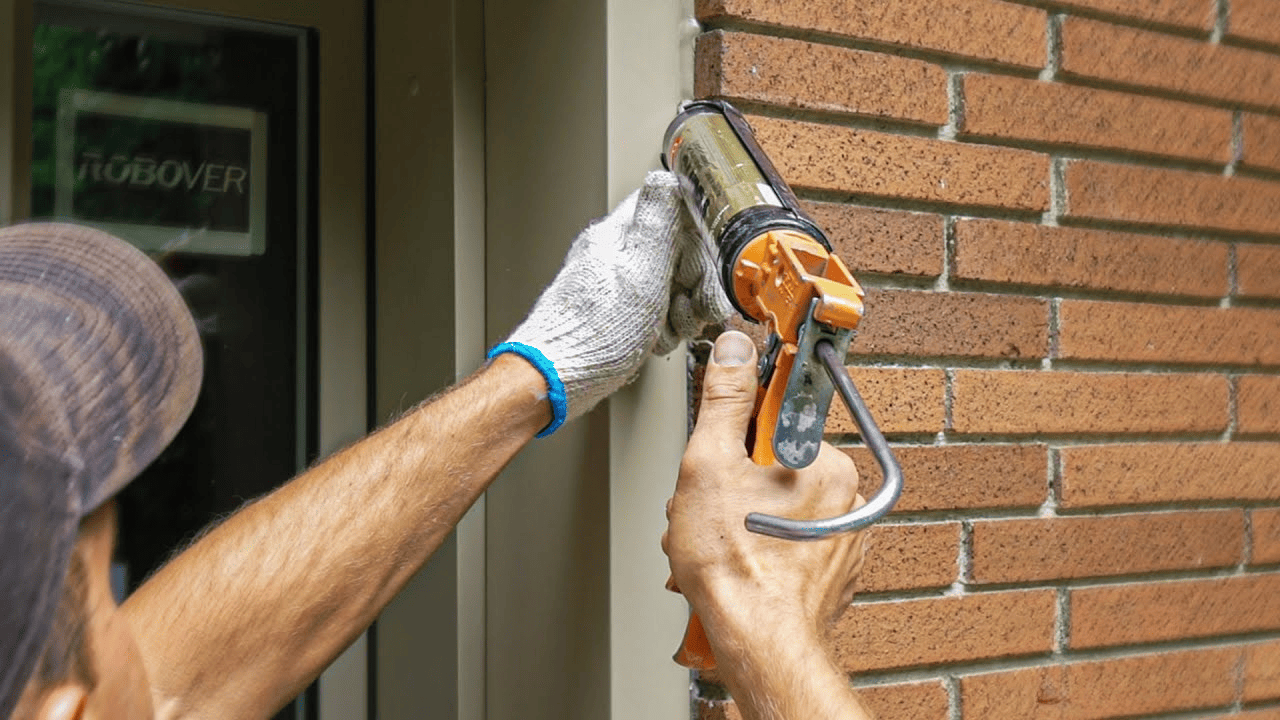
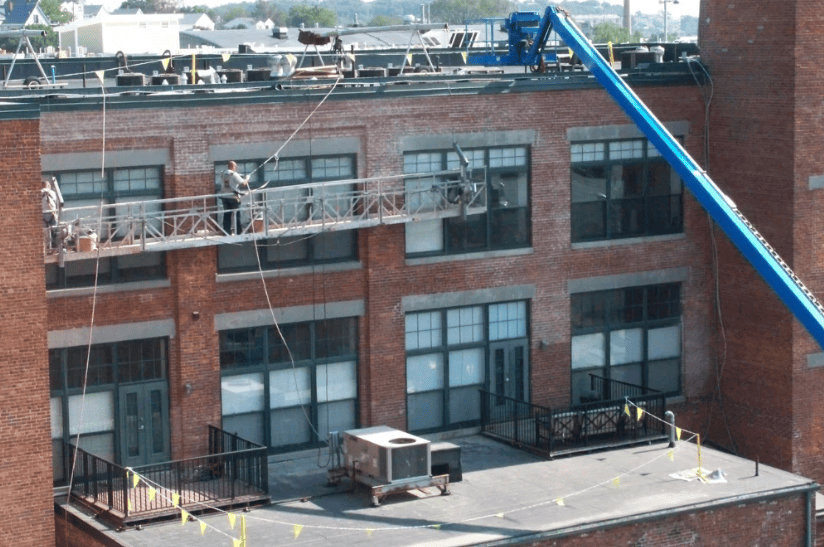
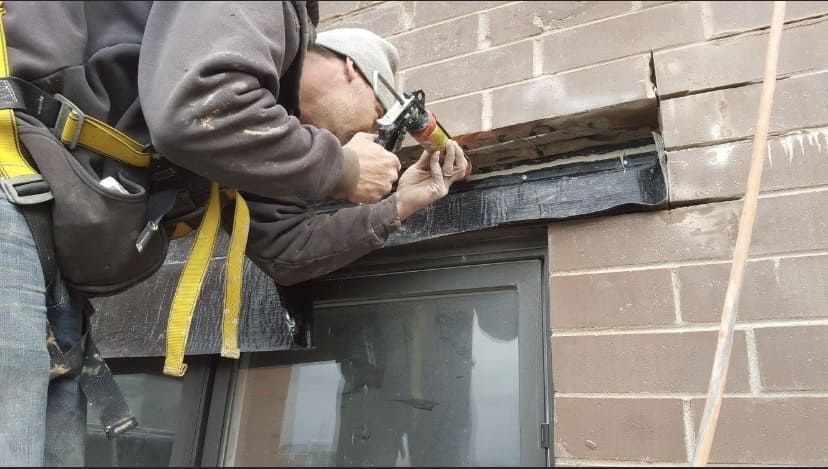
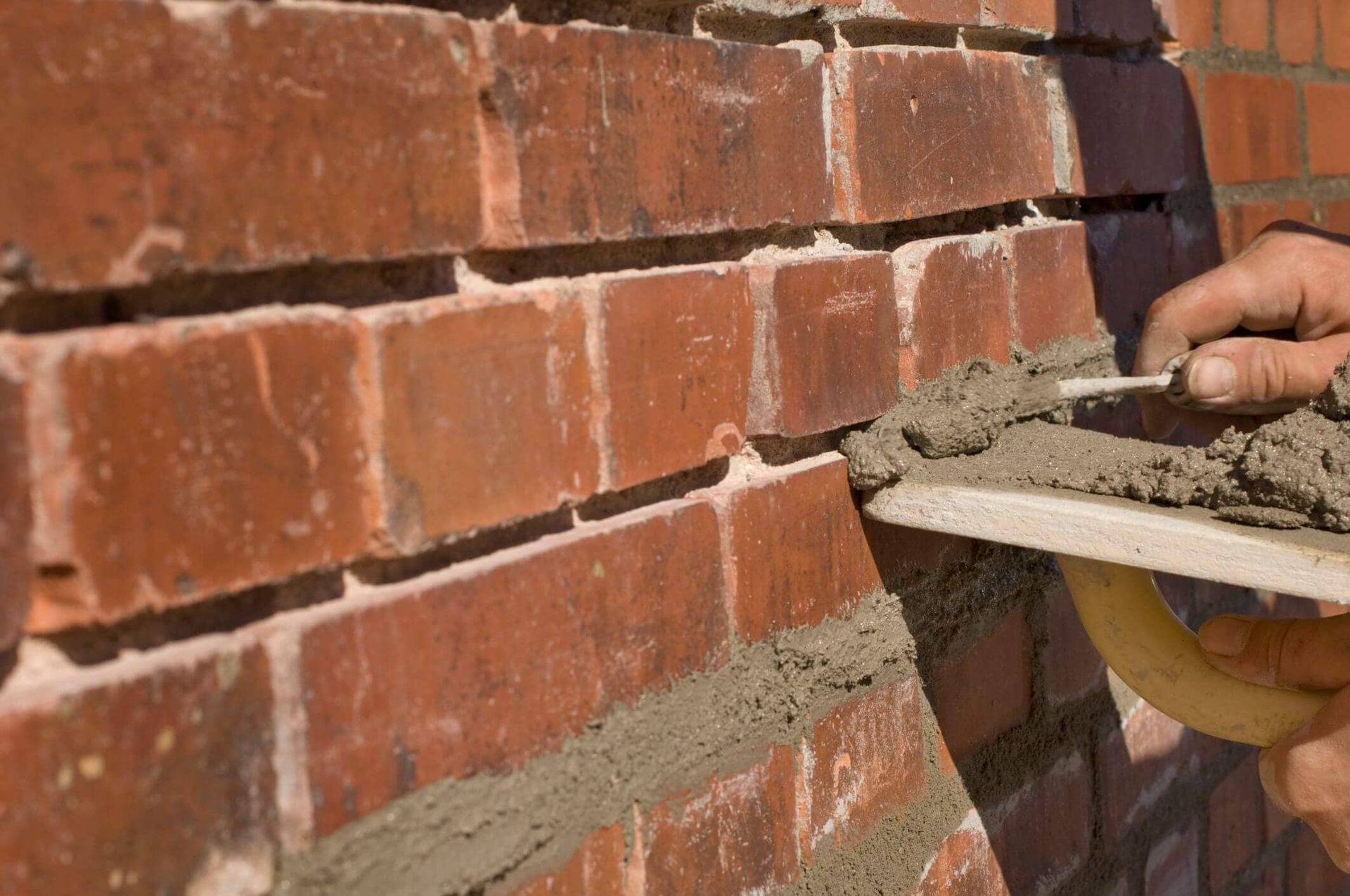
The commercial balcony repair services offered by RestoreWorks include concrete patching, caulking and sealant application, and reinforcing concrete with a stainless-threaded rod and rebar coated with zinc-rich paint. We also do railing removal, repair, sandblasting, painting, and installation.
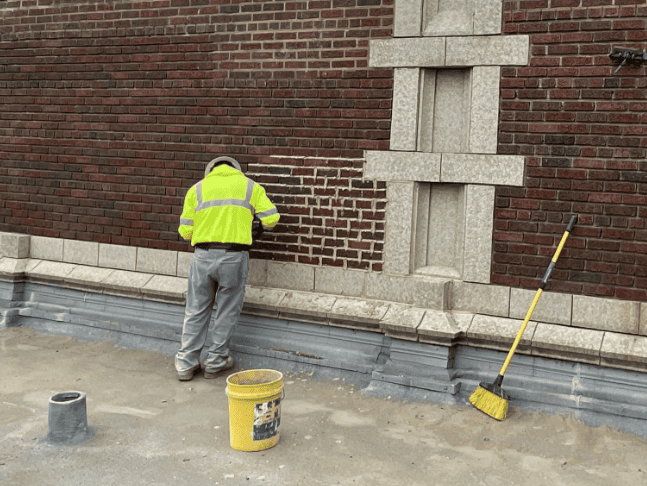
RestoreWorks is a commercial masonry restoration and restorative cleaning company serving Chicagoland and beyond. Safety is always our first priority, whether the teams work on modern or historic buildings.
Contact us today to schedule a consultation for your balcony repairs before or after a balcony inspection.