4 Causes of Mortar Joint Problems
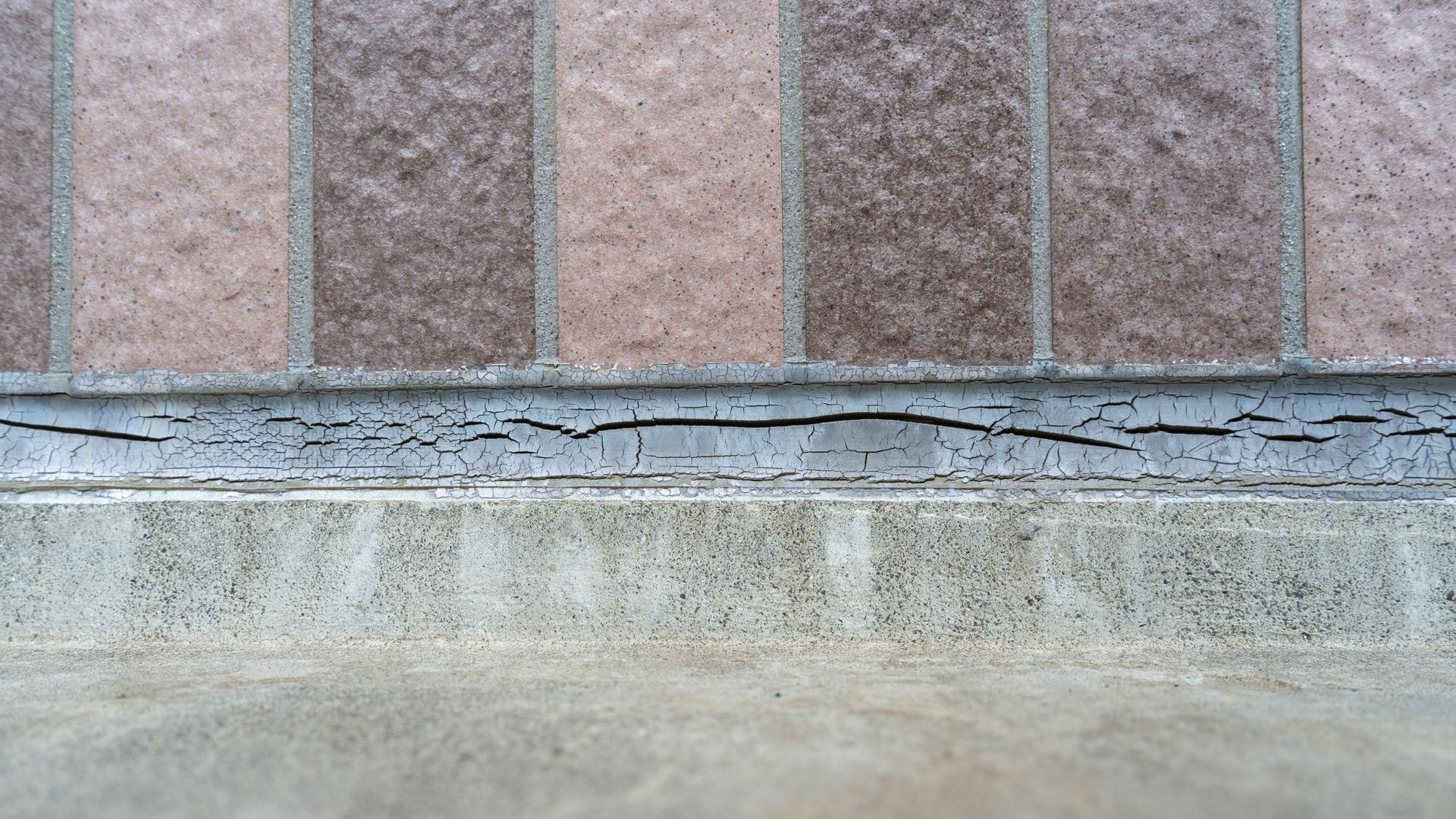
It’s essential to keep masonry structures in good condition. If you notice issues with mortar joint problems such as cracking, separation, voids, or water intrusion, it's crucial to address them promptly to avoid further damage.
Here are the top four causes of mortar joint problems and how to address them to restore your masonry to its original condition.
Ineffective Joint Sealants
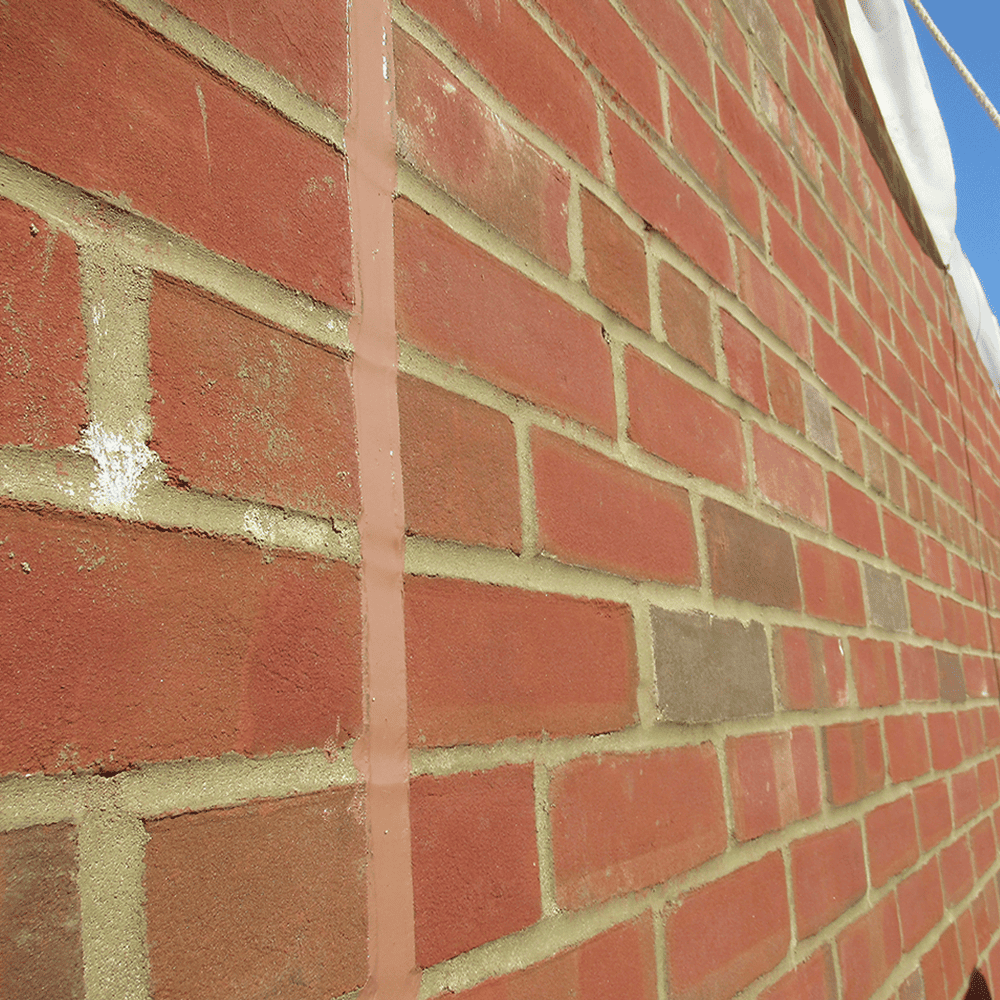
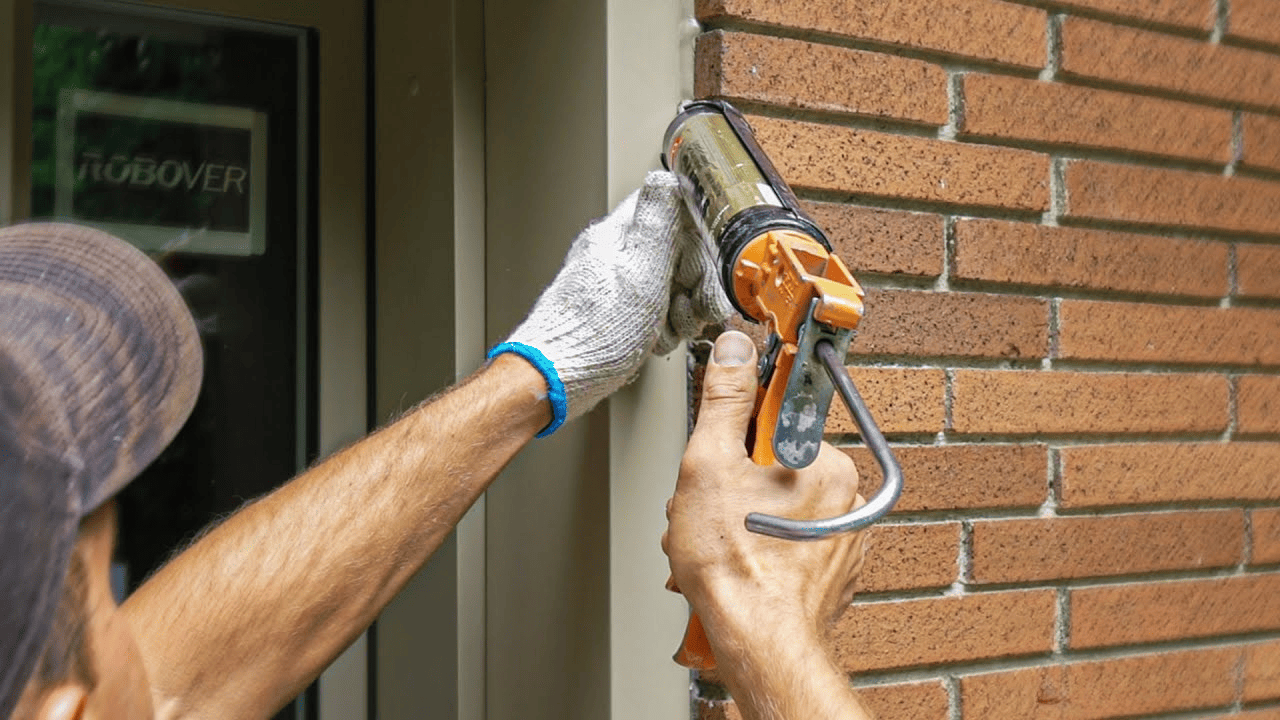
One of the primary causes of mortar joint problems is the use of ineffective joint sealants. Sealants can break down over time and lose their ability to protect against moisture and weathering. Once this happens, the joints are vulnerable to water infiltration. In some cases, the sealant may have also been poorly applied or not applied at all, leading to further problems.
Not addressing these damages immediately can lead to more expensive damage to your structure further down the line. To address this issue, it's crucial to use high-quality joint sealants and ensure that they are applied correctly. A professional masonry restoration contractor can help with this process. Masonry repair and restoration are essential to identify any areas that require sealing and applying the appropriate products to protect your masonry.
Water Intrusion
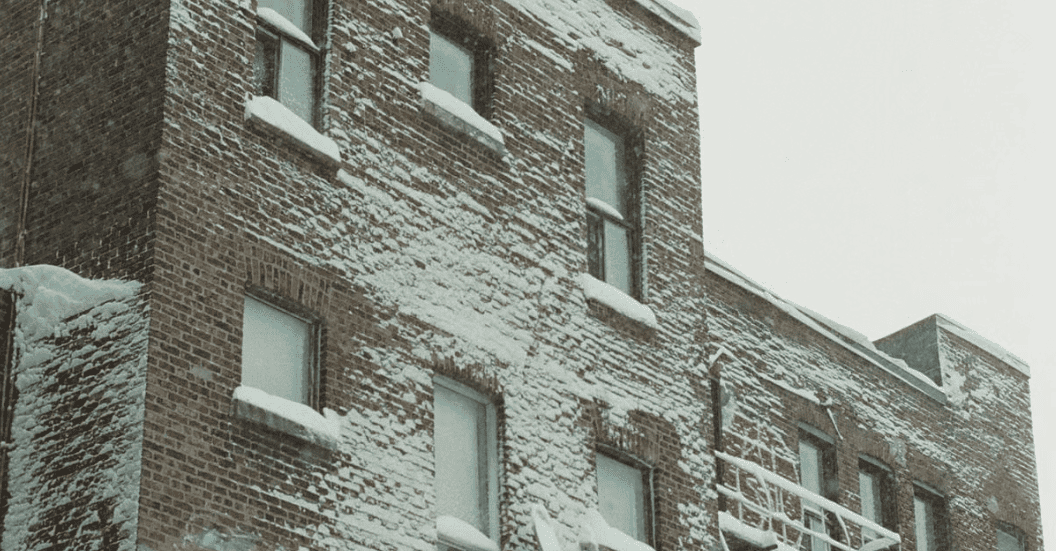
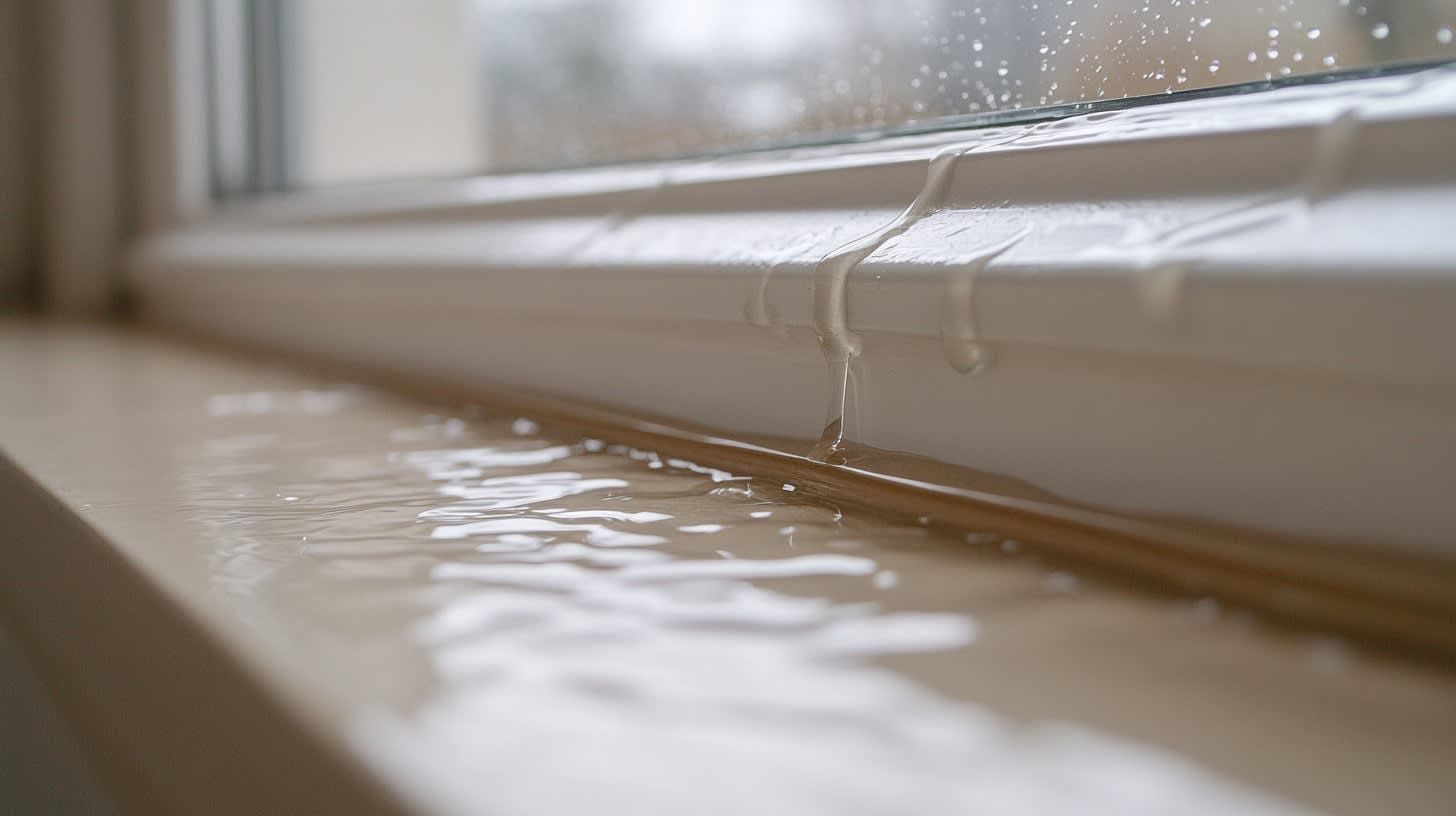
Water intrusion is another common cause of mortar joint problems. When water seeps into the joints, it can cause the mortar to deteriorate, leading to cracking and separation, and freeze / thaw damage in colder climates like Chicago. Unfortunately, this is especially prevalent in areas with heavy rainfall or where the masonry is exposed to freeze / thaw cycles.
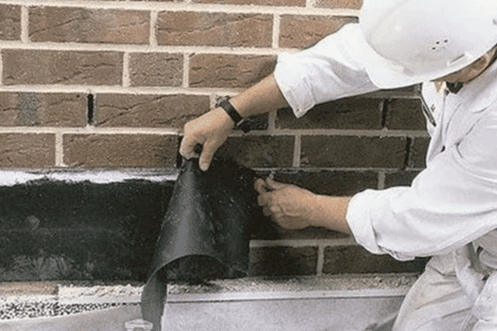
While you can’t always avoid water damage, it’s essential to ensure that your masonry structures have proper drainage and that any cracks or gaps in the joints are repaired promptly. A masonry restoration company can help identify areas of water intrusion and make necessary repairs.
Weathering Mortar Joints
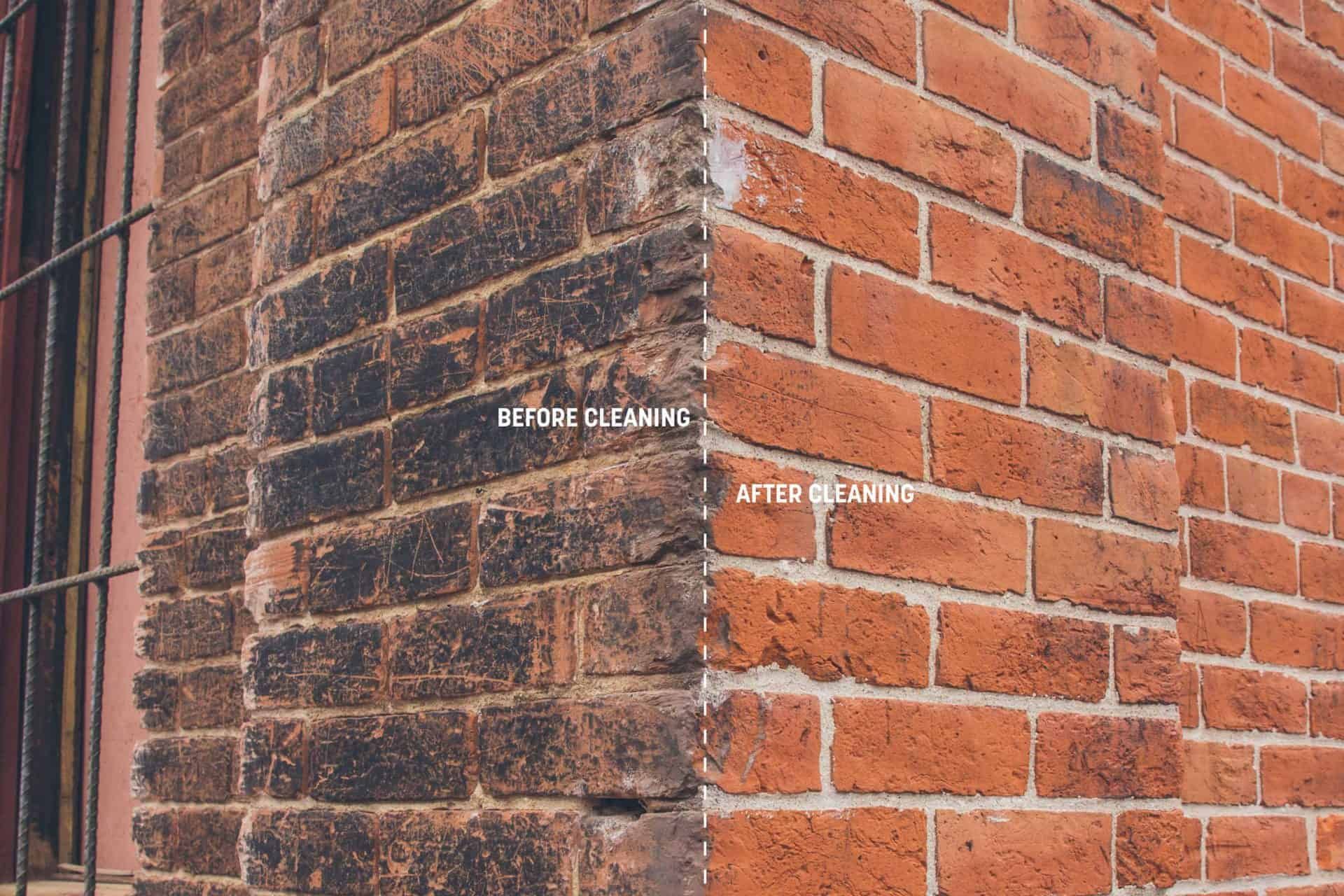
Mortar joints can deteriorate over time due to age and weathering. You can usually see this deterioration in older masonry structures, or areas where the mortar may not have been correctly mixed or cured. Problematic mortar joints can lead to cracking, crumbling, and weakened structural integrity over time.
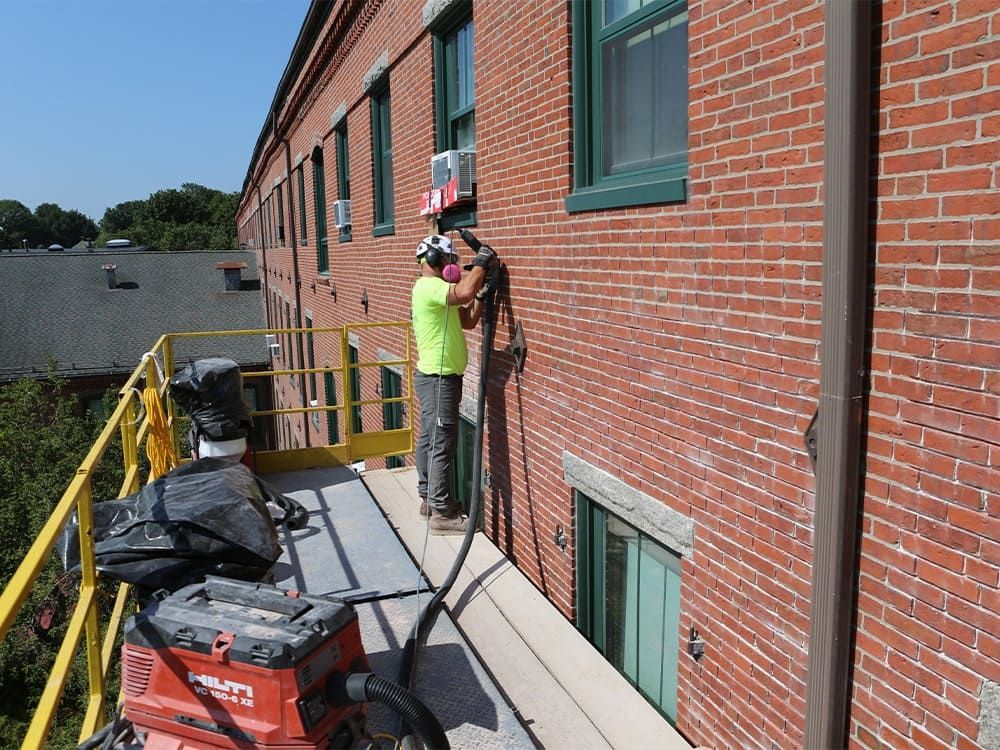
To address degrading mortar joints, a masonry restoration contractor can remove the damaged mortar and replace it with new, properly mixed, and tooled mortar. Masonry restoration companies that provide tuckpointing and can help restore your masonry structures to their original condition.
Cracks
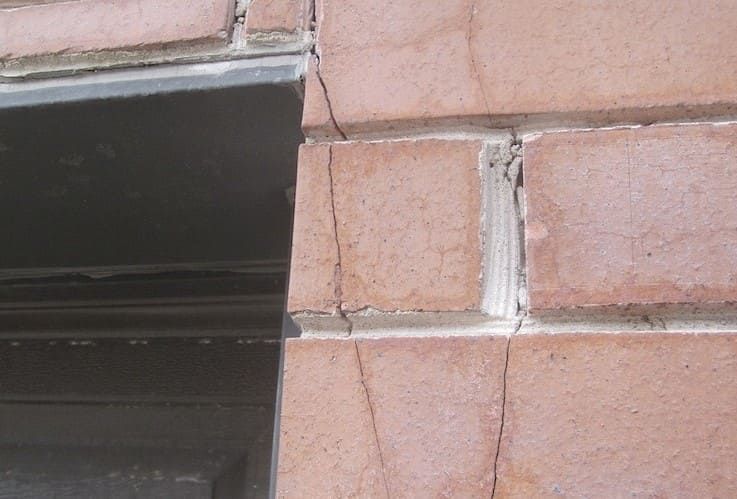
It may be difficult to believe but even little cracks in the mortar joints can also cause significant issues for masonry structures. Cracks can occur due to weathering, settling, and structural stress. In some cases, cracks may be superficial and can be easily repaired. However, more severe cracking may require extensive repairs immediately to prevent further damage.
To address cracking in mortar joints, a masonry restoration contractor can evaluate the severity of the issue and make necessary repairs. Restoration masonry may include tuckpointing, replacing damaged bricks, stones, or blocks, or addressing any underlying structural issues.
Repairing Mortar Joints
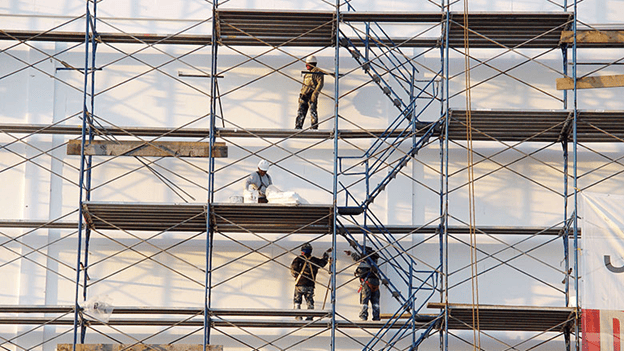
Properly repairing mortar joints is an important and complex process that requires the expertise of a masonry restoration expert. A building may require tuckpointing, brick, block, or stone replacement, or other specialized techniques to restore the structural integrity of its masonry. It’s, therefore, necessary to consult a professional contractor who will evaluate the extent of the damage and develop a comprehensive plan for repairing the affected areas.
RestoreWorks Masonry Restoration: Your Trusted Partner in Masonry Restoration
RestoreWorks Masonry Restoration is a leading provider of masonry repair and restoration services, specializing in concrete masonry restoration and all aspects of masonry repair. Our Chicago masonry restoration team will address any mortar joint problems and restore your masonry structures to their original condition.
Please contact us if you have mortar joint problems and require simple or advanced masonry restoration.