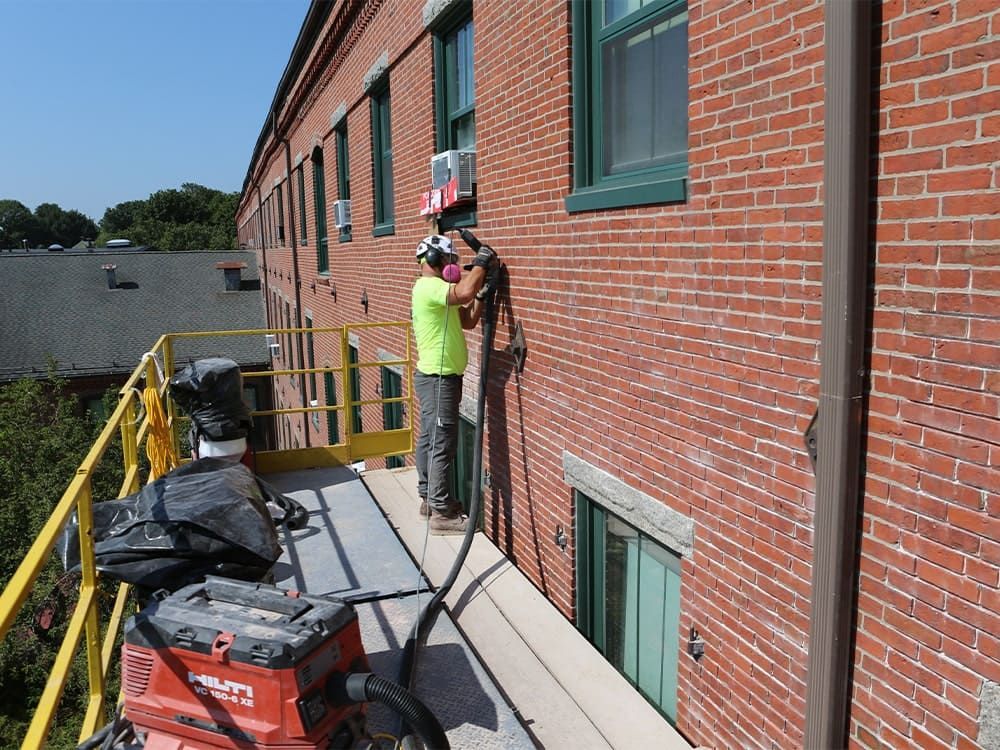
The Return on Investment of Preventative Masonry Maintenance
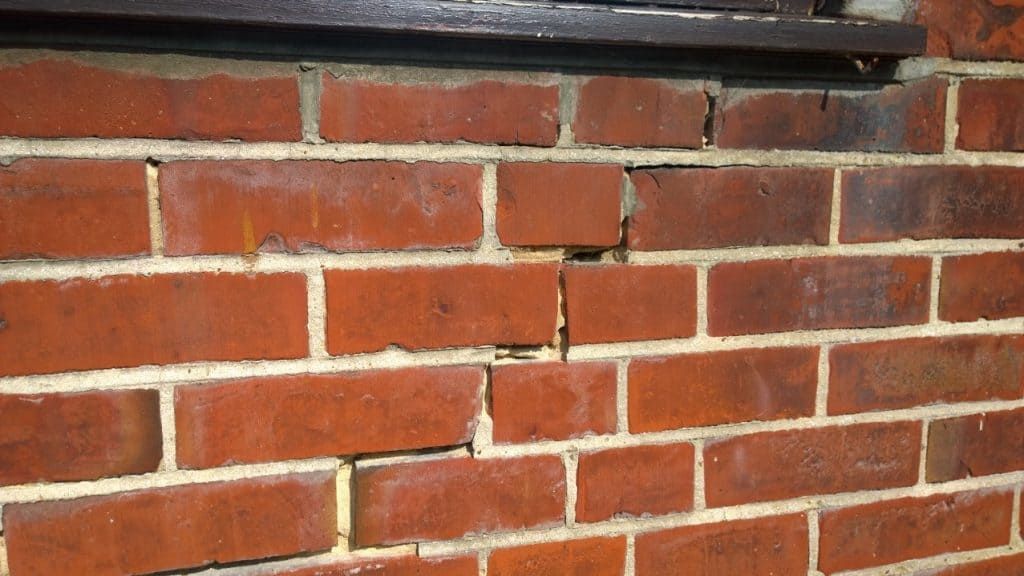
Most masonry problems do not start as major repair projects.
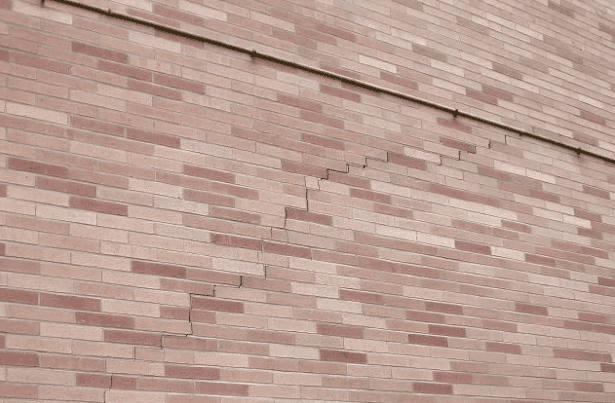
They start with a few open mortar joints, cracked sealant, a small area of spalled brick, rust staining above a window, or water showing up where it should not. At that stage, the repair may still be fairly contained.
The problem is what happens next.
Water can continue working its way into the wall. Steel behind the masonry can begin to corrode. Flashing problems that were once isolated can affect a larger section of the façade. Eventually, repairing what is visible from the outside may require removing masonry just to reach the actual source of the problem.
For owners and property managers, that is the financial case for preventative masonry maintenance. It gives you a chance to deal with deterioration while the scope is still manageable.
Where Does the ROI of Preventative Masonry Maintenance Come From?
There is no standard ROI percentage for masonry maintenance. Buildings vary too much for that number to mean anything useful.
A 100-year-old limestone building in downtown Chicago will have different maintenance needs than a newer brick apartment complex in the suburbs. Height, access, wall construction, previous repairs and exposure all affect cost.
The return comes from controlling how far a repair is allowed to progress. The EPA's moisture control guidance for buildings addresses water movement through wall assemblies and includes preventive maintenance and exterior inspections as part of managing moisture over the life of a building.
A few deteriorated joints may need tuckpointing. If those joints remain open and water reaches embedded steel, the later repair could involve removing brick, repairing or replacing steel, installing flashing, rebuilding the wall and then tuckpointing the new masonry.
The original problem may have looked minor. The later scope is not.
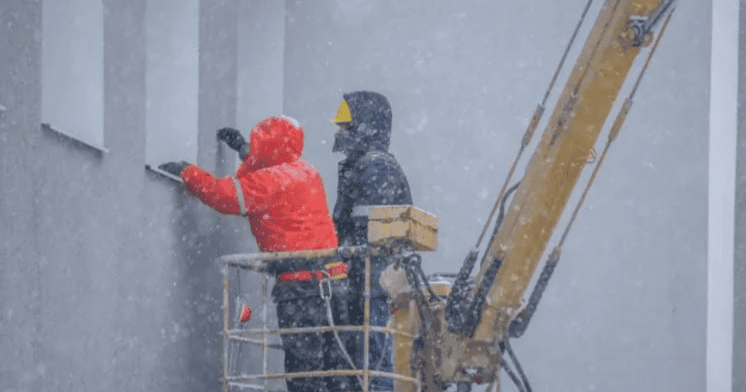
Preventative maintenance can also help owners avoid paying repeatedly for access. On a commercial building, mobilization can be a significant part of the job. Lifts, swing stages, scaffolding, sidewalk protection and other access requirements all carry costs.
If several repair needs are identified on the same elevation, it may make more sense to address them during one project than to remobilize every time another isolated condition worsens.
Why Small Masonry Problems Can Turn Into Larger Repairs
Exterior masonry has to manage weather for decades. Open joints and cracks give water places to enter that it did not have when the wall was performing properly.
That becomes more important in Chicago because wet masonry also has to deal with repeated freezing and thawing during the winter.
A cracked mortar joint by itself may not tell you much. The conditions around it do.
Is there rust staining nearby? Has the brick started to move? Is the same condition appearing at every window head? Are sealant joints failing in the same area? Has water been reported inside?
Those details help determine whether the visible damage is the repair or simply evidence of a problem farther into the wall.
Water Often Changes the Scope
Consider deterioration around a steel lintel above a window.
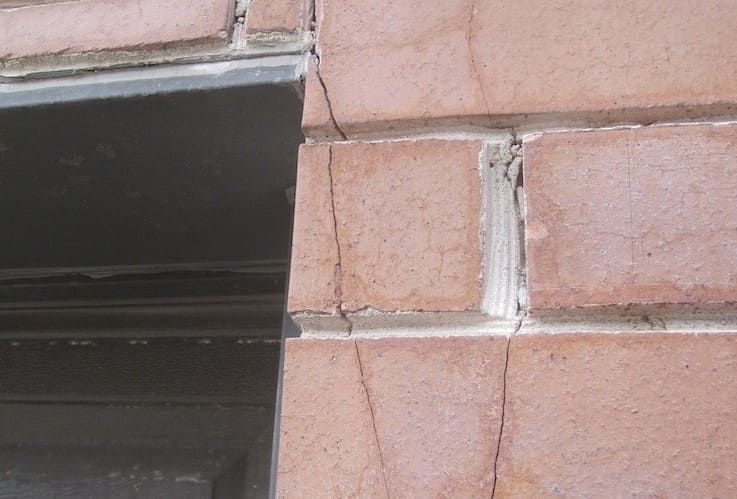
Early signs might include cracking in the mortar joints or slight displacement of the brick. If moisture continues reaching the steel and corrosion progresses, the lintel can expand and put pressure on the masonry around it.
A repair that could have been investigated earlier may eventually require removing the surrounding brick, addressing the steel, installing or replacing flashing and rebuilding the masonry.
The same idea applies elsewhere on a façade. Failed sealants, deteriorated mortar, damaged coping and problems with through-wall flashing can all affect how water moves through the wall.
This is why recurring masonry repairs deserve a closer look. If the same area keeps failing, replacing the damaged material again may not solve what is causing it.
Preventative Maintenance Can Make Masonry Repairs Easier to Budget
Emergency work rarely arrives at a convenient time.
A property manager may discover loose masonry shortly before winter. A leak may appear in an occupied unit after heavy rain. A façade inspection may uncover deterioration that needs to be addressed sooner than expected.
Those situations compress the schedule and give the owner fewer choices.
Routine maintenance gives the building team more information before that happens. Conditions can be documented, watched and moved into future capital budgets based on how quickly they are changing.
The U.S. Department of Energy's real property asset management guidance calls for condition assessments and systematic planning and budgeting for future maintenance and repair needs.
For larger properties, it can help to separate findings into three general groups:
- Conditions that need prompt attention because of safety, active leakage or continued movement
- Repairs that should be planned for an upcoming budget cycle
- Areas that can remain in place but should be photographed and checked again
The exact categories will depend on the building. What matters is having a record of what is changing instead of starting from scratch every time someone notices a problem.
That becomes especially useful for apartment portfolios, condominium associations, hospitals, universities and municipalities managing multiple buildings at once.
Look at the Cause Before Deciding on the Repair
One of the easiest ways to spend money twice is to repair the visible masonry without understanding why it failed.
Suppose several bricks above an opening are cracked. Replacing those bricks may improve the appearance, but the repair will not last if the underlying problem is a corroding steel lintel.
The same issue comes up with mortar.
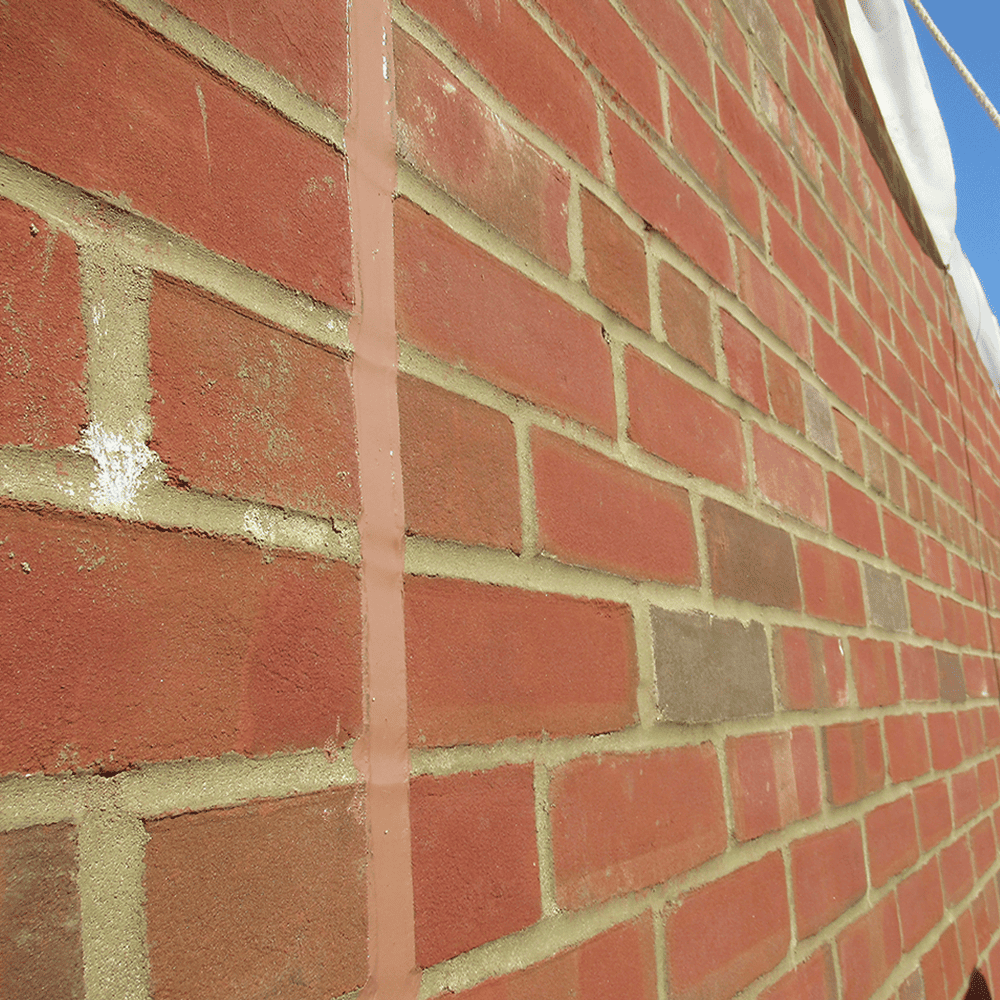
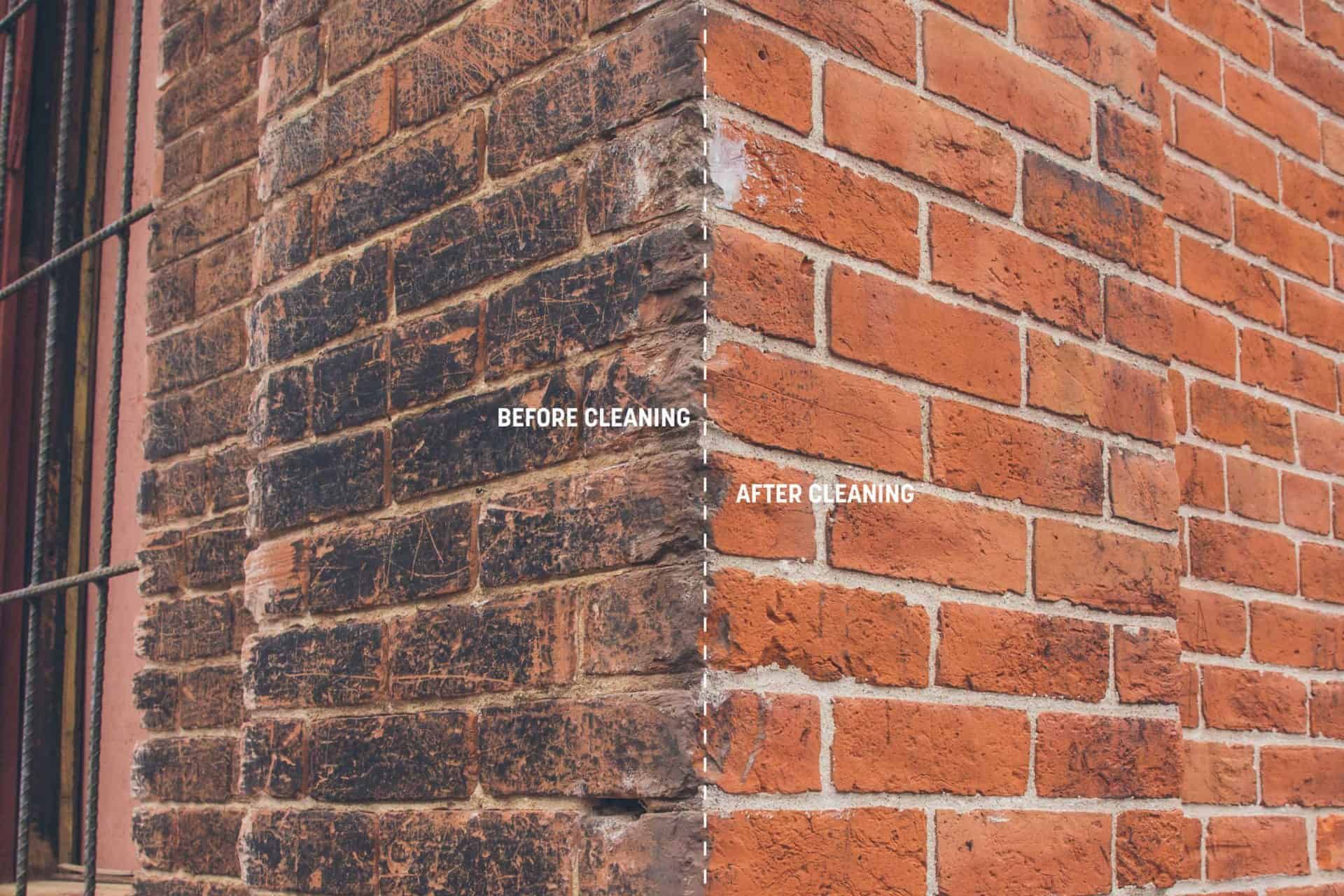
Deteriorated joints may be a straightforward commercial tuckpointing project. But widespread deterioration in a wet area should also raise questions about how water is getting into and out of the wall.
Sealant joints deserve the same attention. Failed perimeter or movement joints can often be addressed through caulking and sealant repairs, but replacing sealant without checking the joint configuration, surrounding masonry and adjacent water-management details can leave part of the problem unresolved.
A good repair scope starts with the condition and works backward to the cause.
Hidden Components Are Where Repair Costs Can Climb
Much of a masonry wall is concealed.
You cannot see the condition of every lintel, shelf angle, anchor or flashing detail from the sidewalk. Sometimes those components are exposed only after brick or stone has been removed.
That is when the difference between surface deterioration and a deeper building-envelope problem becomes clear.
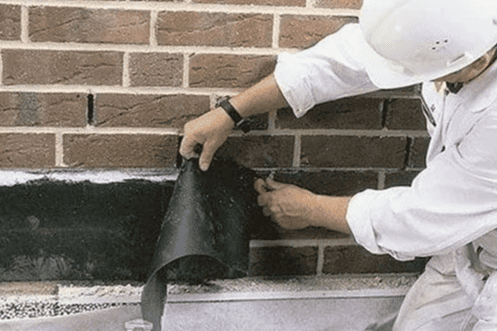
For example, lintel and shelf-angle flashing repairs can involve much more than replacing deteriorated brick. The masonry may need to be removed so crews can reach the steel, complete the required steel repairs or treatment, install flashing and drainage components, and rebuild the wall.
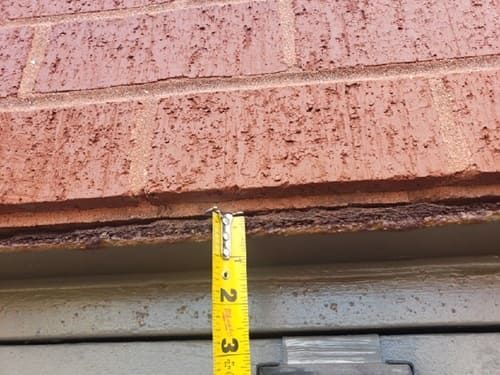
This is also why rust staining should not automatically be treated as a cosmetic issue. The stain may be the first exterior evidence that steel behind the masonry has been exposed to moisture.
Finding that condition earlier does not guarantee a small repair. It does give the project team a chance to investigate it before the surrounding masonry shows more extensive distress.
What Should You Watch for Between Larger Restoration Projects?
A preventative masonry maintenance program does not have to be complicated.
Someone familiar with the property should keep an eye on areas that commonly show deterioration and compare them with previous observations.
That can include:
- Cracked, eroded or missing mortar
- Open sealant joints
- Loose, displaced or spalled brick
- Rust staining
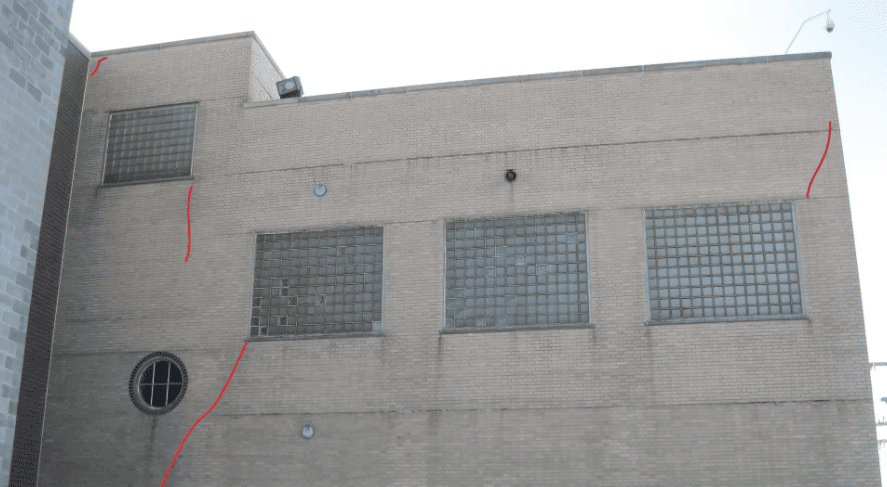
- Cracks above windows and doors
- Deterioration at parapets and coping
- Damaged stone or terra cotta
- Blocked or damaged drainage locations
- Recurring leaks near exterior walls
- Concrete spalling or exposed reinforcing steel
- Changes in areas that have been repaired before
Photos are useful here. A crack documented this fall can be compared with the same location next spring. If nothing has changed, the response may be different than it would be if the crack has widened or nearby masonry has started moving.
The point is to build a history of the façade instead of relying on memory.
Chicago Weather Gives Water More Opportunities to Cause Damage
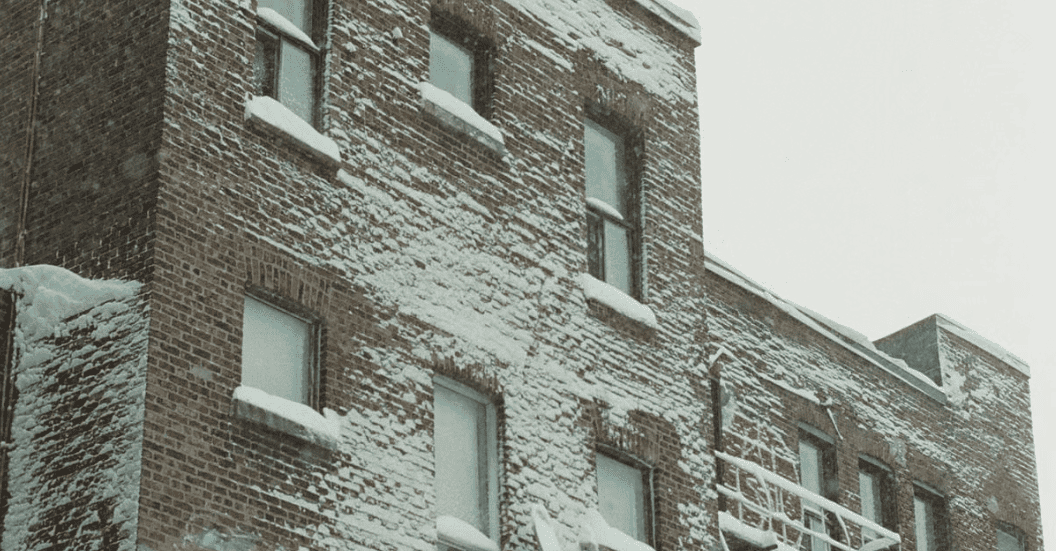
Chicago's climate puts exterior masonry through frequent changes in moisture and temperature. The Illinois State Climatologist describes Chicago as having cold winters and frequent short fluctuations in temperature, humidity and other weather conditions.
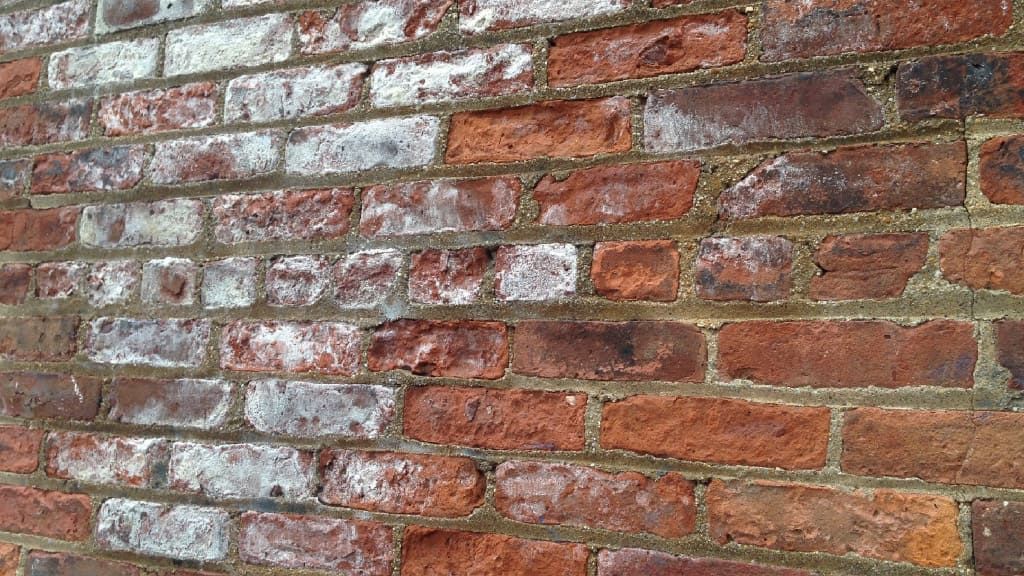
Water can enter a deteriorated joint during wet weather and then remain in the wall as temperatures drop. Repeated freeze-thaw cycles can contribute to additional masonry deterioration, especially where brick, stone or mortar is already damaged.
Lake Michigan also affects local weather conditions, including snowfall, cloudiness and temperatures, although its effects vary across the Chicago metropolitan area.
That makes details such as mortar joints, sealants, coping, flashing and drainage important parts of the same system. When one component fails, the damage may appear somewhere else.
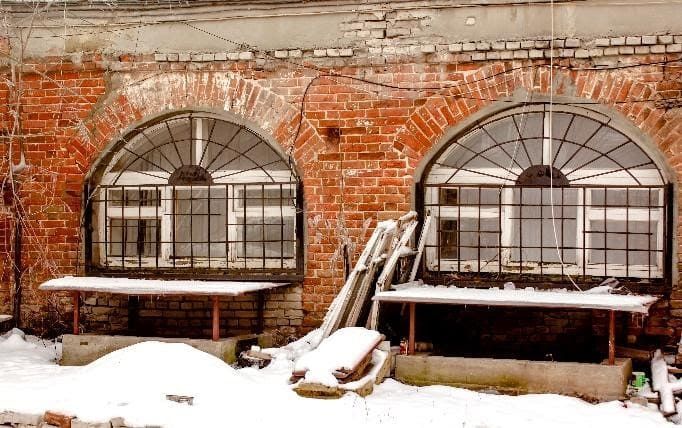
Chicago also has a large stock of older brick, limestone and terra cotta buildings. On those properties, maintaining original material can become part of the financial equation.
Waiting too long may mean replacing masonry that could have remained in service with an earlier repair. It can also make matching historic brick, stone or mortar more difficult once larger areas have deteriorated.
How Can an Owner Estimate the ROI?
A building owner does not need a complicated financial model to start comparing options.
Begin with the proposed maintenance cost. Then look at what is likely to happen if the work is delayed.
Questions worth asking include:
- Will more masonry have to be removed later?
- Is water reaching concealed steel?
- Has this area already been repaired before?
- Will delaying the work require another access setup?
- Is the condition affecting occupied interior space?
- Can this repair be coordinated with other work on the same elevation?
- Is existing masonry still salvageable?
The answers will not produce a perfectly precise ROI number. They can still make the cost difference between acting now and waiting much easier to understand.
For owners with recurring façade work, past project records are useful too. Compare previous repair locations, leaks, access costs and scopes. Patterns often become obvious once several years of work are viewed together.
When Has a Condition Moved Beyond Routine Maintenance?
Some façade conditions need more than a place on next year's maintenance list.
Loose or displaced masonry, bulging walls, significant spalling, exposed reinforcing steel, active water infiltration and cracks that are clearly progressing warrant further evaluation.
The same applies when the cause is unclear.
A contractor may be able to identify common repair conditions, but structural or building-envelope concerns can require evaluation by the appropriate architect or engineer before a repair scope is developed.
The earlier those conversations happen, the more time the owner has to plan the work.
Frequently Asked Questions About Preventative Masonry Maintenance
Is preventative masonry maintenance worth it for commercial buildings?
Preventative masonry maintenance can help control long-term repair costs by catching deterioration before it affects a larger section of the façade or concealed components behind it. It also gives owners more time to budget the work, coordinate access and combine related masonry repairs into one planned project.
How often should commercial masonry be inspected in Chicago?
There is no single schedule that fits every building. Age, construction type, exposure, repair history and existing conditions all matter. Building teams should review known problem areas periodically and document changes. Some Chicago properties may also have separate façade inspection requirements based on the building.
What masonry repairs should be addressed first?
Conditions involving loose masonry, active leaks, significant movement or other safety concerns should receive attention first. After that, owners can prioritize deteriorated mortar, failed sealants, flashing problems and other conditions based on severity, location and how quickly they appear to be progressing.
Does tuckpointing prevent water from getting into a masonry wall?
Tuckpointing can close deteriorated mortar joints that allow excess moisture into a wall, but mortar is only one part of the building envelope. If a leak involves failed flashing, sealants, coping, windows or another component, tuckpointing alone may not correct it. The source of the water should be identified first.
Fix Masonry Problems While You Still Have Options
Preventative masonry maintenance gives building owners more control over when repairs happen and how large the scope becomes.
Cracking, deteriorated mortar, failed sealants, rust staining and recurring water intrusion can all be signs that a façade needs further attention. Addressing those conditions early can help prevent deterioration from spreading into surrounding masonry or concealed components.
RestoreWorks provides commercial masonry restoration throughout Chicago, Northwest Indiana and surrounding Midwest markets.
If you are seeing signs of masonry deterioration, contact RestoreWorks to discuss the condition of your building and the repairs that may be needed.