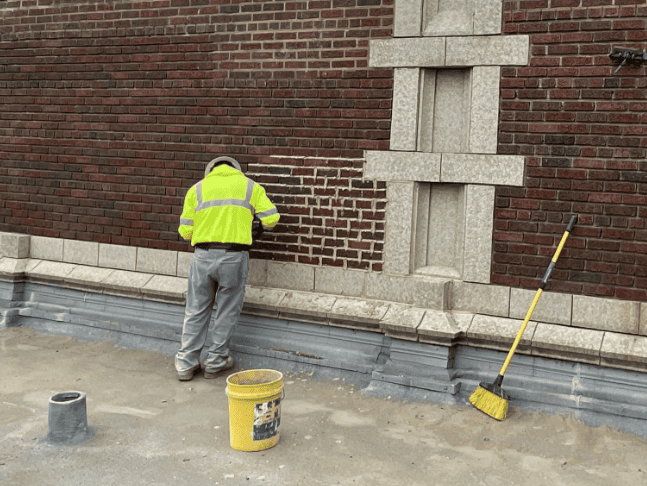
Why Gutter Maintenance is Key to Masonry Preservation
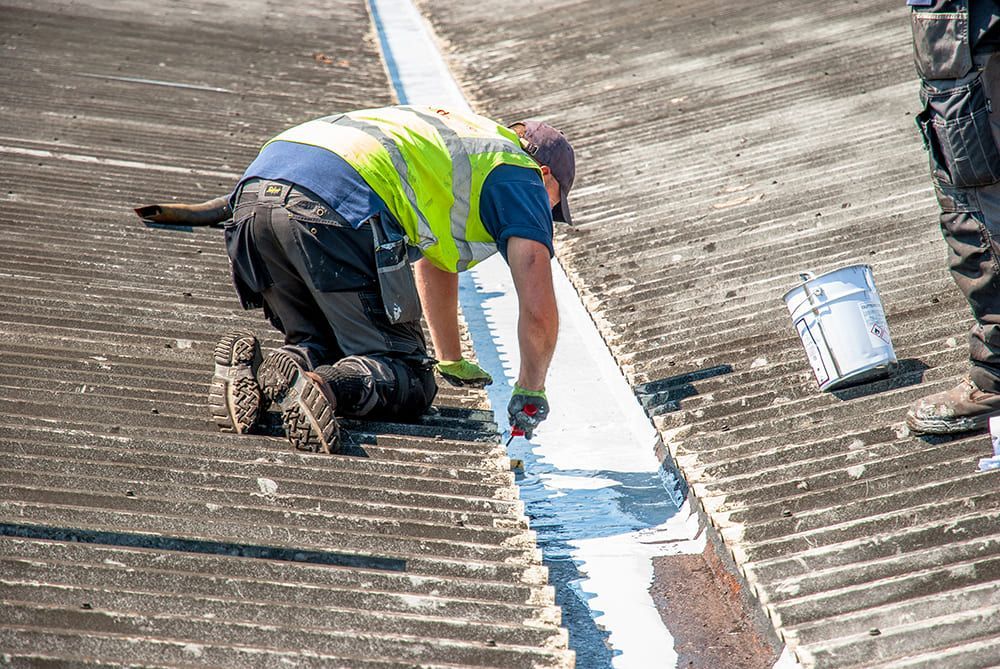
If you're managing a commercial property in Chicago, chances are you've dealt with the consequences of water infiltration at some point. Whether it's freeze-thaw damage, efflorescence, or unexpected deterioration in masonry façades or parapet walls, water is often the common denominator.
And one of the simplest, most overlooked sources? Gutters.
Poor gutter maintenance doesn’t just mean puddles or unsightly streaks on your building. It can quietly speed up the deterioration of your masonry. In our work as commercial masonry restoration contractors, we often trace major issues back to something as preventable like clogged or failing gutters.
Let’s walk through why proactive gutter maintenance should be a core part of your building preservation strategy (and what can happen if it’s not).
How Gutters Protect Masonry (When They’re Working)
Gutters and downspouts are your first line of defense in managing water runoff. When functioning correctly, they redirect water away from:
- Masonry walls
- Lintels
- Foundation areas
- Expansion joints
- Balcony slabs
This is especially important in buildings with load-bearing masonry or older façades that don’t have modern cavity wall systems or fail-safes. The Chicago area’s frequent freeze-thaw cycles (an average of 6.5 freeze-thaw events annually) make this even more urgent.
What Happens When Gutters Fail?
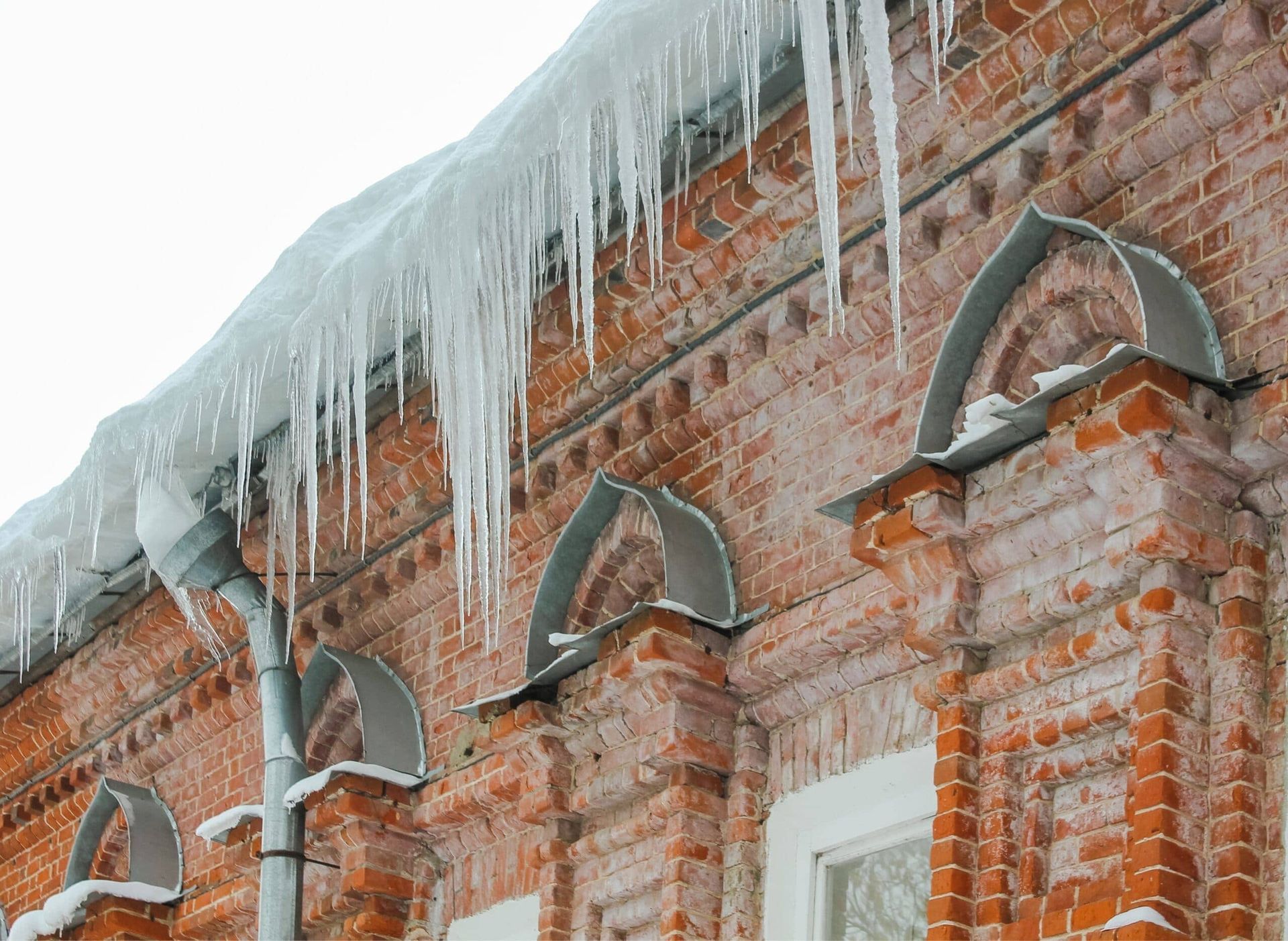
When gutters overflow, leak, or detach, they create concentrated water flow that can cause issues over time. Here’s what we typically see in buildings without regular gutter maintenance:
1. Localized Deterioration of Brick and Mortar
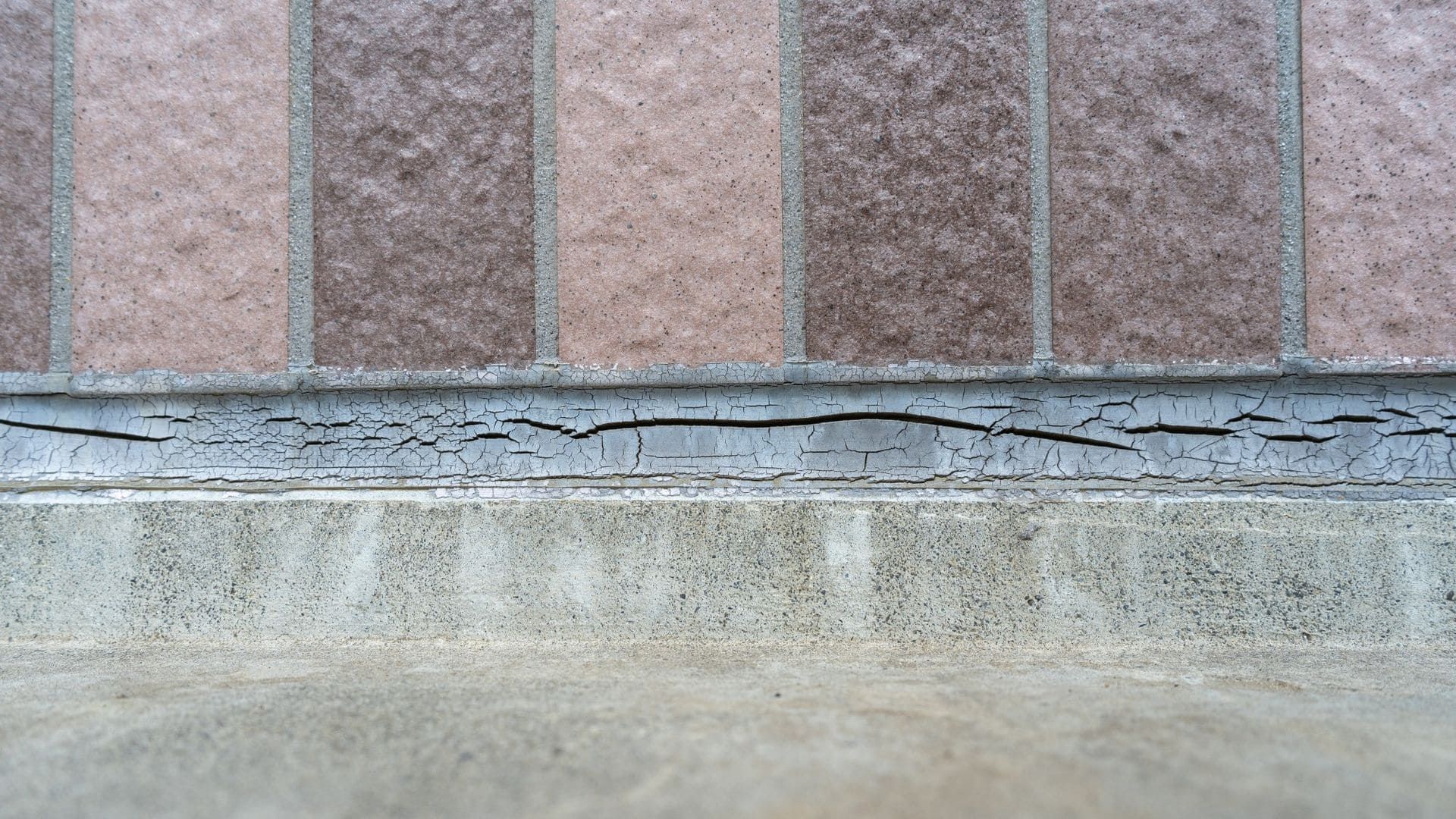
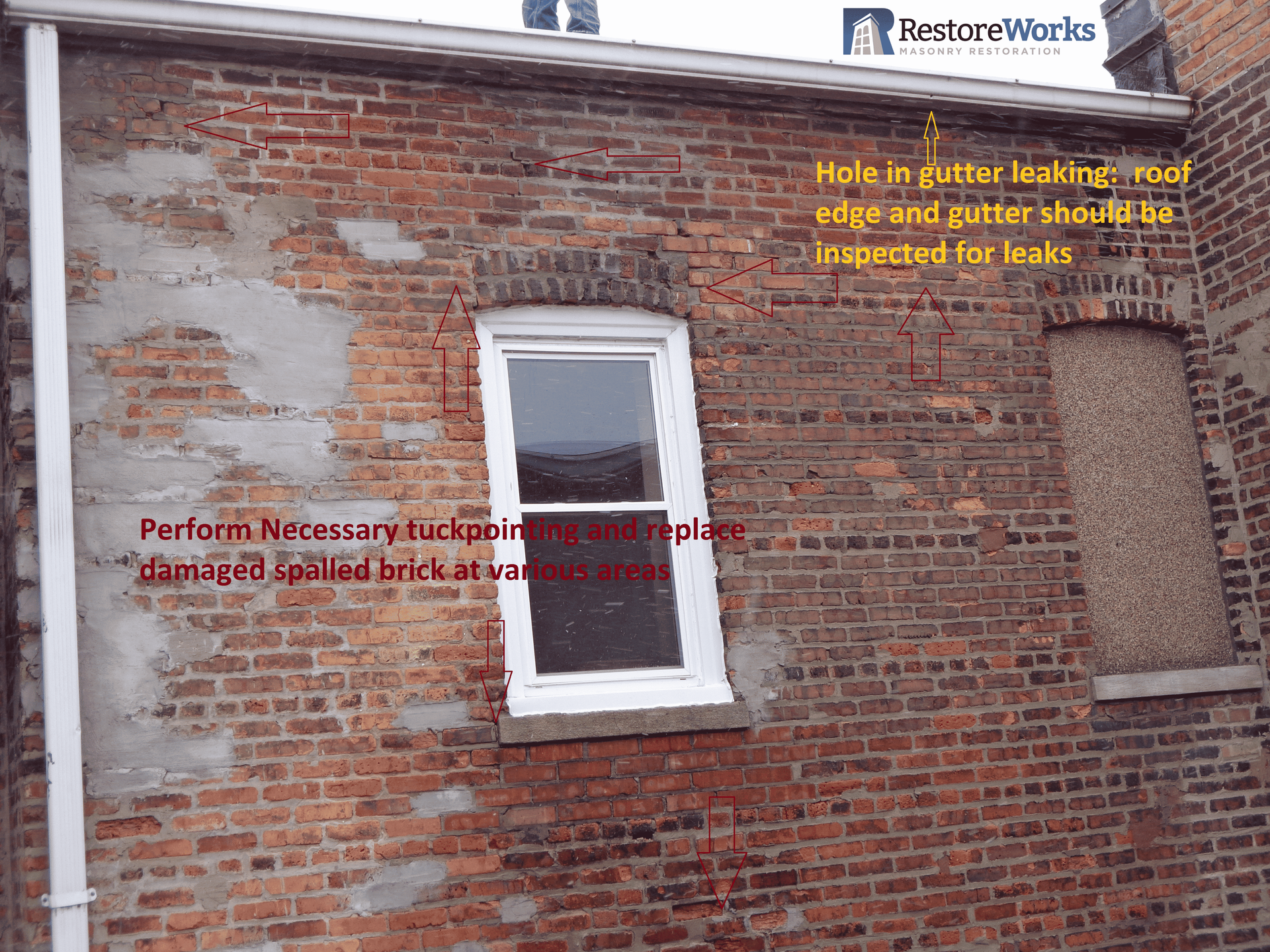
Masonry is porous. When water runs down façades repeatedly, it seeps into the brick and mortar. As that water freezes, it expands and leads to spalling, cracks, and joint failure.
2. Damage to Lintels and Shelf Angles
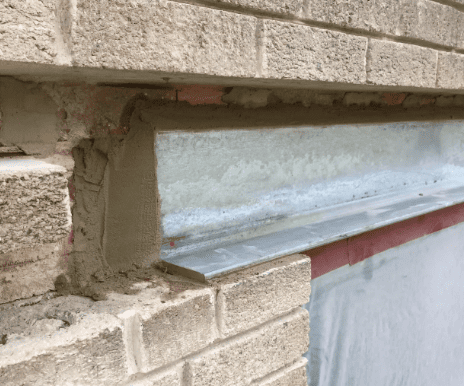
Steel components like lintels and shelf angles are vulnerable to corrosion if water consistently reaches them. Over time, this rust can cause displacement of the masonry above and require full masonry lintel replacement.
3. Cracking and Bulging in Parapet Walls
Overflowing gutters often lead to saturated parapets. That’s why we frequently get called in for concrete facade restoration or brick parapet rebuilds following water damage that began at the roofline.
4. Quicker Need for Tuckpointing
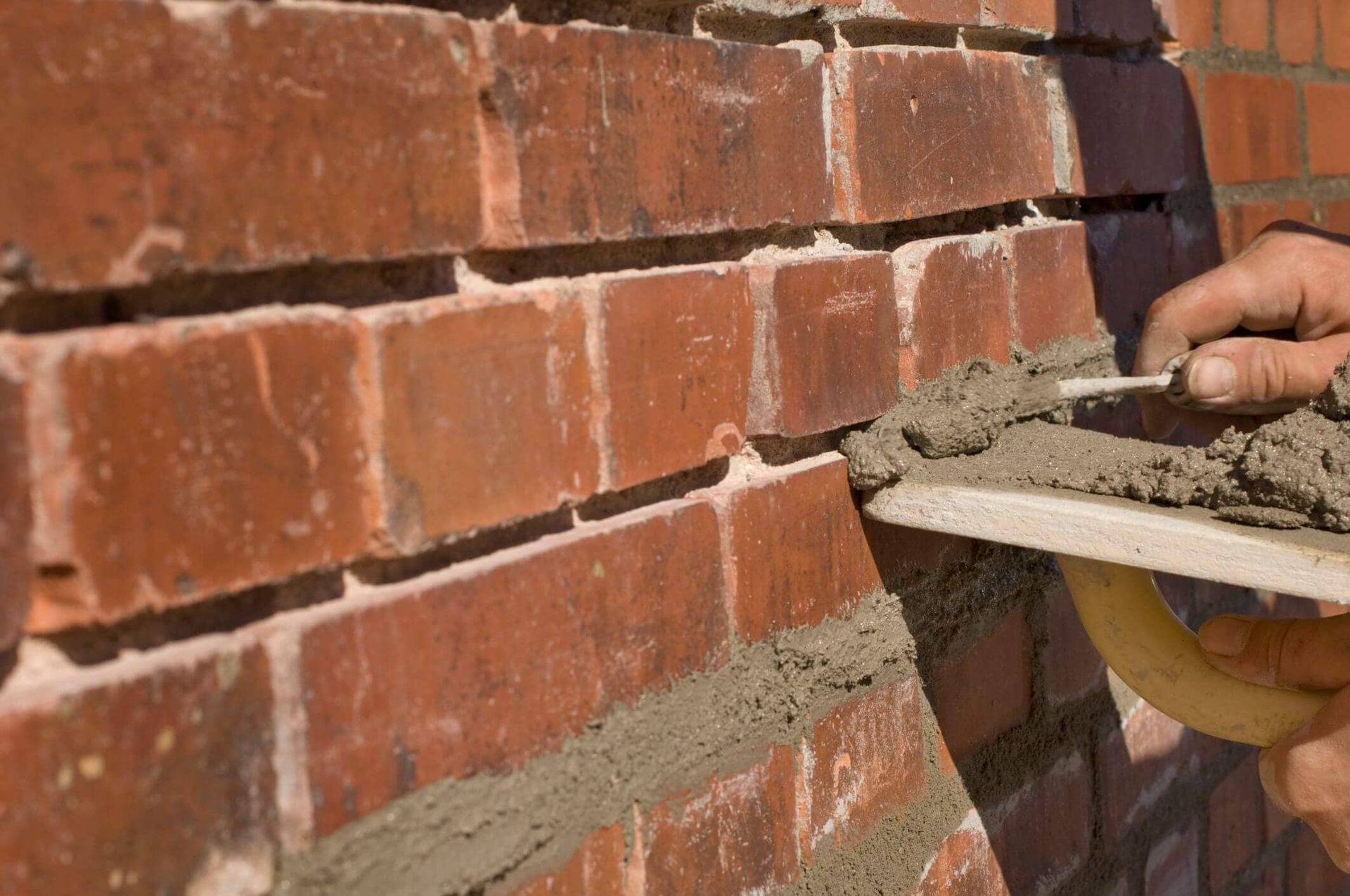
Once water gets into mortar joints, they deteriorate faster. This leads to premature failure and the need for commercial tuckpointing.
Signs Your Gutters May Be Weakening Your Masonry
- Efflorescence or staining on brick below gutters
- Cracks that trace down from rooflines or corners
- Water leaking inside the building along perimeter walls
- Vegetation growing from joints or parapet tops
- Ice damming or icicles forming at the roofline
If you’re seeing any of these, it’s worth investigating both the condition of your gutters and the masonry they’re impacting.
Prevention: A Low-Cost Investment That Protects a High-Cost Asset
The cost of a full gutter system cleaning and inspection is usually less than 1% of a complete concrete facade repair, making it a highly efficient preventative measure against long-term deterioration. In fact, one recent study from the National Institute of Building Sciences (via Architect) found that every $1 spent on preventative maintenance saves $4 in future repairs.
We recommend property managers and facilities teams include gutter checks in their quarterly or seasonal inspections, especially before and after winter.
RestoreWorks Can Help You See the Full Picture
Instead of just fixing what you can see, we take the time to uncover what’s causing the problem and help you plan the right next steps.
If you’ve seen signs of wear or think your gutters might be making things worse, we’re here to help. Our team has thorough experience with restorative masonry cleaning, concrete balcony restoration, and full facade repair strategies.
Need an Evaluation?
Let us take a look at what’s going on behind the scenes before the damage becomes visible (and expensive). Contact RestoreWorks to schedule a site visit and keep your masonry performing as it should.