Summer Masonry Maintenance Tips for Commercial Properties
As warmer weather approaches, it’s important for property managers to check the state of their commercial properties. Chicago’s winters can be tough on masonry structures, leading to issues that may worsen without timely attention. To help you prepare, we’ve compiled this masonry maintenance checklist. This guide will help you to identify and address potential problems before summer.
#1. Inspect Concrete Balconies for Damage
Concrete balconies go through significant stress during winter. Concrete balcony restoration may be necessary to address:
- Cracks caused by temperature fluctuations and moisture exposure.
- Spalling or flaking due to moisture infiltration.
- Rusting of embedded rebar, leading to structural weakening.
Did you know that many reinforced structures begin to experience issues after 30-50 years? Periodic inspections of your building can prevent costly repairs later.
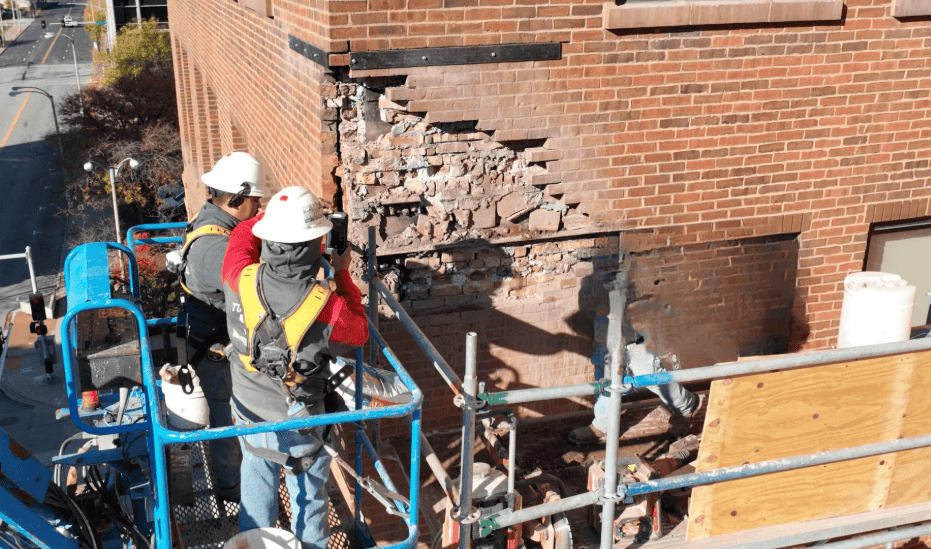
#2. Check Masonry Facades for Wear and Tear
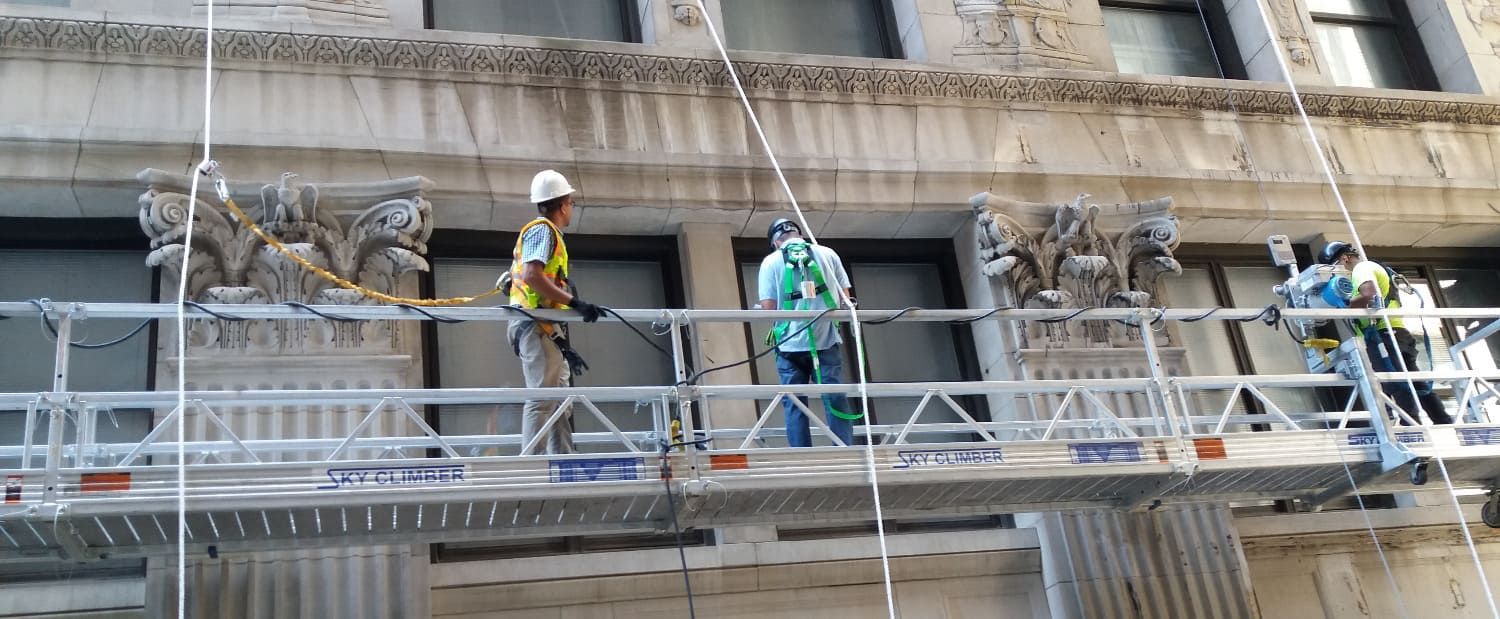
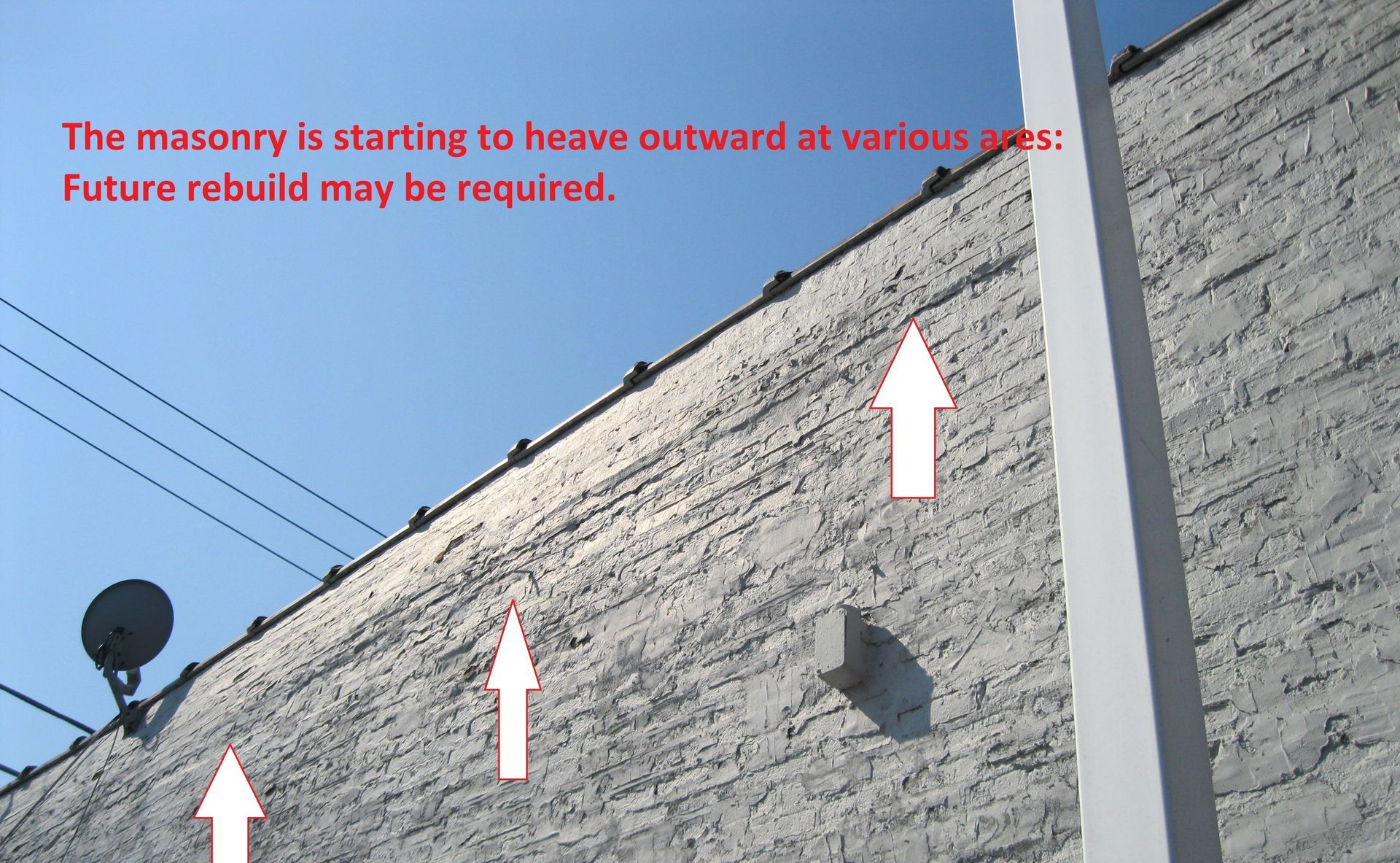
Chicago’s fluctuating weather conditions can damage masonry facades. Common issues to look for include:
- Crumbling mortar joints.
- Bulging bricks or stonework.
- Efflorescence (white powdery residue from water infiltration).
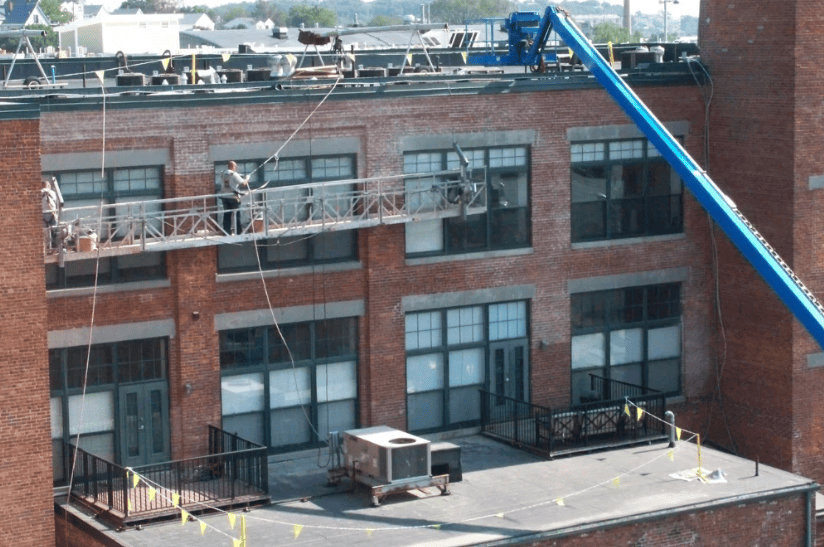
A commercial façade masonry and concrete facade repair contractor can quickly address these problems. Proper maintenance can extend the life of your facade by decades.
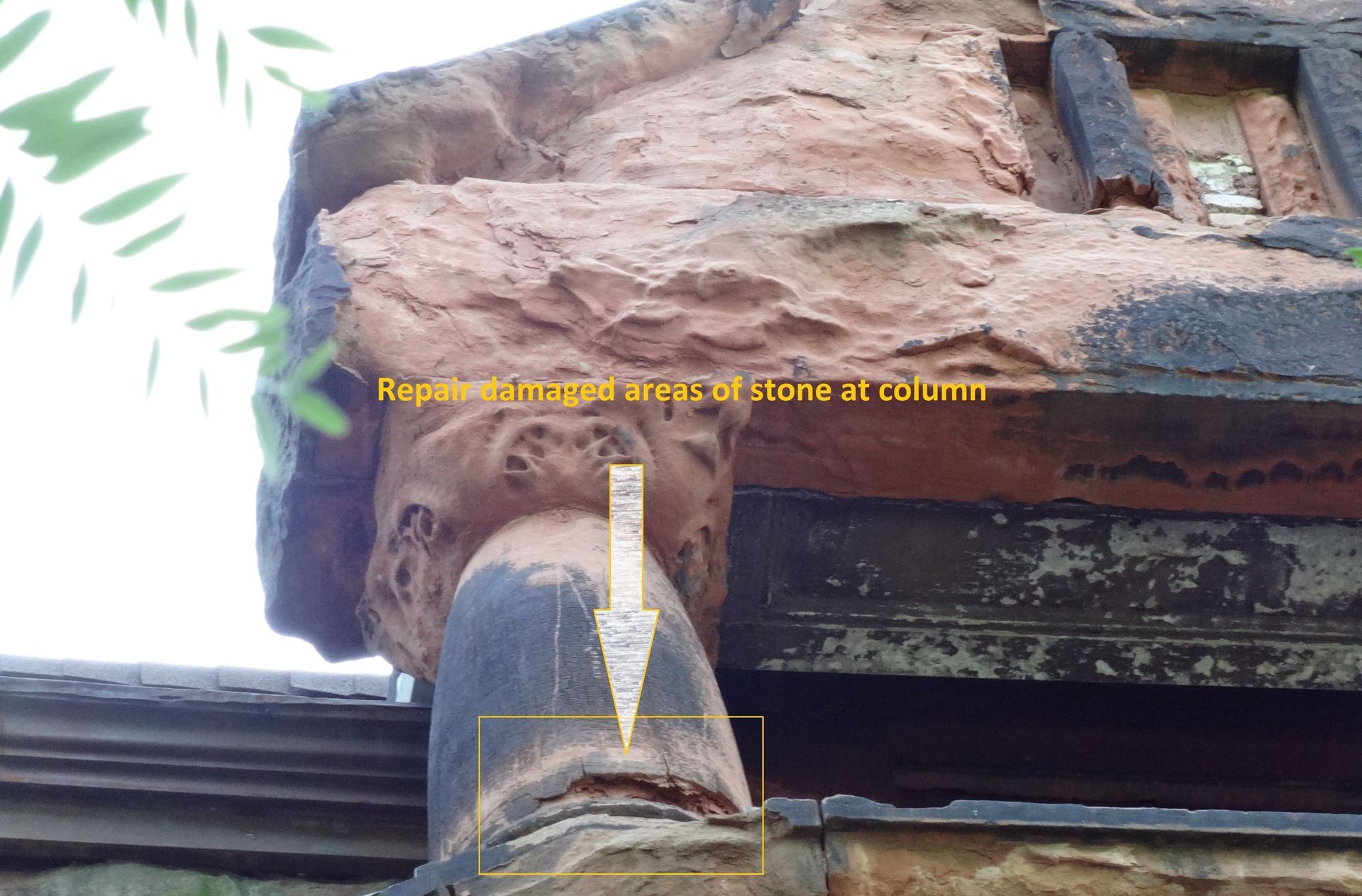
#3. Check Lintels and Sealants
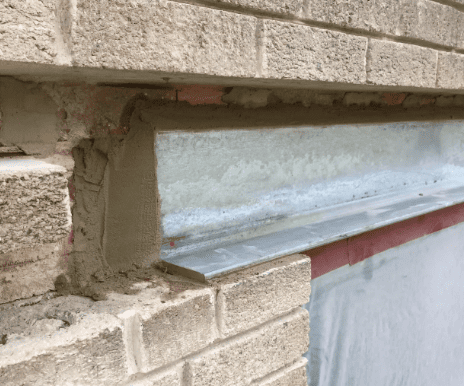
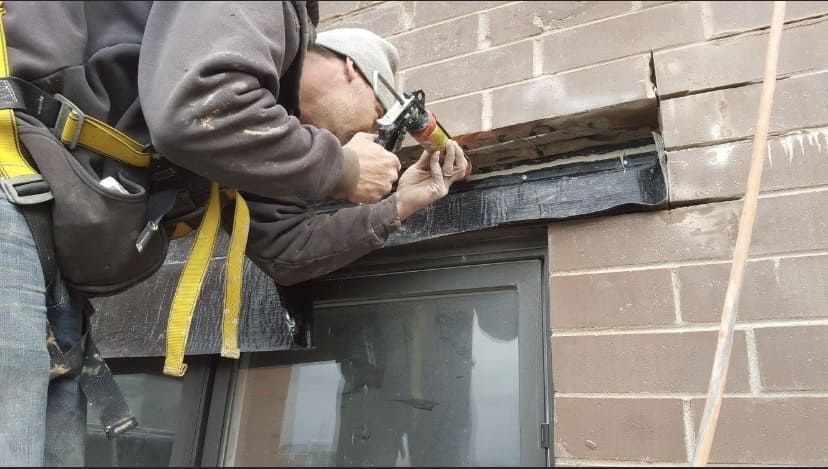
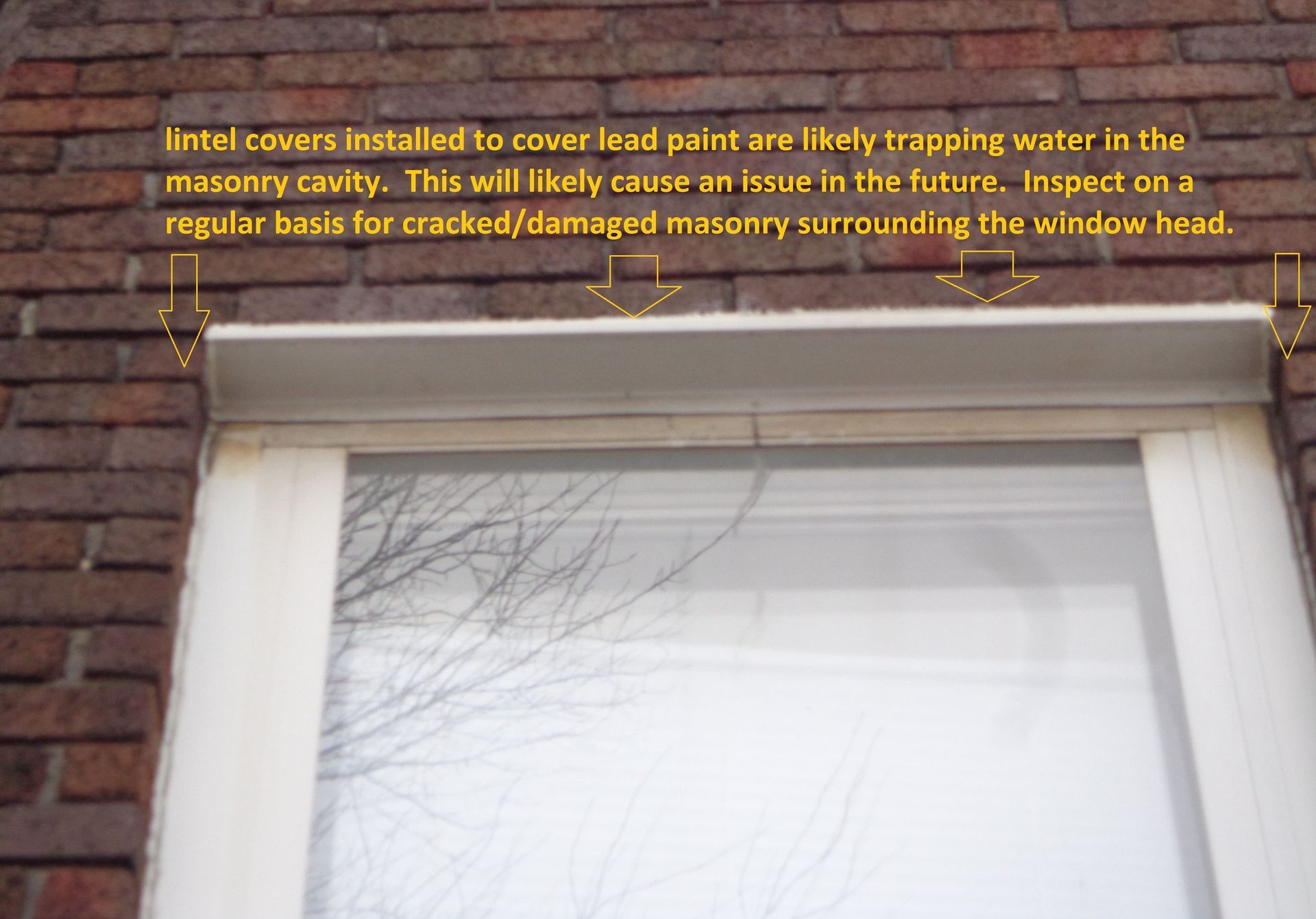
Lintels (the horizontal supports above windows and doors) are often overlooked. Cold weather conditions can lead to rusting and displacement, which jeopardize structural integrity. Masonry lintel replacement or repair may be needed if:
- Lintels show signs of rust or deformation.
- Cracks are visible above openings.
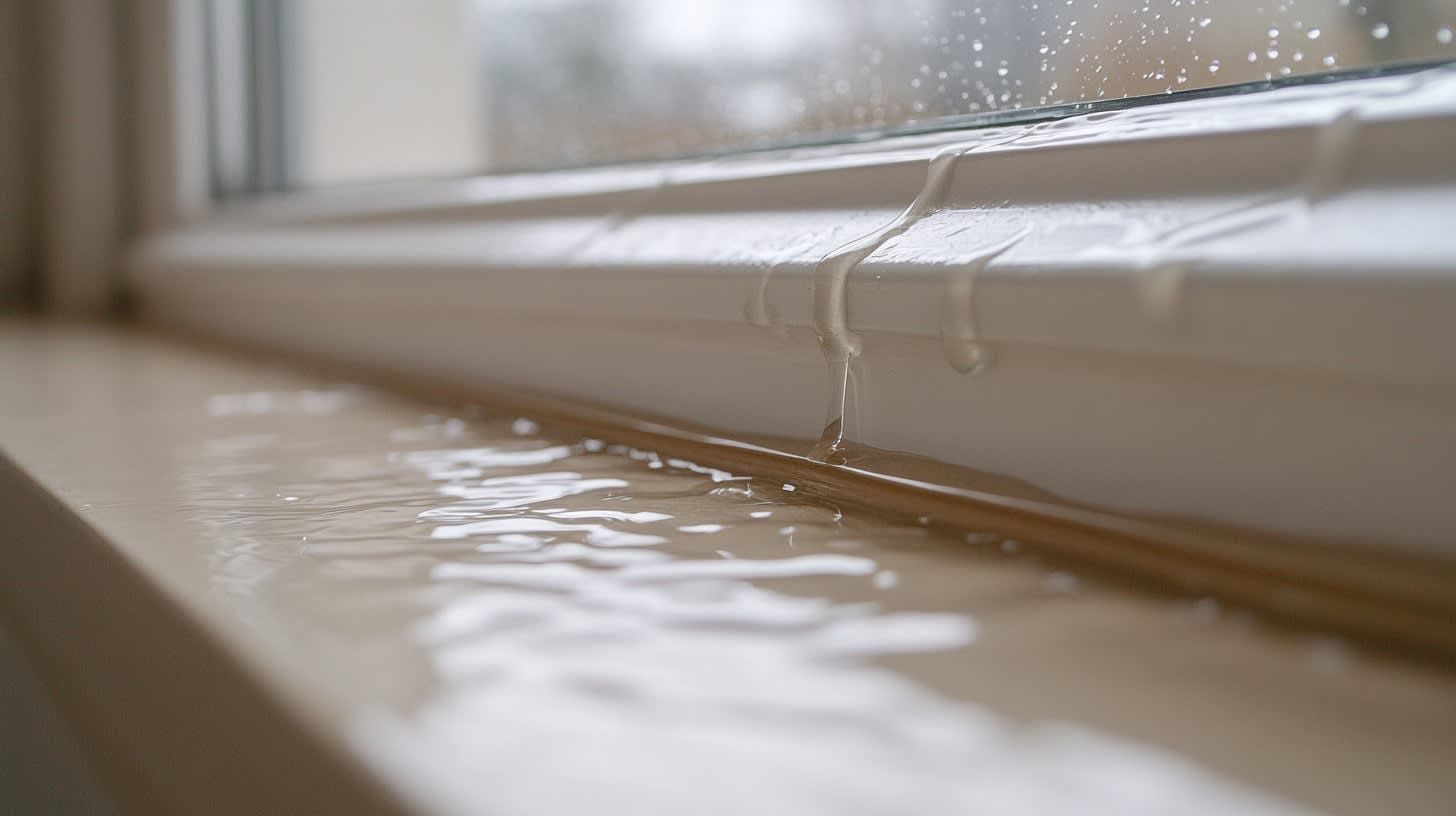
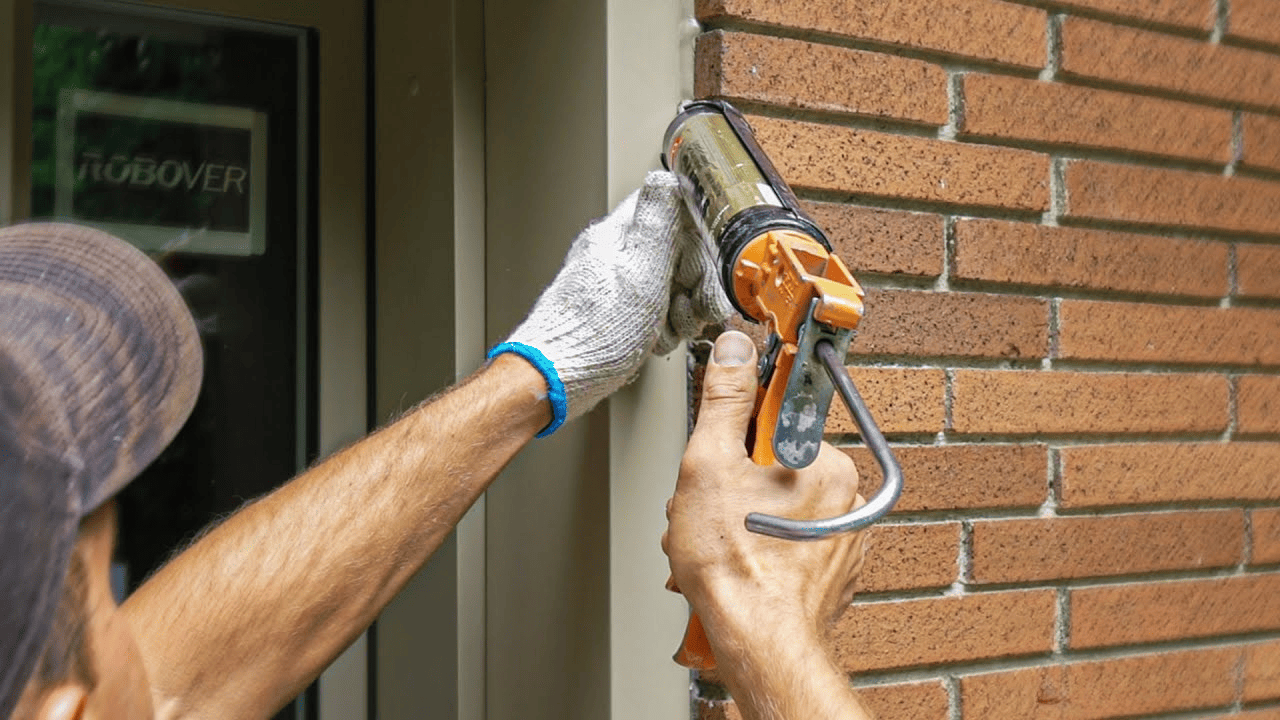
Similarly, deteriorated sealants around windows and expansion joints can allow water intrusion.
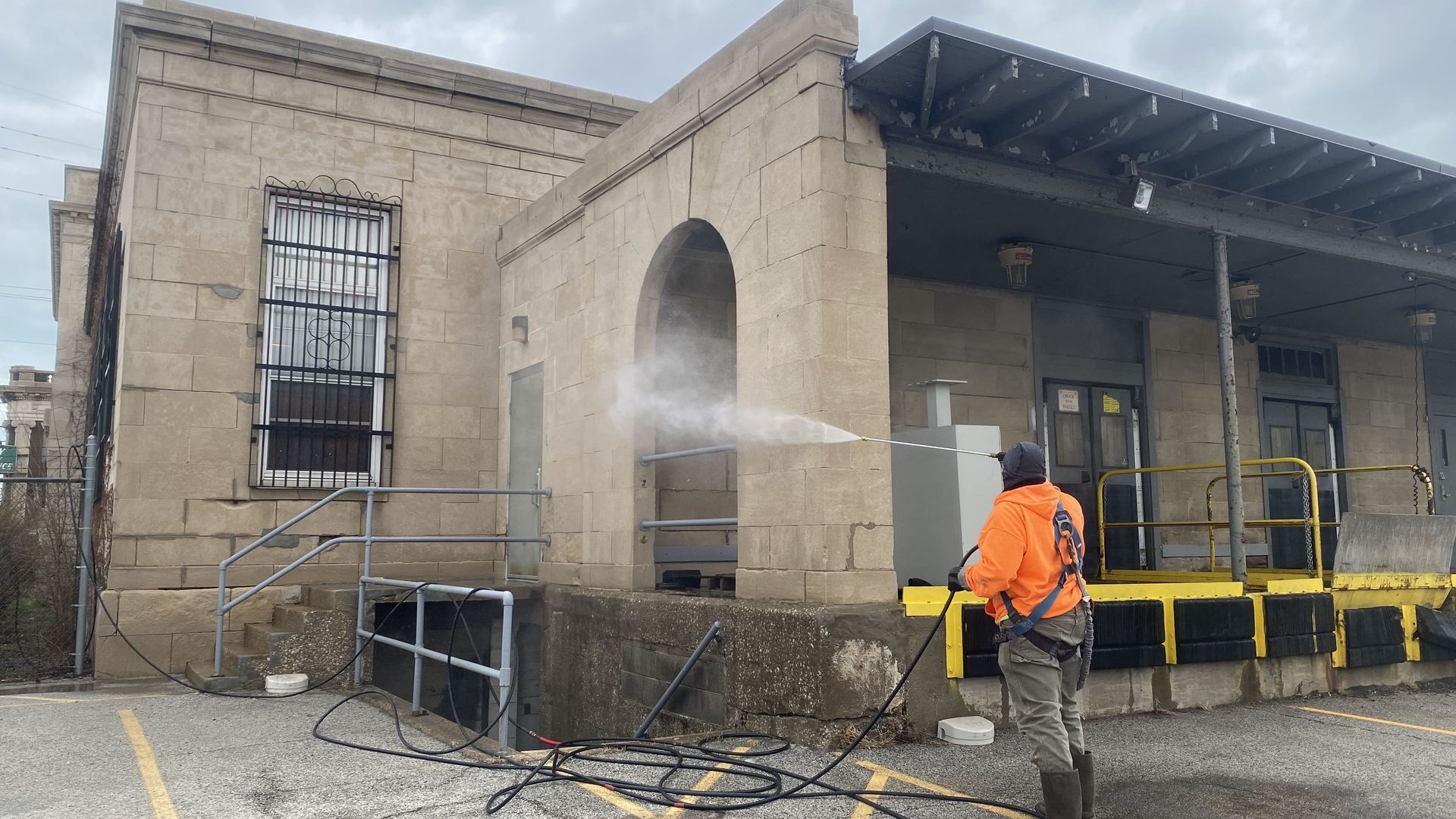
#4. Prioritize Restorative Masonry Cleaning
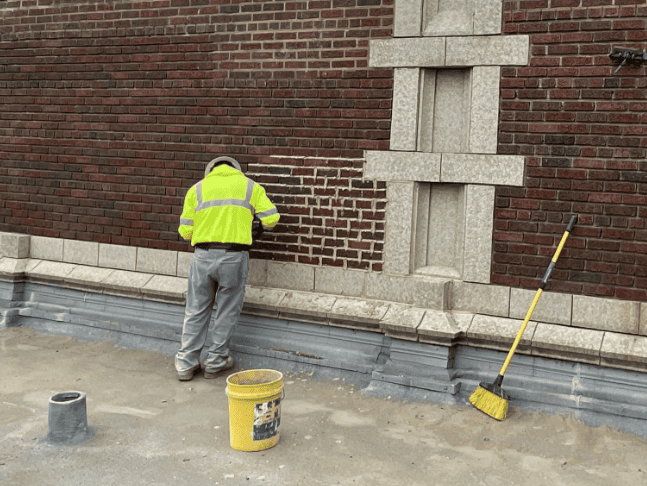
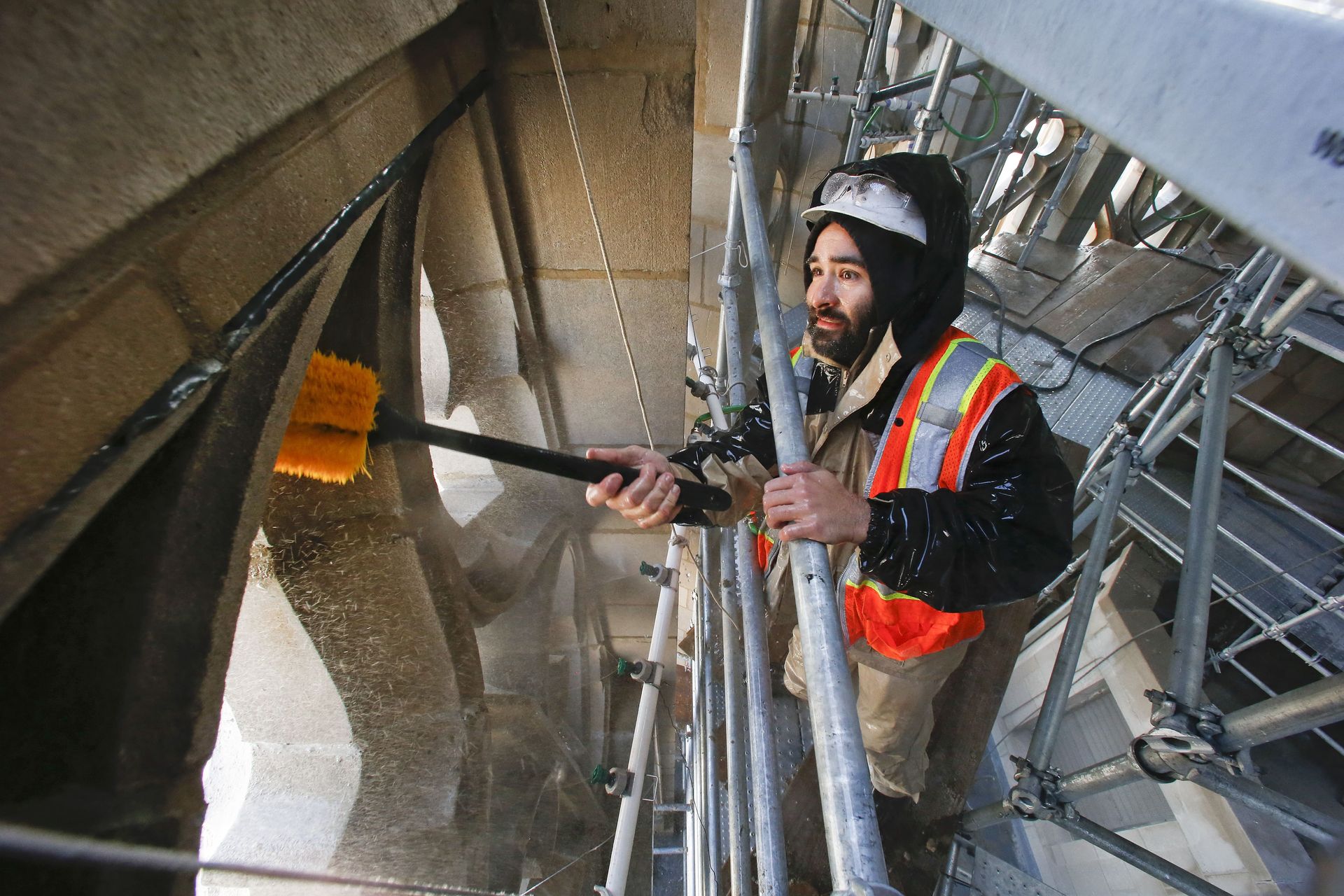
Winter grime, pollutants, and biological growth can diminish the appearance and durability of your masonry. Restorative masonry cleaning not only improves appearance but also prevents long-term damage. Professional cleaning services can safely remove stains and buildup without harming the underlying material.
After reading a market report conducted by the National Association of Realtors, Jeff Buczkiewsicz of the Mason Contractors Association of America (MCAA) states that “masonry contributes to a higher overall value in communities and offer a more attractive appearance,” emphasizing the importance of investing in and maintaining your masonry’s image.
#5. Evaluate Tuckpointing Needs
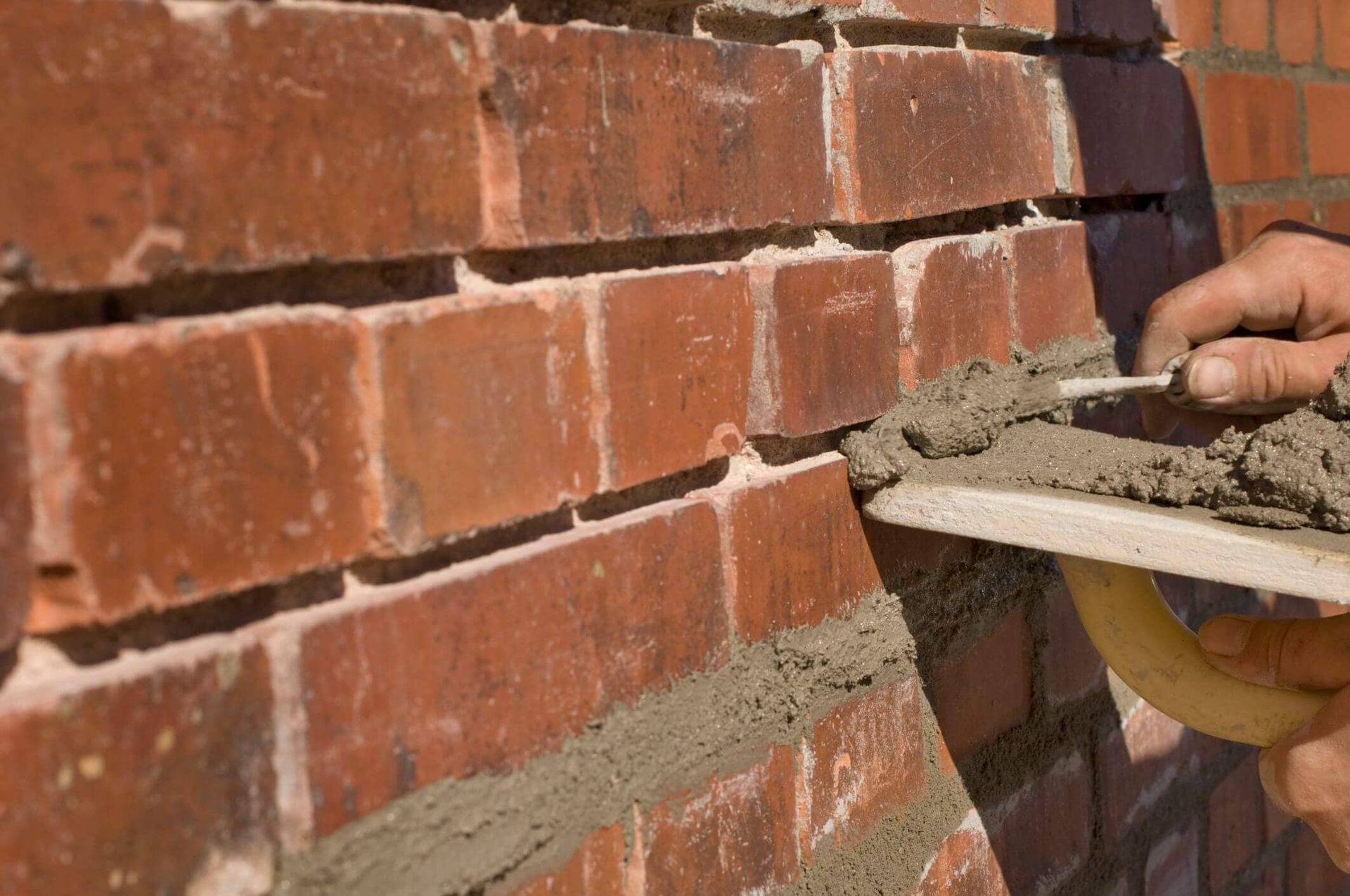
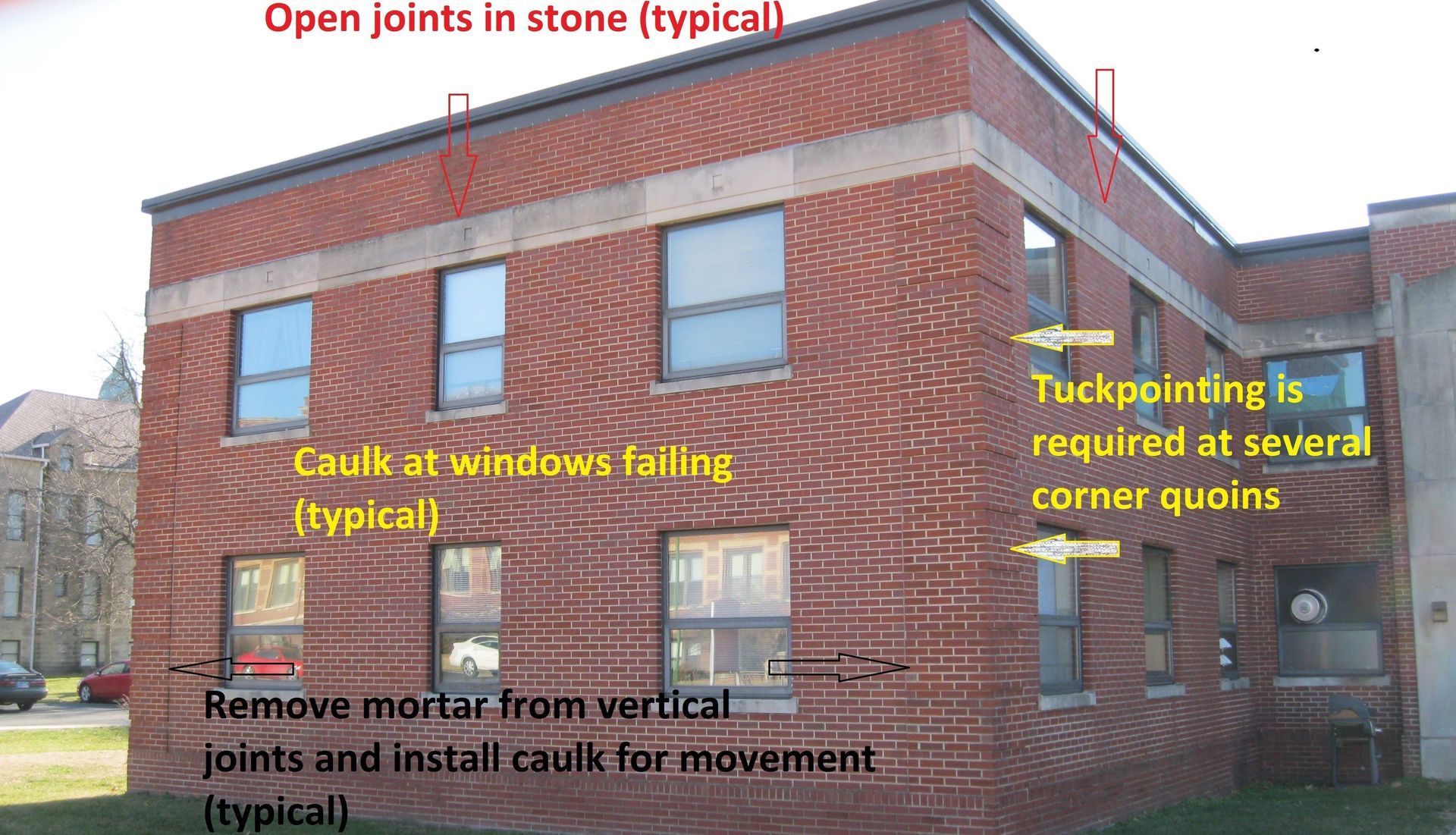
Mortar joints are the first line of defense against water infiltration. Over time, they can deteriorate, requiring tuckpointing services.
- Replaces old, damaged mortar with new material.
- Restores the structural integrity of your masonry.
- Prevents moisture from seeping behind brick or stone.
The Brick Industry Association states that proper tuckpointing can typically extend the life of your building’s mortar joints by at least 25 years.
#6. Plan for Concrete Repairs
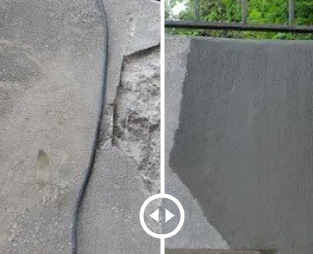
If your property features parking structures or walkways, now is the time to inspect surface cracks, scaling, or uneven sections. Issues to address include:
- Trip hazards caused by uneven surfaces.
- Structural risks from deep cracks.
- Corrosion of embedded reinforcement.
Ignoring these issues can lead to higher repair costs or liability risks.
Why Act Now?
Addressing masonry issues early saves time and money. Industry studies by Brightly indicate that preventative maintenance can reduce repair costs by 12-18% and generate a 400% return on investment. With summer construction schedules filling up quickly, securing services from a commercial masonry restoration contractor now ensures your project won’t face delays.
Partner with RestoreWorks for Masonry Solutions
At RestoreWorks, we specialize in providing solutions for commercial masonry restoration and repair projects. Whether you need restorative masonry cleaning or tuckpointing our expert team is ready to help. Contact us today to schedule an inspection and ensure your property is summer-ready.