Masonry Maintenance Tips for Property Managers
Maintaining masonry isn’t just about your buildings appearance. It’s about its lifespan, structural strength, and cost control. For property managers, facilities teams, and project managers overseeing commercial or multi-unit residential properties, proactive maintenance is key to avoiding expensive repairs down the line. Studies in the International Journal of Integrated Engineering state that emergency repairs and restoration expenses can be up to three times higher than routine maintenance, making early intervention important.
1. Prioritize Preventative Inspections
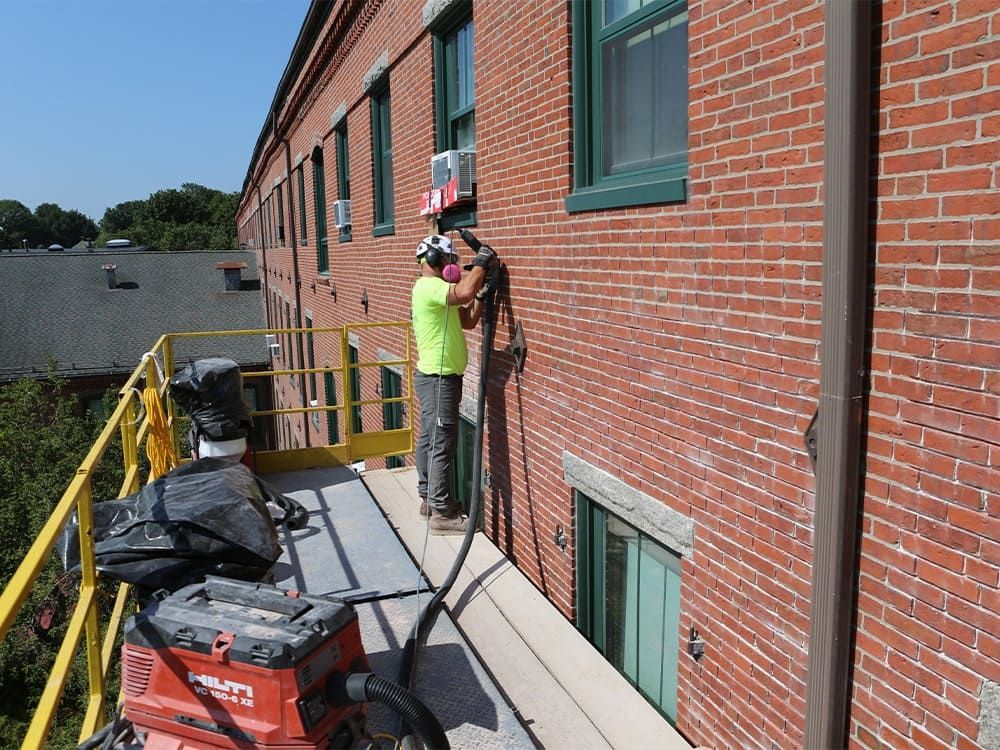
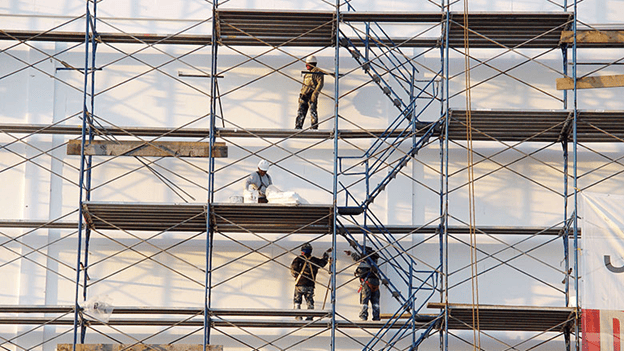
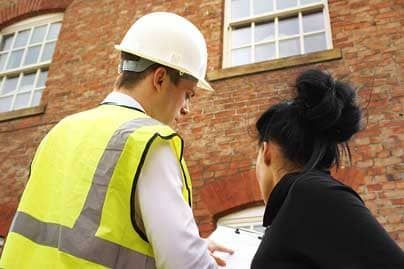
A well-structured maintenance plan starts with routine inspections. Small issues like cracks, deteriorating mortar, or minor water infiltration, can quickly turn into major problems. Industry best practices recommend:
- Annual facade inspections for high-rise and mid-rise buildings.
- Post-winter assessments to check for freeze-thaw damage, particularly in the Midwest.
- Targeted evaluations of areas prone to stress, such as masonry lintel replacement zones and balcony supports.
According to Clue, emergency repairs can cost up to three times more than planned maintenance due to the urgency and unplanned nature of the repair, making it expensive if overlooked.
2. Address Sealant and Caulking Failures Early
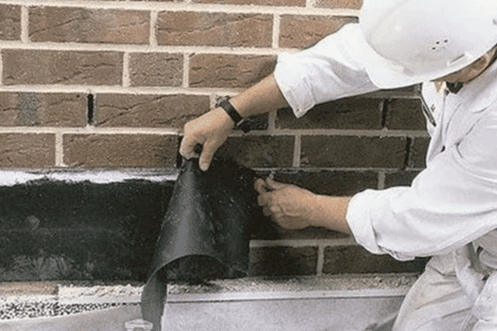
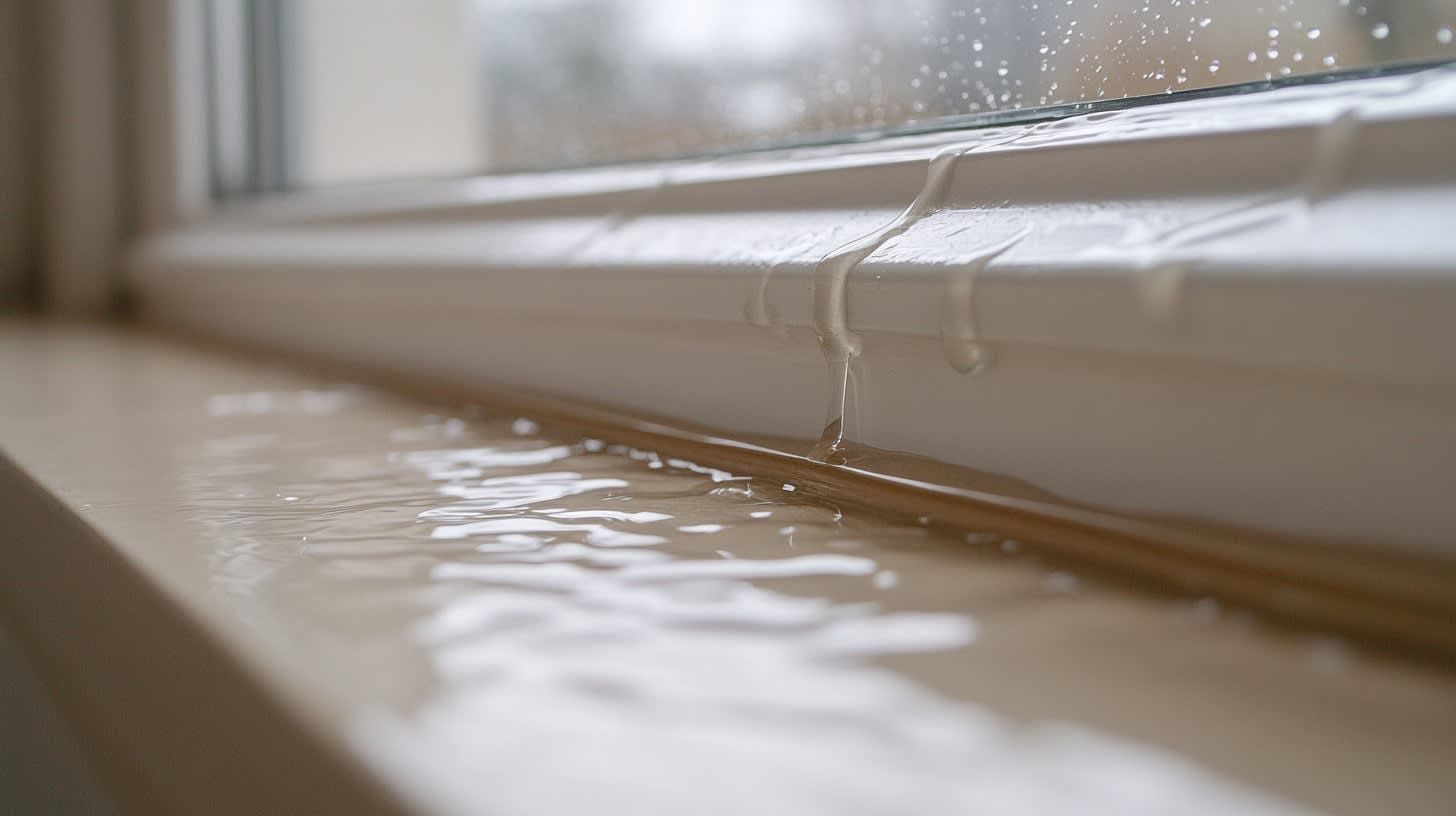
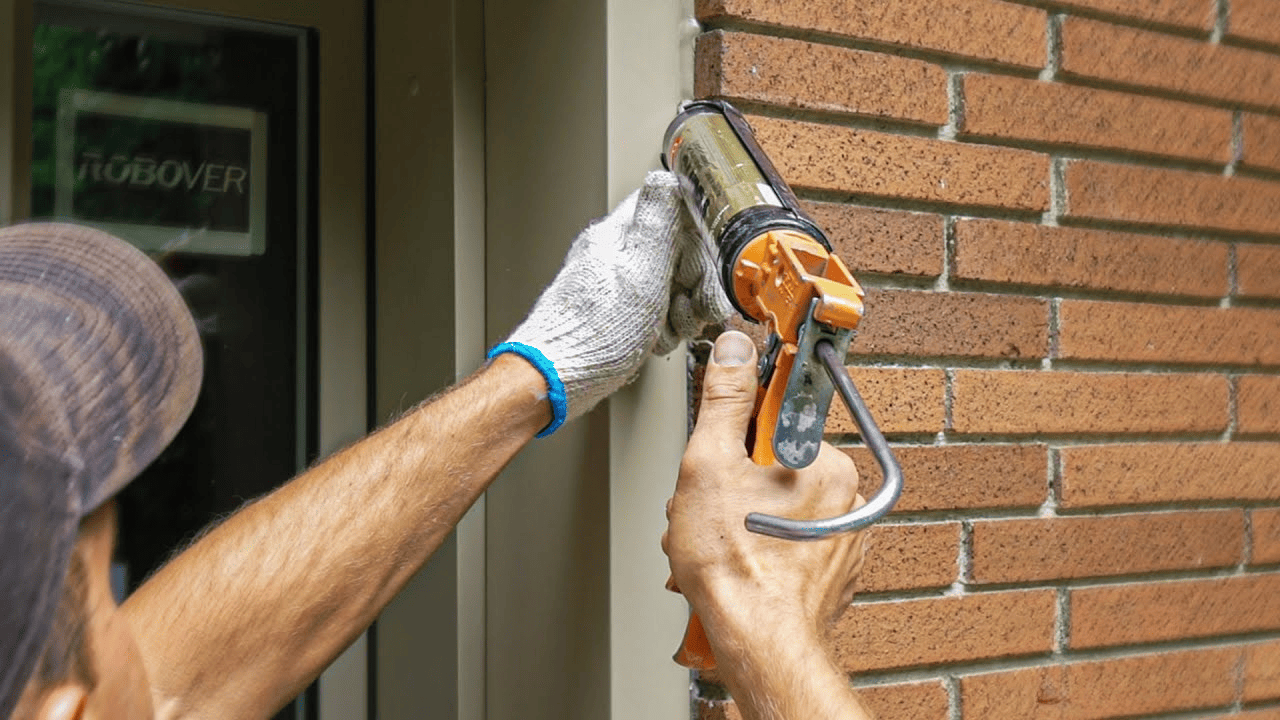
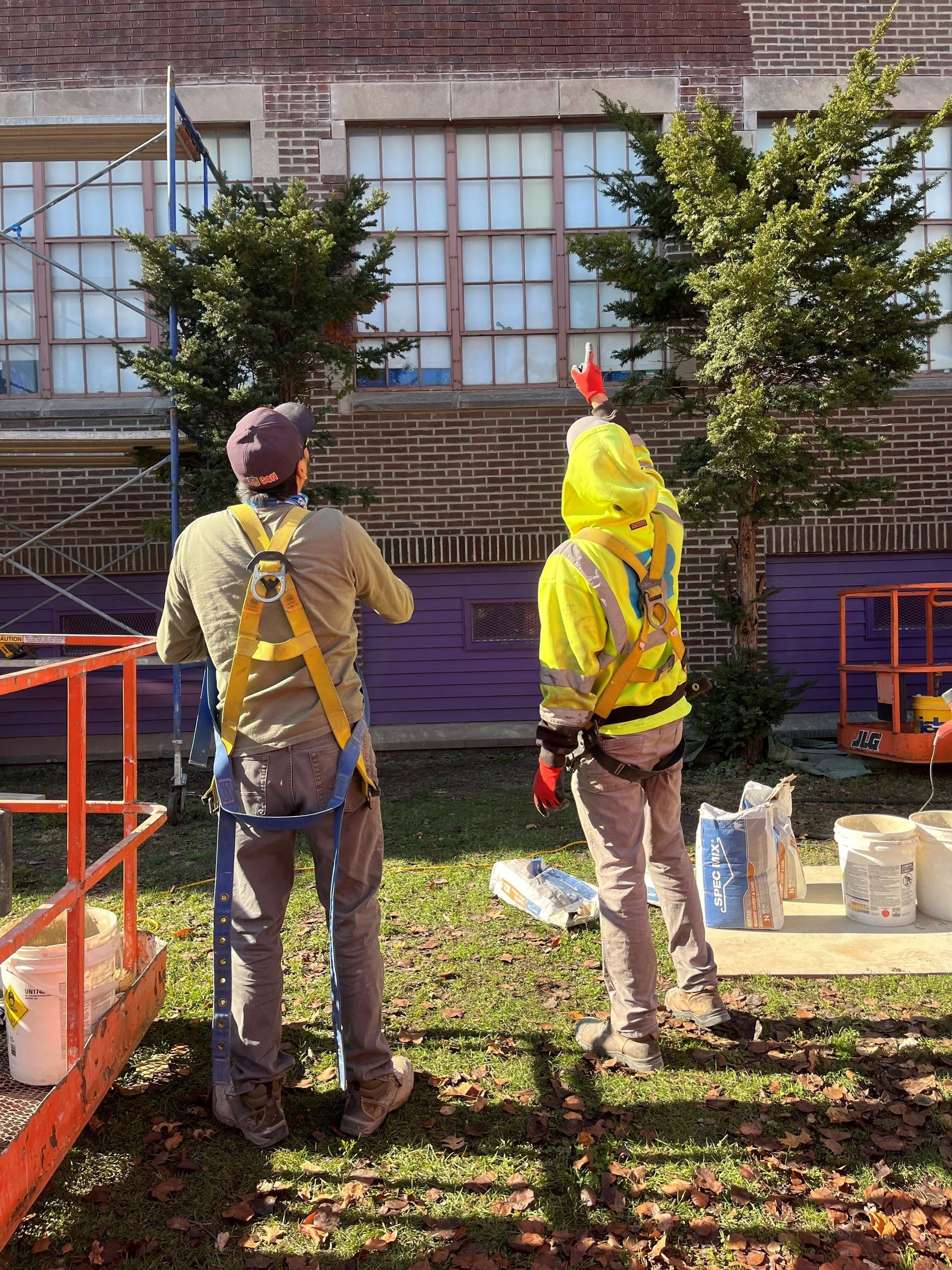
Sealant failures around expansion joints, windows, and control joints are a common cause of water intrusion. Water infiltration leads to sped up masonry deterioration and expensive interior damage. A commercial caulk repair contractor can inspect and replace failing sealants to keep your property watertight.
3. Tuckpointing: A Cost-Saving Restoration Measure
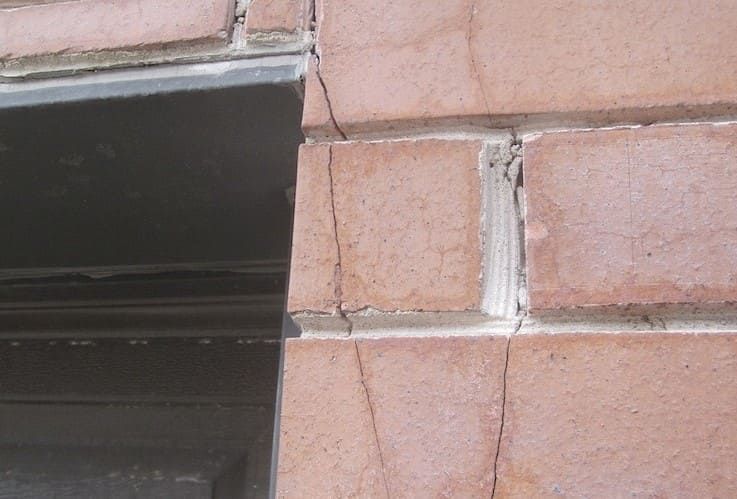
Deteriorated mortar joints jeopardize your buildings structural stability and allow moisture penetration. Proactive tuckpointing extends the life of your masonry walls and prevents the need for extensive reconstruction. If you manage a historic or commercial property, working with a commercial masonry tuckpointing contractor ensures expert-level restoration with materials that match the existing structure.
4. Balconies: The High-Risk, High-Cost Component
Concrete balconies face constant exposure to the outdoor elements, leading to cracks, spalling, and reinforcement corrosion. Early intervention reduces the risk of full replacements. Services such as commercial concrete balcony repair can restore the structural integrity of these elements before damage escalates.
With proper maintenance, buildings can extend the service life of balconies significantly, saving thousands in replacement costs. According to Advanced Technology Services (ATS), predictive maintenance can yield cost savings between 8% to 12% over preventive maintenance, and up to 40% over reactive maintenance.
5. Invest in Restorative Cleaning for Long-Term Protection
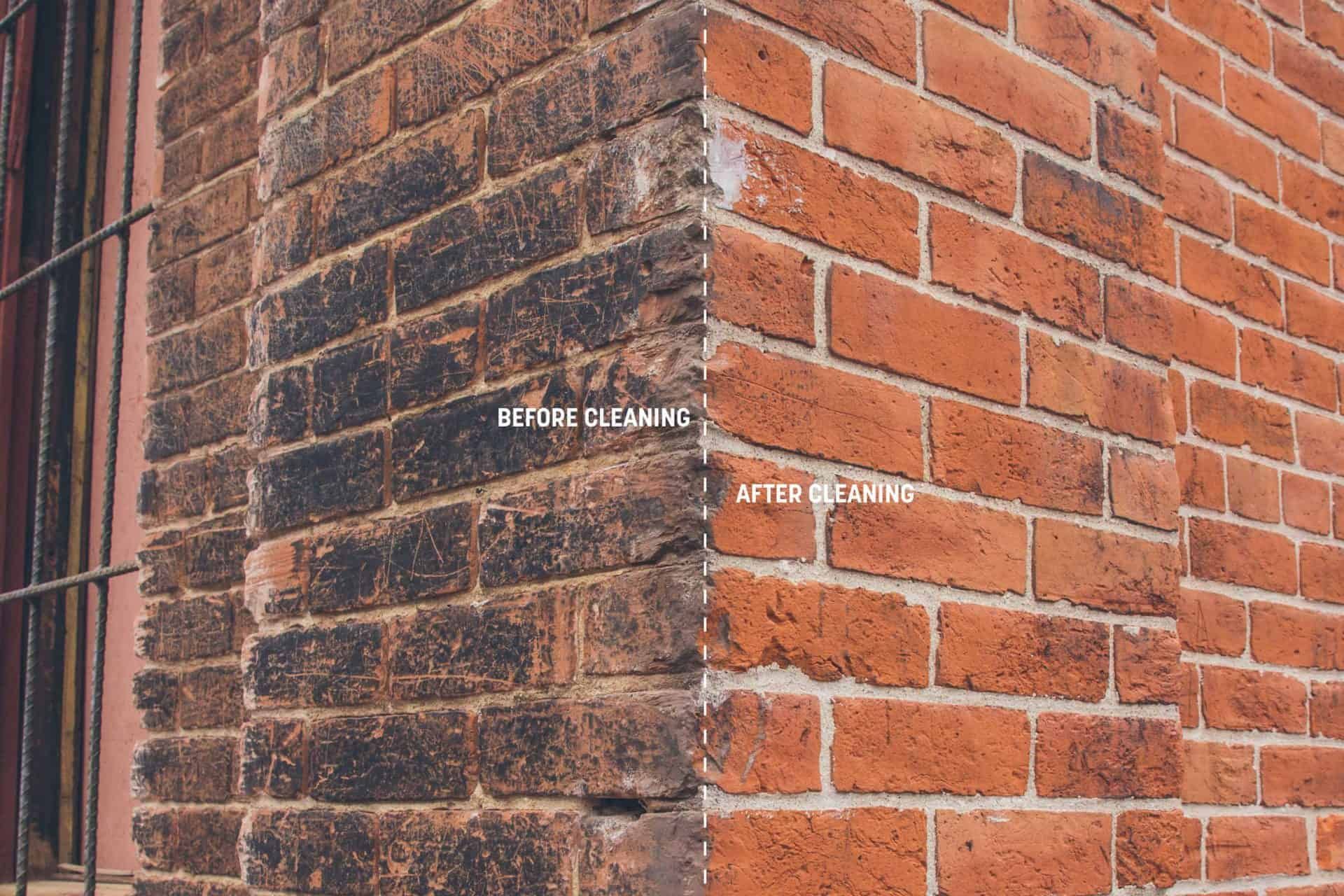
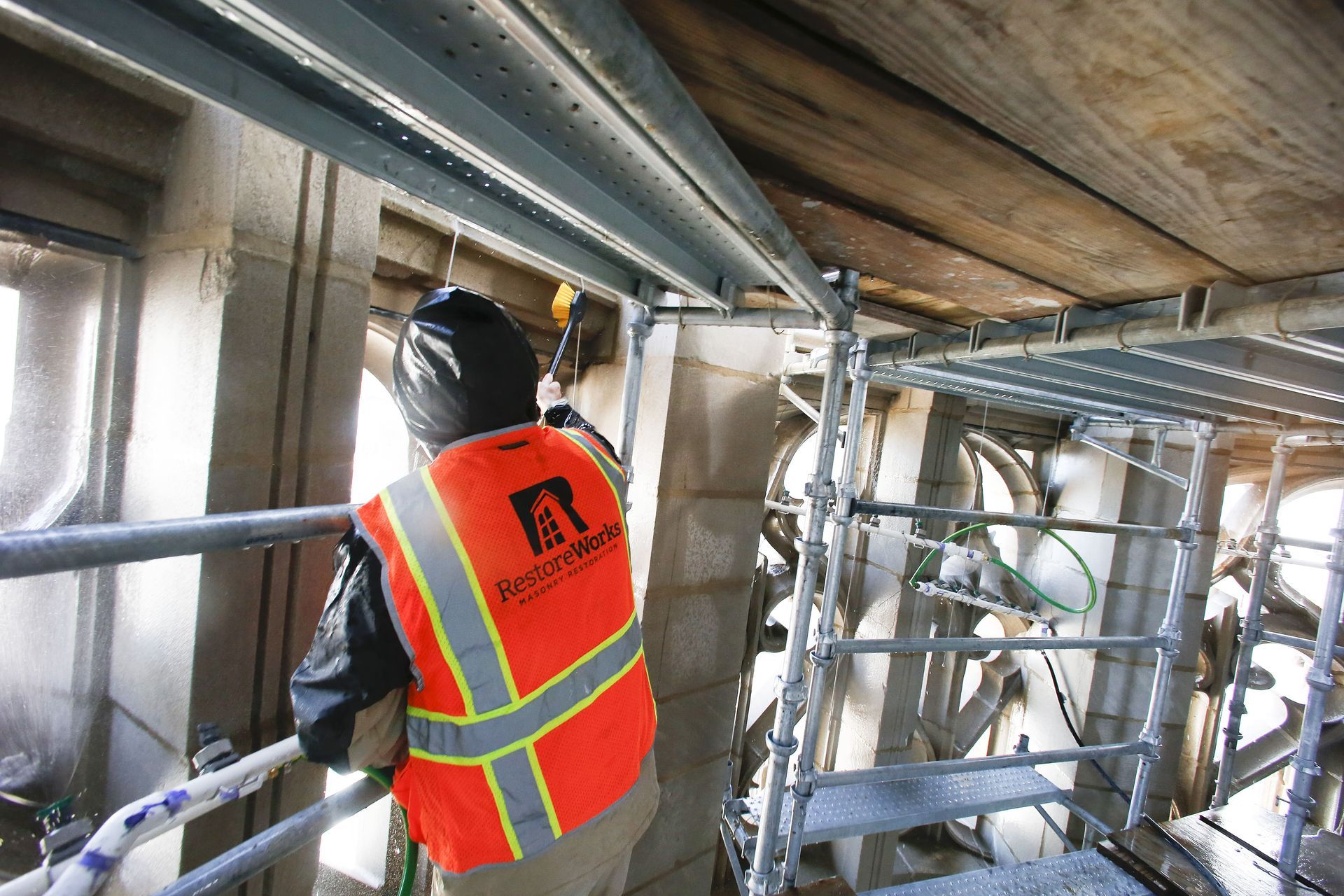
Dirt, biological growth, and atmospheric pollutants quicken masonry decay. More than just an appearance-enhancer, restorative masonry cleaning services help preserve brick and stone while identifying underlying issues early. Using the right cleaning techniques, whether chemical, low-pressure washing, or micro-abrasion, prevents surface damage and extends the lifespan of masonry elements.
6. Consider Facade Restoration to Avoid Rebuilding Costs
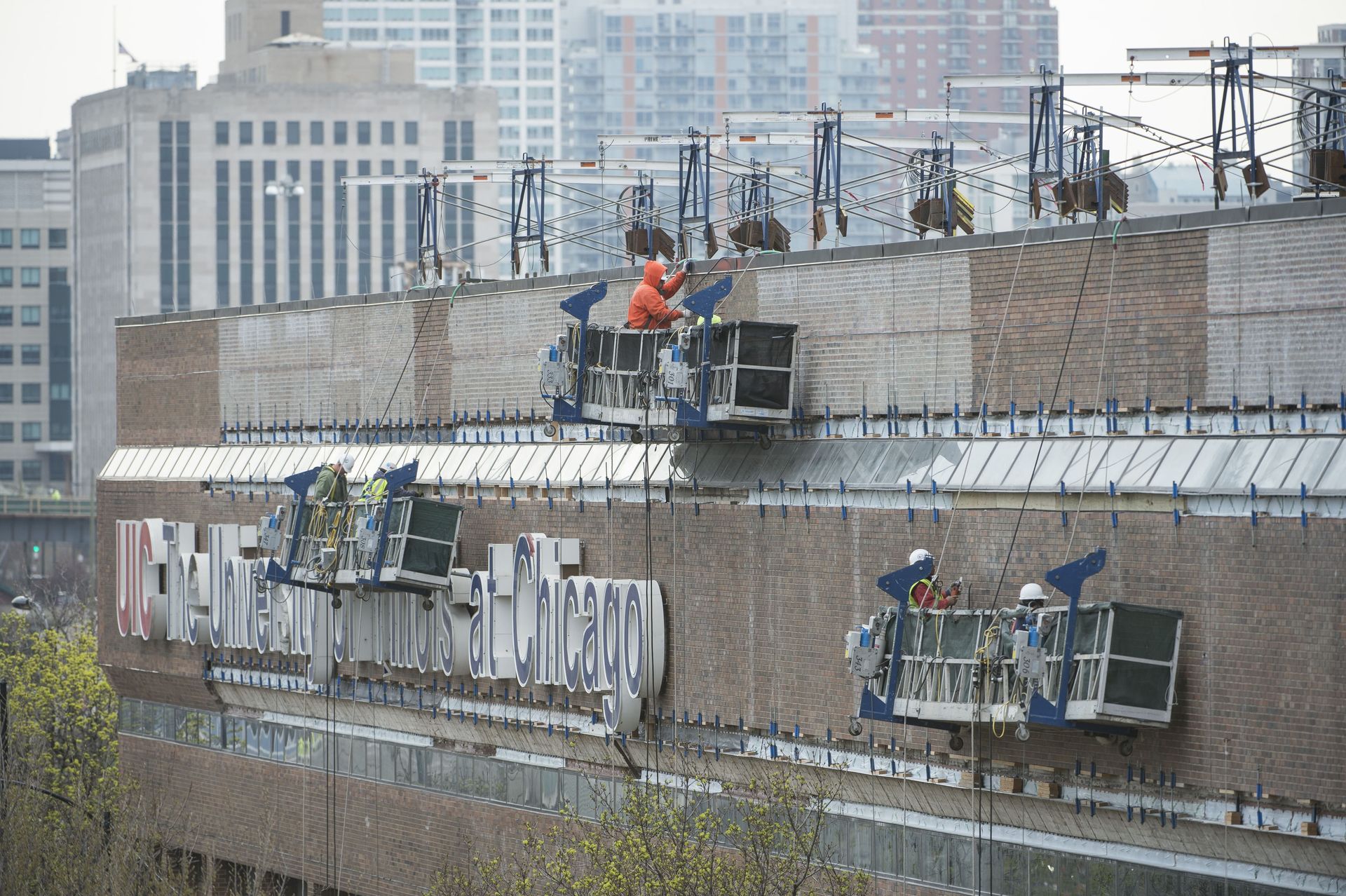
Rather than full-scale replacement, strategic restoration efforts can save tens of thousands of dollars. Services like commercial concrete facade restoration targets issues while preserving your building’s character. This approach is especially valuable for older structures where historic preservation is a priority. Data from ConstructionDive shows that construction material costs have risen across the board, with wood experiencing a 16% increase and concrete and masonry seeing a 15% increase since 2020, making restoration an even more cost-effective option in the long run.
7. Masonry Lintels: The Hidden Weak Points
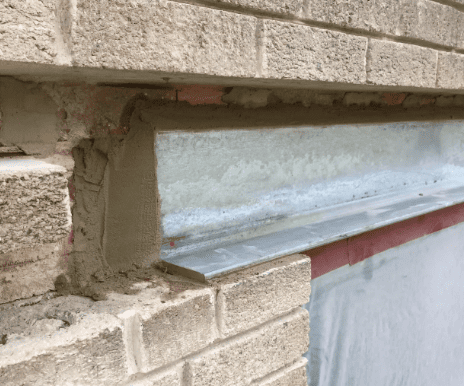
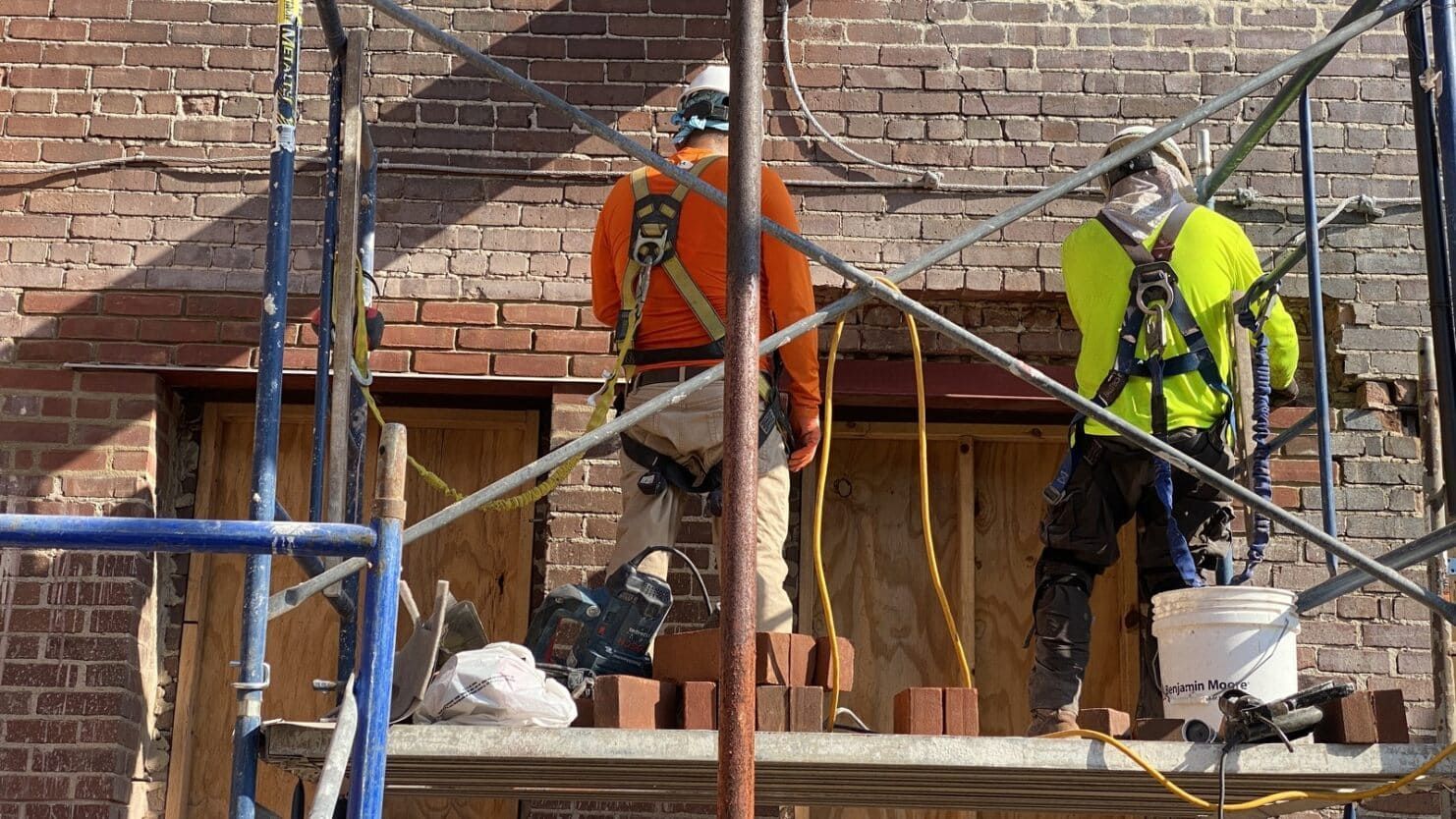
Steel lintels supporting brickwork above windows and doors often corrode due to water exposure. Without intervention, failing lintels can lead to major facade instability. Regular assessment and masonry lintel repair makes sure load-bearing elements remain secure and functional.
Final Thoughts: Partner with Experts to Maximize Your Investment
The key to cost-effective masonry maintenance is catching issues early and using experienced professionals to execute repairs. At RestoreWorks, we specialize in commercial masonry restoration services tailored to property managers, engineers, and general contractors. Whether it’s routine inspection or a full-scale restoration, our team helps you protect your investment with strategic, long-term solutions.
Get In Touch
Looking for a trusted partner for your next masonry maintenance project? Contact RestoreWorks today to schedule an assessment and keep your property in its best condition.